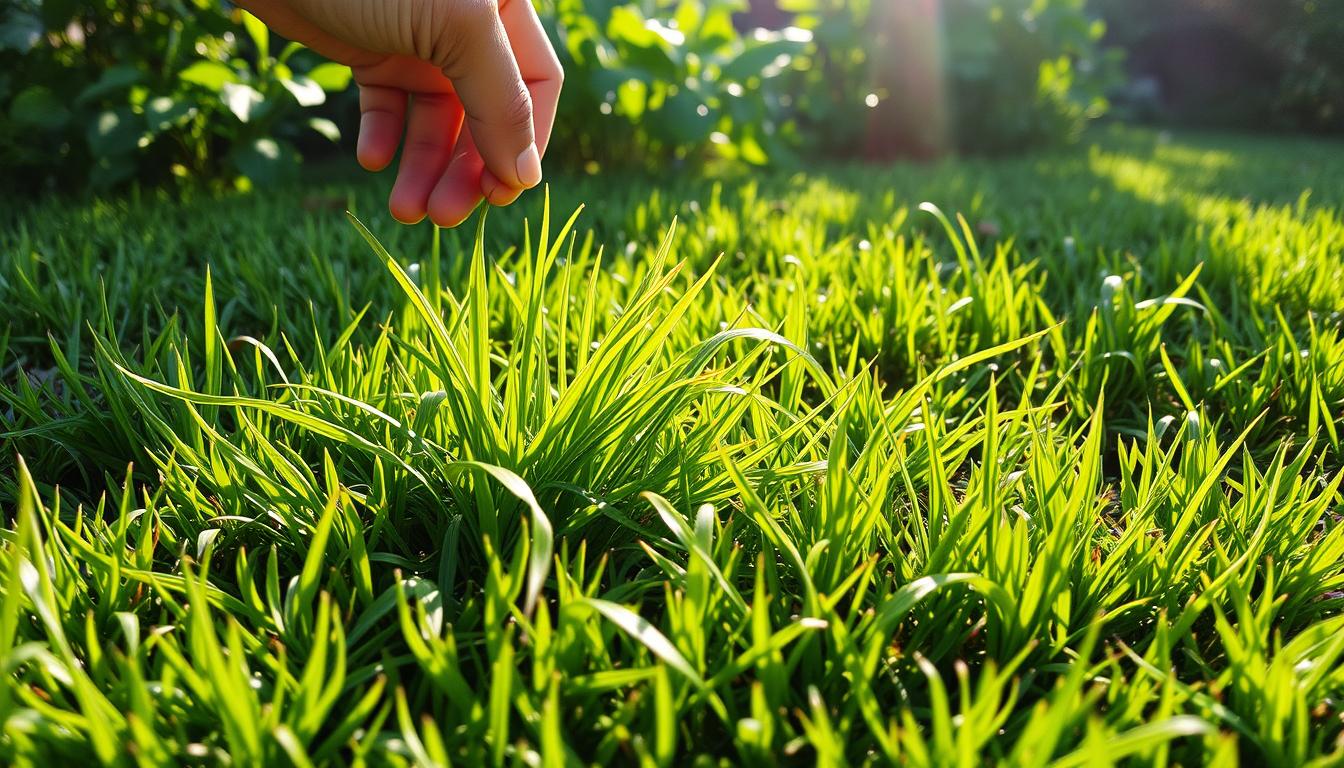
Is a clear, green lawn possible when crabgrass takes hold in hot months? That question trips many home owners into doubt. This guide lays out a realistic season-long plan to reduce and control crabgrass using mostly non-chemical methods.
Set expectations up front: crabgrass thrives in summer, makes thousands of seeds, and dies each fall while leaving a stubborn seed bank. Results arrive over seasons, not overnight.
Early action matters. Pull seedlings at the 2–5 leaf stage, mow high to slow seed heads, and bag clippings if seeds form. For hardscape cracks, targeted boiling water or solarization during peak heat helps clear patches.
We also cover how to strengthen turf for a healthy lawn by aerating and overseeding in late summer, watering deeply in the morning, and avoiding summer nitrogen. For details on regional tactics and deeper background, see this practical control guide.
Key Takeaways
- Expect a multi-season effort; seeds persist in soil.
- Early hand-pulling and high mowing stop seed spread.
- Solarization and boiling water work for small areas.
- Build dense grass cover by overseeding and proper watering.
- Use lower-toxicity spot tools sparingly for tough patches.
Spot, Confirm, and Size Up Crabgrass in Your Lawn This Season
A quick walk through the yard reveals where trouble starts. Spotting young patches early helps set realistic goals for the season. Keep notes and photos to track progress.
Identify seedlings by their bright, light green color and broad, shiny leaves that radiate from a central crown. These look different from the finer grass blades in most lawns.
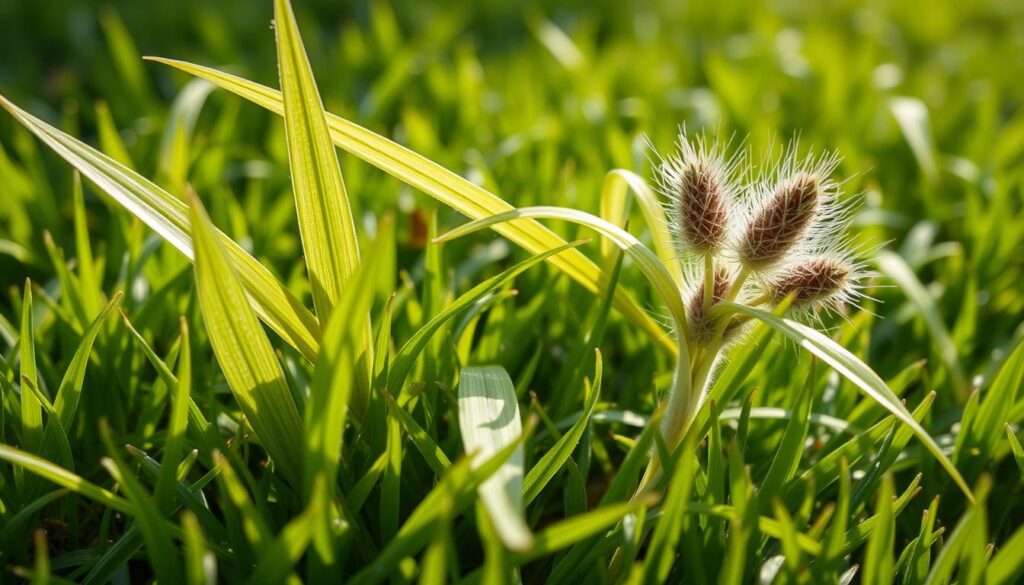
As the plants grow, they spread laterally into mats and develop greenish‑purple seed heads. That stage confirms the weed and signals urgency: mature plants drop thousands of seeds before dying in early fall.
Remember that this annual thrives in hot summer weather and favors bare, compacted soil. Seeds survive for years, so full control takes multiple seasons.
- When to pull: target the 2–5 leaves stage — plants pull easily then.
- Where to check: thin, sunny patches, edges, and hardscape joints are common entry points.
- Track and plan: photograph suspect plants weekly and set seasonal goals to reduce the seed bank.
Can you beat crabgrass without herbicides gardener’s: practical, chemical‑free ways to get rid of it now
Yes — practical steps give fast, low‑chemical results for small to medium trouble spots. Focus on early pulls, smart mowing, and targeted heat or water treatments to cut seed spread this summer.

Hand‑pull small patches
Catch young plants in their first weeks for the easiest removal. Target the 2–5 leaf stage when roots are shallow and pull after a light water to ease extraction.
Mow high and manage clippings
Raise mower height to shade the crown and slow seed head formation. Mulch clippings until seed heads appear; then bag to keep seeds off the lawn and hardscape areas.
Spot treatments: boiling water, solarization, and sprays
Use boiling water in cracks and paver joints for a chemical‑free hit on small patches. Avoid pouring on desirable turf.
For larger infestations, solarize: scalp mow, water deeply, and seal with clear plastic for 4–6 weeks to heat the ground and help kill crabgrass before reseeding.
Household vinegar and many “natural” sprays are non‑selective and will burn lawn grass. If spot‑treating is needed, consider iron‑based (HEDTA) options and follow labels for safe, lower‑toxicity results.
- Hand tools and short sessions in cool parts of summer reduce stress and make removal easier.
- Keep lawn density high and blades sharp — thick, upright grass shades soil and blocks new weeds.
Build a healthy lawn that crowds out crabgrass next spring and summer
Dense turf, right timing, and consistent care reduce seeds germinating and cut future infestations.
A dense, well-tended turf is the single best defense against summer invaders. Core aerate compacted soil and overseed in late summer or early fall to thicken lawn grass.
Aerate and overseed for stronger stands
Open soil with core aeration so new seed meets soil. Overseed thin patches with region‑appropriate grasses to crowd grasses that invade bare spots.
Set mower height to shade the soil
Keep mower height at 2.5–4 inches. Taller blades help the canopy shades soil, cool the root zone, and slow seedling growth.
Water and feed smartly
Water deeply once or twice weekly in the morning to train deep roots and reduce shallow weeds. Skip high‑nitrogen feedings in summer; focus on spring and fall applications for a healthy lawn.
Timing pre‑emergents and seed work
Apply corn gluten meal before key soil temperatures trigger seeds germinating to help prevent crabgrass. Do not use it if planning to overseed— it will block new seedlings.
| Action | When | Benefit | Notes |
|---|---|---|---|
| Core aeration + overseed | Late summer / early fall | Thickens lawn, crowds grasses | Best when weed pressure drops |
| Mower height 2.5–4 in | All season | Shades soil; reduces heat stress | Avoid scalping in summer |
| Deep morning irrigation | Weekly | Encourages deep roots; fewer weeds | 1–2 times per week, adjust for rain |
| Corn gluten meal | Before soil temps trigger seeds | Helps prevent crabgrass | Don’t apply when overseeding |
For detailed seasonal timing and a practical how‑to, see this prevent crabgrass guide.
Conclusion
Layered tactics across the season turn thin patches into thicker, healthier turf. Use early pulls, timely mowing, and targeted heat or solarization to reduce the seed bank and shift the balance toward lawn grass.
Get rid crabgrass by spotting light green seedlings at the 2–5 leaves stage, hand‑pulling small patches, and using solarization where larger areas need work. Use boiling water in hardscape joints and bag clippings when seed heads form to limit spread.
Build long‑term resistance with aeration, overseeding, and deep morning watering so grass shades the soil. Spot treat stubborn plants with lower‑toxicity iron products rather than broad chemicals to protect families and pets. With steady care across spring and summer, this layered plan will help rid crabgrass naturally and restore a healthier lawn.
FAQ
How can I identify crabgrass from seedling to seed head?
Look for light green, low-growing clusters with wide blades at first, then longer, coarser leaves and a spreading habit. As plants mature they form branched seed heads that may show greenish-purple tones. Seedlings often sit flat to the ground and have a single central stem before the characteristic seed head appears.
Why does crabgrass thrive in summer and die in early fall?
Crabgrass is a warm-season annual that germinates when soil warms, grows rapidly in heat and drought, then sets seed and dies as cooler fall weather arrives. Though the plants perish, they leave thousands of viable seeds in the soil that can germinate the next warm season.
How long do crabgrass seeds stay viable in the soil?
Seeds can persist for several years in the seed bank. Expect a multi-year recovery period when rebuilding a healthy lawn; consistent prevention and thickening measures reduce germination over time.
When is the best time to hand-pull crabgrass?
Pull small patches early when plants have two to five leaves and shallow roots. Moisten soil first to ease removal and get the crown and roots. Remove plants before they form seed heads to prevent adding to the seed bank.
Will raising my mower help reduce crabgrass?
Yes. Keeping lawn height between 2.5 and 4 inches shades soil, reduces light for seed germination, and encourages deeper grassroots that crowd out weeds. If seed heads appear, bag clippings to avoid spreading seeds.
Is boiling water an effective treatment for crabgrass?
Boiling water works well for small patches on driveways, patios, and cracks in hardscapes. It kills green tissue on contact but is non-selective, so avoid pouring on desirable lawn grass or nearby plants.
Can solarization kill mature crabgrass and its seeds?
Solarization—covering infested areas with clear plastic during peak summer heat—can heat soil enough to damage mature plants and reduce seed viability. It’s most effective over several weeks and before reseeding.
Are vinegar or other “natural” sprays safe for my lawn?
Household vinegar and horticultural acids are non-selective and can injure turf. They may control exposed weeds but will also harm lawn grass. Use them carefully for spot treatments on hard surfaces or bare soil, not across a lawn.
What lower-toxicity spot treatments exist for stubborn plants?
Iron-based (chelated iron) products can burn broadleaf weeds and some grassy weeds when applied selectively. They offer lower environmental persistence than synthetic herbicides but still risk turf injury and should be used according to label directions.
When should I aerate and overseed to thicken lawn grass?
Late summer to early fall is ideal for aeration and overseeding in many U.S. regions. Cooler nights with warm soil help new seedlings establish before winter. Thick turf in fall crowds out warm-season weeds the following year.
How should I adjust my watering to discourage crabgrass?
Water deeply and infrequently—about one inch per week total—early in the morning. This encourages deep root systems in desirable turf and discourages the shallow rooting habit that favors annual weeds during summer.
Should I fertilize in summer to control crabgrass?
Avoid heavy summer fertilization; it can stress cool-season grasses and favor weed growth. Feed smart with a fall fertilizer plan to support recovery and crowding power. Targeted, season-appropriate nutrition helps keep lawn grass competitive.
Can I use pre-emergents like corn gluten meal when overseeding?
Pre-emergents prevent seed germination, so do not apply them if you plan to overseed. Time any pre-emergent application before soil temperatures trigger weed seeds. Corn gluten meal offers mild pre-emergent activity but is less reliable than labeled products.
How many seasons will it take to reduce crabgrass naturally?
Expect several seasons of consistent cultural care—proper mowing, watering, timely overseeding, and selective spot control—to significantly reduce seed bank pressure. Persistence and thickening your lawn are the most effective long-term strategies.