
Want results you can trust while keeping kids, pets, and local streams safe? This guide shows how a pesticide-free plan protects your family’s health, boosts garden biodiversity, and lowers runoff into waterways. Homeowners often use far more chemicals than farmers, so simple shifts matter.
Think of this as a practical how-to. We focus on soil-first prevention, smart watering, good housekeeping, companion planting, and inviting beneficial insects like ladybugs that eat aphids. The goal is clear: show evidence-backed ways to prevent problems, invite allies, and use targeted, non-toxic fixes only when needed.
Inside you’ll find quick actions and longer-term tactics. Some steps work fast—row covers and insecticidal soap—while others, such as building compost and crop rotation, take more time but give lasting resilience. This American guide fits common yard challenges—aphids, slugs, Japanese beetles, deer—and helps every gardener build balance so the garden needs less intervention each season.
Key Takeaways
- Protect health and waterways by reducing household chemical use.
- Prevent first with soil care, watering, and tidy beds.
- Invite allies like predatory insects to cut infestations.
- Use targeted fixes only when monitoring shows real damage.
- Mix quick and slow methods for fast relief and long-term strength.
- Observe before acting—notes save time and avoid unnecessary treatments.
Why Go Chemical-Free: Health, biodiversity, and a resilient garden
Skipping broad-spectrum sprays reduces risk to your family’s health and keeps pollinators and beneficial insects working for you.This guide shows practical steps to make that shift for U.S. home gardens.
Immediate benefits: You cut exposure to toxic residues that can harm children, pets, and neighbors. You also protect bees, butterflies, and predatory insects that limit outbreaks of damaging bugs.
Longer-term resilience: Diverse plantings and healthier soil make plants tougher. That lowers overall pest pressure and means less visible damage during seasonal spikes.
Environmental payoff: Less runoff means cleaner local streams and safer urban wildlife corridors. Over a season, prevention and targeted actions save time and money versus repeated chemical sprays.

What this means for U.S. home gardeners
- Yield and beauty: Healthier plants recover faster and keep producing flowers and food.
- Practical promise: Simple steps—drip irrigation, mulch, and a few flowering strips—work fast and fit any yard.
- Realistic goal: The aim is not zero bugs but keeping insects below the level that cause noticeable damage.
Homeowners can also learn more about safer choices and community impact at pass on the pesticides. Beneficial insects often rebound within days to weeks after stopping broad sprays, helping your garden find balance the easy way.
Build the Foundation: Healthy soil, prevention, and smart maintenance
Summary: Healthy soil and simple upkeep stop many problems before they start. Follow a soil-first routine, water smartly, and keep beds tidy to help plants stay vigorous and less attractive to pests.
How do you improve soil and planting success?
Start with soil: Top-dress garden beds with 1–2 inches of compost each spring and fall to feed microbes and strengthen roots.
Try no-dig: Avoid deep tilling to protect soil structure and beneficial insects that help crops. Rotate brassicas, nightshades, and cucurbits yearly to reduce soilborne problems.
Mulch choice: Use leaves, straw, or shredded bark to conserve moisture and block weeds that host pests.
When should you water and how?
Water early in the day and use drip lines so leaves dry quickly. This cuts fungal issues and makes the area less inviting for many insects.
What housekeeping matters most?
- Weed and remove debris weekly to remove hiding spots.
- Disinfect pruners and stakes after working on affected plants.
- Buy transplants from reputable nurseries to avoid bringing eggs or grubs into your beds.
Tip: Keep a simple planting log and note watering patterns and any pest sightings to refine your approach. Learn more about building healthier soil for stronger, more resilient plants.
Companion Planting That Works: Plant pairings to repel pests and attract pollinators
Can simple pairings cut damage and boost blooms? Yes. Thoughtful planting uses scent and bloom timing to confuse harmful insects and feed allies. It’s an easy, low-cost way to strengthen any garden.

How do aromatic allies help?
Scent masking works because strong aromas from marigolds, alliums, mint, basil, and rosemary can confuse insect hosts. That reduces interest in nearby plants and cuts visits from common bugs like aphids.
What simple pairings should I try?
- Marigolds near tomatoes, peppers, and potatoes deter aphids and may reduce soil nematodes while drawing pollinators with bright flowers.
- Alliums (onion, garlic, chives) form a low-smelling barrier around brassicas and carrots to repel chewing insects.
- Mint in containers by entry points helps deter beetles and ants; pot it to keep roots from spreading.
- Nectar strips of fennel, dill, cosmos, sunflower, angelica, and yarrow feed beneficial insects all season.
How to lay out a small-space plot?
Alternate short rows of vegetables with strips of flowers and herbs. Edge beds with alliums, dot corners with marigolds, and add a sunny pot of dill or fennel for hovering allies.
Tip: Match companions to local climate and sun exposure, and treat companion planting as one more tool in your overall approach. For more ideas, see companion planting strategies.
Recruit Garden Allies: Beneficial insects that hunt pests
How can helpful insects reduce damage and boost plant health? Attracting and supporting beneficial insects lets nature thin outbreaks so your beds stay productive and less stressed.
Turn small corners of your yard into food-and-shelter zones so beneficial insects prosper. This invites steady hunters that spot and eat common bugs like aphids and caterpillars.
Who should you expect to see and what do they eat?
- Ladybugs and their larvae devour aphids—an adult can eat 50–60 per day.
- Lacewing larvae tackle mites and soft-bodied insect prey.
- Hover-fly larvae hunt aphids, trimming outbreaks quickly.
- Parasitic wasps lay eggs inside caterpillars and stop chewing damage.
| Ally | Common prey | When & how to introduce |
|---|---|---|
| Ladybugs | Aphids, scale | Buy from nurseries; release at dusk near infested plants |
| Lacewings | Thrips, aphids, mites | Purchase eggs or adults; place in cool evening |
| Nematodes | Cutworms, root weevil larvae | Mix sponge in water; apply to moist soil in evening |
Mini insectaries: Plant yarrow, cosmos, dill, fennel, asters, and goldenrod. These flowers supply nectar and pollen so adult hunters stay around to help grow strong plants.
Leave small mulch patches, add an insect hotel, and set shallow water. Avoid broad sprays so predators arrive naturally when eggs and young prey increase.
“A healthy patch of flowers is like an open hiring sign for predators—give them food and shelter and they’ll patrol for you.”
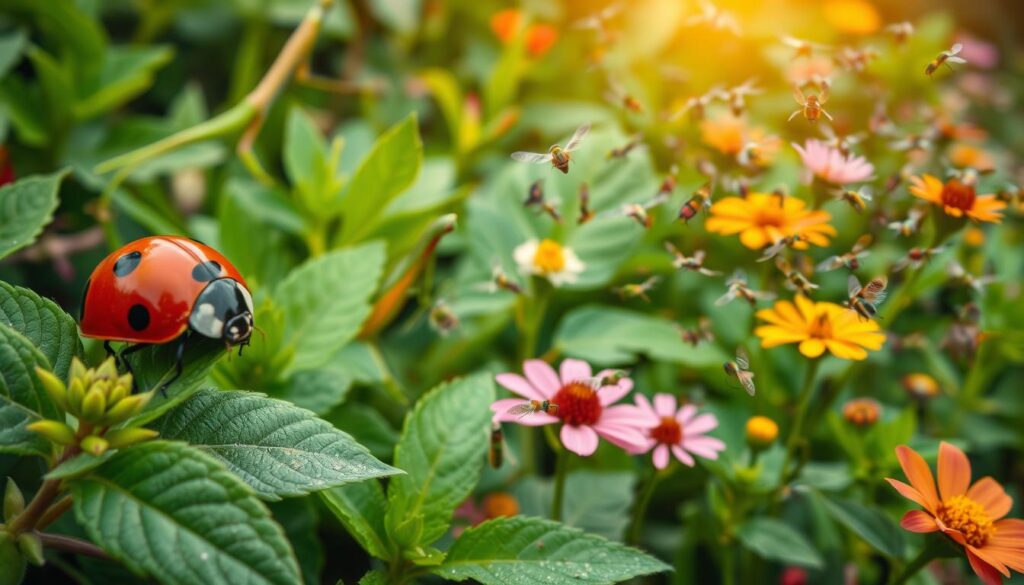
Quick tip: Rinse nematodes from leaves into the soil and keep the bed moist for a week after application. Be patient—these insect allies take a little time to build numbers but often get rid of early-season pests with minimal fuss.
Traps and Barriers: Keep pests out without pesticides
A few well-placed barriers and monitoring traps can cut damage fast and save time later. Use covers and lures early, check often, and adapt placement as the season changes.
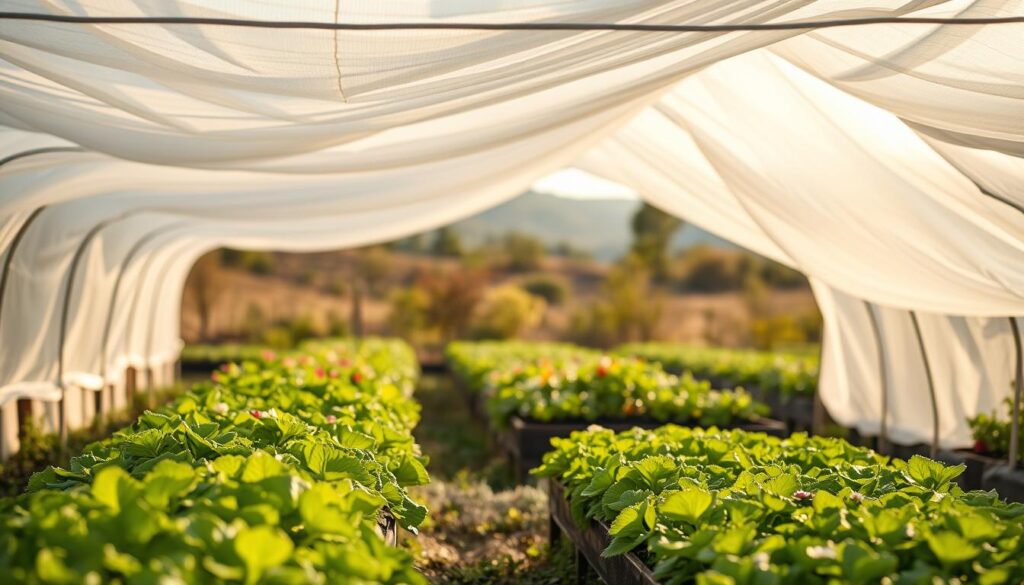
When and how do I use floating row covers and cloches?
Drape floating row covers over a garden bed at planting to block flying insects while letting light and water through. Anchor all edges with boards or stones to stop wind lift.
Use covers for seedlings and crops like carrots, beets, broccoli, chard, and spinach. Remove or open covers when plants flower so pollinators can visit, then replace after fruit set if needed.
Cloches work well for early starts and cold snaps. Vent them on warm days and water regularly so young roots stay evenly moist.
How do barrier paper and traps reduce eggs and insects?
For brassicas, cut 2-inch waxed squares, slit to the center, and fit them around stems at soil level. This blocks cabbage moths from laying eggs at the base.
Note that soil-dwelling pests can still appear under covers; pair barriers with rotation and tidy beds for full-season protection.
Where should I place sticky and pheromone traps?
Set yellow sticky traps low, near susceptible plants, to catch aphids and whiteflies. Check and replace them on a schedule—every 2–4 weeks or when full.
Place pheromone traps at the garden perimeter to monitor and intercept specific pests without drawing them deeper into beds. For apple maggots, hang one sticky red sphere per 100 apples in the tree.
“Set traps where pests travel, deploy barriers before they arrive, and inspect beds weekly.”
- Storage tip: Store row covers away from rodents; sun will break the fabric after a few seasons.
- Simple rule: Deploy barriers early, open for pollination, then reseal if needed to protect fruit or seedlings.
Non-Toxic Sprays and Spot Treatments: DIY mixes for common pests
Want effective sprays that are safe for plants and helpful insects?Use targeted mixes and spot treatments, test first, and reapply after rain to keep outbreaks small and manageable.
What neem, soap, and hot pepper mixes should I use?
Neem recipe: Combine 1–2 teaspoons neem oil + 1 teaspoon mild liquid soap per liter of water. Shake and spray both sides of the leaves to disrupt feeding and reproduction of aphids, mites, whiteflies, and thrips. Reapply after rain.
How to make basic insecticidal soap and garlic/vinegar sprays?
Mix water with a few drops of gentle soap to smother soft-bodied insects. Add cayenne for extra repellency if desired.
For garlic spray, blend 4 cloves with 1 quart of water, strain, and spray on affected areas. Or mix 1 part vinegar to 3 parts water + 1 tsp soap for perimeter spraying to repel bugs.
What targeted powders and fungal fixes work?
Diatomaceous earth: dust around plant bases for slugs and earwigs; reapply after rain.
Baking soda: 2 tbsp per gallon of water for leaf spots. Milk spray: 1:1 milk to water for powdery mildew; apply weekly until improved.
| Treatment | Recipe / Use | Notes |
|---|---|---|
| Neem oil spray | 1–2 tsp neem + 1 tsp soap / 1 L water | Spray both leaf sides; reapply after rain; avoid blossoms |
| Insecticidal soap | Water + a few drops mild soap (+ cayenne opt.) | Good for aphids and mites; patch test first |
| Baking soda / Milk | 2 tbsp/gal baking soda; 1:1 milk:water | Fungal issues; repeat weekly until clear |
| Diatomaceous earth / Milky spore | Dust around bases; apply milky spore granules to turf | DE reapply after rain; milky spore is multi-year for grubs |
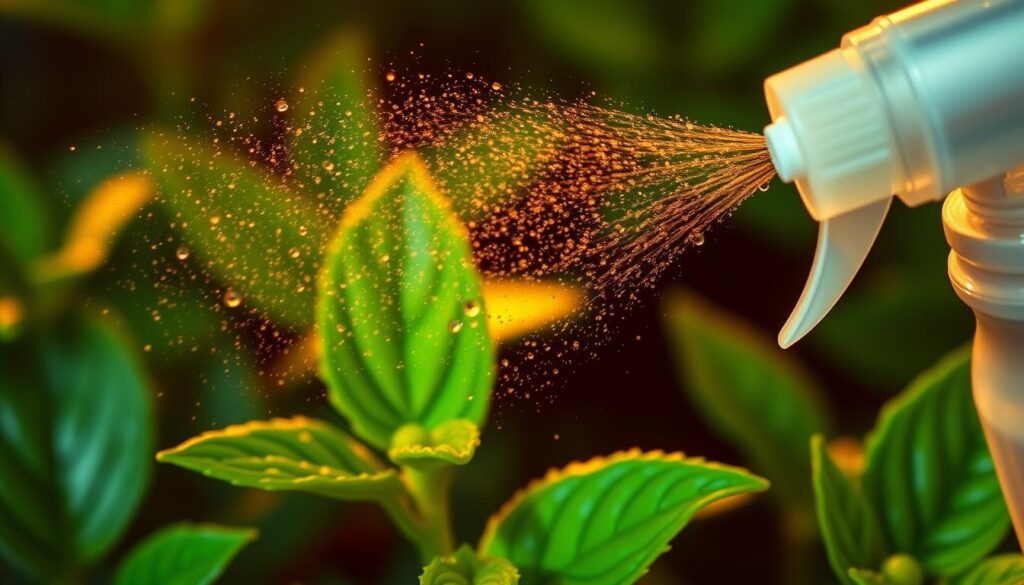
“Patch test a few leaves, treat early or near dusk, and avoid open blooms to protect beneficial insects.”
Minimalism tip: Start with the gentlest spray first. Increase strength only if the first approach does not get rid of the problem.
Lean on Nature’s Predators: From ladybugs to snakes—and deterring larger pests
How can predators reduce problems in one simple, low-effort way? Letting a healthy food chain do the work lowers garden problems over time and cuts the need for repeated spray or heavy interventions.
Permaculture principle: Leave room for predators and they will balance prey. This reduces recurring pests and keeps plants healthier with less effort.
How do I boost habitat so allies arrive?
Keep a few brushy edges and a small water source to invite dragonflies, frogs, and pollinators. Plant nectar strips to feed insects that eat aphids and other bugs.
Avoid clearing every hiding spot. A little wildness at the edges gives hawks, owls, and beetles a place to hunt.
Should I worry about snakes?
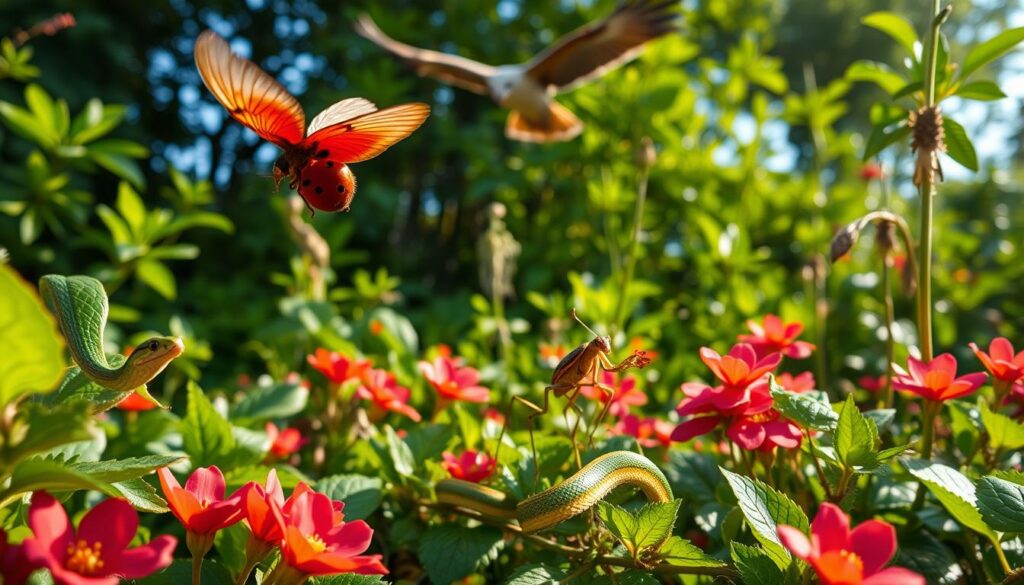
Most U.S. garden snakes are harmless. They help reduce rodents, slugs, and grasshoppers that cause plant damage.
Give snakes cover—logs or rock piles—and they will patrol at night. This is a humane, effective way to cut rodent numbers.
What humane tricks keep larger animals at the edge?
- Rotate an egg-and-water spray or a hot-sauce mix on favorite fruit or ornamentals.
- Hang fragrant soap or human hair to add confusing scents.
- Secure compost with latching lids and remove open food sources.
- For moles: improve drainage, water less often, and use buried wire baskets around roots.
| Predator | What it eats | Quick habitat step |
|---|---|---|
| Dragonflies | Mosquito larvae, flying bugs | Add a small pond or shallow water dish |
| Snakes | Rodents, slugs, grasshoppers | Leave log piles and low cover |
| Owls / Hawks | Rodents | Install a tall perch or nest box |
“A little wild edge is the most effective, low-effort way to reduce pressure across the season.”
Refresh scent deterrents after rain and place them where animals enter, not everywhere. Watch and adapt—observation is the single best tool for lasting success.
How to get started with gardening without pesticides natural pest control hacks
This quick guide gives clear ways to start a season of healthier garden beds with low effort and fast wins. Begin with short daily checks and use simple prevention so plants resist damage and bugs early.
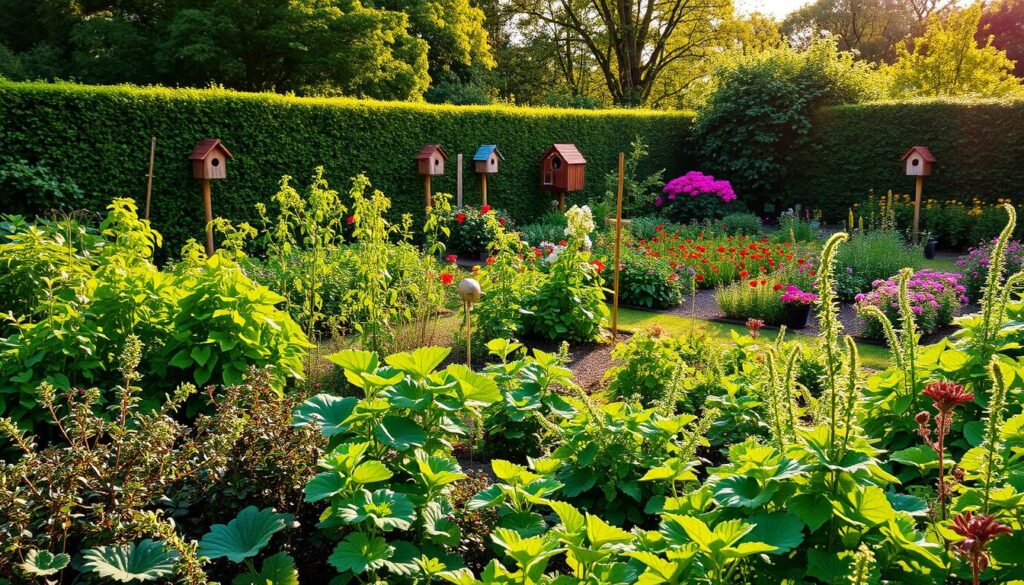
Assess, prevent, protect: a simple week-by-week action plan
Begin with a brief inspection habit that turns small observations into big seasonal gains for your plants.
- Week one: Walk the garden each day for five minutes. Note hotspots, remove weeds and debris, top-dress compost, and shift water to early morning.
- Week two: Repair drip lines, mulch open soil, and plant 2–3 nectar clusters to invite allies.
- Week three: Add row covers over brassicas and carrots, set sticky cards, and disinfect tools after working problem beds.
- Week four: Use targeted fixes only where needed: insecticidal soap on small aphid groups, diatomaceous earth at stems, or neem for mixed soft-bodied pests.
Seasonal tune-ups: rotation, monitoring, and reapplying controls
| Period | Actions | Quick wins |
|---|---|---|
| Monthly | Rotate quick crops, reseed companion herbs | Refresh peppermint oil at edges |
| Spring | Plan crop rotation, test drip lines, top up mulch | Add barrier paper for cabbage |
| Summer / Fall | Monitor twice weekly, remove infested parts, reapply after rain | Open covers for pollination then re-close |
| Winter | Store covers, service tools, map next season | Clear beds and compost healthy residues |
Keep going: Small, consistent steps save time and keep a vegetable garden productive. Track notes, act early, and soon your soil and plants need less emergency work.
Conclusion
Begin with a single action: add compost or plant a small nectar strip in one bed this week. That tiny step starts a chain of benefits for soil, water use, and the insects that help keep aphids and other bugs in check.
Keep the approach simple: healthy soil, tidy beds, smart watering, companion planting, and targeted spot treatments like mild soap or neem make pest control practical and effective for U.S. home gardeners.
Protect allies: avoid spraying open flowers, time treatments for low pollinator hours, and use barriers or pheromone lures around cabbage and fruit when needed. Check leaves weekly and act early.
You can build a thriving vegetable garden and flower borders that feed people and pollinators while cutting chemical use. Start small, observe daily, and celebrate steady gains—every gardener can do this.
FAQ
What are the quickest ways to reduce insect damage in a home vegetable bed?
Start by improving soil with compost and mulch, plant diverse crops, and water in the morning using drip or soaker hoses. Add floating row covers for young seedlings and scout for eggs and caterpillars daily. These steps cut pest pressure and help plants recover faster.
Which beneficial insects should I attract to eat aphids and caterpillars?
Invite ladybugs, lacewings, hoverflies, and parasitic wasps by planting nectar-rich flowers like alyssum, dill, and buckwheat. Provide shallow water sources and avoid broad insecticides so these hunters can thrive and keep populations in check.
How do I use neem oil and insecticidal soap safely?
Patch-test on a single leaf first, spray in the early morning or late evening, and avoid blooms to protect pollinators. Follow label rates for concentration, reapply after rain, and stop use if you spot leaf burn or stressed plants.
Can companion planting actually repel common garden pests?
Yes. Strong-scented plants like marigolds, alliums, and mint can mask crops and deter some insects. Place them near vulnerable plants—such as brassicas and tomatoes—to reduce attacks and draw pollinators simultaneously.
What non-chemical traps work for slugs, beetles, and caterpillars?
Use beer traps or shallow boards for slugs, cutworm collars for seedlings, and pheromone traps for specific moth species. Sticky traps catch leaf miners and whiteflies but place them away from pollinator flight paths.
When should I introduce beneficial nematodes to treat soil pests?
Apply nematodes in moist soil when soil temperatures are warm (above roughly 50°F). Target areas with signs of grubs, root weevils, or cutworm damage and water in after application to move them into the root zone.
How do I manage powdery mildew and fungal spots without harsh products?
Improve air circulation, water at the base early in the day, and remove infected foliage. Use baking soda or milk sprays as spot treatments and rotate susceptible crops to reduce recurring outbreaks.
Are there humane ways to deter deer, rabbits, and moles at garden edges?
Install low fences or plant deer-resistant species like rue and lavender, add motion-activated lights or sprinklers, and use root barriers and habitat modification to reduce tunnel access. For moles, encourage owls and shrews by adding brush piles and nesting boxes.
What maintenance prevents infestations after harvest?
Clean up plant debris, remove infested fruit and leaves, sanitize tools, and add finished compost to beds. Rotate crops and sow cover crops to restore soil biology and break pest life cycles.
How do I protect pollinators while treating a pest outbreak?
Apply treatments in the evening, target only affected plants, and avoid spraying blooms. Choose selective options like insecticidal soap or diatomaceous earth and reintroduce nectar plants to support pollinator recovery.
How often should I scout my yard for early signs of trouble?
Walk beds at least twice weekly during the growing season. Look under leaves, check new growth for eggs or chew marks, and note sticky residue or wilting so you can act before damage spreads.
Can homemade hot pepper or garlic sprays damage my crops?
They can if overused. Strain and dilute properly, do a small patch test, and avoid application during hot midday sun. Use these sprays as targeted deterrents rather than blanket treatments.
What are low-cost ways to set up mini insectary habitat?
Plant a strip of mixed native wildflowers, leave a small log pile, and place shallow water dishes with stones. These simple features attract nectar feeders and predators without extra expense.
How do I decide between row covers and mesh cages for fruiting plants?
Use floating row covers for early protection of seedlings and brassicas; switch to tunnels with wider mesh when pollination is needed for flowering crops. Cages work well to block birds and larger pests while allowing air flow.