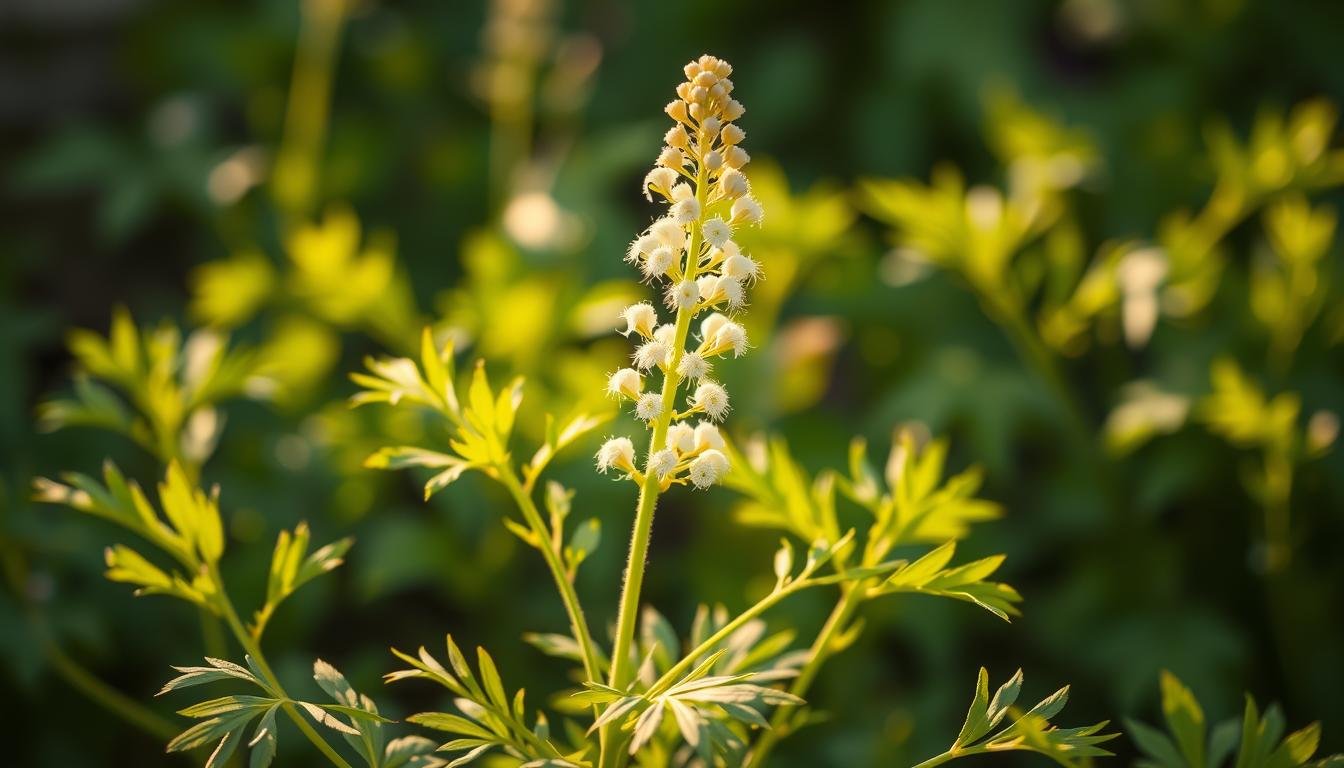
Can you keep fresh, fragrant cilantro in your garden even as days warm toward summer? Many gardeners watch leaves turn bitter when plants sprint to flower. This intro shows why timing, shade, and steady water make a real difference.
Cilantro prefers cool air and shorter days between about 60–75°F. Plant in spring after frost or grow it over winter in warm zones. Longer days and hot, dry soil speed cilantro bolting, so gentle shade and regular moisture help preserve leaf flavor.
Start seeds on a steady schedule and harvest outer leaves often. Succession sowing and a rain gauge for about one inch of water per week keep plants vigorous. Expect some blooms; they add white flowers and future coriander while you keep most plants for fresh leaves.
Key Takeaways
- Time your sowing for cool weather to slow bolting and extend harvests.
- Use morning sun with afternoon shade to reduce heat stress on plants.
- Water consistently—aim for about one inch per week from rain and irrigation.
- Sow in succession so you always have new, tender leaves to harvest.
- Let a few plants flower to enjoy coriander while protecting the rest for leaf use.
Why Cilantro Bolts and How Heat, Sun, and Daylength Trigger It
Warm weather and long days act like a timer, urging plants to bloom sooner. Heat and dry soil push a leafy herb into flowering, and small changes in sun exposure or reflected heat can speed that shift.
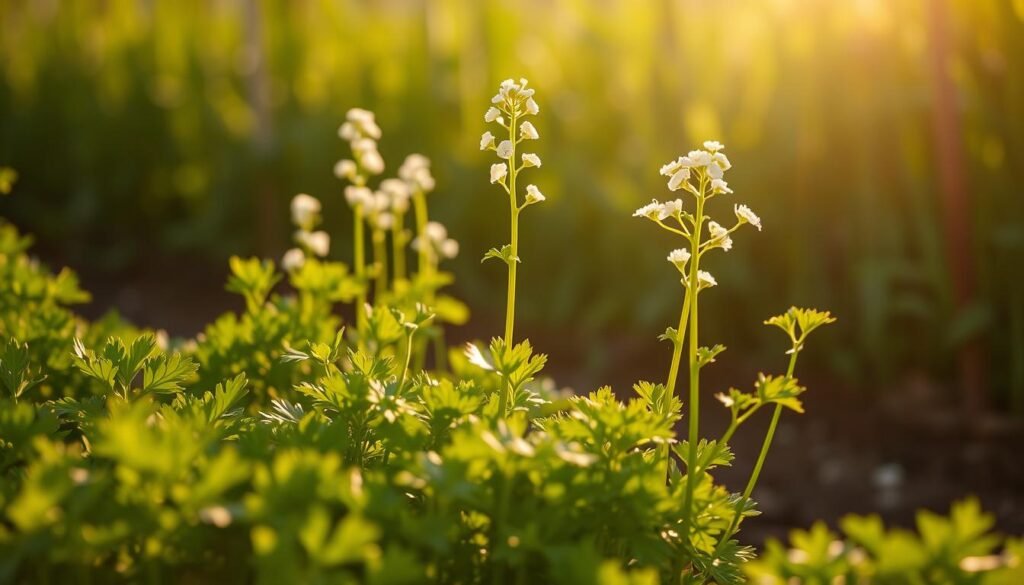
Heat stress and the 60–75°F sweet spot
When daytime temperatures move above the 60–75°F range, the plant shifts energy from leaves to flowers. Hot, dry soil raises root stress and nudges this transition faster.
Tip: Keep soil evenly moist and avoid long midday exposure so leaves stay lush and retain their signature taste.
Longer days toward the summer solstice accelerate flowering
Many herbs are daylength sensitive. As hours of sunlight lengthen toward the summer solstice, biological cues encourage seed production.
In full sun during hot weeks, plants lose moisture quickly. Reflected heat from patios or walls and nearby tomatoes can create hotter microclimates and raise bolting risk.
| Trigger | Visible Sign | Why it matters | Quick remedy |
|---|---|---|---|
| High temperatures | Finer, feathery leaves | Plant shifts to flowering, taste declines | Add afternoon shade, mulch |
| Longer daylight hours | Stalks elongate | Biological push to set seed | Sow in cool season, succession plantings |
| Dry soil | Wilting, brittle leaves | Root stress speeds bolting | Consistent watering, well-drained soil |
The Fail-Proof Method Growing Cilantro That Doesn’t Bolt
Plant early in cool weather to give leaves time to bulk up before heat arrives. Staggered sowing and seed starts help you keep fresh herbs in the kitchen through the season.
Grow in the cool season: spring and fall timing
Plant after the last frost in spring or in fall as temperatures ease. In mild areas, use winter beds to extend leaf production. Choose spots with morning sun and light afternoon shade to reduce heat stress.
Start from seed for stronger, longer-lasting plants
Direct-sown seed roots set quickly and often resist stress better than transplants. Keep seedbeds evenly moist until germination in 7–10 days, then water deeply and regularly.
Use succession sowing every few weeks for continuous leaves
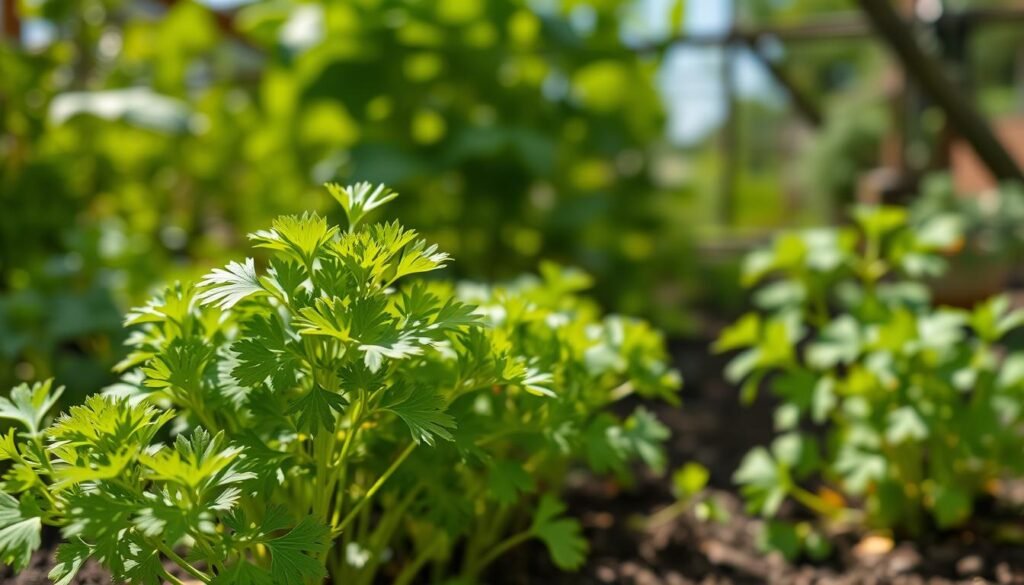
Sow short rows or small patches every two to three weeks. Thin seedlings for airflow and harvest outer leaves so younger plants can fill in. A simple calendar reminder helps you repeat sowing on schedule.
| Timing | Action | Benefit |
|---|---|---|
| Early spring / fall | Direct sow seeds after frost | Stronger plants, slower flowering |
| Every 2–3 weeks | Succession sowing | Continuous fresh leaves |
| Mild winter | Plant through winter | Extended harvest in warm zones |
Best Time to Plant in the United States by Season and Zone
Choose cool windows in the calendar so young herbs establish before heat arrives. Planting at the right season keeps leaves productive and delays flowering.
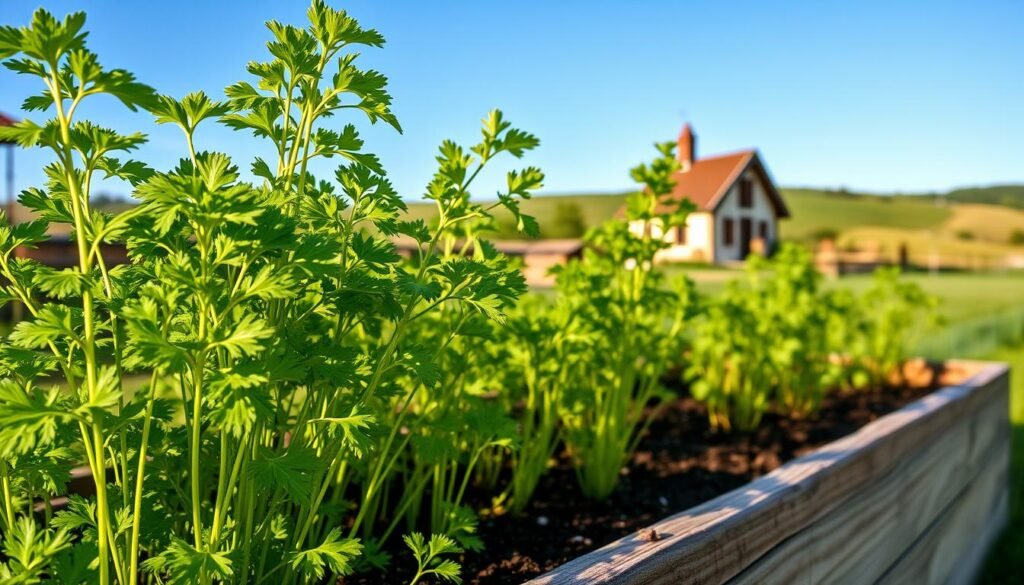
Early spring after frost in most regions
In northern and midwestern areas, sow seeds as soon as your average last frost date passes. Gardeners capture stable, cool weather and ideal temperatures for leaf growth.
Keep beds where plants get bright morning sun and filtered afternoon light. This balance gives strong leaf production without midday scorch.
Fall and winter sowing in warm climates
In the South and coastal warm zones, shift planting to fall or mid-winter. Shorter days and cooler nights let cilantro stay leafy through mild winter weather.
If you plan tomatoes in spring, you may miss the best spring window—so schedule a new fall wave. Stagger small sowings to adapt to local microclimates and unexpected weather swings.
- Use frost-date tools and a soil thermometer to time your first sowing.
- In mountain or high-desert gardens, tuck beds where nights stay a bit cooler and wind is light.
Site and Soil Prep: Cool Roots, Consistent Moisture
Choose a bed where roots stay cool and the sun greets plants in the morning but eases off by afternoon. Good soil and a sensible site keep leaves tender through warm spells and give the garden steady, predictable conditions.
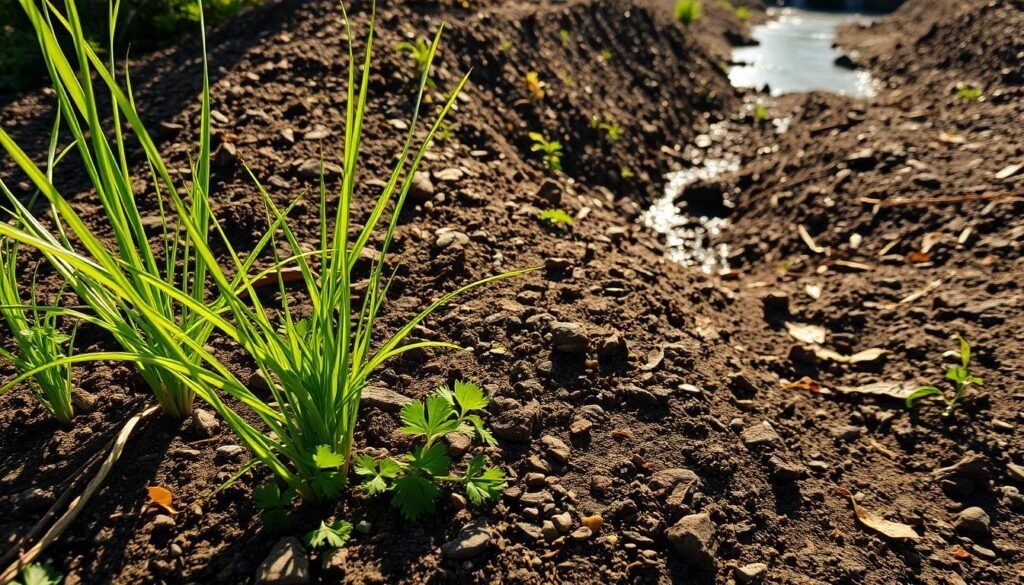
Morning sun, softer afternoons for healthier plants
Pick spots that get bright morning sun and gentle afternoon shade. In hot weather, this balance reduces stress and helps leaves stay broad and flavorful.
Prepare beds for moisture control
Add organic matter to improve soil structure and hold water without waterlogging. Mulch lightly to moderate temperature and slow evaporation.
- Clay: feel the top inch before watering; clay holds moisture longer.
- Sandy: mix in compost and water more often to prevent drought stress.
- Keep airflow with sensible spacing and avoid planting directly under tall tomatoes that create deep shade.
“Cool roots and steady moisture keep leaf production steady through the season.”
| Site | Soil tip | Benefit |
|---|---|---|
| Morning sun, afternoon shade | Light mulch, organic matter | Cool roots, tender leaves |
| Sandy beds | Added compost, more frequent water | Prevent drought stress |
| Clay beds | Check top inch, avoid overwatering | Stable moisture, less frequent irrigation |
Add a mild starter fertilizer only if a soil test suggests it. For practical planting tips and timing, learn more about cilantro.
Watering Cilantro the Right Way to Prevent Bolting
How and when you water changes root health and the pace of plant development through the season. Consistent moisture gives plants the steady signal to keep making leaves instead of racing to flower.
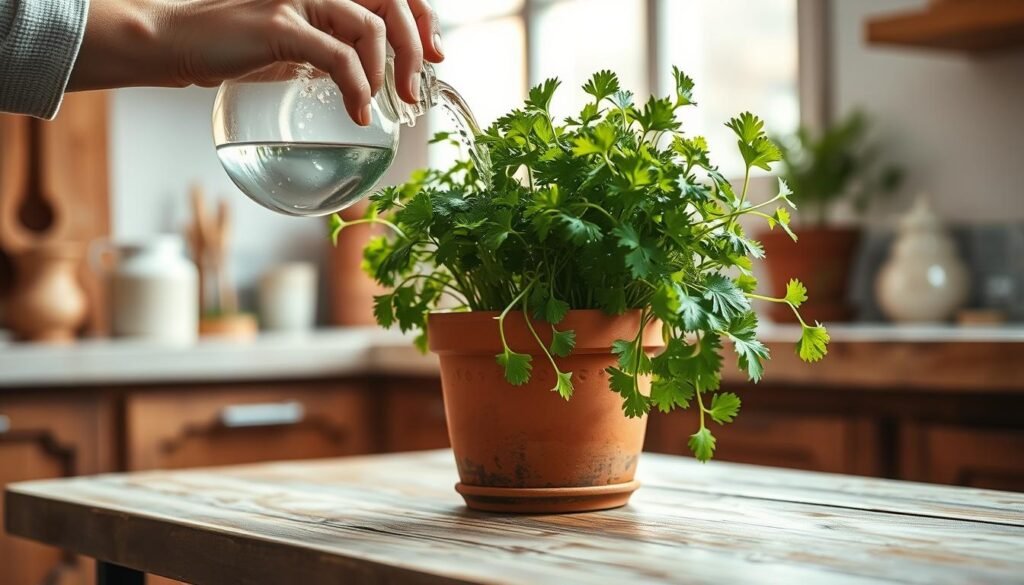
Seed vs plant needs: Keep seedbeds evenly moist for 7–10 days until germination. Drying delays sprouting and weakens early growth, so mist or light water several times a day if the surface dries.
Use one inch per week as a baseline and adjust
Aim for about one inch of water per week from rain plus irrigation. Then tune for your soil, weather, and temperatures.
Clay holds moisture—water deeply but less often. Sandy soil drains fast—water smaller amounts more frequently.
Measure rainfall and schedule by data
Use a rain gauge so you irrigate on facts, not guesswork. Track weekly totals to fine-tune how many hours your irrigation runs or how often you hand-water.
Desert and hot-summer strategies
In arid summer heat, water in cool morning hours and consider a light check later if wind or high sun dries soil fast. Drip lines or soaker hoses keep the root zone cool and steady.
- Avoid letting containers dry out—raised beds lose moisture faster in full sun.
- Watch leaves for midday droop; if they recover by evening your schedule is likely okay.
- Reduce late-evening overhead watering in humid weather to lower disease risk.
Practical tip: For step-by-step guidance on amount and timing, see watering cilantro.
Sowing and Spacing: From Cilantro Seeds to Healthy Plants
Sow shallow and steady to help seedlings establish quickly and evenly. Good spacing and staggered plantings keep air moving and provide a steady supply of fresh leaves.
Sow seeds about 1/4 inch deep in loose, moist soil so seedlings emerge in 7–10 days. Keep the seed zone evenly damp until roots form, then switch to deeper, less frequent waterings to encourage strong roots.
How deep to sow, when to thin, and why airflow matters
Direct sowing encourages robust root systems. Space rows or small clusters so air circulates and heat does not build around stems. Thin to the healthiest seedlings and remove extras or carefully transplant them while roots are small.
Choose beds with bright morning light and dappled afternoon shade instead of full sun in hot weeks. Light mulch after seedlings set helps keep shallow roots cool and soil steady.
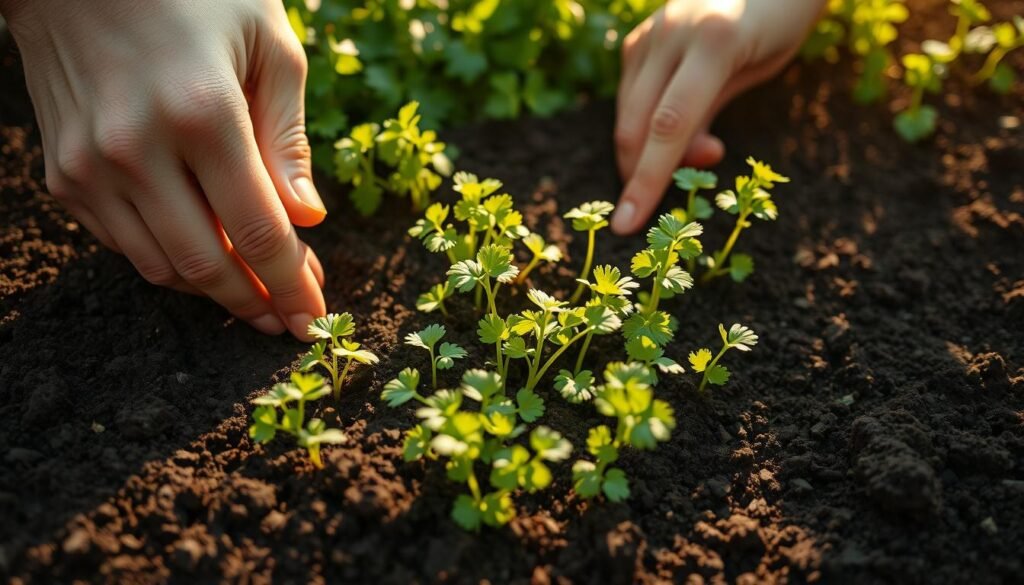
Staggered plantings: schedule for a steady kitchen supply
Planting small batches every two to three weeks keeps plants at varied stages so you always have tender leaves. Mark sowing dates on garden tags to know which rows to thin or harvest first.
Track what spacing and timing worked in your garden; small notes make next season easier and more reliable.
| Action | Spacing | Benefit |
|---|---|---|
| Direct sow | 1/4 inch deep | Uniform, quick emergence |
| Thin seedlings | 2–4 inches apart | Better airflow, less heat stress |
| Succession sow | Every 2–3 weeks | Continuous harvest |
Shade and Temperature Tactics for Summer Weather
Protecting young herbs from intense midday light helps maintain steady leaf growth through hot weeks. Simple shading and a cool mulch layer keep soil and plants calmer when summer heat spikes.
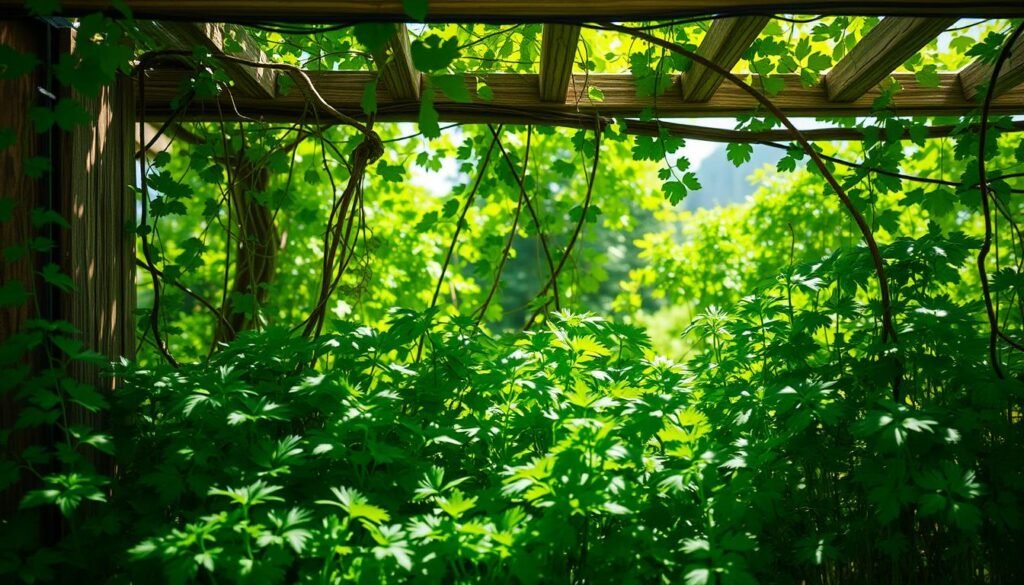
Row covers and shade cloth for midday protection
Drape lightweight row cover or 30–40% shade cloth to cut midday intensity without starving plants of light. Set temporary hoops so covers sit above the canopy and allow airflow.
Choose breathable fabric so foliage dries quickly after rain. Increase monitoring during heat waves and shift covers on and off to match the hottest window.
Mulch to moderate soil temperatures and retain moisture
Apply a 1–2 inch mulch layer once plants are established. Mulch keeps soil cooler and reduces how often you water.
Place beds away from radiant surfaces like masonry or metal fencing that spike temperatures. If near tomatoes, keep spacing to allow bright mornings but limit dense afternoon shade.
- Aim for bright mornings and buffered afternoons to support steady growth in challenging weather conditions.
- Combine shade with consistent moisture; both together lower stress more than either alone.
- Remove covers during cool spells to encourage sturdy plant form and prevent legginess.
| Tool | Use | Benefit |
|---|---|---|
| 30–40% shade cloth | Draped midday over hoops | Reduces heat without heavy light loss |
| Light row cover (breathable) | Temporary protection during heat waves | Blocks intensity, allows airflow and drying |
| Mulch (1–2 in.) | Apply around plants after establishment | Stabilizes soil temperatures, saves water |
“Buffering plants from the hottest hours keeps leaves productive and the garden more resilient.”
Harvest Cilantro Without Killing the Plant
A light, regular harvest helps plants recover and gives you steady leaves for recipes. Clip outer foliage first and use a cut-and-come-again approach so your garden keeps supplying fresh herbs for weeks.
Clip outer leaves first; leave at least an inch to regrow
Start small: snip outer leaves with clean scissors so the plant keeps its core growth intact.
Leave about an inch of stem near the crown. That reserve powers regrowth and keeps plants healthy.
Cut-and-come-again technique for weekly kitchen harvests
As beds fill out, shear a section instead of stripping every stem. Rotate where you cut each week to spread harvest pressure across the garden.
Pick in the cool morning when leaves are turgid and taste is best. Rinse and pat dry before heading to the kitchen.
- Use sharp, sanitized shears for clean cuts and lower disease risk.
- Keep watering steady after harvest so plants rebound quickly.
- Store leaves loosely wrapped in a damp towel in the fridge to preserve flavor and texture.
If older plants shift flavor, focus harvests on newer succession rows. For more herb ideas and timing tips, see discover the best garden herbs.
What to Do When You See White Flowers: From Cilantro to Coriander Seeds
The appearance of white flowers signals seed development and a useful harvest ahead. Within about a month each umbel often sets round coriander seeds you can save and plant next season.
Let some plants bloom and keep others in leaf
Designate a few plants to finish their life cycle for seeds while you harvest leaf from succession rows. This keeps your garden productive and gives a steady supply of both fresh herb and spice.
Collecting and replanting your own coriander seeds
Allow seedheads to dry on the plant until brown and papery. Clip the umbels and finish drying in a breathable bag for a week, then rub to release coriander seeds.
Label saved seeds with date and bed location. Store in a cool, dry jar and sow cilantro seeds in the next cool season.
“White flowers are not a loss— they are a chance to collect coriander and extend your pantry.”
| Action | Timing | Benefit |
|---|---|---|
| Let a few plants bloom | When umbels form | Home-saved coriander seeds, pollinator visits |
| Dry and collect seedheads | 1–3 weeks after browning | Clean, viable coriander seeds for future sowing |
| Label and rotate seed spots | At harvest | Reduced disease risk, healthier stands next season |
For more herb planning and herb garden ideas, stagger flowering and keep seed plants clear of tomatoes or tall neighbors so seedheads dry fully.
Container and Small-Space Strategies for Herb Gardens
Containers can make an herb garden feel effortless if you pick the right pot, mix, and spot. With simple adjustments—depth, drainage, and morning sun—you can keep plants productive on balconies or patios.
Pot size, soil mix, and watering basics
Choose a pot 8–10 inches deep so roots stay cooler and moisture lasts longer between waterings. Use a high-quality, well-draining potting mix and skip heavy garden soil that compacts.
Place containers where they get bright morning sun and softer afternoon light to reduce heat stress. In windy or hot spots, expect faster drying and check moisture daily during warm weeks.
Sowing schedule and maintenance for steady harvests
Sow a few seeds per pot every two to three weeks for succession planting. Thin to the strongest seedlings so air circulates and plants avoid crowding, which raises temperature and speeds unwanted flowering.
Lift pots off hot stone or concrete using stands or feet; this cuts heat transfer to roots. Refresh the top 2–3 inches of mix and add compost between successions to keep nutrients steady.
Small, frequent harvests keep container herbs vigorous—keep snips handy and cut often.
| Need | Action | Benefit |
|---|---|---|
| Depth | 8–10 inches | Cooler roots, longer moisture retention |
| Soil | Well-draining potting mix | Prevents compaction and root stress |
| Light | Bright morning sun, dappled afternoon | Healthy leaf growth without midday scorch |
| Watering | Check daily in heat; water several times per week | Prevents drying and stress in containers |
Combine cilantro with compact herbs rather than tall, sprawling plants so each pot gets fair sun and airflow. For a full how-to on potted herb setups, see this helpful resource on a best potted herb garden.
Smart Companion Choices and Garden Layout
Map your plot with morning light in mind and place low-growing vegetables beside delicate herbs. Good companions and thoughtful orientation help keep cilantro leaves cool and productive through the season.
Low neighbors and smart tomato placement
Pair cilantro with beets, carrots, lettuces, and onions. These low, compact neighbors give light without crowding roots.
Keep tall tomatoes to the north or on the far side of beds. That prevents them from blocking morning sun or trapping heat on the south side.
Plan, rotate, and protect
Gardeners benefit from a simple bed map that tracks last season’s crops. Rotate cilantro out of the same spot each cool season to cut disease risk.
If conditions get hotter, add temporary shade cloth over cilantro without shading full sun-loving companions. Leave paths open to keep air moving around plants.
| Companion | Placement | Benefit |
|---|---|---|
| Beets, carrots, lettuces, onions | Beside cilantro | Low competition, steady light |
| Tomatoes | North side or far edge | Avoid morning shade, reduce trapped heat |
| Flowering herbs | Nearby but spaced | Attract beneficial insects, preserve airflow |
“Walk beds at midday; move any plant casting long shadows before harvest time.”
Conclusion
Wrap up: You now have a simple, repeatable system—time your sowing for cool windows, give plants morning sun with softer afternoons, keep soil evenly moist, and resow on a schedule for the longest possible harvests.
Small shifts add up. Move beds a bit from harsh afternoon heat, water earlier in the day, and use light shade or containers as needed. Harvest outer leaves and use a cut-and-come-again rhythm so your kitchen always has fresh flavor.
If some plants show white flowers, save coriander seeds as a spice and let your next sowing carry leaf production forward. For ideas on shade and site choices, see this handy herb shade guide.