
Are you tired of the endless cycle of watering, mowing, and fertilizing your grass lawn, only to watch it turn brown and crispy during the peak of summer? Do you look at your yard and wish there was a greener, simpler, more eco-friendly way? If you’re nodding along, you’re not alone. Here at The Garden Haven, we believe that a beautiful yard shouldn’t be a constant chore. That’s why we’re so excited to talk about a solution that’s gaining incredible momentum: the clover lawn.
Imagine a lush, green carpet underfoot that stays vibrant with a fraction of the water, fertilizes itself, and is buzzing with the gentle hum of happy bees. This isn’t a fantasy; it’s the reality of a clover lawn. Forget what you might have heard about clover being a “weed.” It’s time to reintroduce you to this amazing plant and show you how it can completely transform your yard, save you time and money, and benefit the planet. You can absolutely do this, and we’re here to guide you every step of the way.
What Exactly is a Clover Lawn?
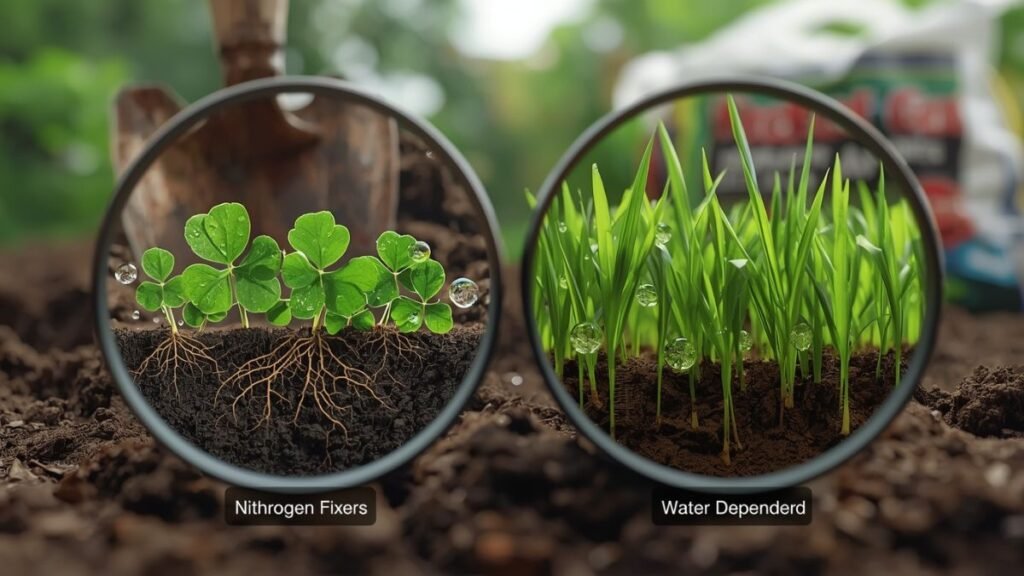
At its heart, a clover lawn is a lawn that uses clover, either by itself or mixed with grass, as the primary ground cover. For decades, clover was actually a standard component in grass seed mixes. It was only after World War II, with the rise of broadleaf herbicides designed to kill weeds in agricultural fields, that clover was unintentionally rebranded as an undesirable plant in suburban lawns.
But what a mistake that was! Clover, particularly varieties like Dutch White Clover (Trifolium repens) and the increasingly popular Microclover, is a resilient, low-growing perennial. It creates a dense, soft, and springy mat of green foliage dotted with delicate white or pink flowers. Unlike grass, which has a shallow root system and a constant need for nutrients, clover is a legume. This means it has a secret superpower: nitrogen fixation.
What is Nitrogen Fixation? Clover has a symbiotic relationship with beneficial bacteria in its roots. These bacteria pull nitrogen from the air—which is unusable by most plants—and convert it into a form that the clover (and any surrounding grass) can use as a natural fertilizer. It literally creates its own food!
This single ability is a game-changer, making clover one of the most sustainable landscaping choices you can make.
The Overwhelming Benefits: Why Make the Switch?
Making the change from a monoculture grass lawn to a clover-dominant yard is more than just an aesthetic choice. It’s a practical, economical, and ecological upgrade. Let’s break down the incredible advantages.
1. It’s a Drought-Tolerant Powerhouse Have you ever watched your water bill skyrocket during a mid-summer heatwave? Traditional grass lawns are notoriously thirsty. Clover, with its deep root system, is far more resilient. It stays green and lush long after grass has given up and turned brown. While it’s not invincible, it requires significantly less water to look its best, making it an ideal low-maintenance lawn for water-wise gardeners.
2. Say Goodbye to Fertilizer (and Save Money!) Thanks to its nitrogen-fixing ability, clover doesn’t need synthetic fertilizers. In fact, it will share that nitrogen with any grass you have mixed in, making your entire lawn healthier and more self-sufficient. This saves you money and, more importantly, prevents the chemical runoff from fertilizers that can pollute local waterways.
3. Less Mowing, More Living Clover has a lower, more uniform growth habit than most turfgrasses. It typically only grows to be 4-8 inches tall and then stops. This means you can dramatically reduce your mowing schedule. Many clover lawn owners mow as little as once or twice a month, or even less if they prefer a more natural, flowering look. That’s more time for you to actually enjoy your yard.
4. It’s a Haven for Pollinators This is one of the most beautiful benefits. The small flowers on a clover lawn are a crucial food source for honeybees, bumblebees, and other beneficial pollinators. A report from the University of Minnesota Extension notes that creating pollinator-friendly habitat is vital for our food systems, and a clover lawn is one of the easiest ways to contribute. By letting your lawn bloom, you’re creating a bee-friendly yard that supports a healthy ecosystem.
5. It Naturally Outcompetes Weeds Because clover grows in a dense, mat-like fashion, it effectively smothers and crowds out many common lawn weeds. Its vigor means you’ll spend far less time on your knees pulling dandelions and crabgrass.
6. It Feels Amazing Underfoot There’s nothing quite like the cool, soft, springy feel of a clover lawn. It’s a wonderful surface for kids to play on and for you to walk on barefoot.
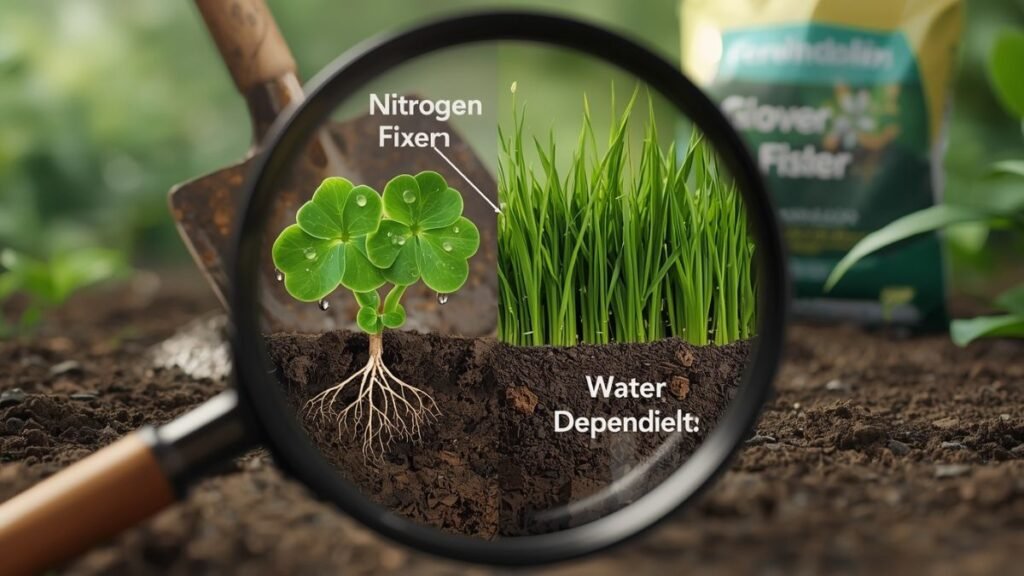
Clover vs. Traditional Grass: A Side-by-Side Look
| Feature | Clover Lawn | Traditional Grass Lawn |
|---|---|---|
| Water Needs | Low; highly drought-tolerant. | High; requires frequent watering. |
| Fertilizing | None required; self-fertilizing. | Needs regular fertilizing (2-4 times/year). |
| Mowing | Infrequent (2-4 times a season). | Frequent (weekly in growing season). |
| Durability | Good, but can be less durable in very high-traffic areas. | Varies by grass type; some are very durable. |
| Cost | Low initial seed cost, very low upkeep. | High seed/sod cost, ongoing upkeep costs. |
| Pollinator Support | Excellent; provides vital food source. | Very poor; offers no food for pollinators. |
| Soil Health | Improves soil by adding nitrogen. | Depletes soil of nutrients over time. |
Potential Downsides and How to Manage Them
While we’re huge fans, we also believe in being realistic. A clover lawn isn’t perfect for every single situation. But the good news is that most of its challenges are easily managed.
- Durability Concerns: While resilient, clover isn’t as tough as some sports-turf grasses. For very high-traffic areas, like a soccer pitch for the kids, mixing clover with a durable grass variety is the perfect solution. The clover will feed the grass, and the grass will handle the wear and tear.
- It Can Stain Clothing: Clover can stain clothing more easily than grass. This is something to keep in mind if you have kids who love to roughhouse in the yard.
- It’s a Short-Lived Perennial: Individual clover plants typically live for 2-3 years. However, they are aggressive self-seeders, so a healthy lawn will naturally replenish itself. You may want to overseed every few years to keep it thick and lush.
- Attracting Bees: For many, this is a huge plus! But if you have children who are allergic to bee stings, it’s a valid concern. The solution is simple: mow the lawn before the flowers become abundant, which will remove the blooms and discourage the bees from visiting that area.
How to Plant a Brand-New Clover Lawn (Step-by-Step)
Starting a clover lawn from scratch is incredibly rewarding and easier than you think. The best times to plant are in the spring (after the last frost) or early fall.

- Prepare the Area: Clear the desired area of all existing grass and weeds. For a small patch, you can do this by hand. For larger areas, you might consider solarizing the plot by covering it with a dark tarp for 6-8 weeks to kill everything underneath without chemicals.
- Rake the Soil: Loosen the top 1-2 inches of soil with a rake. You don’t need to till deeply; you’re just creating a nice, crumbly seedbed for the clover seeds to settle into.
- Spread the Seed: Broadcast the clover seed evenly across the prepared soil. The recommended rate is typically about 2-4 ounces of seed per 1,000 square feet. A hand-cranked seed spreader can help ensure even coverage.
- Inoculate (If Necessary): Clover seed often comes pre-inoculated with the beneficial bacteria it needs. If your seed is not, it’s crucial to buy a packet of inoculant and mix it with the seed before spreading. This ensures nitrogen fixation can happen.
- Rake Lightly & Compress: Gently rake the area one more time to ensure the seeds make good contact with the soil. You can then walk over the area or use a lawn roller to press the seeds down firmly.
- Water Gently: Water the area daily with a light spray for the first 1-2 weeks, keeping the soil consistently moist until the seedlings are established. Once they’re growing well, you can scale back watering significantly.
How to Transition an Existing Grass Lawn to Clover
You don’t have to start from scratch! Overseeding an existing grass lawn with clover is a fantastic, gradual approach.
- Mow Low: Cut your existing grass very short and bag the clippings. This allows sunlight to reach the soil.
- Dethatch & Aerate: Rake the lawn vigorously to remove any thatch (dead grass buildup). If your soil is compacted, this is a great time to aerate it.
- Broadcast the Seed: Spread your chosen clover seed over the entire lawn. For overseeding, a higher rate of 4-6 ounces per 1,000 square feet is often recommended.
- Water In: Water the lawn well, and continue to keep it moist for the first couple of weeks. The clover will start to germinate and grow in among your grass blades.
I was skeptical at first, but after converting a patch of my own yard using this overseeding method, I saw the benefits firsthand. Within a single season, the clover filled in patchy areas, the entire lawn looked greener, and I didn’t have to use a single drop of fertilizer.
Choosing the Right Clover for Your Yard
While there are many types of clover, two are standouts for lawns:
- Dutch White Clover (Trifolium repens): This is the classic, workhorse clover. It’s hardy, widely available, and great for mixing with grass. It grows 4-8 inches tall and produces the iconic white flowers that bees love.
- Microclover (Trifolium repens ‘Pipolina’ or ‘Pirouette’): This is a cultivated variety of Dutch White that has been bred to have smaller leaves and a lower growth habit. It produces far fewer flowers, making it a good choice for those who want a more uniform, lawn-like appearance or are concerned about bees. It blends seamlessly with turfgrass.
Key Takeaways: Your Clover Lawn Cheat Sheet
- Clover is a game-changer: It saves water, eliminates the need for fertilizer, and requires far less mowing.
- It’s great for the planet: Clover improves soil health and provides a vital food source for struggling pollinator populations.
- Starting is easy: You can either start a new lawn from scratch or gradually transition your existing grass by overseeding.
- Choose your clover: Dutch White is the classic choice, while Microclover offers a more manicured look with fewer flowers.
- Manage the downsides: Mix with grass for high-traffic areas and mow before flowering if bees are a concern.
Conclusion: Embrace the Green Revolution in Your Own Backyard
Moving away from the resource-intensive model of a perfect grass lawn is one of the most impactful things you can do as a home gardener. A clover lawn isn’t about letting your yard “go wild”; it’s about making a conscious choice for a more sustainable, beautiful, and life-filled landscape. It’s about spending less time working on your yard and more time enjoying it.
So, are you ready to say goodbye to the endless chores and hello to a lush, green, and resilient lawn? We hope you’ll give clover a chance. You—and the bees—will be so glad you did.
Frequently Asked Questions (FAQ)
1. Is a clover lawn good for dogs? Yes, for the most part. Clover is safe for dogs to ingest and is soft on their paws. It also doesn’t get the brown “urine spots” that grass does. However, it’s less durable than tough grasses, so if you have very active, large dogs, a 50/50 mix of clover and a hardy grass like fescue is a great compromise.
2. Will clover take over my garden beds? Clover spreads via stolons (above-ground runners) but is generally not as aggressive as invasive weeds. A solid border or edging around your garden beds is usually sufficient to keep it contained. If it does creep in, it’s shallow-rooted and very easy to pull out by hand.
3. Does clover stay green in the winter? In mild climates (USDA Zones 7 and up), clover can stay green all year round. In colder climates with harsh winters, it will go dormant and turn brown after the first hard frost, but it will green up again quickly in the spring, often before your grass does.
4. Can I get rid of clover if I change my mind? Yes. While clover is resilient, it is susceptible to most broadleaf herbicides. However, we encourage you to try living with it for a full season before making a decision!
Sources
- University of Minnesota Extension – “Planting and maintaining a bee lawn”
- PennState Extension – “Clover in Lawns”
- University of Maryland Extension – “Lawn Alternatives”
- USDA Natural Resources Conservation Service – “Dutch White Clover Plant Guide”