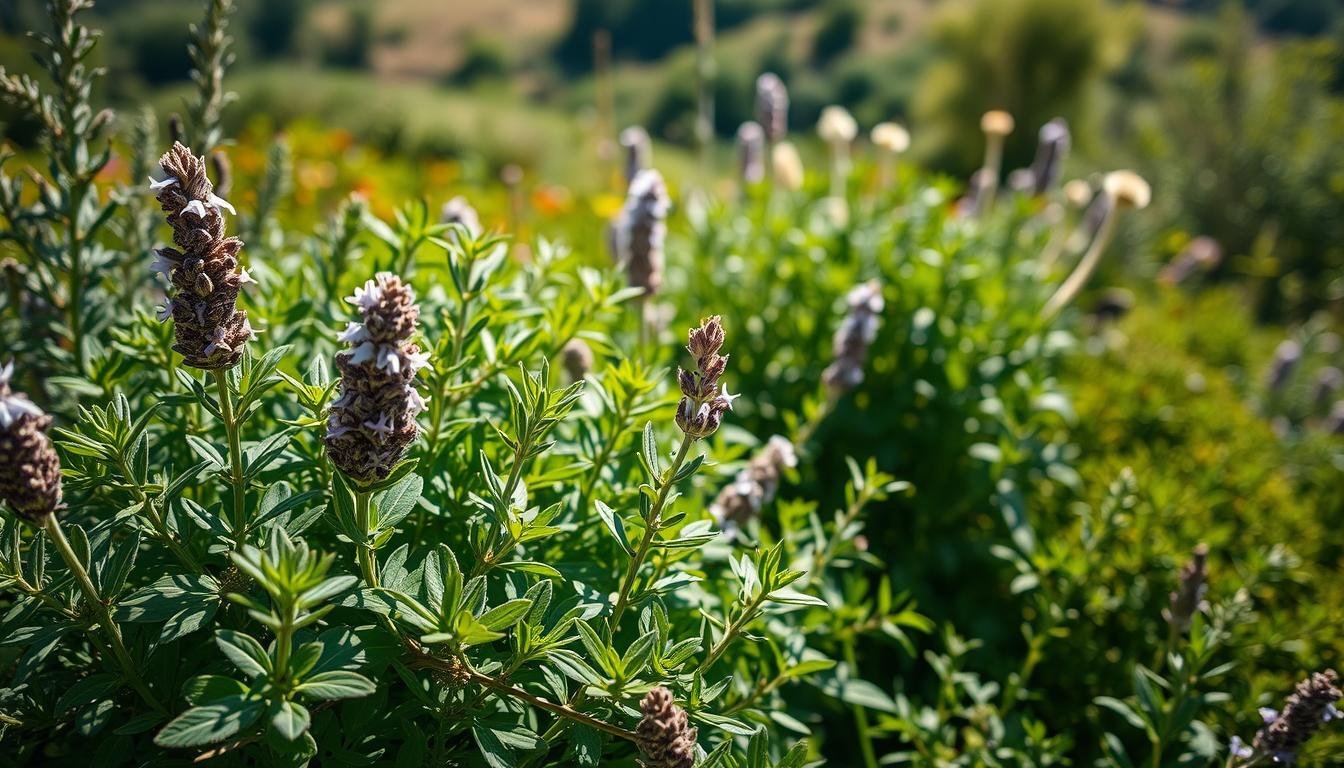
Basil, parsley, cilantro, mint, rosemary, thyme, sage, dill, oregano, and catnip are generally safe for cats and dogs in small amounts. The real danger comes from alliums — garlic, onions, chives, and leeks — which are toxic and should never be shared with pets. Even safe herbs should be treated as an occasional garnish, not a regular part of your pet’s diet, and concentrated forms like essential oils are dangerous around animals.
Key takeaways
- Ten common kitchen herbs — basil, parsley, cilantro, mint, rosemary, thyme, sage, dill, oregano, and catnip — are generally safe for pets in small, occasional portions.
- Garlic, onions, chives, and leeks belong to the allium family and are toxic to cats and dogs.
- Concentrated essential oils made from herbs can be dangerous even in tiny amounts, especially for cats.
- Fresh leaves added at the end of cooking give the safest and brightest flavor, while dried herbs are more concentrated and should be used sparingly near pets.
- Growing herbs in containers with drainage makes it easier to keep spreading plants like mint under control and away from heavy pet-traffic paths.
Helpful garden products at a glance
These are the main products mentioned in this article for readers who want a quick summary before going deeper. Each one supports a specific part of setting up a pet-safe kitchen herb garden.
Best for compact herb containers because it includes drainage and a tray
- Indoor Herb Garden Planter with Tray - Add greenery to your space with this vintage metal windowsill planter. Herb planters for indoor plants with a farmhouse touch. Place the indoor herb planter on your kitchen counter or display the small herb planter as an apartment window planter.
- Decorative Window Planter - Keep your fresh herb plants and spices like basil and rosemary close at hand! Or, fill the decorative indoor planter with small plants, flowers or mini succulents. The perfect herb garden planter, indoor or outdoor.

Best for indoor container soil because it is made for indoor potted plants
- HELPS REGULATE SOIL MOISTURE: Miracle-Gro Organic Indoor Potting Soil Mix is an organic potting soil that protects indoor plants against over and under watering
- INDOOR PLANT SOIL: This organic container mix for indoor gardening is made with responsibly sourced sphagnum peat moss (one hundred percent of peat sourced from certified producers), coir, and quick-start natural fertilizer

Best for low-sun windowsills because it adds focused supplemental light

Why pet-safe herbs matter in a shared home
Pets spend time where you cook, eat, and keep plants. A cat might nibble a trailing leaf from the windowsill. A dog might knock over a pot and sniff through the scattered soil. Choosing herbs that are generally safe for animals removes a quiet worry from the background of daily life.
Leafy herbs and spices behave differently in the kitchen, and that difference matters when pets are nearby. Herbs come from the leafy parts of plants and lose their volatile aromas quickly under high heat. Spices come from seeds, bark, or roots and need longer cooking to release their flavor. Adding fresh herb leaves near the end of cooking keeps their scent bright and reduces the strong fumes that can startle sensitive pets.
The safety question goes beyond which plant you choose. How you grow it, where you place it, and how you store the harvest all affect whether a curious animal gets into something they should not. Keep pots on sturdy surfaces. Store dried herbs out of reach. Wash fresh bunches as soon as you bring them home so pets are not exposed to residues or dirt.
The 10 kitchen herbs that are generally safe for cats and dogs
These ten herbs are widely grown in U.S. kitchens and gardens and are recognized as non-toxic to pets in small, food-like amounts. None is a substitute for veterinary care, and any pet can have an individual sensitivity. If your animal shows vomiting, diarrhea, or unusual lethargy after eating any plant, stop giving it and call your vet.
Basil: sweet, peppery leaves for pasta and salads
Basil gives a sweet, peppery lift when torn over tomatoes or blended into pesto. Pinch off flowers to keep the leaves tender, and add basil at the very end of cooking so the fragrance stays bright rather than fading into bitterness.
Parsley: fresh, clean flavor that lifts soups and vegetables
Flat-leaf parsley holds more flavor than the curly type. Use generous handfuls to finish soups, roasted vegetables, or grain bowls. It adds a clean, green note without overpowering other ingredients.
Cilantro: citrusy punch for salsas, tacos, and Asian dishes
Cilantro shines when added raw just before serving. Its seeds are coriander, which brings a warmer, rounder taste better suited to cooked sauces and stews. If you dislike the soapy note some people taste, flat-leaf parsley can fill a similar role.
Mint: cooling lift for drinks, salads, and chocolate desserts
Mint cools spicy food and brightens both fruit salads and rich chocolate. Grow it in a container — it spreads fast through runners — and snip sprigs throughout the week for tea or infused water.
Rosemary: piney, sturdy sprigs for roasted meats and potatoes
Rosemary handles high heat well. A single short sprig tucked beside chicken or potatoes builds deep flavor. Use it sparingly; too much turns resinous and overpowers the dish.
Thyme: lemony depth for stews, sauces, and slow-cooked meals
Thyme works early or late. Strip the tiny leaves from the woody stems and add them early for a background note, or finish a pan sauce with a scatter of fresh leaves for a lemony lift.
Sage: peppery, earthy leaves for poultry and brown-butter sauces
Sage is strong — two or three leaves are enough to transform a brown-butter sauce or a pork chop. Fry the leaves briefly in butter to soften their edge before using them as a garnish.
Dill: feathery, anise-like fronds for fish, pickles, and yogurt dips
Dill pairs naturally with fish, cucumbers, and yogurt-based sauces. Its feathery fronds wilt quickly under heat, so add them off the flame or use them raw in salads and dressings.
Oregano: robust Mediterranean backbone for pizza and tomato sauces
Oregano is one of the few herbs that gains intensity when dried. Use it in tomato-based sauces and pizza toppings, and add it early so the heat releases its full flavor into the dish.
Catnip: pet-friendly perennial with a bonus outdoor use
Catnip thrives in sun and well-drained soil. Grow it in a pot to control its spread, and place it where your cat can safely rub or sniff without knocking the whole plant over. The plant form can also help repel some insects outdoors, though it is not a replacement for pet-safe pest management.
What to avoid near cats and dogs
Not every kitchen herb is safe. The most important group to keep away from pets is the allium family.
Garlic, onions, chives, leeks, and shallots contain compounds that can damage red blood cells in cats and dogs. Even small amounts — a few scraps from the cutting board, a piece dropped on the floor, broth made with onion — can cause digestive upset or more serious problems over time. Keep alliums out of reach while you prep and cook, and compost scraps in a closed bin that pets cannot access.
Concentrated essential oils from herbs are another serious risk. A diffuser running in the same room, a drop of peppermint oil on a pet’s bedding, or a strong herbal cleaning spray can cause drooling, breathing trouble, or worse. Cats are especially sensitive because their livers process these compounds differently. Stick to the whole plant form and skip concentrated extracts unless you have clear guidance from your veterinarian.
Safe-herb quick reference at a glance
| Herb | Best kitchen use | Growing note |
|---|---|---|
| Basil | Finish pasta, pesto, salads | Pinch flowers to keep leaves coming |
| Parsley | Lift soups, roasted veg, grains | Flat-leaf has more flavor |
| Cilantro | Raw salsas, tacos, curries | Bolts fast in heat; replant often |
| Mint | Tea, salads, chocolate desserts | Always grow in a container |
| Rosemary | Roasted meat, potatoes, bread | Likes lean, dry soil |
| Thyme | Stews, slow sauces, pan sauce | Strip leaves from woody stems |
| Sage | Brown butter, poultry, stuffing | Strong — use only a few leaves |
| Dill | Fish, pickles, yogurt dips | Add off heat to keep flavor |
| Oregano | Tomato sauce, pizza, marinades | Gains intensity when dried |
| Catnip | Pet enrichment, outdoor insect deterrent | Pot it to control spread |
Growing a pet-friendly herb garden
Starting a small herb garden at home is practical even if you only have a windowsill or a porch step. The setup choices you make — container type, soil, light, and placement — determine whether your plants stay healthy and your pets stay out of trouble.
Sun and soil: what most kitchen herbs need
Most of the herbs on this list want four to six hours of direct sun and a light, well-drained growing medium. Mediterranean types like rosemary, thyme, and oregano prefer lean soil and drier conditions. Basil and parsley can handle a little more moisture but still need drainage.
Avoid dense yard soil in small pots. It compacts fast and holds too much water, which leads to root problems. An indoor container mix designed for potted plants is a practical alternative.
Let the top inch of soil dry before you water again. Overwatering is a more common mistake than underwatering, especially indoors where evaporation is slower. Healthy roots produce stronger flavor in the leaves.
If the article recommends starting herbs in containers, an indoor potting mix can be mentioned as a practical alternative to heavy yard soil, with a reminder to keep bags and loose soil away from pets. View this indoor potting mix option on Amazon.
- HELPS REGULATE SOIL MOISTURE: Miracle-Gro Organic Indoor Potting Soil Mix is an organic potting soil that protects indoor plants against over and under watering
- INDOOR PLANT SOIL: This organic container mix for indoor gardening is made with responsibly sourced sphagnum peat moss (one hundred percent of peat sourced from certified producers), coir, and quick-start natural fertilizer
- WHERE TO USE: Use this indoor potting soil mix with all types of indoor container plants, including houseplants and herbs; also great for seed starting
- HOW TO USE: To plant seeds, fill container with organic soil for indoor plants, follow seed package directions and water; to use with transplants, partially fill container, place plant after loosening root ball, cover with more mix pressing lightly, water thoroughly and let drain
Containers and control: keeping spreading herbs in check
Mint and catnip spread aggressively. In a garden bed, mint sends out runners that can take over a whole corner in one season. Growing both in their own pots with drainage holes solves the containment problem and lets you move them away from pet paths when needed.
Basil, parsley, thyme, and oregano grow well together in a row of containers on a porch or a wide windowsill. Harvest often — regular snipping keeps plants bushy and productive. Pinch off flower buds when they appear on basil and mint to keep the leaves tender.
A compact planter set with built-in drainage and a drip tray can simplify a small indoor setup, especially near a kitchen window where counter space is limited.
For readers starting with basil, parsley, mint, or thyme, a small planter set with drainage can make it easier to keep herbs contained and away from busy pet paths. See this indoor herb planter option on Amazon.
- Indoor Herb Garden Planter with Tray - Add greenery to your space with this vintage metal windowsill planter. Herb planters for indoor plants with a farmhouse touch. Place the indoor herb planter on your kitchen counter or display the small herb planter as an apartment window planter.
- Decorative Window Planter - Keep your fresh herb plants and spices like basil and rosemary close at hand! Or, fill the decorative indoor planter with small plants, flowers or mini succulents. The perfect herb garden planter, indoor or outdoor.
- Drain Holes and Tray - These rustic herb pots for indoor plants and outdoor come with drainage holes and a tray that allow for the drainage of excess water, preventing root rot and making clean up a breeze. The small herb windowsill planter is great for your window herb garden.
- Versatile Herb Planter - Perfect for any setting, our herb planter indoor or outdoor is designed to grow your favorite herbs. Use these durable herb pots as an outdoor planter for herbs or to create a thriving indoor herb garden.
Keep pots on sturdy, level surfaces where a wagging tail or a curious paw is less likely to send them over. If your pet shows too much interest in the plants, move the containers to a higher shelf or a room the animal cannot access. A pet-safe garden only works if the pet cannot destroy it or overgraze it.
A low-sun windowsill setup
Not every home has a bright south-facing window. If your available spot gets less than four hours of direct sun, most kitchen herbs will grow slowly, stretch toward the light, and produce weaker flavor.
A small clip-on grow light can supplement natural light enough to keep a compact herb setup going through shorter winter days or in darker apartments. Aim for a light with an adjustable neck so you can position it close to the plants without crowding the pots.
For homes without a sunny windowsill, a small clip-on grow light can support a compact herb setup, but cords and lamp placement should stay out of reach of curious pets. See this indoor grow light option on Amazon.
Storing your harvest safely around pets
How you store herbs affects both their shelf life and whether a curious pet can get into them.
Sturdy, woody herbs like rosemary, thyme, and oregano air-dry well. Hang small bundles in a cool, ventilated spot away from direct sun, then store the dried leaves in a sealed jar on a high shelf.
Soft-leaved herbs like basil, parsley, and cilantro keep better chilled. Stand them upright in a glass of water in the fridge, like a bouquet, and change the water every couple of days. For longer storage, chop the leaves and freeze them in olive oil using an ice cube tray — pop out one cube at a time for cooking.
Save a few coriander seeds from mature cilantro plants and re-sow them next season for a continuous supply.
Do and don’t for pet safety around kitchen herbs
| Do this | Why it helps |
|---|---|
| Wash herbs as soon as you bring them home | Removes residues, dust, and pests before pets can contact them |
| Add fresh herb leaves near the end of cooking | Preserves flavor and reduces strong fumes around pets |
| Keep pots on sturdy surfaces away from pet paths | Prevents tipping, soil spills, and overgrazing |
| Store dried herbs and seeds in sealed containers out of reach | Concentrated material can cause digestive upset if a pet chews through a bag |
| Label your pots clearly | Helps everyone in the household know which plants are which |
| Call your vet or ASPCA Poison Control (888-426-4435) if your pet shows symptoms after eating any plant | Quick action matters, especially with unknown exposure |
Using fresh herbs in the kitchen around pets
A few small habits make cooking with herbs safer and simpler when animals share your space.
Stick to small portions. A sprinkle of chopped parsley over a finished soup or a few torn basil leaves on a salad is enough to lift the dish. Herbs should be a garnish, not a main ingredient, when pets are nearby.
Chop herbs on a clean cutting board and clear the scraps into a closed bin right away. A single dropped garlic clove or onion skin left on the floor can be dangerous if your dog finds it before you do.
When cooking with dried herbs, remember they are more concentrated than fresh. Use less, and keep the jars sealed and stored high. A dog that chews through a bag of dried oregano can ingest far more plant material than they would ever nibble from a living pot.
Fresh herbs give the brightest flavor and the mildest aroma, which makes them the gentler choice for households with sensitive pets. Dried herbs work better in slow-cooked dishes where you want a deeper, longer-lasting background note.
FAQ
Which everyday herbs are safe for cats and dogs?
Basil, parsley, cilantro, mint, rosemary, thyme, sage, dill, oregano, and catnip are generally safe in small amounts as fresh leaves or lightly cooked portions. Avoid concentrated extracts and essential oils made from these plants unless your vet advises otherwise.
How much fresh herb can my pet safely eat?
A few small leaves for a cat or small dog, and a short sprig for a larger dog, offered occasionally. Think garnish, not snack. If your pet vomits, has diarrhea, or seems lethargic after eating any herb, stop giving it and contact your veterinarian.
Are any common kitchen herbs dangerous to pets?
Yes. Garlic, onions, chives, leeks, and shallots — the allium family — are toxic to cats and dogs. Also avoid concentrated essential oils from any herb. They can cause serious problems even in tiny amounts, especially for cats.
Can I grow a pet-safe herb garden at home?
Yes. Use well-drained potting mix and containers with drainage holes. Plant mint and catnip in separate pots to control their spread. Keep toxic plants like chives out of the growing area, label all pots, and place containers where pets cannot overgraze them.
Is dried herb safer than fresh for pets, or the other way around?
Both forms can be safe in small amounts, but dried herbs are more concentrated. Use less. Fresh leaves offer more moisture and a milder aroma, which makes them a gentler choice around sensitive animals. Add delicate herbs like basil at the end of cooking; hardier ones like oregano and thyme can go in earlier.
Can I use herbs in homemade pet food or treats?
Herbs like parsley, dill, and rosemary can add flavor in very small amounts. Avoid salt and any herb blends that contain garlic or onion powder. Always check with your vet before adding new ingredients to your pet’s diet, especially if your animal has existing health issues.
What should I do if my pet eats a large amount of an herb?
Watch for vomiting, drooling, diarrhea, lethargy, or difficulty breathing. For mild symptoms, call your veterinarian or the ASPCA Animal Poison Control Center at 888-426-4435. For severe signs, go to an emergency veterinary clinic immediately.
Are herb essential oils safe to use around pets?
No. Many essential oils are concentrated and toxic to cats and dogs. Cats are especially vulnerable. Avoid diffusing oils or applying undiluted products near pets. Use the whole plant form instead if you want scent or mild insect-repellent benefits from rosemary, mint, or catnip.
Can herbs help repel pests without risking pet safety?
Some plants, including rosemary and mint, can deter certain insects in their whole-plant form. Use potted herbs as a natural barrier rather than spraying commercial products near pet areas. Always rinse edible herbs before using them in food.
Should I wash and prepare herbs differently when pets are in the home?
Yes. Wash all herbs to remove dirt, residues, and insects. Chop finely and add near the end of cooking to reduce strong kitchen fumes. Store dried herbs and seeds in sealed containers out of your pet’s reach to prevent accidental ingestion of concentrated material.
Conclusion
You can grow and cook with fresh kitchen herbs and keep your pets safe at the same time — it mostly comes down to picking the right plants and building a few small habits around placement and cleanup.
Start with one pot. Basil or parsley is forgiving and useful. Put it in a container with drainage on a sturdy windowsill, use a light indoor potting mix, and water only when the top inch of soil feels dry. Keep garlic, onions, and chives out of the growing area altogether. Wash your harvest before using it, add fresh leaves at the end of cooking, and clear scraps into a closed bin right away.
Once the first plant is thriving, add another — maybe mint in its own pot, or thyme for slow-cooked meals. Watch how your pet responds. Most animals ignore herb pots after the first curious sniff, but if yours does not, move the containers higher. The goal is a kitchen garden that works for everyone in the house, animals included.