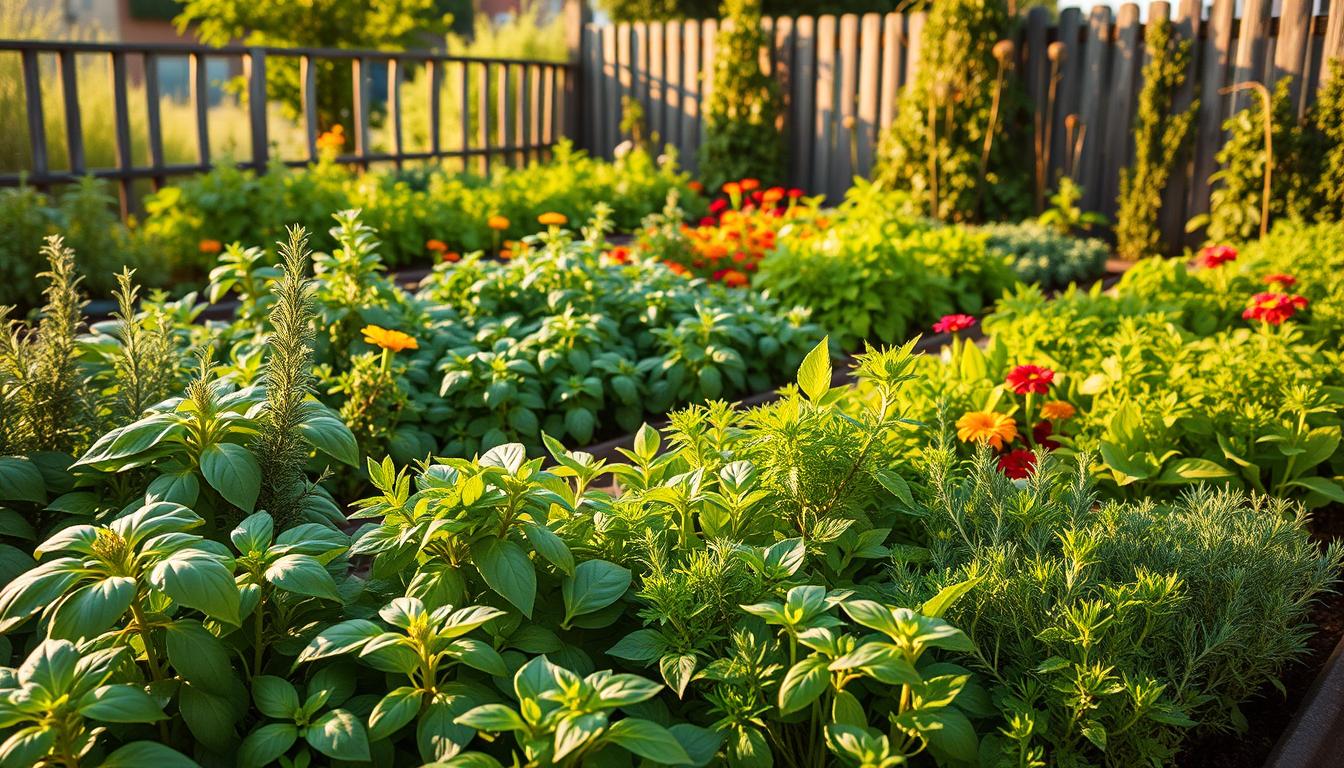
Can a carefully chosen neighborhood of plants really make your tomatoes tastier, cut pests, and shrink your work?
This introduction shows how pairing the right species in your garden boosts yield, flavor, and resilience while using fewer sprays and less space.
Companion planting uses herbs and other plants to build living teams that support one another. Gardeners have long paired corn, beans, and squash: corn gives a trellis, beans add nitrogen, and squash shades soil to cut weeds.
Practical pairings matter. Basil beside tomatoes improves flavor and repels pests. Borage helps tomatoes set fruit and deters hornworms. But not all neighbors get along—keep tomatoes apart from dill and brassicas, and avoid alliums near legumes.
In this guide you’ll learn why these matches work, how to seed and plant them in U.S. gardens now, and how to target mites and other pests while attracting pollinators.
For tested layouts and pairing charts, see a practical companion guide at this companion planting guide and a herbs pairing overview at The Garden Haven.
Key Takeaways
- Pair plants purposefully: the right neighbors boost flavor, yield, and pest resistance.
- Three Sisters example: corn, beans, and squash work together to save space and soil.
- Basil and borage: both help tomatoes—one for flavor and pests, one for growth and vigor.
- Avoid bad matches: keep tomatoes away from dill and brassicas; separate alliums from legumes.
- Fewer sprays: smart design can reduce chemicals and support pollinators.
What gardeners really mean by companion planting today
Gardeners now blend time-tested ideas and trial results to design plant neighborhoods that perform. This approach treats each species as a partner that can offer shade, nutrients, pest control, or bloom for pollinators.
Think of the Three Sisters as a practical model: corn gives structure, beans add nitrogen and draw beneficial insects, and squash covers soil to cut weeds. Modern gardeners use that logic and refine it through small trials and regional guidance.
How the method works in real gardens
- Blend old and new: use folklore as a starting point and validate pairs in your microclimate.
- Pick purposeful partners: basil often pairs well with tomatoes, rosemary can protect cabbage-family crops, and marigolds help edges resist pests.
- Avoid bad neighbors: keep beans away from onion and garlic, and separate tomatoes from dill and cabbage relatives.
- Scale to fit: these tactics work in pots, raised beds, or larger in-ground areas through the year.
The benefits companion planting aims for are simple: healthier growth, fewer interventions, and more resilient beds across a growing year. Try small tests, observe, and adapt to your local climate for best results.
Search intent and what you’ll learn in this how-to guide
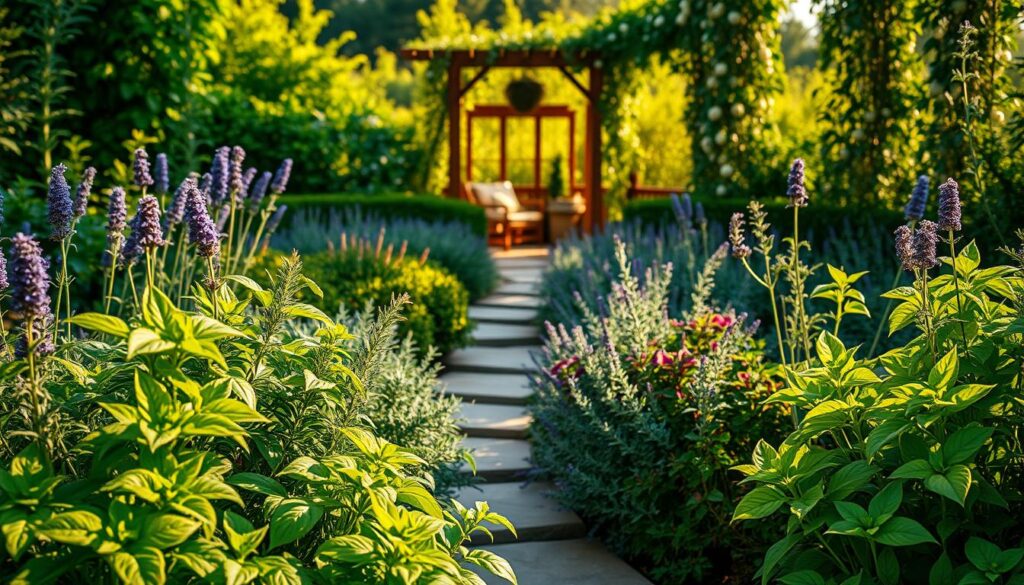
Design goals shape every choice: reduce pests, boost flavor, or squeeze more yield from tight space. This short guide shows how to use herb companions to meet those goals in real home beds.
What you’ll get: clear steps, practical layouts, and targeted pairings for common crops in U.S. gardens. You’ll see simple examples like basil near tomatoes, dill by cucumbers, and chives around roses to cut aphid pressure.
We also cover low spots and shaded edges. Mint, lemon balm, thyme, and oregano thrive under taller canopy. That lets you stretch limited space and keep groundcover productive.
- Design basics: match plant height and bloom timing.
- Targeted use: place scent-heavy plants to repel pests.
- Soil support: beans add nitrogen to power leafy crops.
| Goal | Herb | Placement | Benefit |
|---|---|---|---|
| Repel aphids | Chives | Near roses, lettuce | Reduces aphid pressure |
| Improve flavor & deter worms | Basil | Beside tomatoes | Better taste, fewer pests |
| Shade-tolerant groundcover | Thyme/Oregano | Under brassica canopy | Maximizes space, suppresses weeds |
| Soil fertility | Beans | Interplanted with corn/greens | Fixes nitrogen, boosts yields |
Quick-start: a three-step plan to use herbs for pest control and higher yields
Start a focused plan that turns small changes into measurable gains. These three steps help you use companion planting to cut pests and lift yields without extra work.
First pick a clear goal, then map how plants will share light and space, and finally test in small patches.
Pick your goal
Decide whether you’ll repel pests, attract beneficial insects, or boost flavor and yields.
For pest focus, line beds with marigolds against beetles and nematodes, and use dill or cilantro for aphids and spider mites. For flavor, place basil beside tomatoes to improve taste and deter hornworms.
Map your garden design
Sketch beds by canopy height and airflow. Use corn as vertical structure, beans for nitrogen, and squash as groundcover to save space.
Place low, shade-tolerant thyme or oregano beneath taller crops to squeeze extra productive area.
Plant, observe, adjust
- Interplant and edge beds for continuous bloom and habitat.
- Check weekly, note pest counts and yield changes.
- Tweak placements based on what your garden shows.
Track results: record yields and pest levels so your garden becomes a proven, growing system rather than guesswork.
science companion planting with herbs: the core principles gardeners can use
Small clusters of nectar-rich plants can turn a vulnerable bed into a self-regulating mini-ecosystem. Use scent, bloom timing, and root function to attract helpful insects, push pests away, and feed soil partners.
Attracting beneficial insects and pollinators
Beneficial insects thrive when you offer steady nectar and pollen through the season. Dill, coriander, and cilantro bloom early and draw parasitic wasps and predators that cut pest outbreaks.
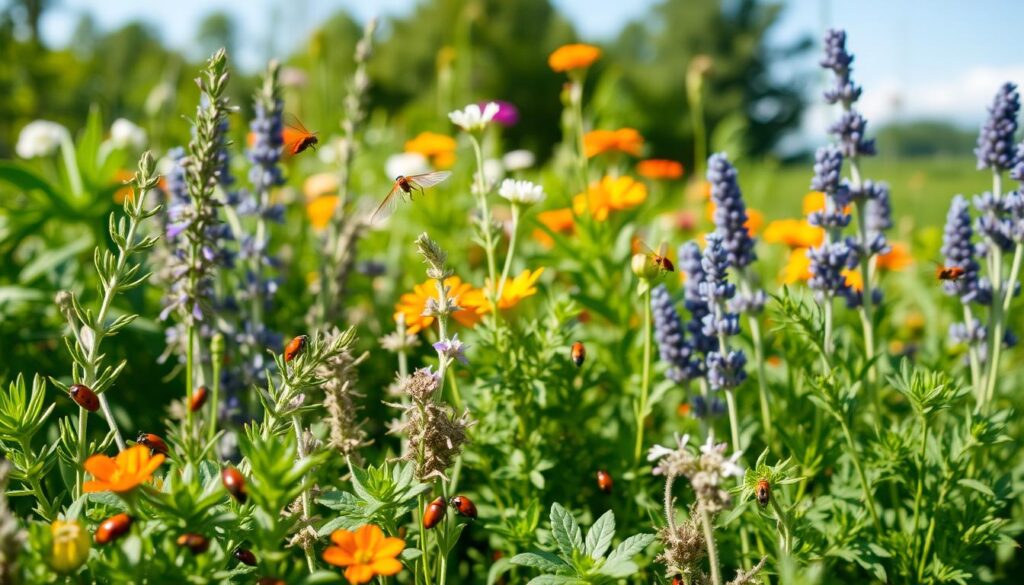
Repelling pests like spider mites, cabbage moths, and beetles
Aromatic plants mask host scents and deter pests. Garlic or chives placed near tender greens will help lower aphid and mite pressure.
Marigolds at bed edges release thiophenes that suppress nematodes and can deter certain beetles. Use tidy borders for a clean defensive line.
Improving soil nutrients and yields through smart pairings
Legumes fix nitrogen and support hungry leafy crops. Crimson clover under broccoli showed cooler soil and more spider activity in trials, improving pest checks and moisture retention.
Pair basil with tomatoes to boost yield and flavor; add borage to strengthen growth and pollinator visits. These simple swaps give measurable benefits companion gardeners can use.
| Function | Plants | Placement | Key benefit |
|---|---|---|---|
| Attract predators | Dill, coriander/cilantro | Near tender crops | Draws parasitic wasps and predators, reduces aphids and spider mites |
| Soil pest suppression | Marigold | Perimeter border | Thiophene release suppresses nematodes; deters some beetles |
| Nutrient support | Legumes (clover, beans) | Interplant or living mulch | Fixes nitrogen, cools soil, supports spiders and soil life |
| Pest masking & flavor | Basil, borage, garlic/chives | Beside tomatoes and around sap-sucker hotspots | Improves flavor, deters hornworms and sap-suckers |
Designing beds that attract beneficial insects
Open corridors of bloom and scent so predators and pollinators can find your crops fast. Good garden design layers plants for steady nectar and shelter that keeps natural enemies on patrol.
Herb “beacon” plants: dill, chamomile, oregano, and borage
Dill draws bees, hoverflies, ladybugs, and parasitic wasps and acts as a mobile food source through mid season.
Chamomile, chives, and oregano boost essential oils in nearby basil and help attract beneficials that protect vegetables.
Borage lifts disease resistance and reliably attracts pollinators late into summer.
Farmscaping edges and pathways for continuous bloom
Edge beds with fast-blooming annuals like buckwheat to suppress weeds and create corridors where insects hunt and rest.
Add vertical and canopy diversity using corn as a windbreak and structural layer; plant beans below its shade and tuck low, shade-tolerant plants under the canopy.
- Stagger blooms: early chamomile, mid dill, late borage to avoid nectar gaps.
- Place beacons: bed corners and midpoints so insects patrol brassicas and vulnerable rows.
- Prune lightly: keep flowers—don’t remove bloom time—and let natural enemies thrive.
Herb-led pest control: targeted pairings that work
Pick the right aromatic neighbors and you’ll thin pest numbers without extra sprays. Use targeted, small-scale swaps to reduce common pests and protect your crops.
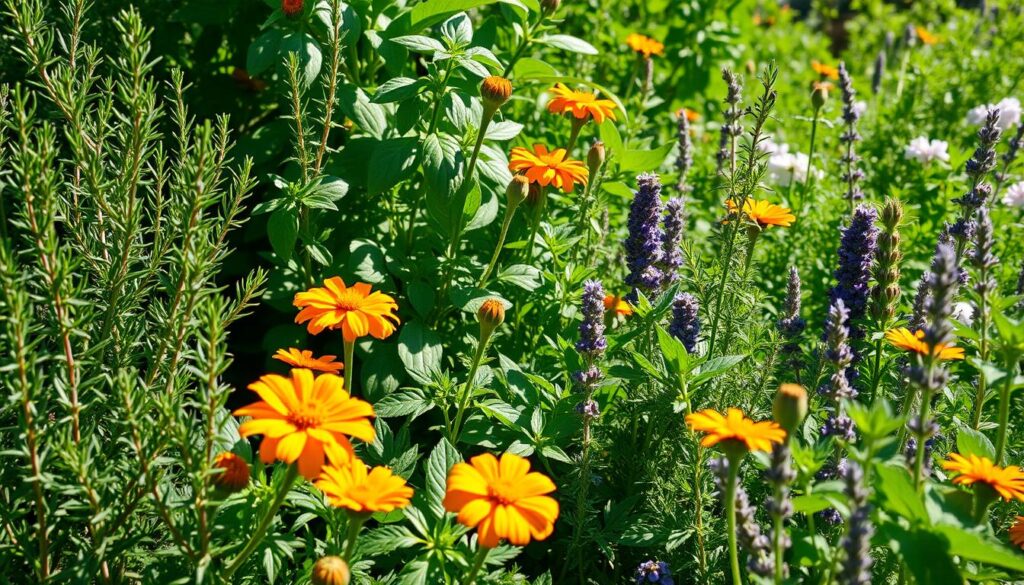
Against cabbage moths and loopers: plant rosemary, sage, and thyme at bed ends and run a marigold border to break moth approach paths. These aromatic plants mask brassica scents and create a defensive edge.
Against spider mites and aphids
Interplant dill and coriander within rows to draw beneficial wasps and hoverflies that hunt soft-bodied pests.
Add garlic or chives near hotspot plants; alliums repel aphids and spider mites and lower pest pressure without chemicals.
Against beetles and moths
Weave basil and nasturtium through vegetable rows to deter beetles and many moth species. Nasturtium also traps aphids away from main crops.
For flea beetles on beans and brassicas, tuck catnip near the plants; it repels flea beetles and eases leaf feeding.
- Match plants to the pest for fast, visible wins.
- Keep beans away from onions and garlic to avoid stunted growth while still using alliums nearby at a safe distance.
- Combine herbs with airflow and sanitation: remove old leaves and thin crowded rows to reduce mite and moth outbreaks.
- Rotate and refresh successions so strong aromas persist through summer pest peaks.
Tomato success with herbs: flavor, growth, and pest control
A few targeted herb swaps can turn ordinary tomato rows into productive, low-maintenance beds. Use a mix of fragrant edge plants and in-row pollinator attractors to lift flavor, yields, and resistance to pests.
Plant basil on the sunny side of tomatoes to lift flavor and yields while repelling tomato hornworm. Add borage between plants to draw pollinators and boost fruit set and taste.
Ring beds with marigolds to cut nematode risk and deter Japanese beetles. Keep dill and brassicas away; they can stunt growth and complicate pest dynamics.
“A single row of basil and a few borage plants often change a season’s harvest—more fruit and fewer late-summer problems.”
Practical tips
- Sunny side basil: repels hornworms and enhances flavor.
- Borage in-row: draws bees and strengthens plants.
- Marigold perimeter: protects roots and deters beetles.
- Edge garlic or chives: mild anti-aphid effect without crowding roots.
- Avoid corn nearby: both crops attract hornworms—choose another tall support.
- Mulch after soil warms: conserve moisture and steady herb growth.
| Action | Where | Benefit |
|---|---|---|
| Plant basil | Sunny side of tomato row | Improves flavor; repels hornworms |
| Add borage | Between plants | Attracts pollinators; boosts fruit set |
| Marigold ring | Bed perimeter | Reduces nematodes; deters beetles |
| Garlic or chives | Bed edges | Mild aphid deterrent without root crowding |
Brassicas with herbs: smarter planting for cabbage, broccoli, kale, and Brussels sprouts
A smart edge of aromatic plants can turn a vulnerable brassica bed into a pest-resistant zone. Flanking rows and layering low aromatics lower beetle pressure, improve taste, and draw beneficial insects.
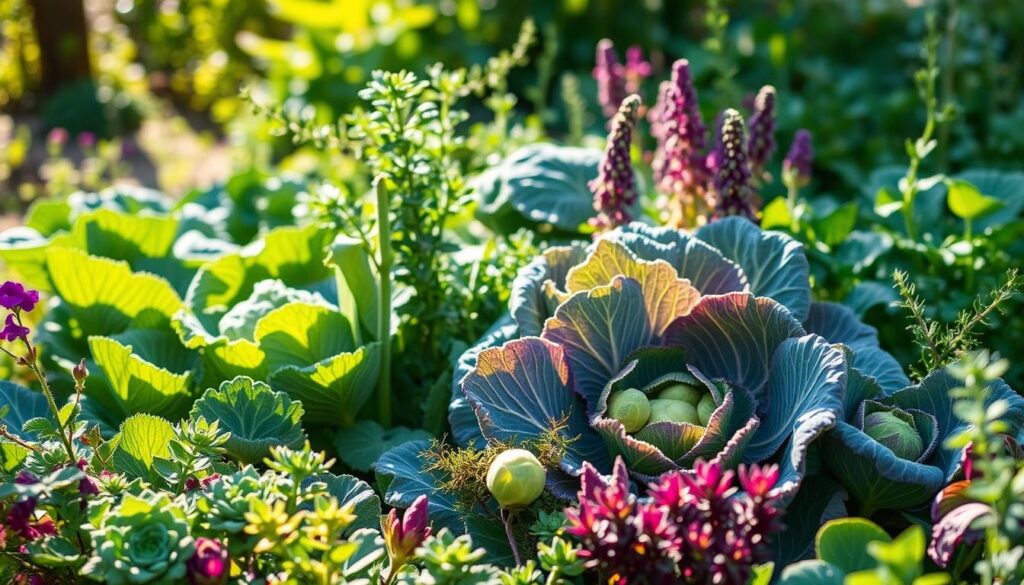
Use mint and rosemary at row ends to deter flea beetles and cabbage moths. These scent-heavy plants create a defensive barrier that confuses pests and slows their approach.
Chamomile and dill add subtle flavor to cabbage and attract parasitic wasps and hoverflies that hunt common pests. Plant them near broccol i and kale to keep predators on patrol.
- Include garlic and onion at intervals to discourage aphids and other sap-suckers while rounding out flavor.
- In tough zones, layer a marigold border and tuck thyme as an under-planting for multi-level deterrence.
- Give brassicas breathing room: avoid crowding to reduce humidity and lower spider mite and disease risk.
- Keep pole beans and strawberries away from brassica beds to prevent growth conflicts.
- Feed leafy crops by placing peas or beans nearby; nitrogen-fixers boost kale and cabbage growth when rotated properly.
Small swaps, big gains: a mint-rosemary flank, a few dill plants, and spaced garlic bulbs can cut pest counts and lift flavor without heavy inputs.
Cucumbers, squash, and pumpkins: pollinators in, pests out
Invite steady bloom and small trap crops to boost fruit set and cut damage. Use scent, quick volunteers, and spacing to draw pollinators and push common pests away.
Cucurbits thrive when you combine floral attractors and deterrents near the vines. Keep rows airy to prevent spider outbreaks and give bees easy access to flowers.
How dill and nasturtium help vines
Interplant dill near cucumbers to draw predatory insects that feed on cucumber beetles and keep vines cleaner.
Tuck nasturtium under cucurbits as a low, colorful guard. It deters aphids and many beetles while often improving growth and flavor.
Radish, tansy, and other defensive helpers
Sow quick radish around young squash as a trap and early deterrent. Add tansy along edges to cut squash bug pressure.
Include borage to raise pollinator visits and fruit set, especially when weather swings make bees scarce.
- Avoid potatoes and strongly aromatic sage near cucumbers to prevent growth conflicts.
- Space vines for airflow to reduce spider mite and disease risk.
- Plant corn at a safe distance if you want light structure and wind protection without heavy shade.
Corn, beans, and herbs: updating the Three Sisters with modern science
The classic corn–beans–squash trio still works, but small floral additions make it more resilient and productive. Add colorful, scent-rich plants to guide predators and block pests so yields improve without extra sprays.
An updated layout uses corn as living trellises that give dappled shade to tender understory crops. Beans fix nitrogen at the root zone and fuel steady growth. Squash sprawls low, smothering weeds and conserving soil moisture for steady yields.

Edge the block with marigolds to discourage beetles and add visual cues that attract beneficial insects. Thread dill through open spots so it attracts parasitic wasps and hoverflies that hunt flies and other pests near young corn and bean seedlings.
- How to sow: plant corn first in blocks for wind stability, set bean seeds at each stalk base, then add squash after soil warms.
- What to avoid: keep tomatoes out of this guild to prevent shared hornworm outbreaks; give tomato-basil combos their own bed.
- End-of-season care: chop and drop stalks and vines to recycle nutrients and boost organic matter for next season.
“A layered bed—sturdy corn, nitrogen-giving beans, and moisture-saving squash—becomes stronger when small floral allies join the team.”
Scientific mechanisms that make herb companions effective
A few deliberate plant choices let you push pests out and pull beneficial insects into a bed. These tactics combine trap cropping, soil biology, and allelopathy to give steady, season-long benefits.
How trap cropping and push-pull work at home
Trap cropping concentrates pests on sacrificial rows so main crops escape heavy damage. Use a repellent intercrop near cash beds and an attractive border to draw moths, beetles, and flies away.
- Sequential planting: sow a quick trap crop before the main crop is vulnerable.
- Push-pull example: Desmodium repels borers while a grassy border attracts them away from corn.
Symbiotic nitrogen fixation
Beans and peas host Rhizobium that convert air nitrogen to plant-usable forms. This boosts heavy feeders and reduces fertilizer needs when legumes are interplanted or rotated nearby.
Living mulches and canopy for weed suppression
Cover crops such as crimson clover cool soil, cut weeds, and support spiders and other predators that patrol broccoli and other greens. A living mulch improves tilth and holds moisture across the season.
Allelopathy and botanical pest control
Marigolds release thiophenes that lower nematode loads; mower-killed rye supplies allelochemicals that suppress weed germination while letting transplants thrive. These botanical effects pair well with mycorrhizal care.
Combine tools for integrated control: use trap crops, legumes for steady fertility, living mulches for cover, and allelopathic borders to reduce pest pressure and improve soil health all season.
Space, canopy, and shade: placing herbs to maximize limited gardens
Layer garden layers to get more harvest from a small plot. Smart canopy choices protect tender growth and save space while keeping air moving through beds.
Use height and groundcover deliberately so every square foot pulls double duty. Train tall crops to give partial shade and tuck low, shade-tolerant thyme or oregano beneath brassica leaves.
Low growers under brassica canopy
Plant low, sun-sparing thyme and oregano as living mulch under broccoli or cabbage. They cover soil, cut weeds, and hold moisture. These groundcovers thrive in partial shade and rarely crowd roots.

Container pods near peppers and eggplants
Keep mint in pots as mobile pest-control pods. Park them beside peppers, eggplants, or Brussels sprouts and move them as pest pressure shifts. Containers protect beds from mint’s spread and let you adjust placement fast.
| Goal | Placement | Why it works |
|---|---|---|
| Fit more production | Layer canopy: tall, mid, groundcover | Staggers shade and light for steady yields |
| Weed suppression | Thyme/oregano under brassicas | Covers soil, reduces weeds, conserves moisture |
| Mobile pest control | Mint in pots near nightshades | Deters pests; easily moved as needed |
| Seasonal shade management | Slide pots from edge to under canopy | Protects tender plants from summer scorch |
- Keep pathways wide so you can work without compacting soil.
- Stagger heights to create airflow and reduce disease risk.
- Plan for shade in summer and sun in spring as you place pots and beds.
Timing your plantings this season in the United States
Plan seasonal steps so your garden gives steady bloom and early pest checks through the year. Good timing turns small seedings into big benefits for pollinators and pest control.
Spring setups: In early spring, seed or transplant quick bloomers such as chamomile and dill to feed beneficial insects before pest numbers rise. Start marigold and nasturtium indoors so borders are ready when soil warms. Stagger dill and cilantro sowings to keep predatory wasps and hoverflies supplied through hot weeks.
How to pace summer and fall successions
For summer, add heat-tough basil and oregano. Keep succession marigolds on hand to fill gaps after harvests. In late summer, sow quick herbs and radishes to support fall cucurbits and brassicas.
In longer-season regions, sow corn first, drop beans at each stalk base, then add squash once nights are reliably warm. Track dates and seed sources in a simple log so next year’s schedule improves.
| Season | Action | Why it helps |
|---|---|---|
| Spring | Seed chamomile, dill; start marigolds indoors | Feeds early pollinators; sets defensive borders |
| Summer | Add basil, oregano; stagger marigolds | Maintains bloom and heat-tough support plants |
| Late summer / Fall | Sow fast herbs, radish; succession crops | Extends bloom and aids fall brassicas |
| Long-season regions | Corn first, beans at bases, then squash | Staggered sowing improves establishment and yield |
Keep a short log of sow dates and seed sources. That record makes next season easier and boosts consistent yields and pollinator support.
For practical guides on scheduling and resources, see this planting resources page to refine timings for your U.S. region.
Common mistakes and what to avoid with herb companions
A few wrong neighbors can turn a thriving bed into a pest magnet. Smart choices protect seedlings and keep yields steady.
Start by checking obvious conflicts. Some species give off allelopathic residues or strong aromas that slow germination or stunt growth. That can erase the gains from careful design and lead to more pests.
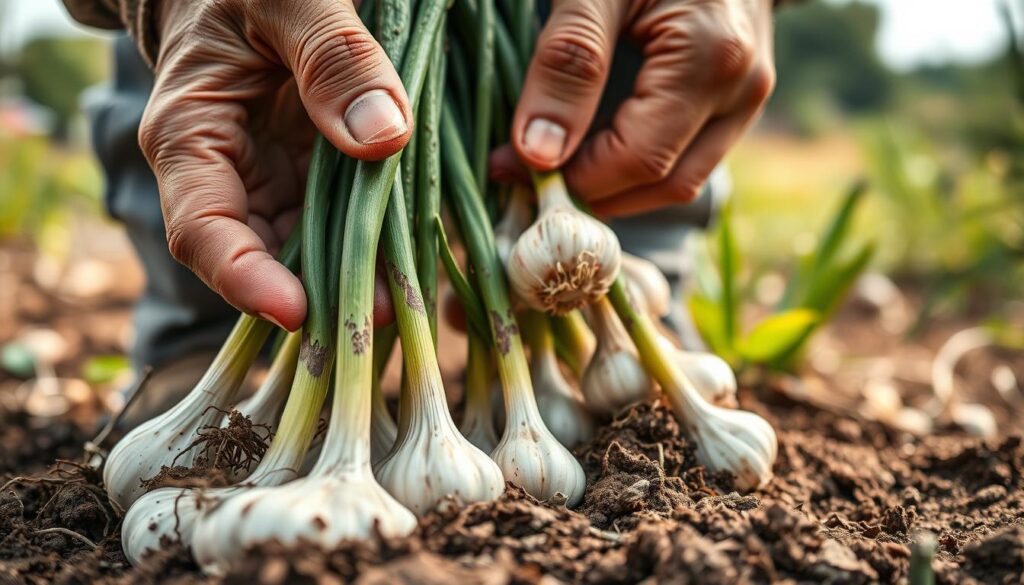
Allelopathic conflicts and incompatible neighbors
Use these simple rules to avoid common problems:
- Avoid pairing tomatoes near dill or brassicas; they often reduce tomato vigor and yield.
- Keep beans and peas away from garlic and onion to prevent stunting of legumes.
- Separate cucumbers from potatoes and sage; such mixes can lower cucumber performance.
- Don’t plant strawberries in cabbage or other brassica beds; they may inhibit cabbage growth.
- When using rye mulch transplant seedlings rather than direct-seed to bypass germination suppression by residues.
- Avoid overcrowding: good airflow and proper spacing in your design cut humidity and reduce pest pressure.
- Rotate families yearly to break pest cycles and balance soil nutrients.
From plan to practice: a sample bed layout for herbs and vegetables
Lay out a small bed that balances scent, structure, and bloom to protect crops and lift flavor. This plan turns simple choices into steady yields and easier care. Follow the two sample beds below and adjust spacing for your site.
Tomato-basil-borage row and marigold perimeter
Stagger tomatoes every 24–30 inches. Plant basil at 12–18 inches on the sunny side to boost flavor and repel hornworms.
Slot borage every 3–4 tomato plants to draw pollinators. Edge the bed with marigolds to guard roots from nematodes and reduce common pests.
Keep a clear aisle for airflow and mulch after soil warms to conserve moisture and steady growth.
Brassica bed: thyme under-canopy and rosemary ends
Plant cabbage or broccoli in a checkerboard and underplant thyme as a low living carpet beneath the canopy. Thyme holds moisture and cuts weeds.
Anchor each row with rosemary at the ends to perfume the windbreak and deter moths. Run a double row of bush beans nearby to add nitrogen.
If space allows, a short line of corn gives shelter; tuck squash in an outer lane to suppress weeds and protect paths. Seed small successions of dill and cilantro to draw beneficial insects where needed.
“A simple bed map makes each plant earn its keep—more yields and better flavor as the plot matures.”
| Bed | Key layout | Role | Benefit |
|---|---|---|---|
| Tomato row | Tomatoes + basil + borage; marigold edge | Pollination, pest masking | Improved flavor; fewer worms; root protection |
| Brassica bed | Checkerboard brassicas; thyme underplant; rosemary ends | Groundcover; scent barrier | Weed suppression; moth deterrence; moisture retention |
| Support edge | Bush beans; short corn line; outer squash | Nitrogen; structure; weed control | Boosts yields; wind shelter; tidy paths |
Conclusion
Companion choices make a garden stronger, tastier, and easier to manage. They cut pest inputs, boost yields and flavor, and help you use space smarter.
When you arrange plants by clear roles, your garden starts solving problems on its own.
Start small: test a row, note results, and expand what works each season.
Lean on classic roles—corn for structure, beans for nitrogen, and squash to suppress weeds—and use targeted aromatic allies to manage insects. For practical how-to layouts and examples, see this herb companion guide.
Keep a short log of placements and yields; over time those small choices compound into a healthier, lower-maintenance garden.