
Which approach will give you a greener yard without surprise problems? Homeowners ask this a lot when choosing fertilizer. The core question is clear: which choice gives steady results over time and supports healthy soil and plants.
One family of fertilizers feeds quickly and shows fast greening. The other works more slowly, feeding soil microbes and improving structure so nutrients release over months.
This intro will define both types in plain language and show why the same product can behave differently on two properties. Soil health, existing nutrients, and timing change outcomes.
We’ll also flag environmental and health considerations and note a balanced view: both fertilizers can work well when matched to season, goals, and skill. For a deeper comparison, see the pros and cons of organic vs chemical.
Key Takeaways
- Fast-acting fertilizers give quick color; slower options build soil life.
- Soil condition and nutrients determine how any product performs.
- Both choices can be safe and effective when applied correctly.
- Match fertilizer type to your goals, season, and application skill.
- Environmental and health impacts vary; small actions reduce runoff risk.
What Homeowners Really Want to Know About the Truth About Synthetic vs. Organic Lawn Treatments
Homeowners want clear timelines, safe use tips, and which types match their yard and schedule. Read on for a simple, practical guide.
How fast will you see results? Most lawn fertilizer brings nitrogen, phosphorus, and potassium. Synthetic products often show green-up in days and give consistent results. Organic options feed soil life and may take weeks to show visible change.
How long do results last? Fast-acting formulas give a quick color boost but may need repeat feedings. Slow-release or natural sources feed over months and help long-term soil health.
Which type fits my yard? If you want fast greening on a schedule, choose a readily available synthetic option. If you prefer to build soil and reduce repeat feeding, pick organic sources. Both can work when matched to your soil and goals.
| Question | Synthetic | Organic |
|---|---|---|
| Speed of visible growth | Days | Weeks to months |
| Effect on soil health | Neutral to low | Improves microbes and structure |
| Cost and availability | Affordable, readily available | Often pricier, less consistent |
| Maintenance | Frequent reapplication possible | Fewer feedings over time |
Safety and kids/pets: Proper storage and following label directions protect people and plants. Don’t apply before heavy rain and keep treated areas off-limits until dry.
For a practical starting point, pair a soil test with your goals and then choose a product. If you want more guidance on care plans and step-by-step choices, see a helpful guide on creating a lush yard without pesticides at this resource.
What Each Treatment Is and How It Works
One approach feeds soil life slowly; the other supplies concentrated, ready nutrients to plants fast.These differences explain timing, handling, and long‑term effects.
How do organic fertilizers work?
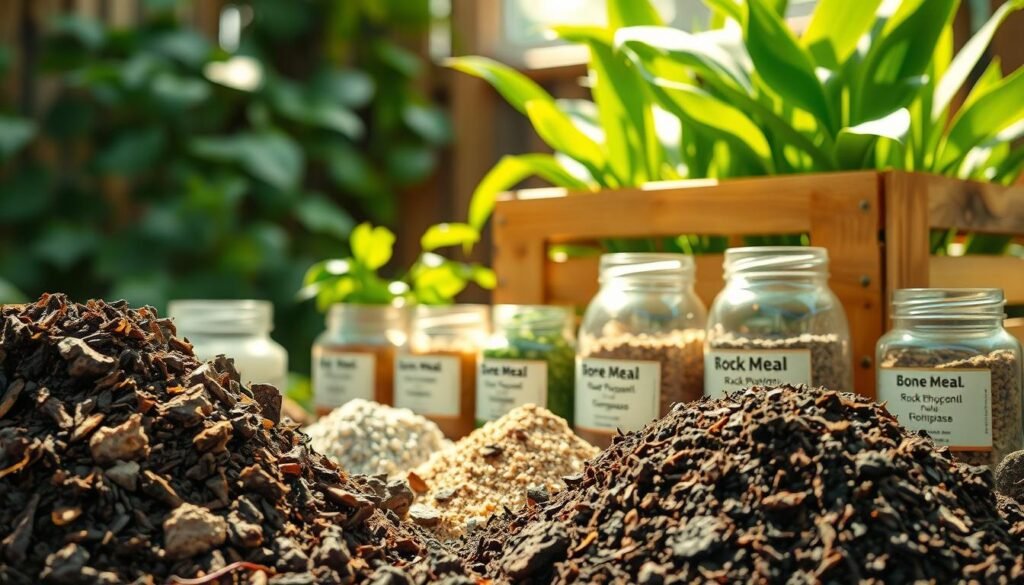
Organic fertilizers are fertilizer derived from natural materials like compost, manure, bone meal, fish emulsion, seaweed, and worm castings.
They contain low percent nutrients (typically 1–10%) that release as soil microbes break them down. That process builds organic matter and improves soil structure and water holding.
How do synthetic fertilizers work?
Synthetic fertilizers are industrially made with concentrated, soluble nutrients (often 20–30%).
These forms are immediately available, so plants green up quickly and you can dose precisely to correct a deficiency or trigger growth.
What does N‑P‑K do for my grass?
nitrogen promotes leaf color and growth. phosphorus supports root development that plants need. potassium helps stress tolerance and overall health.
“Healthy soil is the engine that makes any fertilizer work—the microbes do the heavy lifting.”
| Feature | Organic options | Synthetic options |
|---|---|---|
| Nutrient range | ~1–10% | ~20–30% |
| Release | Slow, microbe-driven | Fast, soluble uptake |
| Soil impact | Builds soil biology | Precise correction |
Bottom line: Both fertilizers can support a yard when matched to goals, season, and soil. Choose the right type for the results you want.
Truth About Synthetic vs Organic Lawn Treatments: A Head‑to‑Head Comparison
Compare delivery speed, soil benefits, costs, and risksso you can pick a plan that fits goals and time. This snapshot helps you weigh fast color against long‑term soil health.
How do nutrients reach plants?
synthetic fertilizers deliver soluble nutrients for immediate plant uptake. You see green fast, but repeat application may be needed.
organic fertilizers release nutrients as microbes break down materials. That slow feed builds soil life and steady results that may take weeks.
What happens to soil and water?
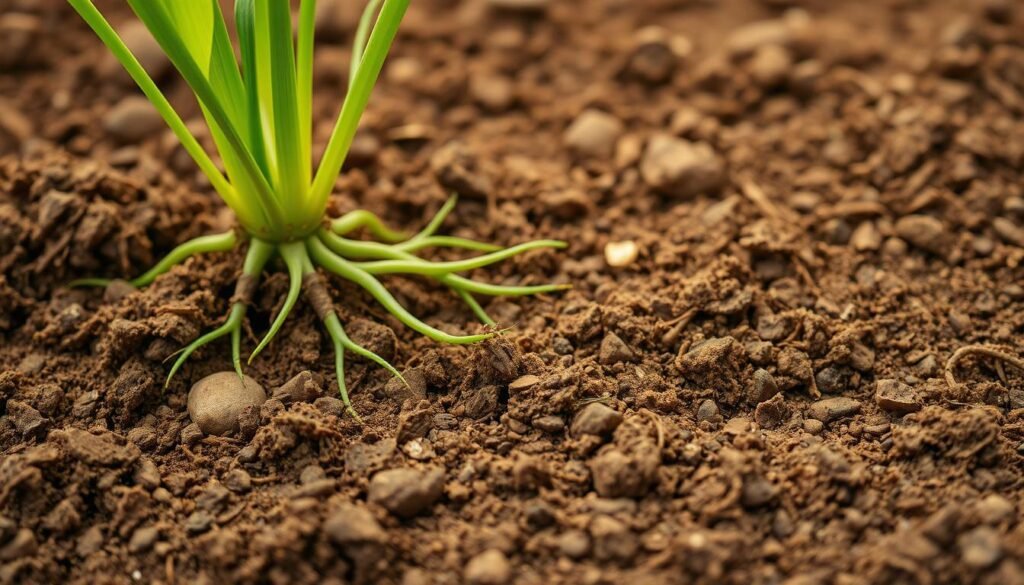
Organics add organic matter, improve structure, and boost water retention. They support resilient soil health and microbial diversity.
Synthetics can leach, raise runoff risk, and with heavy use may reduce microbes and acidify soil.
Cost, handling, and common risks
Synthetics are generally consistent and readily available. Organics often cost more per nutrient but enrich the soil long term.
Over‑application of any fertilizer can burn plants. Store products dry, follow label rates, and water granulars to activate nutrients.
| Factor | synthetic fertilizers | organic fertilizers |
|---|---|---|
| Delivery speed | Fast (days) | Slow (weeks–months) |
| Soil impact | Neutral to reduced microbes | Builds organic matter, retains water |
| Cost & availability | Low cost, consistent, readily available | Higher cost, variable |
| Risk | Leaching, burn if over‑applied | Lower runoff risk, less burn risk |
“Match your choice to goals: quick color or long‑term soil strength.”
Making the Right Choice for Your Lawn in the United States
Knowing your soil’s numbers lets you pick the right product and timing. A simple test saves money, protects soil fertility, and boosts uptake so fertilizers work better.
Start with a lab soil test. The report shows which nutrients are low and gives target rates. That guides your selection of lawn fertilizer and the best seasonal timing for your region.
How should I read the test and time application?
Use the analysis numbers to calculate how much nutrient you actually apply. Match product labels to the report and avoid overfeeding the soil. This protects water and keeps runoff low.
When to use granular fertilizer or liquid fertilizer?
Granular fertilizer works well for steady, slow‑release feeding and consistent spreads with home spreaders. Water after spreading to activate granules.
Liquid fertilizer helps correct shortages fast or spoon‑feed during growth. Wait a few hours after spraying before you irrigate to ensure uptake.
To improve soil, add compost, mow high, and follow the test plan to strengthen root systems and plants. Fix deficits now, then maintain a schedule that fits your calendar and choice of product.

Real-World Use: Blended Strategies and Product Examples
Blend a precise quick feed with a pelletized conditioner to get fast color and slow soil gains. Use mild synthetics for immediate response and a consistent organic fertilizer for long‑term water retention and organic matter.
How can you combine quick results with soil building?
Start with a small, targeted dose of a synthetic fertilizer for spring green‑up. Follow with a midseason spread of a pelletized product like Milorganite to boost soil structure and water retention.

What materials and methods fit common budgets?
- Granular synthetics give accurate rates and fast uptake.
- Pelletized organic fertilizer conditions soil and reduces repeat feeding.
- Use liquids sparingly for correction, not routine feeding.
Practical seasonal plan:
- Spring — apply a light synthetic for quick pop.
- Midsummer — spread Milorganite to build organic matter and retain moisture.
- Fall — a recovery feed focused on balanced nutrients for root health.
“Pair precise, small synthetic doses with steady organic inputs; the two together keep turf vigorous without waste.”
| Goal | Material | Why it works |
|---|---|---|
| Immediate green | Controlled synthetic | Fast soluble nutrients for quick plant response |
| Soil conditioning | Milorganite (pellet) | Consistent N‑P‑K, non‑staining iron, builds organic matter |
| Budget balance | Small synthetic + organics | Synthetic saves money short term; organics reduce repeat buys over time |
Safety & skill tips: Calibrate your spreader, follow label rates you’re using, sweep granules off hardscapes back onto grass, and time applications to avoid rain. For an example comparison and guidance, see the Milorganite resource on organic vs synthetic.
Conclusion
Pick a path that fits your goals, test first, and apply with care.
Choose one clear step today. Match a tested product to your schedule and apply a single, measured fertilizer dose. Consistency beats guessing.
Healthy soil makes every nutrient work better. Nitrogen fuels quick color and growth, phosphorus supports roots, and potassium boosts resilience.
Many yards benefit from an organic plus synthetic approach: a precise feed for pop, and a pellet to build soil health. Test soil, match rates to what your plants need, water granulars, and wait a few hours after any liquid fertilizer before irrigating.
Protect waterways by sweeping off hard surfaces and avoid overfeeding. Pick one product you’re using and feed only what your lawn truly needs for steady results and lasting health.
FAQ
What’s the main difference between synthetic and organic fertilizers?
Synthetic fertilizers supply mineral nutrients in manufactured, concentrated forms that plants can absorb quickly. Organic fertilizers come from plant, animal, or mineral sources and release nutrients slowly as soil microbes break them down, while also adding organic matter that improves soil structure and water retention.
How quickly will I see results after applying each type?
Synthetic products usually produce visible greening within days because nitrogen is immediately available. Organic options often take weeks to feed turf since microbes must process the material, but their benefits last longer and improve soil health over time.
Can organic inputs match the nutrient levels of synthetic options?
Organic materials can supply all major nutrients, but they vary in concentration and consistency. You may need larger or more frequent applications to match the short-term growth boost of a synthetic fertilizer, though organics steadily build fertility and microbial activity.
Will synthetic fertilizers harm my soil’s microbial life?
Repeated heavy use of certain synthetic salts can reduce microbial diversity and damage soil structure if organic matter isn’t maintained. Balanced programs that include compost or other organic amendments help preserve microbial communities while using targeted synthetic feeds when needed.
Which option reduces nutrient runoff and groundwater risk?
Both can cause runoff if misapplied. Slow-release formulas—whether organic slow-release or polymer-coated synthetic—lower leaching risk. Applying at recommended rates, avoiding hard rains after application, and using buffer strips or proper irrigation cut runoff most effectively.
Is there a burn risk with either type?
Synthetic fertilizers, especially high-nitrogen concentrates or improperly applied granular products, pose a higher immediate burn risk. Organic materials tend to be gentler, though compost teas or fresh manures can harm turf if used incorrectly.
How should I choose granules versus liquid fertilizers?
Granular products offer ease, longevity, and less frequent applications; they’re good for broadcast feeding. Liquids provide quick correction and precise spot applications. Use liquids for rapid green-up or targeted fixes and granulars for baseline fertility and convenience.
Do I still need to do a soil test if I use organic products?
Yes. A soil test shows pH, nutrient levels, and deficiencies regardless of product type. Tests let you target amendments—lime, phosphorus, or potassium—so both organic and manufactured fertilizers work effectively and you avoid wasteful or harmful over-application.
Can I combine synthetic and organic approaches safely?
Yes. Many successful programs pair organic soil-building (compost, composted manures, biological inoculants) with occasional synthetic feeds for quick correction or season-specific needs. The key is timing, following label rates, and monitoring soil health.
How often should I apply fertilizer for a residential turf in the U.S.?
Frequency depends on product type and grass species. Cool-season grasses often get 2–4 applications per year; warm-season grasses 2–3. Slow-release products can stretch intervals. Base timing on soil test results, growth patterns, and local extension guidance.
What role do N, P, and K play in turf health?
Nitrogen (N) drives leaf growth and color; phosphorus (P) supports root development and establishment; potassium (K) improves stress tolerance and disease resistance. Balanced NPK tailored to your soil gives best results—avoid excess phosphorus unless tests show deficiency.
Are organic fertilizers more expensive than synthetic ones?
Per-pound nutrient cost of organics is often higher because nutrients are less concentrated. However, organics add soil-building benefits that reduce long-term inputs. Consider total value—soil health, reduced need for future inputs, and environmental benefits—not just upfront cost.
Which brands or products are recommended for homeowners?
Reputable brands include Scotts, Espoma, Milorganite, and Jonathan Green, each offering different mixes—synthetic, organic, or blended. Choose products with clear NPK labeling, appropriate release type, and follow local extension recommendations for your region.
How does timing affect fertilizer effectiveness?
Apply when grass is actively growing and can use the nutrients—spring and fall for cool-season grasses; late spring through summer for warm-season varieties. Avoid fertilizing during drought stress, extreme heat, or dormancy to prevent waste and turf damage.
Will switching to organic practices reduce pests and disease?
Building healthier soil with organic matter and diverse microbes improves plant vigor and can reduce some disease pressure. It won’t eliminate pests entirely; integrated pest management—proper mowing, irrigation, and targeted treatments—remains important.
How should I store fertilizers safely?
Keep all fertilizers in a cool, dry place out of direct sunlight and away from children and pets. Store synthetic granules in sealed containers to prevent moisture clumping. Compost and organic amendments should be kept covered to avoid attracting pests and nutrient loss.
What’s a practical first step if I want to improve my soil and turf results?
Start with a soil test through your local extension, follow the report’s recommendations, and add a layer of compost or a quality organic amendment in combination with a targeted fertilizer plan. That approach builds resilience and gives visible results over seasons.