Did a simple tip once cost you an entire season of flavorful leaves? I followed that kind of one-size-fits-all counsel in the past and watched tender stems shrivel on my small urban balcony. Those failures forced simple shifts that actually kept herbs alive and useful for weeknight dinners.
Many common tips fail because different plants evolved in different climates. Treating basil like mint or watering every day like a houseplant sets you up for early mistakes. Instead, match care to each plant’s needs.
What I do now: start with grocery-store seedlings, pick forgiving varieties (basil is a great trainer), ensure pots have drainage, prune from the top, and stop flowers to keep flavor strong. These changes bring quick wins—more leaves, firmer stems, and fewer crispy moments.
This guide skips jargon and gives plain checks—soil feel, sun hours, pruning marks—so busy cooks and beginners in the U.S. can see results fast. Expect affordable, container-friendly fixes that turn earlier mistakes into predictable growth and cleaner flavors at dinner.
Key Takeaways
- Start with seedlings from grocery stores for faster success.
- Match care to each plant—no single routine fits all herbs.
- Use pots with drainage and water on a schedule, not daily by habit.
- Prune tops and check for flowers to keep leaves flavorful.
- Small container gardens can thrive with affordable, simple fixes.
From Seed Isn’t the Flex: Why I Start With Seedlings Now
Seedlings cut the friction new gardeners face. They give fast wins, save time, and reduce early mistakes so you actually keep plants alive.
When work and life crowd your calendar, seedlings are the low-friction route to fresh leaves. Seeds require steady warmth, precise moisture, and thinning — all daily tasks that often slip when confidence is low.
What went wrong with seeds: trays dried between workdays, damping-off wiped out flats, and I forgot to thin crowded sprouts. Those common errors end many first seasons.
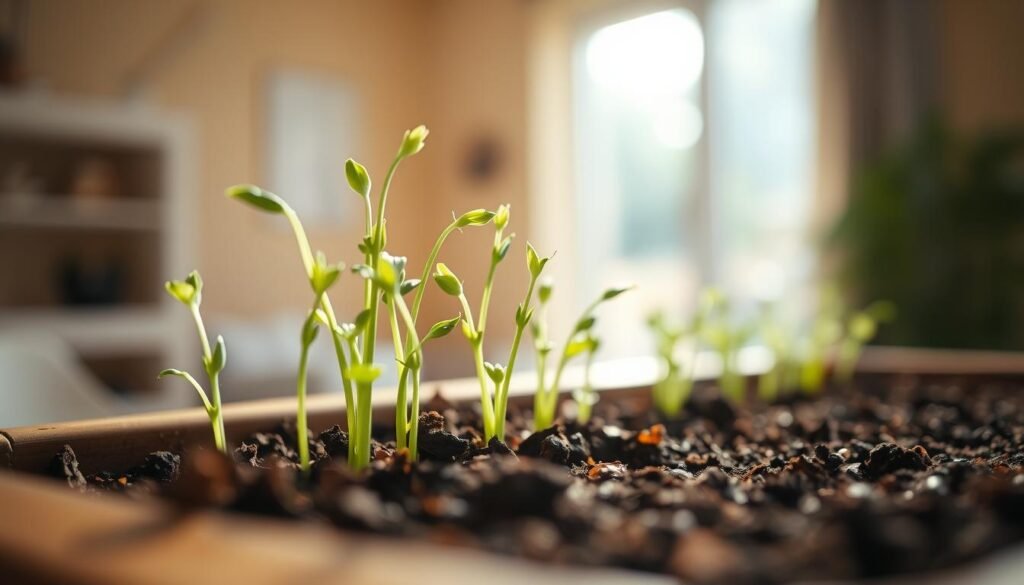
Why starter plants win for beginners
Starter plants arrive ready to root and produce. Economically, a healthy seedling costs about the same as a bunch from the store but starts giving leaves in days or weeks.
“One thriving plant early on builds the confidence loop that keeps you growing all season.”
Simple store checklist and quick transplant plan
- Buy: perky, bright foliage; no yellowing or wilting; tight internodes; visible new growth; no pests.
- Top five to grab: basil, oregano, rosemary, thyme, and mint (mint goes in its own container).
- Transplant steps: use potting mix, a container with drainage, gently loosen roots, and water to settle soil.
- Watering for new transplants: keep evenly moist, not soggy; use a finger test daily for the first week while roots establish.
Expect basil harvests in 2–3 weeks if moved into warm light. Start with seedlings now, then circle back to seed starting later once you have a steady routine and a few wins under your belt.
For more ideas on the easiest varieties, see the best garden herbs to try locally.
Picking the Right Herbs First: Basil as the Trainer Plant
Basil is a forgiving starter that shows water mistakes quickly and recovers fast, so new gardeners learn by doing. Use basil first, then add other herbs one at a time to build confidence.
Begin with basil because it grows fast and gives clear signals. Drooping leaves mean thirst. Water and the plant perks up within hours. That quick feedback helps you find the right routine.
How can you read basil’s signals?
Check soil daily. If the top inch is dry, water in the morning. Small, frequent harvests from the top keep the plant producing fresh leaves and encourage bushy growth.
What comes next after basil?
After you master basil, add oregano and thyme for Mediterranean use. Bring in rosemary later; it grows slowly and needs sharper drainage. Put cilantro in spring or fall—heat makes it bolt.
“A responsive plant like basil is your fastest teacher—watch it and adjust.”
| Plant | Sun | Soil | Notes |
|---|---|---|---|
| Basil | Full sun | Well-draining potting mix | Fast growth; prunes at 4–6 leaf sets |
| Oregano/Thyme | Full sun | Well-draining | Good companion for basil; drought-tolerant |
| Rosemary | Full sun | Sandy, sharper drainage | Slower growth; avoid overwatering |
| Cilantro | Partial to full | Cool-season mix | Best in spring/fall; bolts in heat |
Keep notes on sun hours, watering, and leaf response. Buy one new plant at a time. That way you learn each plant’s needs and avoid the common mistake of one-size-fits-all care.
Water Herbs the Right Way, Not Like Houseplants
Use a light, steady watering routine for containers instead of occasional heavy soaks. This keeps roots stable and helps leaves stay flavorful.
Replace the weekly soak habit with a quick morning check. If the top inch of soil feels dry, gently water at the base until moisture appears at the drainage holes. This is the simplest repeatable routine to follow.
Water in the morning so foliage dries during the day and disease risk stays low. Lift a pot to judge weight—light means thirsty, heavy means wait. In heat waves, expect daily watering; cool, cloudy days often need every other day.
- Do: use containers with drainage holes and a thin layer of coarse rock at the bottom to prevent clogging.
- Do: water at the base, not over the top, to keep leaves dry and reduce mildew.
- Don’t: let saucers hold standing water—empty them to avoid root rot and gnats.
“Consistent small pours keep roots steady; sudden floods stress the plant.”
| Check | What to do | Why it matters |
|---|---|---|
| Top inch dry | Water at base | Roots get steady moisture |
| Pot feels light | Water now | Fast field test for thirst |
| Standing saucer water | Empty immediately | Prevents rot and pests |
Remember: basil likes steady moisture; rosemary prefers drying a bit between drinks. Use these checks as your daily rhythm and your container garden will repay you with better growth and flavor.
Pruning Early and Often: The Cut-Back Habit That Boosts Growth
Pruning early trains your plants to branch and stay sturdy. A few quick cuts give more leaves, stronger stems, and tastier harvests you can use the same day.
Start when your basil or other herbs reach 6–8 inches. Make the first cut 3–4 inches above soil to trigger bushier growth. This early action prevents tall, floppy stems later.
Top vs. bottom: are you taking leaves the right way?
Harvesting from the bottom strips the plant of its energy-making leaves. That encourages leggy, weak growth. Aim for the top instead—take tender tips and leave the lower foliage to feed the plant.
How and where to cut basil for bushy “V” growth
Trim basil just above a pair of growing leaves. The original stem stops and two new stems form a clear “V” in days. Repeat this every 1–2 weeks to keep a compact shape.
- Goal: more branches, more leaves, and stems that handle sun and wind.
- Exact cut: snip above a leaf pair; expect two new shoots.
- Rescue: if too tall, cut the top back by one-third and stake lightly.
Tip: save pruned sprigs in a glass of cool water for immediate kitchen use. Thyme and oregano respond well to tip cuts. Rosemary is slower but follows the same principle.
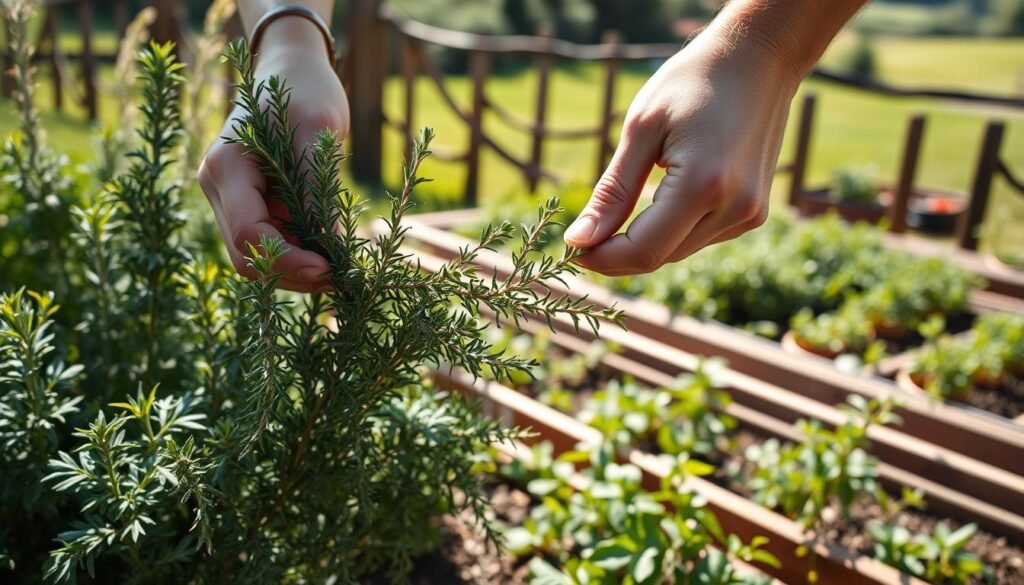
“Small, regular cuts keep herbs active and extend the season of fresh, usable leaves.”
bad herb gardening advice i used believe about letting herbs flower
Don’t let pretty blooms fool you: once a plant starts to flower, it shifts energy away from the leaves you want. Pinching buds early keeps plants producing flavorful foliage longer.
A sudden cluster of buds on a pot signals a big shift in a plant’s priorities.
Why blooms steal flavor
When stems form flowers, many herbs redirect sugars and nutrients to seeds and nectar. That change often makes leaves thin, bitter, or dull. This is the common mistake gardeners make when they assume blooms are harmless.
How and when to pinch buds
Remove buds the moment you see them. For basil and oregano, gently pinch or snip the cluster and the stem just above a leaf pair. This tells the plant to keep growing leaves.
- Check tops twice a week in warm weather.
- Cut back stems showing tight bud clusters.
- Harvest before heat waves; high temperatures speed bolting.
| Signal | Action | Why it matters |
|---|---|---|
| Small bud cluster | Pinch or snip | Keeps plants focused on leaves |
| Rapid stem elongation | Lightly cut back | Prevents bitter flavor |
| Bolting in heat | Harvest fast | Preserves peak taste |
Note exceptions: cilantro and dill produce seeds you can use, but expect leaf quality to drop once flowers set.
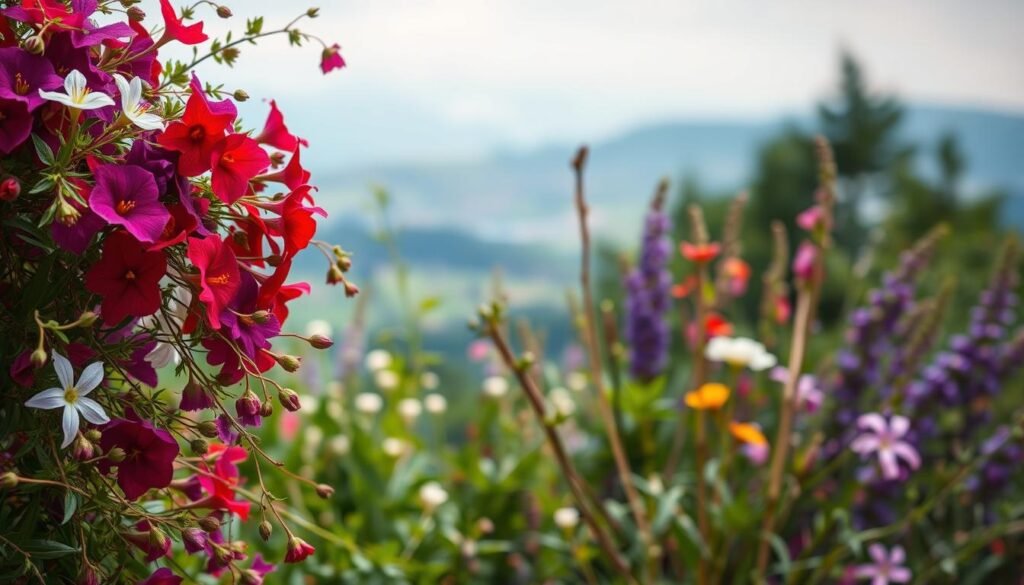
“Keep blooms off your plants when flavor matters; small, regular pinches stretch the season of fresh leaves.”
Soil, Compost, and Nutrients: Don’t Plant in “Tired” Dirt
Fresh container mix protects roots and keeps flavor bright. Use potting mix for containers, refresh with compost at planting, and feed lightly so leaves stay concentrated and aromatic.
Fresh potting mix gives roots room to breathe and cuts the chance of early disease.
Why skip garden soil in pots?
Garden soil compacts in pots and can carry pathogens. Start with a container-specific potting mix for airflow, drainage, and steady root growth.
What budget-friendly additives help?
- Blend in compost each season for organic matter and microbes.
- Use small amounts of used coffee grounds and crushed eggshells as slow feeds.
- Label mixes so you repeat what worked for each plant and pots.
How often should you feed?
Compost at planting. Then give a diluted organic feed or compost tea monthly during peak growth. Keep feeding light—too much fertilizer pushes watery growth and weakens flavor.
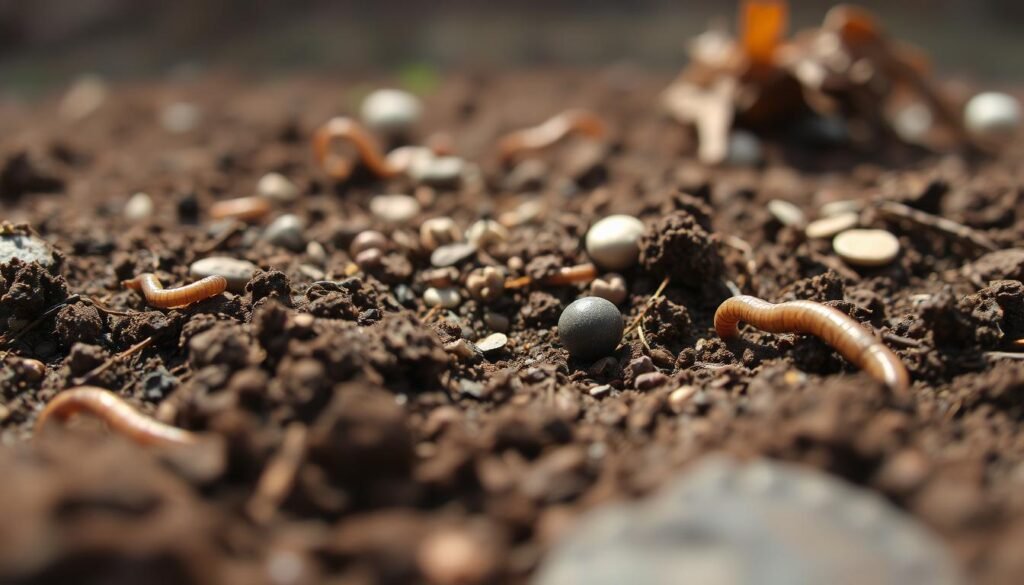
“A balanced, living soil is the quiet driver behind concentrated aromas and robust leaves.”
Pots, Placement, and Spacing: Give Roots Room and Match Conditions
Place pots where roots can breathe and leaves get the light they need. A few simple choices about container material, sun, and spacing prevent overwatering, sun stress, and disease.
Where you put a pot changes how soil drains, how hot roots get, and how often you must water.
Terra cotta vs. plastic/glazed — which is right?
Terra cotta wicks moisture and dries faster. Use it for plants that like drier feet.
Plastic or glazed pots hold moisture longer. They suit herbs that prefer steady dampness.
How much sun do your plants need?
Match location to the species. Most Mediterranean herbs want full sun — about 6–8 hours. Some herbs do fine in partial sun — roughly 4–6 hours. Place sun-loving pots on a bright ledge; partial-sun pots nearer a shaded wall.
Airflow and spacing to stop fungi
Crowding reduces airflow and raises fungal risk. Leave room so leaves don’t touch. Ensure drainage holes so water exits fast and roots can breathe.
- Choose pot material by moisture needs. Terra cotta for dry-loving herbs; plastic/glazed for steadier moisture.
- Right-size containers. Bigger pots stabilize moisture and temperature; cramped roots dry out faster and yield less.
- Mint goes solo. Plant mint in its own container to stop invasive roots from running into neighbors.
- Mind the bottom plant zone. Mulch lightly, keep soil off stems, and use small risers to moderate cold or heat from hard surfaces.
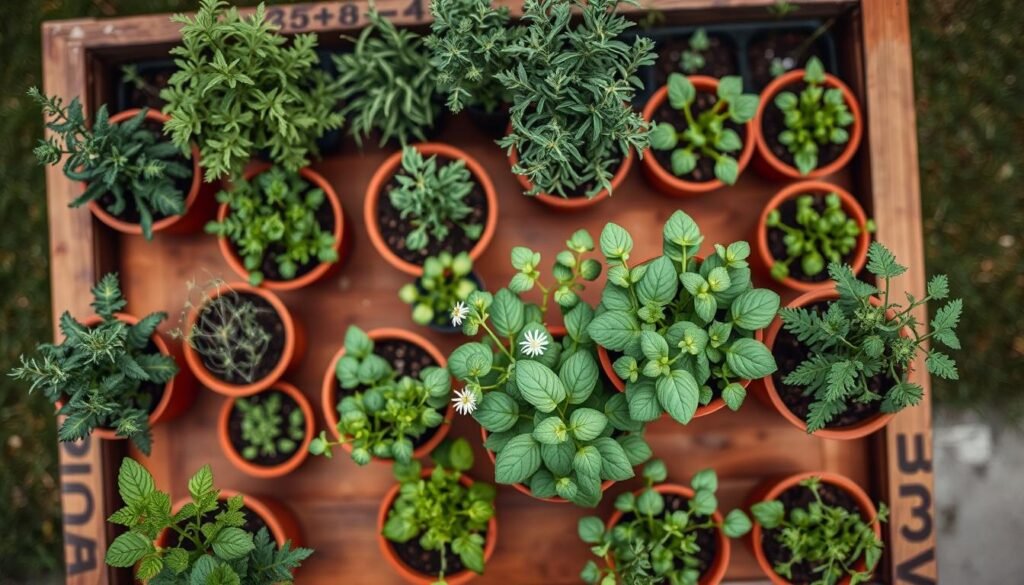
“Rotate pots a quarter-turn weekly and give plants room to breathe; small shifts make a big difference.”
Use light wind blocks on exposed balconies; steady breezes help, but gust tunnels stress plants. These placement choices are the easiest way to cut watering errors and leaf disease, and they make container gardening far more forgiving.
Season and Timing: Not Every Herb Loves Summer
Timing makes the difference between a pot that thrives and one that struggles. Know the seasonal window for each plant and you avoid many common mistakes.
How should you plan planting time? Track local frost dates and soil temperatures. Match seedling purchases to nursery availability and the real outdoor schedule for steady success.
Which plants want cool weather, and which want heat?
cilantro prefers cool springs and crisp falls. Sow or transplant it early in spring or in autumn. Expect it to bolt once heat sets in; that ends leaf quality quickly.
basil thrives in warm soil and warm nights. Wait until after frost danger to plant and move pots inside if cold nights threaten. Basil dislikes cold; it will slow or die when temperatures dip.
- Plan two waves: a cool-season group and a warm-season group so something always produces.
- Reseed cilantro every few weeks in spring for continuous harvests before summer heat.
- Shift pot locations with the season — full sun in spring, some afternoon shade in intense midsummer.
Rescue tip: If cilantro bolts, harvest seed heads for coriander, save seed, and replant in the cool window.
“Note planting and bolting dates each year — small records teach perfect timing fast.”
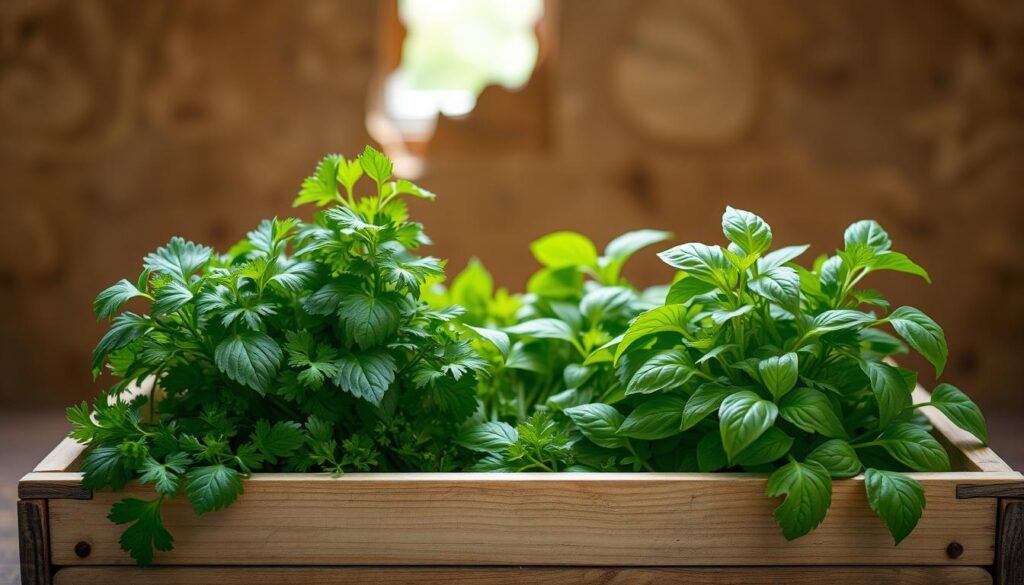
Mint, Oregano, and the “Feed Me Seymour” Problem
How do you stop runaway roots while keeping flavor front and center? Some common kitchen plants will quietly expand until they cover an entire bed. Use containment and smart variety choice to keep the rest of your garden balanced.
How can I fence in aggressive roots?
Containment plan: grow mint and oregano in pots, or sink sturdy containers into the soil so roots stay fenced in but the plot looks tidy. Choose a heavy plastic pot with drainage holes and set the rim at or just above the soil line for monitoring.
Which variety fits my cooking?
Read labels. Mediterranean oregano suits Italian sauces. Mexican oregano works best with chilis and beans. Spearmint brightens mojitos; applemint makes gentler teas and garnishes.
- Spacing: keep invasive containers a few feet from delicate plants to reduce competition.
- Maintenance: trim runners that appear at drainage holes and refresh potting mix yearly.
- Harvest tip: frequent tip cuts tame growth and yield the most aromatic sprigs.
“Plant the right variety for your dish, control the roots, and the whole garden wins.”
Conclusion
Small shifts in soil, water, and pruning add up to months of usable, aromatic leaves. Follow a short routine and your plants will reward you with steady growth and flavor.
Start with healthy seedlings and fresh potting mix blended with compost. Set pots with drainage in spots that fit each plant’s sun needs.
Water in the morning, check soil by touch, and prune from the top to build bushy growth. Pinch flowers early so leaves stay concentrated and tasty.
Contain runners like mint and oregano in their own pots. Time cilantro for cool windows and plant basil after frost to keep harvests rolling.
Quick checklist: two basil seedlings, one oregano, fresh mix + compost, containers with holes, and one pruning session this weekend.
FAQ
Why start with seedlings instead of seeds?
Seedlings give a faster, more reliable start. Seeds can fail from uneven moisture, poor soil contact, or dampening-off fungi. Picking sturdy starter plants reduces early losses and lets you learn watering, light needs, and pruning on a living example.
What went wrong when I tried to grow herbs from seed?
Common issues are overwatering, cold soil, and sowing too deeply. Seedlings need consistent warmth, light, and a light touch with water. If soil stays soggy or seeds are buried, tiny plants struggle to emerge and rot instead of growing.
Which herbs are best for beginners?
Start with basil, rosemary, thyme, and oregano. Basil is forgiving and shows watering mistakes quickly so you can learn. Rosemary and thyme tolerate dry conditions. Cilantro is great but prefers cool weather, so time it for spring or fall.
How often should I water herbs in pots?
Water when the top inch of soil feels dry. Most potted herbs like consistent moisture but hate being waterlogged. Morning watering helps leaves dry during the day and reduces disease risk. Adjust frequency by pot size, material, and weather.
Is daily watering better than weekly soaking?
Yes for many container herbs. Smaller pots dry quickly and benefit from shorter, regular waterings rather than long, infrequent soaks. Weekly soaking can stress roots between waterings and encourage shallow rooting.
Should I water from overhead or at the soil level?
Water at the soil level when possible. Overhead splashes wet foliage, which can invite fungal problems. Direct water to the root zone to keep leaves dry and plants healthy.
Do pots need drainage holes and rocks at the bottom?
Drainage holes are essential; they prevent root rot. Avoid using a layer of rocks — it can trap water in the soil above. Use well-draining potting mix and choose pots with ample drainage instead.
How should I prune herbs for better growth?
Prune early and often. Snip above a leaf node to encourage branching. For basil, cut stems to create a bushy “V” shape rather than letting plants grow tall and floppy. Regular harvesting is also a form of pruning that stimulates fresh growth.
Am I taking leaves the wrong way?
If you strip lower leaves or pinch the top without cutting properly, plants can become leggy. Always snip stems cleanly above a node and leave several healthy leaves so the plant can keep photosynthesizing and recovering.
Do I let herbs flower or pinch blooms off?
Pinch buds on many culinary herbs. Flowers divert energy and often reduce leaf flavor. Removing blooms keeps plants producing flavorful leaves longer, though you can let a few go to seed if you want harvestable seeds or pollinator benefits.
Can I use garden soil in pots?
Avoid garden soil in containers. It compacts, drains poorly, and may harbor pests or diseases. Use a light potting mix for containers and refresh the medium each year to keep roots healthy.
What simple amendments help soil in containers?
Add compost for steady nutrients. Crushed eggshells offer calcium and used coffee grounds give a modest nitrogen boost. Feed lightly with a balanced, diluted fertilizer to avoid washing out herb flavor.
How do I prevent herbs from becoming invasive (like mint)?
Plant aggressive species such as mint in their own buried pot or use a planter insert to contain roots. Regular trimming and monitoring also keep runners in check so they don’t overtake other plants.
Which pot material is best: terra cotta or plastic?
Terra cotta breathes and dries faster, which is good for Mediterranean herbs that prefer drier roots. Plastic and glazed pots retain moisture longer, suiting moisture-loving varieties. Match pot type to each plant’s needs and check soil moisture more often in porous pots.
How much sun do different herbs need?
Most culinary herbs prefer full sun (6+ hours). Oregano, rosemary, and thyme thrive in bright sun. Cilantro and parsley tolerate partial shade and cooler sites. Place plants by their light needs for best flavor and growth.
How should I space herbs to avoid fungal issues?
Give each plant room for air to circulate. Avoid crowding pots and keep spacing in garden beds so foliage dries quickly after watering. Good airflow reduces mildew and other fungal diseases.
When should I plant cilantro versus basil?
Cilantro prefers cool weather—plant in early spring or fall. Basil likes warm soil and air—wait until night temps stay above about 50–55°F. Timing plants to their seasons prevents bolting and flavor loss.
How can I read plant labels to choose varieties for cooking?
Look for flavor notes and growth habit on labels. Some oregano varieties are milder; others are robust for sauce. Choose compact varieties for pots and check that the flavor suits the dishes you cook most.
How often should I fertilize herbs without ruining flavor?
Fertilize lightly every 4–6 weeks during the growing season with a balanced, diluted fertilizer. Overfeeding makes lush growth but can dilute essential oils and reduce flavor. Compost and occasional feeding usually suffice.