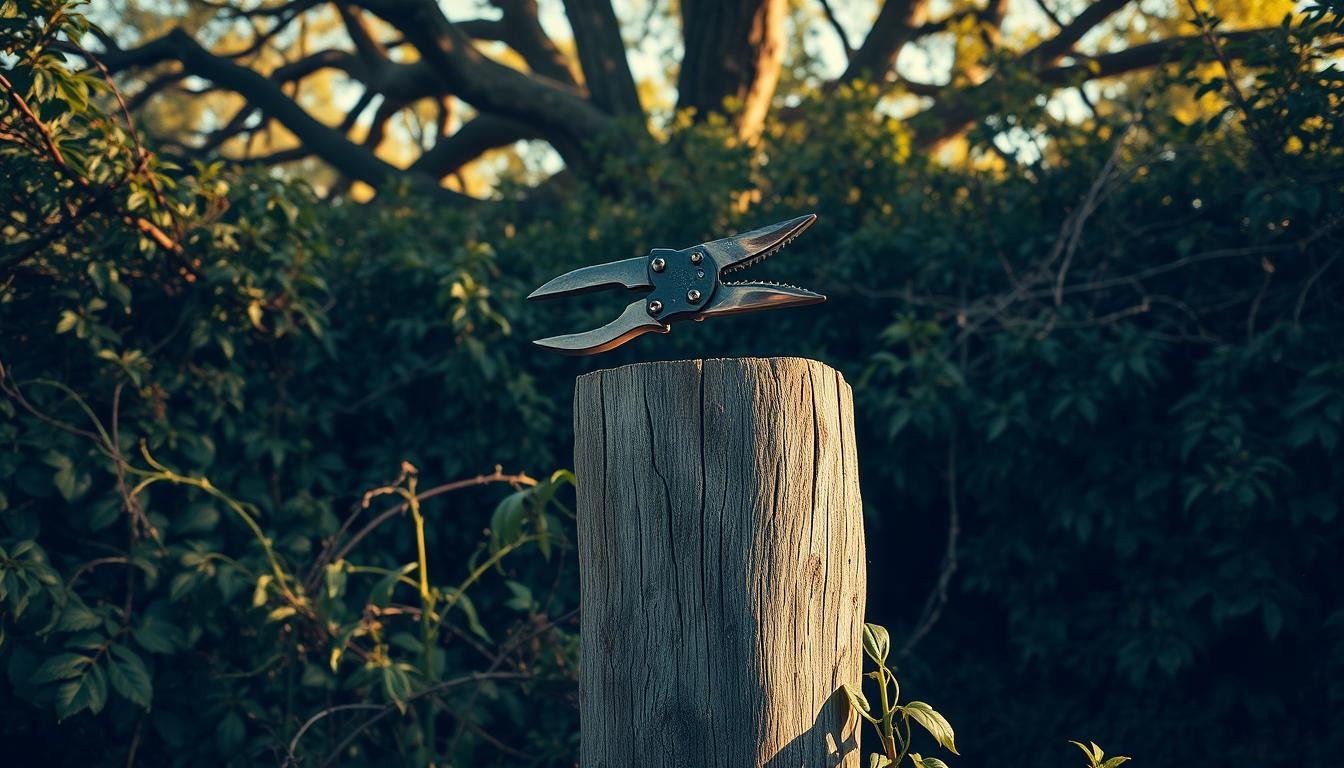
Which cut truly makes a difference in your garden: a clean shear or a crushing bite? This article answers that by focusing on a clear, practical moment in pruning that many gardeners miss.
Choosing between bypass and anvil models matters today when your tasks shift from soft plant care to tackling woody branches on a small tree. Bypass tools make a clean shear for live growth, while an anvil-style blade closes onto a softer metal anvil to crush and cut hard, dead wood.
If you face dry, tough branches or slippery materials like bamboo, anvil tools often save effort and produce safer cuts. We’ll show the exact scenario to pick an anvil model, compare mechanics and cut quality, and explain cutting capacities so you avoid damage.
For deeper reading on tool types and tested picks, see this helpful guide on anvil vs. bypass secateurs.
Key Takeaways
- Use bypass for green, living stems to get a clean, healing cut.
- Choose an anvil for old, dry, or tough wood that crimps or slips under shear blades.
- Stay within rated diameters (about 0.75–0.79″) to avoid poor cuts and tool damage.
- Some anvil designs reduce force with drawing-plus-pushing action for easier work.
- Having both types on hand saves time and prevents redoing pruning jobs.
Understanding Anvil vs. Bypass Pruners in Today’s Garden Tasks
Quick answer: Bypass and anvil tools cut differently, and that change matters for plant health and effort. Use the right type for the material to get cleaner cuts and less tool wear.
How a tool cuts—by slicing or by crushing—affects plant health and your effort. Both pruners and shears fit home gardens, but they do different work.
How bypass shears work
Bypass models use two sharp blades that pass each other like scissors. One blade slices while the hook holds the stem steady, giving a neat cut that seals quickly on live plant growth.
How anvil models cut
Anvil designs drive a single, double-beveled blade into a soft metal or plastic table, so the cut is a crush-and-cutting action. That helps on dry, tough branch or woody tree material that might skid under a shear.
Some manufacturers, like Original LÖWE, add an eccentric bearing to combine a drawing-plus-pushing stroke. This lowers squeeze force and keeps the edge off the anvil, reducing wear.
Capacity note: Quality hand pruners usually top out near 0.75–0.79 inches. For anything thicker, step up to loppers or a saw to avoid misalignment, chipped edges, or plant damage.
Simple rule: live growth favors bypass; dead or seasoned wood favors anvil. Match the tool to the material and your goal for the best result.
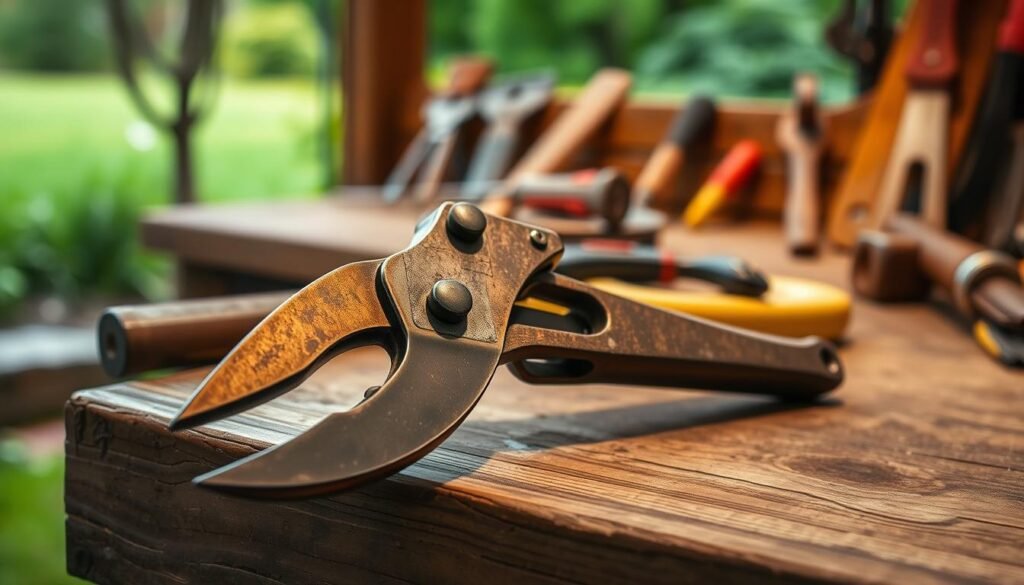
For picks and tested models, see the best hand pruners guide to match capacity and ergonomics to your garden.
Strengths and Trade-offs: Cut Quality, Plant Health, and Effort
Quick answer: Bypass pruners give cleaner wounds for live stems, while anvil pruners deliver leverage on dry, stubborn wood. Choose by material, not habit.
Clean, precise cuts on live tissue: why bypass models shine
Bypass pruners slice like scissors and make smooth cuts at the branch collar. That helps the plant seal wounds faster and lowers disease risk.
Power through tough, dry wood: where anvil tools excel
Anvil pruners press a blade against a backing plate to crush and cut. This stops blade twist on hard, seasoned wood and moves through knobby branches with less hand effort.
Diameter realities and tool escalation
Respect rated diameter limits: hand pruners are best under about 0.75–0.79 inches. For thicker limbs, step up to loppers or a saw to protect the tool and the tree.
User fatigue and grip strength
Some models use compound linkages to lower squeeze force and cut more in less time. That reduces effort on long jobs and helps gardeners with weaker grips.
- Bypass: best for live growth, tidy healing, and precise placement.
- Anvil: better for dead, tough material and small, stubborn nubs.
- Upgrade tools when diameter exceeds hand pruner limits to avoid damage.

The one situation where anvil pruner far superior
Quick answer:When wood resists a clean slice, a backed cutting face gives control, bite, and smoother finishes on dry or slippery material. Use this style for heavy day work, stubborn canes, and restorative shrub tasks.
Dead, dry, or knotty wood often crumbles under a slicing blade. A single-edge blade closing to a backing plate bites and finishes the cut. That stops twisting and torn fibers on seasoned branches.
Hard, shiny, or slippery material like bamboo, canes, or even garden hose can make blades slip. The backing surface stabilizes the blade, so the pruners hold and complete the cutting action rather than skidding.
Heavier cuts within rated diameter get more leverage from this design. Within the tool’s limits you feel less hand force while the cut closes fully.
Long pruning days and weaker grips benefit most. The drawing-plus-pushing action used by manufacturers like Original LÖWE lowers squeeze effort and keeps edges from dulling against the plate.
Restorative shrub and tree work—pollarding, coppicing, and taming ramblers—asks for reliable, supported cuts on seasoned stubs. For these tasks, choose backed cutting tools first and reserve bypass for fresh growth.

- Summary: when dry or slick material fights a shear, a backed cutting system gives safer, more consistent cuts during long pruning days.
When a Bypass Pruner Is the Better Choice
Quick answer: Bypass pruners make clean, scissor-like snips that protect living tissue and speed healing. They are the smart pick for most garden pruning on green stems and blooming flowers.
Live, green stems and flowers: minimizing tissue damage and healing time
Choose bypass for soft, active growth. The dual-blade action slices the vascular layer cleanly and lowers the chance of disease.
This makes cuts heal faster and keeps delicate tissue intact. Use these pruners for deadheading, softwood cuttings, and shaping roses and climbers.
Close, accurate cuts at the branch collar without leaving stubs
The hook supports the stem while the blade slices, so you can trim close to the branch collar without crushing the bark. That preserves the collar and reduces long‑term damage to a tree or shrub.
Tip: stop forcing a cut if the tool bogs down near 3/4″. Switch to loppers or a saw for thicker wood to protect the blade and the plant.

- Pick bypass pruners for live beds and mixed borders.
- Use bypass for precise framing cuts around flowers.
- Keep a small pair of shears for tight spots and quick deadheading.
Buying and Maintaining the Right Pair in the United States
Quick answer: Match a tool’s specs to your daily pruning jobs, then keep blades, pivots, and springs serviced so cuts stay clean and safe. A thoughtful purchase plus routine maintenance saves time and prevents damage to trees and tools.
What should I check before I buy?
Check cutting capacity first. Most quality hand tools rate near 0.75–0.79″. Pick a size that covers your typical branches and feels good in your hand.
Look for replaceable parts. Blades, springs, and screws should be sold on the brand’s site. Clear teardown diagrams make home servicing easy and save money over time.
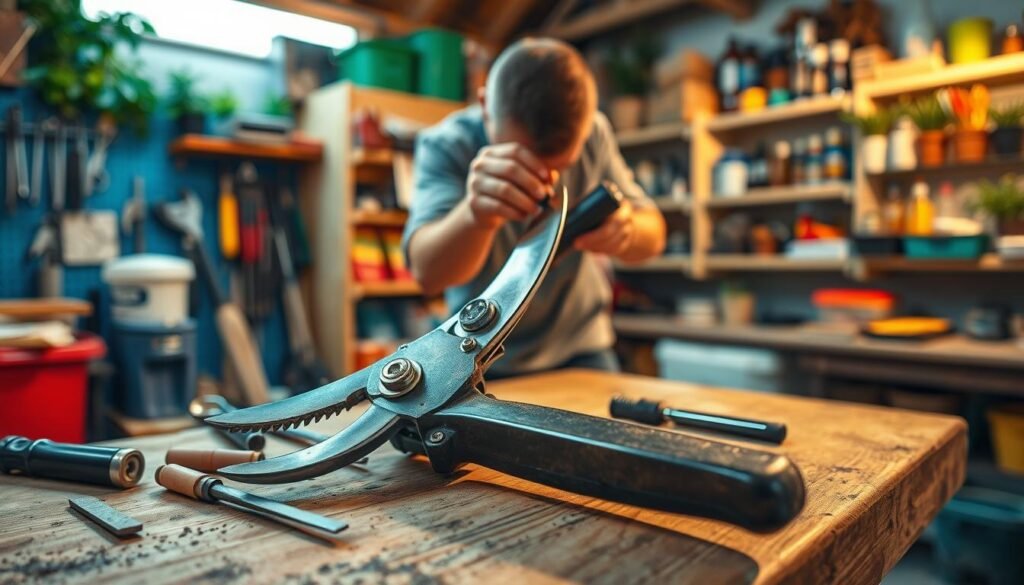
How do I maintain blades and performance?
Keep edges sharp at the factory bevel with a whetstone or diamond file. For backed cutting systems, hone only the cutting blade that meets the metal anvil.
Clean sap and grit after use. Many models include sap gutters and gearing to cut effort. A little oil on pivots and a fresh spring keep action smooth.
When should I upgrade tools?
Don’t force cuts beyond rated diameter. If a pruner stalls at about 3/4″, move to loppers or a pruning saw. That protects blades, pivots, and the plant.
- Fit & specs: match tool size to common cuts in your yard.
- Pair strategy: keep a precise bypass (Felco 6, 0.79″) and a power backed model (Wolf‑Garten RSEN, 0.75″) for most small tree work.
- Service plan: order parts from the brand site, align the blade, and test on scrap before pruning beds.
Final tip: Trust research-backed habits: check pivot tension, keep blades seated true, and replace worn parts. Small care routines extend tool life and make cutting easier today and for years to come.
Conclusion
,Quick answer:Bypasstools suit daily garden care and bloom work.Backed cuttingdesigns handle dry, stubborn wood with less hand strain.
Match the type to the task. Use bypass pruners for live stems and tidy cuts around flowers. Reach for backed or anvil pruners on hard, slippery, or knotty branches that resist a shear.
Own a pair. Having both styles lets you avoid forcing a cut and prevents tool and plant damage. If a hand tool stalls, step up to loppers or a saw to save time and effort on big pruning days.
Maintain blades and pivots. Keep edges sharp, clean sap, and oil springs so cutting stays smooth. Trust the research and your feel: the right tools make healthier plants and easier work all season.