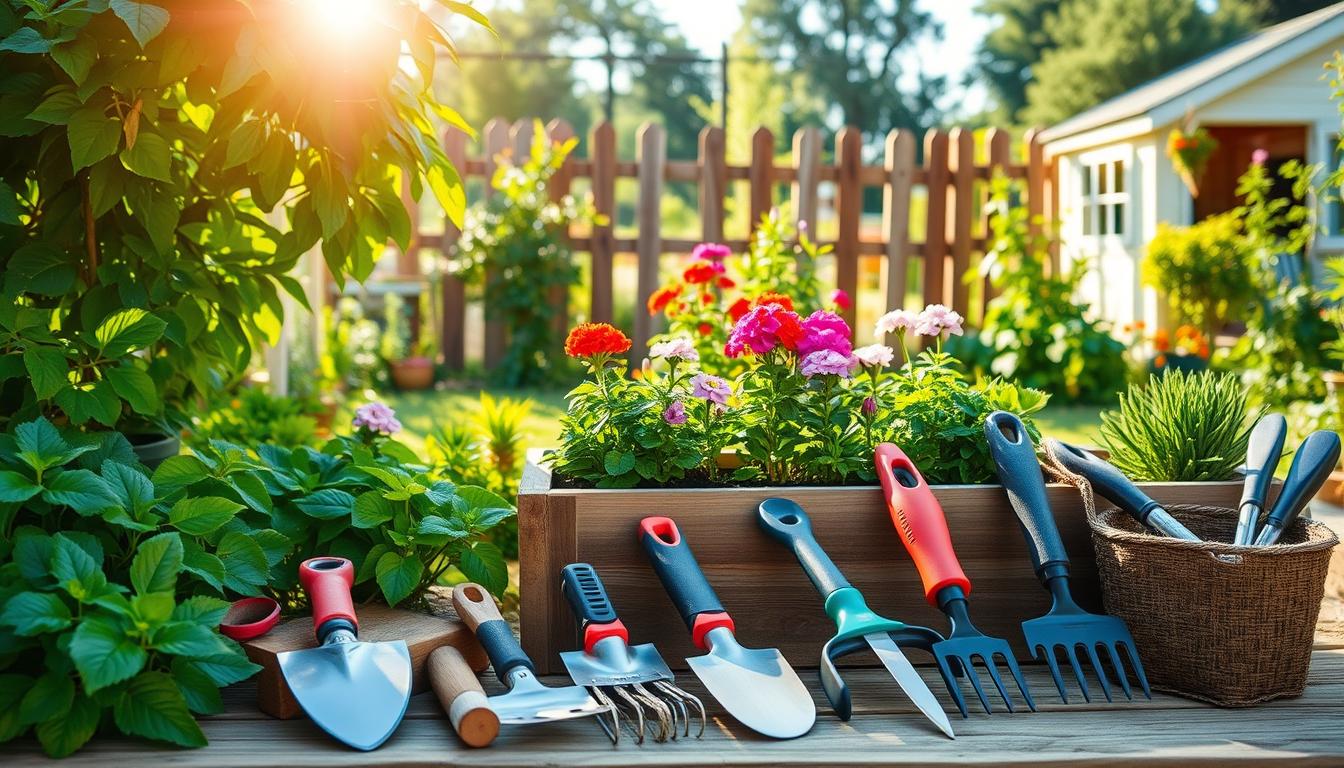
Want to stretch every dollar while growing a thriving summer patch? This guide shows practical picks that work hard without costing a lot. We picked gear real U.S. gardeners rate highly—items like sharp pruning shears, a snap-up potting mat, and a lightweight watering can.
Expect compact, durable pieces that feel good in hand and save time. From Velcro plant ties that gently support stems to an analog moisture meter that helps you water right, each pick helps plants stay healthy and happy.
We focus on comfort and value. Long handles and lightweight designs cut strain. A microbe-rich feed boosts fruiting. Small upgrades—like a fold-up mat—keep messes contained and chores faster.
Key Takeaways
- Find reliable, low-cost gear that lasts all summer.
- Choose items that reduce strain and speed tasks.
- Prioritize multi-use pieces like a long-handle weeder or watering can.
- Simple measuring tools improve watering and plant health.
- Small upgrades deliver big convenience for every gardener.
Smart budgeting for summer gardening in the United States
Keep spending simple this season with a plan that matches purchases to real needs. You can stretch dollars and avoid impulse buys by prioritizing a few high-impact items.
Smart spending begins with a short list of what truly matters this season. Start by naming the top three tasks: watering, pruning, and staking. Match each task to a single affordable item so purchases stay focused.
Many helpful items on Amazon sit below $25 and ship free for Prime members (or on orders $35+). Use that to your advantage: buy in phases across the growing season so costs spread over months.
- Buy by priority: get a watering helper first, pruning gear next, then support items as plants grow.
- Protect plant health: a moisture meter can prevent overwatering and save replacement costs down the road.
- Value per year: consider durable metal pieces like brass splitters that last multiple years versus cheap plastic that fails mid-summer.
One thing many gardeners forget: low-quality picks lead to repeat purchases over years. Of course, invest where water and weather hit hardest so heat and wind don’t undo your work.
How we picked the best sub-$25 garden tools and accessories
We used clear, material-led criteria so you get durable pieces that perform through the season.
Selection began with materials that stand up to weather and regular use. We favored carbon steel, stainless steel, and brass for parts that resist rust and keep edges sharp.
Key checkpoints:
- We screened each item for corrosion resistance and edge retention—good metal means longer life.
- We examined blade geometry and cutting edges to ensure clean, safe cuts.
- Ergonomics were vital; sturdy, comfortable handles reduce fatigue and improve control.
- We prioritized multi-season usefulness, from spring potting to peak watering and fall cleanup.
Real-user reviews guided reliability picks. For example, Fiskars pruning shears stood out for sharp blades and a reliable lock. A stainless steel and brass spike sprinkler scored for spray options. A long-handle crack weeder and a carbon steel Japanese fork-tip trowel offered durable, task-focused performance.
Quick comparison of notable picks
| Item | Material highlights | Primary use | Approx. price |
|---|---|---|---|
| Fiskars pruning shears | Hardened steel blades, locking handle | Pruning small stems, clean cuts | $14 |
| Stainless steel & brass spike sprinkler | Stainless steel body, brass spike | Adjustable lawn/bed watering | $25 |
| Long-handle crack weeder | Stainless steel edge, long shaft | Weeding between pavers, deep roots | $16 |
| Carbon steel Japanese fork-tip trowel | Carbon steel fork tip, compact head | Digging, repotting, aeration | $18 |
Essential hand tools under $25 to tackle soil and planting
Small, reliable hand gear covers most digging, weeding, and precision work for new and steady growers. These picks fit in a bucket or belt and move easily from raised beds to pots.
Start with three compact pieces and you’ll handle about 80% of routine tasks. Each item below is practical for beginners and helpful to intermediate gardeners who want durable, simple gear.
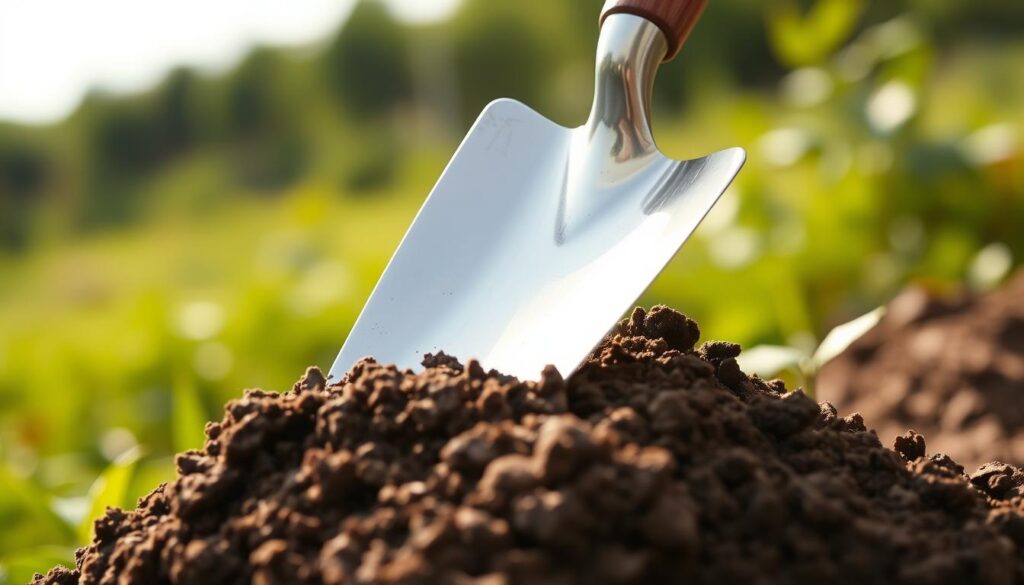
Japanese steel fork-tip trowel: a digging and weeding double-duty blade
The Japanese fork-tip trowel blends a carbon steel blade with a wooden handle for compact power. It digs, slices roots, and weeds tight beds and pots with control.
- The sharp carbon edge helps pop out taproots cleanly.
- Use it to plant seedlings and split small clumps without a big tool.
Three-prong stainless cultivator with oak handle
A three-prong stainless cultivator loosens soil, mixes in compost, and aerates around plants without harming feeder roots. The polished prongs and oak handle balance comfort and durability.
Wee Snips garden scissors for delicate stems and flowers
Nutscene Wee Snips offer a small, precise blade for deadheading and light harvesting. Keep them near beds for clipping herbs and flowers where larger shears feel clumsy.
“Compact tools save time and reduce strain—buy once, use all season.”
| Item | Material | Primary use | Approx. price |
|---|---|---|---|
| Japanese fork-tip trowel | Carbon steel blade, wood handle | Digging, weeding, seedling planting | $18 (Terrain) |
| Three-prong cultivator | Polished stainless prongs, oak handle | Loosening soil, aeration, mixing compost | $12.30 (Amazon) |
| Nutscene Wee Snips | Small steel blade | Deadheading, light thinning, herb harvest | $12 (Ancient Industries) |
Sharp and safe: affordable pruning shears for clean cuts
A compact pruning pair keeps trims quick and wounds small. Choose sharp, sturdy shears and you lower disease risk while shaping growth.
A sharp, reliable pair of shears changes trimming from a chore into a quick, precise habit. Clean cuts heal faster and reduce disease on roses, shrubs, and fruiting bushes.
Fiskars pruners with easy lock and pocket-friendly design
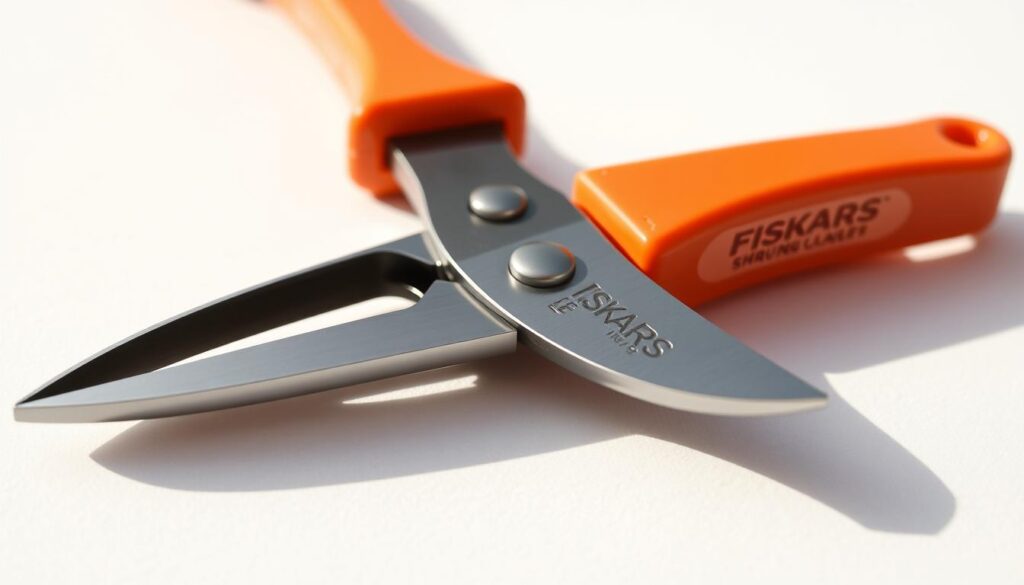
Fiskars pruners (~$14) earn praise for very sharp blades and an easy lock. Users like that the tool slips into a pocket so frequent trimming stays convenient. Solid steel parts and a comfortable grip make repetitive cuts less tiring for your hands.
- Quick benefit: sharp cuts heal faster, protecting the plant.
- Safety: the easy lock keeps the pruner closed in your pocket to protect your hands.
- Use tip: cut green stems and small woody growth; match branch thickness to capacity to avoid crushing.
- Care: clean blades after use, apply light oil, and store locked and dry.
- Technique: make angled cuts just above an outward-facing bud to shape bushes and improve airflow.
| Feature | Why it matters | Practical tip |
|---|---|---|
| Sharp blades | Clean cuts reduce disease | Sharpen or replace when nicks appear |
| Locking mechanism | Protects hands and pockets | Always lock before walking between beds |
| Steel construction | Durable and rust-resistant | Wipe dry and oil after heavy use |
“A reliable pruner becomes the small tool you reach for every day.”
Weed control that saves your back (and your patio)
Want a tidy path without kneeling? A long-handle crack weeder keeps you upright and speeds seam cleanup in small spaces.
Save your back and keep paths tidy with a simple, long-handled weeder built for seams.
The long-handle crack weeder (~$16 on Amazon) features a sharp-sided stainless steel edge and a sturdy 13-inch grip. It slices roots and pulls moss from joints with little effort.
How this ergonomic weeder helps
- Stand while you work: the long handle prevents constant kneeling, protecting your back during longer sessions.
- Clean seams fast: the sharp edge removes roots and reduces slip hazards from moss.
- Smart technique: work down each seam, pull debris toward you, then sweep into a dustpan.
- Timing tip: weed after rain or a light soak for easier root removal and faster cleanup.
| Feature | Why it matters | Quick tip |
|---|---|---|
| 13-inch handle | Reduces bending and strain | Stand upright and use short pulls |
| Sharp-sided stainless steel blade | Slices roots and moss cleanly | Use along joints, not wide flower beds |
| Lightweight construction | Eases repetitive use | Pair with a small bucket for debris |
“Regular, short passes prevent stubborn regrowth and keep patios looking cared for.”
Potting and repotting on the patio without the mess
Keep soil contained and potting tidy with a compact setup you can pack away. A quick, organized workflow saves time and keeps your patio clean while you transplant seedlings or refresh containers.
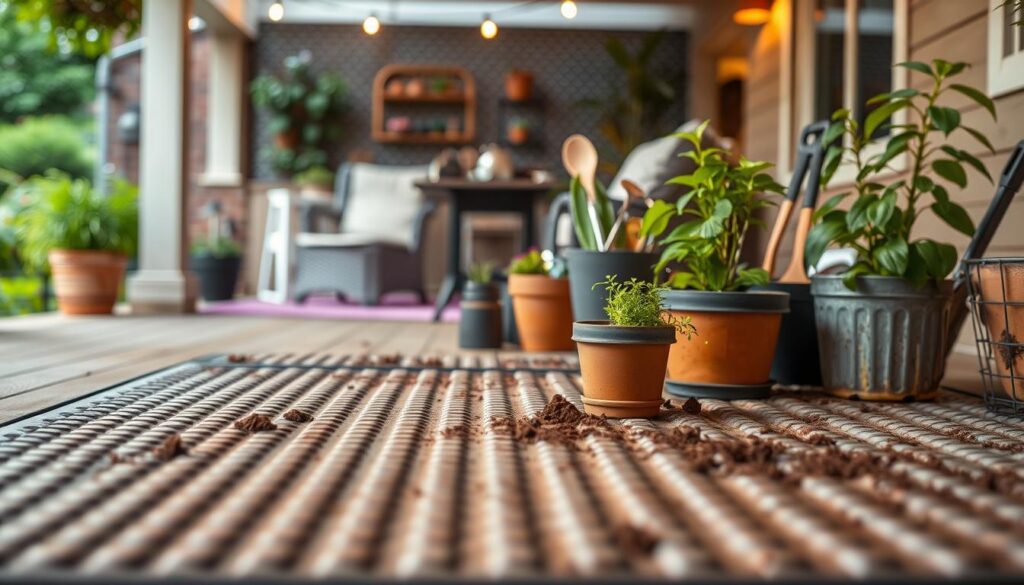
How does a waterproof fold-up mat speed repotting?
Lay the mat flat on the patio to create a spill-proof workspace. Snap the corners up to form a shallow tray and keep loose soil in one place.
Use it to divide houseplants or move seedlings without streaking dirt across deck boards.
What are peat pallets and how do you use them?
Hydrate a peat pallet with warm water and let it expand. Tuck seeds or small starts into the plug, then transplant the whole plug into a pot when roots fill out.
- Pre-moisten potting mix to reduce dust and help roots settle.
- Keep a small set of hand tools nearby: a trowel, snips, and a scoop for smooth work.
- Label each pot as you go and stage finished plants together for easy watering and checks.
“A simple mat and a few peat plugs make repotting fast, neat, and low-mess.”
Plant support and training solutions that are gentle but strong
Keep stems safe while you train growth with simple, reusable supports. These picks protect soft tissue, let air circulate, and make seasonal adjustments easy for every gardener.
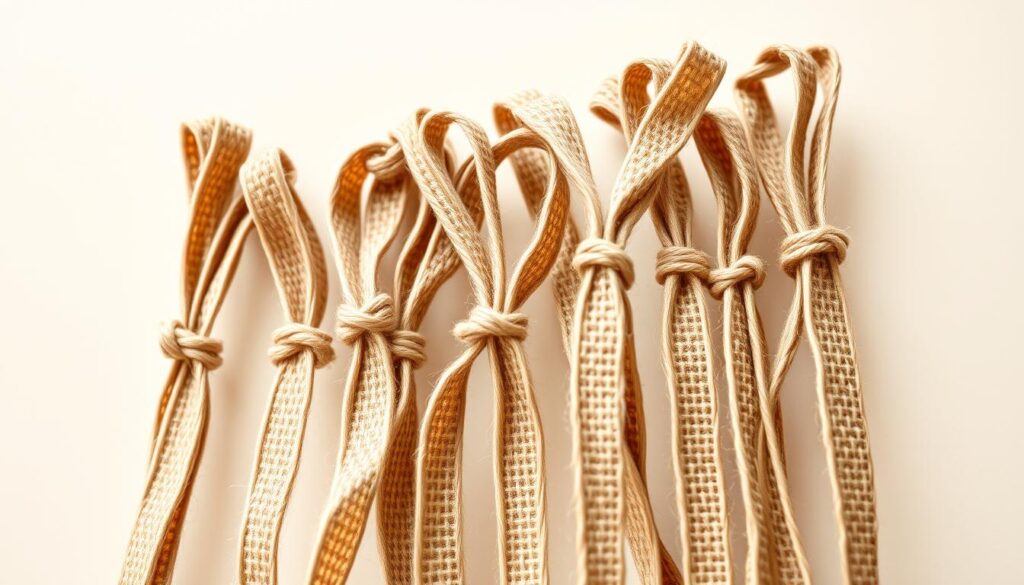
Velcro plant tie tape for tomatoes, peppers, and houseplants
Use soft Velcro ties to secure stems without pinching. The weather-resistant tape (~$12 on Amazon) grips well and adjusts as a stem thickens.
Wrap a loose figure-eight around the stem and stake. Leave room for growth and airflow. Check ties after rain and after growth spurts, then refresh if they feel tight.
Nutscene jute twine in multiple colors for staking and trellising
Choose jute in different colors to keep tasks clear and tidy. Nutscene sets (~$14.95 at Williams-Sonoma) work for trellises, bundles, and simple stakes.
- Color-code tasks—use green for tomatoes and natural for peas to spot supports quickly.
- Train vines early, tying gently at regular intervals to distribute weight and reduce breakage.
- Combine one stake, a few ties, and twine to guide upright growth and boost sun exposure.
“Soft, reusable supports save stems and let plants move a little—exactly what young growth needs.”
Watering made easy: cans and sprinklers that won’t break the bank
Simple tools deliver the right amount of water where roots need it most. Use a lightweight can for precise work and a spike sprinkler for area coverage.
Simple, steady watering makes the difference between a tired bed and thriving plants.
Lightweight long-neck watering can with removable spout
How does a long-neck can help seedling care?
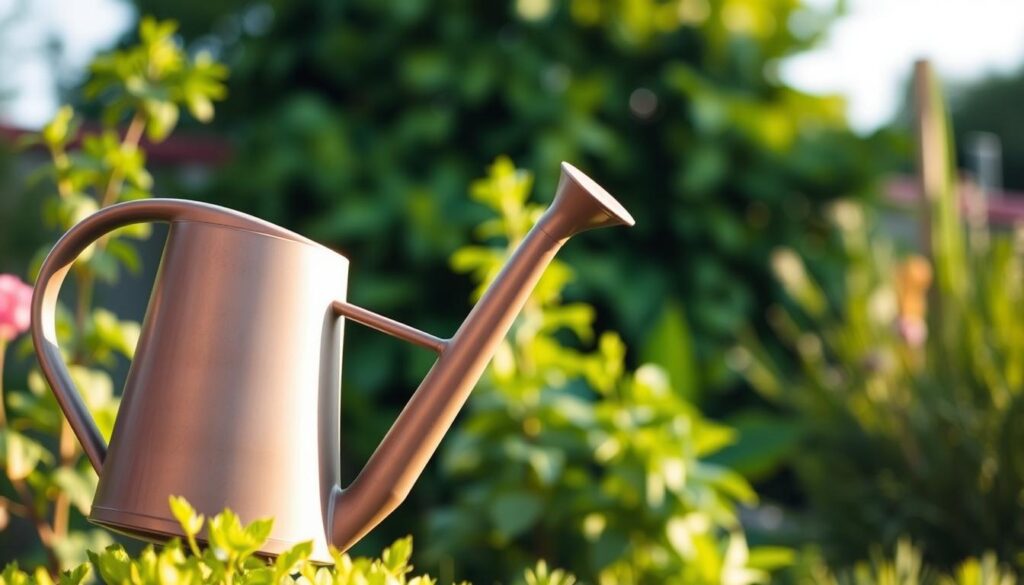
Choose a long-neck can (~$23) made from sturdy PP resin. The narrow spout gives precise flow at the soil line. Keep foliage dry to cut disease risk for herbs and flowers.
Attach the removable spout for a soft sprinkle over young seedlings. Remove it for a steady pour into larger containers. This one small switch changes how quickly roots settle.
When should you reach for a spike sprinkler?
A stainless steel and brass spike sprinkler (~$25) stays put and offers three spray patterns. Pick a pattern that matches bed size and plant density to avoid waste.
- Place sprinklers where roots, not paths, benefit and adjust to keep patios dry.
- Water early morning during heat waves so plants absorb moisture before midday sun.
- Check soil moisture a few inches down before watering to prevent overwatering.
“A long-neck can and a reliable spike sprinkler cover most small yards and container setups with minimal fuss.”
Hose management for busy summer watering
A heavy brass faucet splitter lets you run two lines at once and saves time each week. Use one hose for a soaker and the other for a spray nozzle. This setup reduces trips and keeps watering consistent.
A reliable splitter turns one tap into two steady zones for daily care. Start with a solid brass unit that has large, easy-turn shutoff valves. Users report few leaks and steady performance through the season.
How can one connector speed routine tasks?
Practical benefits:
- Run two zones: soaker for beds and spray for containers—no swapping fittings.
- Easy operation: large valves move smoothly with a wet or gloved hand and the sturdy handle cuts fiddling time.
- Protect your back: route hoses to avoid heavy lifting and shield tender plants from accidental tugs.
- Pair with a timer: set it once and let the system water while you focus on other chores.
| Feature | Why it helps | Practical tip |
|---|---|---|
| Brass body | Resists corrosion and holds seals | Keep connectors shaded when idle |
| Large shutoff valves | Operate easily with gloves or wet hands | Turn fully to avoid drips |
| Dual outlets | Run soaker and spray at once | Assign one hose to beds and one to containers |
“The splitter saved me trips and kept my containers watered while I worked elsewhere.”
Know your soil: budget-friendly testing and nutrition
Measure first, act second — simple checks stop guesswork in its tracks. Quick diagnostics and a light feed early in the season set roots up for success.
What simple steps help most?
How can a single analog meter change your watering routine?
An analog moisture and pH meter (~$14 with coupon) reads moisture and acidity without batteries. It gives instant feedback for each pot and bed. Users praise its accuracy for container crops.
When should you add microbes and nutrients?
Try a microbe-rich formula like Miracle-Gro (~$17) early in the season. Reviewers report stronger fruit set in tomatoes and cucumbers after one application.
- Check moisture before watering to avoid stress; the analog meter is instant and simple.
- Test several spots in the same container—roots experience different wetness.
- Track pH if a plant underperforms; many edibles prefer slight acidity.
- Feed lightly with a microbe-rich mix to boost root vigor and fruiting.
- Start small and observe; overfeeding can favor foliage over blooms.
“This simple thing—measure first, then water and feed—prevents guesswork, saves supplies, and helps plants thrive.”
For hydro systems or compact beds, diagnostics pair well with a hydroponic herb garden approach, where precise moisture and nutrition matter most.
Protecting fruits and pollinator habitats without chemicals
Keep fruit safe and support pollinators by using visible, removable netting that you can open during bloom and close at ripening. This balances harvest protection with habitat care and reduces the need for sprays.
Use tactical netting to shield tender fruit and to monitor caterpillars through their stages without chemicals. A fine mesh net (~$18 on Amazon) blocks birds while still allowing air and light to reach the crop.
How can gentle mesh help both fruit and wildlife?
Drape netting over a single branch or a small bed, not the whole plot. Secure edges with clips or stones so small animals can’t slip in from the sides.
- Drape fine mesh over fruiting plants to deter birds while you watch ripening.
- Check daily for pollinator activity—open netting during flowers so bees can access nectar.
- Use bright edge flags or visible colors so people and wildlife spot the barrier and avoid tangles.
- Time coverage to protect fruiting, not blooming; one careful habit is to remove netting after caterpillars complete metamorphosis.
“I kept monarch and swallowtail caterpillars safe under netting and removed it after they emerged—no chemicals, just patience.”
Backyard cleanup tools that keep hands clean and chores quick
Daily cleanup should be fast, ergonomic, and sanitary. A metal pooper scooper kit lets you clear waste while standing upright, protecting your back and keeping your hands clean.
Daily cleanups stay quick when you choose gear that keeps waste off your hands and paths. The metal scooper set (~$14 on Amazon) includes a small rake and a long-handled dustpan made for grass and patio surfaces.
What makes a metal scooper set worth it?
Ergonomics matter: the long handle keeps you upright so your back takes less strain during routine sweeps.
Speed and cleanliness: rake debris into the pan for a single, tidy scoop. The walk-and-scoop design cuts task time and reduces smears on concrete or lawn.
Durable metal build: metal construction resists wear and rinses clean. Users praise how the set holds up to frequent use in pet-heavy yards.
- Station the set by the gate to encourage quick, regular tidy-ups.
- Sanitize weekly with a mild solution and air-dry in sun to reduce odors and germs.
- Clear paths make weekend chores easier and safer for children and pets.
“A simple scooper kit turned daily cleanup into a two-minute habit—no bending, no mess.”
Little things that make a big difference in the garden
Small, purposeful add-ons keep work calm and clear. They help you find plants fast, carry supplies easily, and reduce daily fuss.
Tiny, well-chosen items can keep your beds tidy and your workflow smooth. They do more than save time; they cut guesswork when seedlings look alike.
Slate garden markers with a white chinagraph pencil — how do they help?
New York State slate markers (about $18.95 at Kaufmann Mercantile) pair with a white chinagraph pencil to give bold, weather-resistant labels.
Write variety names, sowing dates, or feed notes. Wipe them clean with soap and water to reuse each season. Jotting notes reduces mix-ups in a crowded pot or bed.
Galvanized bucket with wooden handle — why carry one?
Redecker galvanized buckets are praised for a practical size and a solid wooden handle. The zinc-coated steel shell won’t flex when you haul soil, tools, or cut flowers.
Use the bucket as a mobile caddy: stash your set of snips, twine, labels, and a small trowel so everything is at hand during repotting.
- Labeling with slate keeps plant names clear and wipes clean for reuse.
- Chinagraph writes boldly and resists rain, so dates and notes stay readable.
- Galvanized steel buckets hold soil or blooms without cracking.
- Jot notes for pots and bed rows to cut early-season guesswork.
It’s the small things—clear labels and a sturdy carry-all—that keep work calm and organized.
gardening on budget best tools under $25: quick-reference roundup
This quick checklist gathers pocket-friendly picks that cover daily chores and seasonal needs. Use it to shop fast and build a compact, reliable kit for beds and pots.
Pick a few items now and add others as plants grow. The list below prioritizes utility, comfort, and long life for minimal spend.
- Must-have garden tools: Fiskars pruners, Japanese trowel, Joseph Bentley cultivator.
- Precision add-ons: Nutscene Wee scissors for deadheading and small harvests.
- Watering helpers: long-neck watering can and spike sprinkler for flexible coverage.
- Setup speed-ups: heavy brass faucet splitter and waterproof fold-up potting mat.
- Support & health: Velcro tie tape, analog moisture/pH meter, and Miracle-Gro microbe formula.
- Protection & cleanup: gentle mesh netting and metal pooper scooper set with a small rake.
- Labels & carry: slate markers plus a galvanized bucket to keep a tidy set of supplies.
| Item | Why buy | Approx. price |
|---|---|---|
| Fiskars pruners | Sharp, pocket-friendly for daily cuts | $14 |
| Japanese fork-tip trowel | Digging, repotting, and root work in tight spaces | $18 |
| Analog moisture/pH meter | Quick moisture checks to avoid overwatering | $14 |
| Velcro tie tape | Gentle stem support that adjusts as plants grow | $12 |
“A focused list helps you buy once and use all season.”
Don’t forget comfort: add a pair of leather gloves to protect hands while you work. Small choices like this keep chores quick and pleasant.
Conclusion
A small kit of reliable pieces sets you up to handle most chores with calm confidence.
Pick a few smart items and you’ll cover the essentials for the season. Start with pruning shears, a trowel, and a cultivator to handle beds, containers, and bushes. Add a splitter, potting mat, and moisture meter to save time and avoid common mistakes.
Care basics matter: water deeply, prune cleanly, and feed modestly so plants respond well. Revisit your gear over the years and upgrade only where comfort and durability earn their keep.
Ready for the next step? For a reliable pruning pick and more recommendations, see our guide to recommended pruners. With the right gloves and a single good tool set, any gardener can grow more with less.
FAQ
What are the most useful hand tools under for digging, planting, and weeding?
Look for a sturdy Japanese steel fork-tip trowel for digging and weeding, a three-prong stainless steel cultivator with a solid oak handle for loosening soil, and a pair of Wee Snips garden scissors for precise stem work. These items balance sharpness, corrosion resistance, and comfort while staying wallet-friendly.
How can I choose pruning shears under that are sharp and safe?
Choose trusted brands like Fiskars for simple, reliable pruners with an easy-lock feature and comfortable grip. Check for a clean bypass blade action, a secure locking mechanism, and replaceable blades or sharpening ability to extend life through multiple seasons.
Are there affordable solutions for watering that still last the summer?
Yes. A lightweight long-neck watering can with a removable spout gives precise pour control, while a stainless steel spike sprinkler with adjustable spray patterns covers beds and lawn patches. Pair these with a heavy-duty brass faucet splitter to water two zones without constant hose swapping.
What do I need for potting and repotting on a patio without making a big mess?
A waterproof fold-up potting mat that snaps into a tray keeps soil contained and doubles as a cleanup surface. Use peat pellets that expand for clean seed starts and reduce transplant shock. A small galvanized bucket works well for carrying potting mix and tools.
How can I control weeds between pavers without bending over all the time?
A long-handle crack weeder with a stainless-steel edge removes roots between pavers while protecting your back. Follow up with a layer of polymeric sand or mulch to limit regrowth and reduce future maintenance.
What inexpensive soil tests or amendments should I keep on hand?
An analog moisture and pH meter helps prevent over- and under-watering and quickly identifies pH issues. For nutrition, small bags of Miracle-Gro or similar microbe-rich formulas give an affordable boost for fruiting plants and container growth.
Which plant support options under are best for tomatoes and peppers?
Use Velcro plant tie tape for gentle, reusable support on stems and branches. For heavier training, Nutscene jute twine provides natural strength and comes in pleasant colors for staking and trellising without damaging bark or stems.
How do I protect fruit and pollinators without pesticides on a small budget?
Lightweight mesh netting can shield ripening fruit from birds while still allowing pollinators access when applied selectively. Use the netting with frames or hoops so pollinators can reach flowers during key bloom periods.
What small cleanup tools make post-season chores faster and cleaner?
A metal pooper scooper set with a rake and long-handled dustpan speeds debris collection. Keep a pair of durable garden gloves and a galvanized bucket to gather trimmings and move compostable material quickly.
Which durable materials should I prioritize when buying inexpensive tools?
Prioritize stainless steel, carbon steel, or brass for blades and edges to resist rust. For handles, look for hardwoods like oak or reinforced plastic with ergonomic grips. These choices extend tool life even with frequent summer use.
Can I get quality blades and scissors for under that hold an edge?
Yes. Budget-friendly garden scissors and pruners from reputable brands often use hardened steel or coated stainless blades that hold a sharp edge. Regular cleaning, drying, and occasional sharpening will keep them cutting well season after season.
What little accessories under add the most convenience to container care?
Slate garden markers with a chinagraph pencil keep labels visible through seasons. A compact hand rake, a small watering can, and a few peat pellets make potting and seasonal rotation tidy and efficient.
Where can I find these sub- items from trusted sellers?
Check national retailers like Home Depot, Lowe’s, Tractor Supply, and Amazon, plus garden centers such as Burpee or Bonnie Plants for trusted-brand items. Look for product reviews and spec listings that confirm materials like stainless steel or solid wood handles before buying.