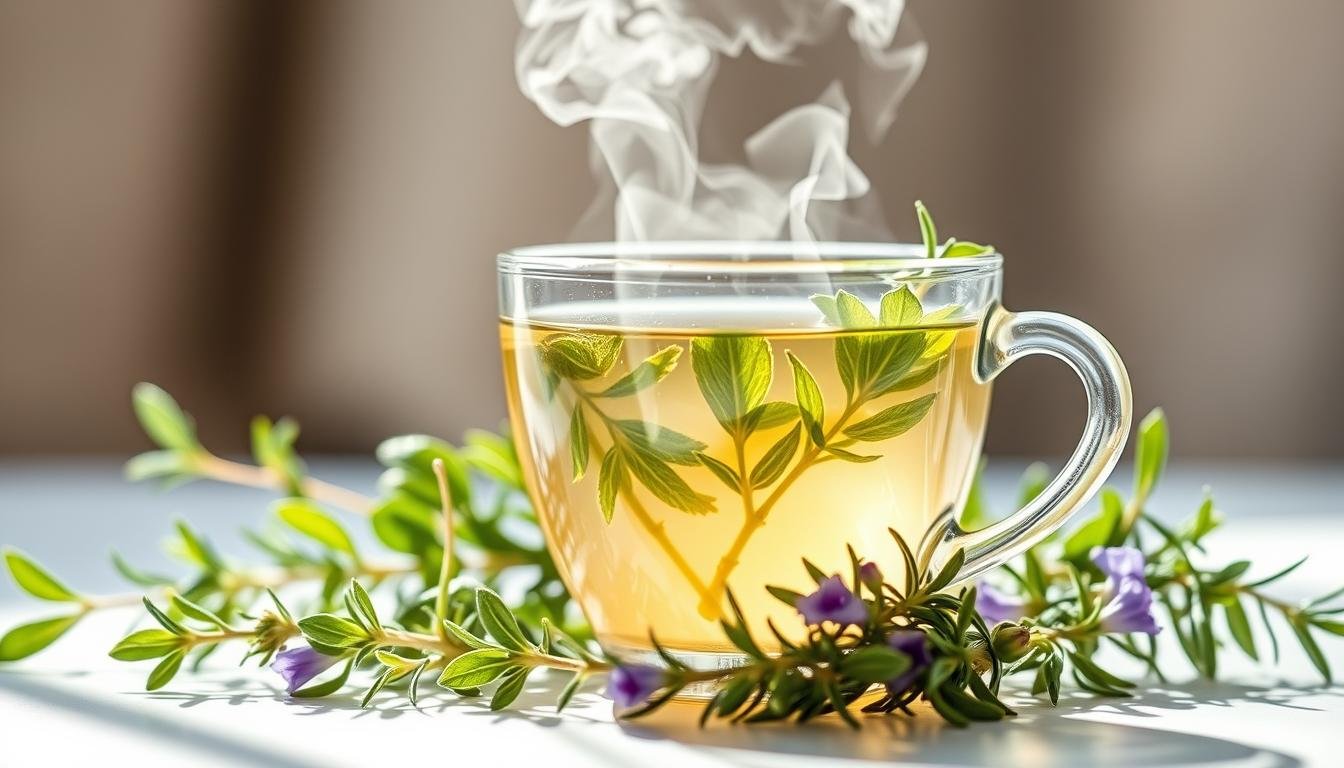
Fresh lemon balm and rosemary can make a simple morning tea feel more useful than a rushed cup from the pantry. The best results come from picking clean, healthy sprigs, brewing them gently, and growing enough herbs so the routine is easy to repeat.
This guide keeps the focus on the garden first: when to harvest, how to handle the herbs, how to brew a balanced cup, and how to keep lemon balm and rosemary growing in containers, windowsill pots, or a backyard herb bed.
Quick answer
For a balanced lemon balm and rosemary tea, harvest lemon balm leaves and a small rosemary sprig after the leaves are dry, rinse them briefly, then steep them in hot water for about 7 to 10 minutes.
Lemon balm gives the cup a soft citrus flavor, while rosemary adds a sharper herbal note. Use rosemary lightly, especially if you are new to the blend, because it can take over the flavor quickly.
The easiest repeatable method: keep a small herb-growing spot near the kitchen, use clean snips for harvesting, and brew loose fresh herbs in a mug or teapot without overcomplicating the routine.
Key takeaways
- Harvest after dew has dried so the leaves are cleaner and less watery.
- Use tender lemon balm tips and a small rosemary sprig for a smoother cup.
- Rinse and dry herbs gently before brewing, especially if they came from an outdoor bed.
- Steep covered so the aroma stays in the cup instead of escaping with the steam.
- Grow lemon balm with room to spread and rosemary with good drainage, because their habits are very different.
Helpful products at a glance
These small support items fit the harvest-to-cup routine without turning the process into a full kitchen or garden setup.
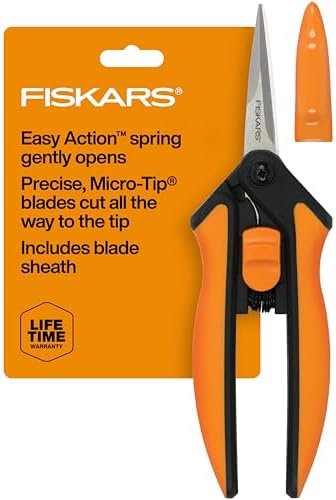
Best for clean herb harvesting because the micro-tip design suits small stems
- GARDENING ESSENTIAL: With these stainless steel blade gardening shears, pruning tasks like cutting flower stems or maintaining your herb garden are easier with fast and clean cuts
- MAXIMUM POWER AND PRECISION: Micro-tip blades on these garden clippers (handheld) cut all the way to the tip for clean, healthy cuts making these great plant pruning shears
Best for mug brewing because it keeps loose fresh herbs contained
- Permanent filter that is suitable for brewing tea, coffee, and herbs.
- Brewing Basket is made of stainless-steel micro-mesh in a heat-tolerant frame from BPA-free material.

Best for small indoor herb starts because the set includes drainage and a tray
- Complete 3-Pot Set: Includes 3 planters (4.7" diameter) + 1 drip tray (13.8" length) - everything you need in one package
- 12% More Soil Capacity: Compared to standard 4.2" pots, our larger design means healthier roots and thriving plants - suitable for basil, mint, rosemary, thyme, succulents, and flowers

Why lemon balm and rosemary work well together
Lemon balm is usually the softer herb in the cup. It has a mild lemony scent and a gentle green flavor that works well as the base of a fresh herbal tea.
Rosemary is stronger. A small sprig can add a clean, pine-like edge, but too much can make the tea taste woody or sharp. That is why this blend works best when lemon balm leads and rosemary supports.
A good fresh herb tea should taste clean and repeatable, not so strong that you only want it once.
| Herb | Best role in tea | What to harvest | Use lightly when |
|---|---|---|---|
| Lemon balm | Main fresh, citrusy base | Tender leaves and soft tips | The plant is stressed, yellowing, or dusty |
| Rosemary | Small aromatic accent | Young sprig tips, not thick woody stems | You prefer a mild cup or plan to drink it in the evening |
| Both together | Balanced garden tea | Fresh, clean, undamaged growth | The leaves are wet, wilted, or recently treated |
When to harvest lemon balm and rosemary for tea
Harvest when the leaves are dry and the plants look fresh. Late morning is often a practical window because dew has usually lifted, but the herbs have not been sitting through the hottest part of the day.
Pick only from healthy growth. Skip yellowing leaves, damaged stems, or any plant material that looks dusty, diseased, or recently exposed to sprays.
For lemon balm, choose tender leaves near the top of the plant. For rosemary, snip a short young sprig rather than a thick woody stem. Thick rosemary stems can taste harsher and are not as pleasant in a quick tea.
Do not strip the plant bare. Take only what you need for the cup, especially from young plants. Regular light harvesting is easier on most herbs than occasional heavy cutting.
Best time of day to pick
Choose a dry, mild part of the day. Wet leaves can dilute flavor and make storage messier, while hot afternoon harvests may leave herbs limp before you brew them.
If you are harvesting from a patio pot or indoor planter, the same rule still helps: pick when the plant is dry, clean, and not stressed from heat or overwatering.
Tools and hygiene: shears, water rinse, and drying
Clean handling matters because these herbs are going straight into a cup. Wash your hands, use a clean cutting tool, and keep the harvested sprigs away from soil, mulch, and dirty surfaces.
Sharp, small snips can make the harvest tidier than tearing leaves by hand. For gardeners who harvest herbs often, a dedicated tool such as this small garden snip on Amazon may be useful for tender stems and tight herb growth.
After cutting, rinse the herbs briefly in cool water. Swish them gently, then pat dry with a clean towel or let them air-dry for a few minutes before steeping.
For gardeners who harvest lemon balm and rosemary often, a small pair of clean herb snips can make the cutting step tidier without turning the routine into a complicated setup.
- GARDENING ESSENTIAL: With these stainless steel blade gardening shears, pruning tasks like cutting flower stems or maintaining your herb garden are easier with fast and clean cuts
- MAXIMUM POWER AND PRECISION: Micro-tip blades on these garden clippers (handheld) cut all the way to the tip for clean, healthy cuts making these great plant pruning shears
- LONG-LASTING AND RELIABLE: Stainless steel blades stay sharp through heavy use and provide excellent durability for lasting value; Fiskars garden pruners and tools are built to last
- QUALITY GARDEN TOOLS: Designed to help you cultivate a better garden, Fiskars hand pruners are equipped with smart technologies and award-winning, ergonomic features that make it easier and more enjoyable to transform your outdoor space
How much to cut for one cup
For one large mug, start with a small handful of fresh lemon balm leaves and one small rosemary sprig. If the rosemary flavor feels too strong, use fewer needles next time rather than steeping for a shorter time only.
Fresh herbs vary by plant age, growing conditions, and harvest timing, so treat the first cup as a starting point. Adjust slowly until the flavor fits your taste.
How to brew lemon balm and rosemary tea
A good cup depends more on balance than strength. Lemon balm should carry most of the flavor, with rosemary adding a clean herbal edge in the background.
Place the rinsed herbs in a mug, tea basket, or small teapot. Pour hot water over them and cover the cup while they steep. Covering helps keep the aroma in the drink instead of letting it disappear with the steam.
Start with about 7 minutes. Taste the tea, then steep a little longer if you want a stronger rosemary note. Around 10 minutes is usually enough for a deeper cup without making the rosemary too heavy.
Ratios and temperature for a balanced cup
Use about 1 loosely packed cup of fresh lemon balm and 1 small rosemary sprig for 16 ounces of water. Water just off a boil works well for fresh herbs; you do not need a complicated setup.
If you brew fresh herbs directly in a mug, a reusable tea basket can keep loose leaves contained while still letting the routine stay simple. A mug-friendly option like this loose-herb tea infuser on Amazon can also make cleanup easier.
For iced tea, use a slightly stronger steep, chill the tea, then pour it over ice. Dilute to taste instead of making the first brew too weak.
- Permanent filter that is suitable for brewing tea, coffee, and herbs.
- Brewing Basket is made of stainless-steel micro-mesh in a heat-tolerant frame from BPA-free material.
- Lid helps maintain warm temperature for a longer period and can be flipped over and used as a drip-off tray.
- Set contains one permanent tea filter and one hat. Individual packaging in 4 languages (EN, DE, FR, ES)
Simple add-ins that keep the tea pleasant
A lemon slice, a small amount of honey, mint, or a cinnamon stick can soften the flavor. Keep add-ins simple so you can still taste the herbs you grew.
For an evening version, use lemon balm alone or pair it with a mild herb such as chamomile. Rosemary is usually better kept for morning or daytime cups because its flavor is sharper.
A simple harvest-to-cup routine
This tea works best when the routine is easy enough to repeat. Keep the steps plain: cut, rinse, steep, sip.
- Pick fresh lemon balm leaves and one small rosemary sprig.
- Rinse the herbs in cool water and pat them dry.
- Add herbs to a mug, tea basket, or teapot.
- Pour hot water over the herbs and cover the cup.
- Steep for 7 to 10 minutes, then taste and adjust next time.
Small routines survive because they stay simple. If the process needs too many tools, jars, and steps, it becomes harder to keep doing on busy mornings.
| Step | Do this | Avoid this |
|---|---|---|
| Harvest | Pick dry, healthy leaves and tender sprigs | Using wet, yellowing, damaged, or dusty growth |
| Clean | Rinse briefly and pat dry | Soaking herbs so long that flavor becomes dull |
| Brew | Cover the cup and steep for 7 to 10 minutes | Adding too much rosemary at the start |
| Store | Wrap extra fresh herbs in a lightly damp towel | Leaving cut herbs crushed in a warm pile |
How to store fresh herbs if you are not brewing right away
Freshly cut lemon balm and rosemary are best used soon after harvest. If you need to wait, wrap the herbs loosely in a lightly damp paper towel and place them in a breathable container in the refrigerator.
Use them within about a day for the freshest aroma. Rosemary usually holds up better than lemon balm, but both can lose brightness when they sit too long after cutting.
Do not crush the leaves before storing. Bruising can make the herbs look tired and can dull the flavor before they reach the cup.
Grow and sustain your herb supply: indoor pots, patio containers, or backyard beds
You can grow lemon balm and rosemary in several ways: a small windowsill setup, patio containers, or a dedicated herb bed. The best choice depends on light, space, drainage, and how often you plan to harvest.
Lemon balm grows quickly and can spread. A container helps keep it manageable, especially near patios, steps, and small garden areas.
Rosemary prefers sharper drainage and does not like sitting in wet soil. It can grow well in a pot, but the container needs drainage holes and the soil should not stay soggy.
For readers who want herbs close to the kitchen, a compact set of pots can make the setup easier to see and maintain. A small option such as this windowsill herb planter on Amazon may suit starter herbs or small transplants, but mature rosemary often needs more room over time.
How to set up quick indoor herb starts
Start with small plants or young starts rather than expecting a tiny pot to supply daily tea right away. Give the plants bright light, drainage, and enough airflow around the leaves.
Water at the base when the soil begins to dry, and avoid keeping the potting mix constantly wet. Lemon balm can handle more moisture than rosemary, but neither plant benefits from sitting in soggy soil.
A small windowsill planter set can help keep young herbs close to the kitchen, but lemon balm and rosemary still need enough light, drainage, and room to grow well.
- Complete 3-Pot Set: Includes 3 planters (4.7" diameter) + 1 drip tray (13.8" length) - everything you need in one package
- 12% More Soil Capacity: Compared to standard 4.2" pots, our larger design means healthier roots and thriving plants - suitable for basil, mint, rosemary, thyme, succulents, and flowers
- Premium Quality Materials: Thick galvanized steel with white powder-coated finish - won't crack, fade, or rust; easy to clean and built to last for years
- Smart Drainage System: Each pot features 0.4" drainage hole to prevent overwatering and root rot; removable tray with metal handles makes moving plants effortless
Outdoor growing notes
In a garden bed, give lemon balm space and trim it regularly so it does not crowd nearby herbs. In containers, pinch it back often to encourage fresh growth.
Rosemary needs a lighter touch. Let the top layer of soil dry before watering again, and trim lightly rather than cutting deep into old woody stems.
If your climate has cold winters, container rosemary may need protection or an indoor move depending on local conditions. Lemon balm is often more forgiving, but its growth still depends on your weather, soil, and care routine.
Safety and sensible use
Lemon balm and rosemary are common culinary herbs, but regular herbal use still deserves common sense. Start with a mild cup and notice how your body responds.
If you are pregnant, nursing, managing a medical condition, taking prescription medicine, or preparing tea for a child, ask a qualified healthcare professional before making herbal tea a regular habit.
Use clean edible plant material only. Avoid herbs that may have been sprayed, grown near contaminated runoff, or exposed to pet waste, heavy dust, or unknown chemicals.
FAQ
Can I use dried lemon balm and rosemary instead of fresh?
Yes, but use less because dried herbs are more concentrated by volume. Start small, taste the cup, and adjust the next brew.
How soon should I brew after harvesting?
Brew soon after cutting for the freshest aroma. If you need to wait, store the herbs loosely wrapped in the refrigerator and use them within about a day.
Why does my rosemary tea taste too strong?
You likely used too much rosemary or steeped it too long. Use lemon balm as the main herb and add only a small rosemary sprig.
Can I drink lemon balm and rosemary tea every morning?
Many adults can enjoy culinary herb tea in moderate amounts, but regular use is not right for everyone. Check with a clinician if you take medication, have a health condition, or are unsure.
Can a small windowsill pot supply enough herbs for daily tea?
Sometimes, but do not count on it right away. Small pots are better for starter plants and occasional harvests; larger containers or outdoor beds are more realistic for frequent use.
Should I add rosemary to evening tea?
Use caution with rosemary in the evening because its flavor and aroma can feel sharper. For a gentler night cup, lemon balm alone is usually the safer starting point.
Final verdict
Lemon balm and rosemary tea is easiest to keep as a habit when the garden work stays simple. Harvest clean, dry leaves, use rosemary lightly, steep the cup gently, and grow the herbs in a setup that fits your space.
The goal is not a perfect ritual. It is a repeatable one: a few fresh leaves, a small sprig, clean water, and a calm cup you can make again tomorrow.