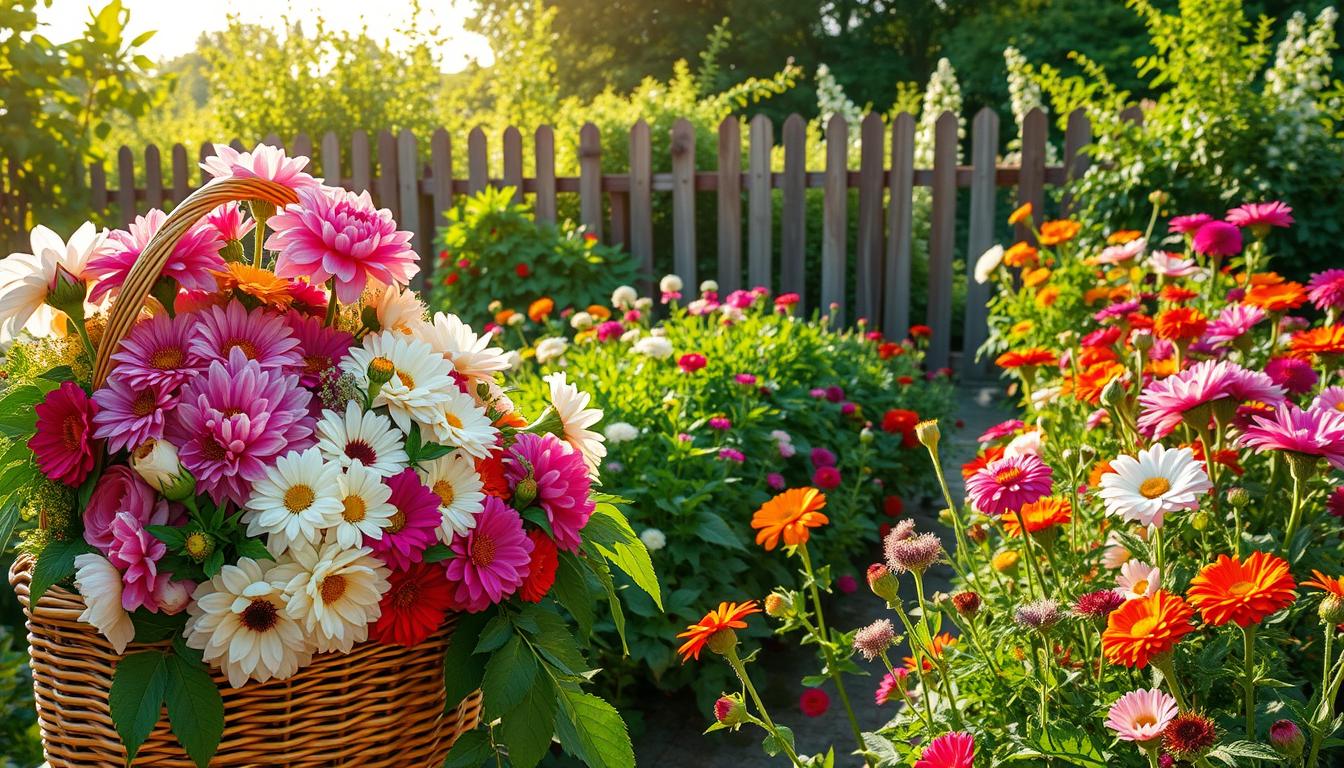
Can a single raised bed supply enough flowers for weekly arrangements all season long? Picture stepping outside with shears into a patch of lavender, zinnias, and cosmos that outlast store-bought stems.
In this guide we define a cutting area as a space planted for harvesting into bouquets, favoring fast annuals with a few perennials for texture. Sun, well-drained soil, and regular water give stems the strength to last in vases.
A single 4’x4′ raised bed, stocked with reliable annuals and smart succession sowing, can yield many arrangements in one season. Leave about 18 inches between rows to make watering, weeding, and harvesting simple and fast.
This introduction previews site selection, bed setup, seed starting, a seasonal calendar, harvesting for longevity, and arranging basics. Start small with 3–5 easy varieties, learn local conditions, then scale confidently next year.
Key Takeaways
- Design a space for regular harvesting, favoring prolific annual flowers and a few perennials for contrast.
- A sunny spot with well-drained soil and nearby water is the foundation for long stems that arrange well.
- One 4’x4′ raised bed with succession sowing can supply many arrangements in a single season.
- Plan plant roles—focals, spikes, discs, fillers, and airy accents—for balanced bouquets every time.
- Keep rows straight and spaced 18 inches for easier care, faster harvests, and less damage to stems.
- Start with a few reliable varieties to learn timing, then expand next season with confidence.
Why a cutting garden? Fresh, free bouquets all season at home
Fresh bouquets are easiest when you grow plants intended for frequent cutting.With the right mix of annual workhorses and supporting perennials, you’ll harvest color every week without leaving home.
A dedicated patch of plants gives you fresh stems for arrangements all season long. Annuals respond to regular harvest, so zinnias, cosmos, and branching sunflowers keep producing when you cut deeply and often. Perennials, shrubs, and small trees add texture and structure that lift simple bunches into refined arrangements.
Practical setup matters: plant in straight rows for easier irrigation and harvesting. Protect new growth with fencing where deer browse. Use a bloom-forward fertilizer such as Flower-tone to favor flowers over leafy growth.
“A daily visit with snips becomes a quiet, rewarding ritual that enriches home life.”
Cut stems during cool parts of the day to extend vase life. For tips on selecting reliable varieties, see this guide to cut flowers and a handy primer on herb plants for added scent and foliage.
Find the perfect spot: Sun, access to water, and smart spacing
Choose a spot with 6+ hours of direct sun and a nearby water source—more sun equals more stems.Plan straight rows and 18-inch paths so you can harvest quickly without trampling plants.
Choose a bright spot with nearby water and clear paths so tending and harvesting take minimal time. Track shadows across morning, noon, and afternoon to see where shade moves during the day.
Sunlight targets and shade workarounds
Most cut flowers need at least six hours of direct sun for steady blooms. If a bed only gets 4–6 hours, select shade-tolerant choices such as snapdragons and nicotiana.
Tip: Pair flowers and vegetables in the same sunny area; both prefer well-drained soil and behave well under similar care.
Row layout, paths, and access for easy harvesting
Plant straight rows to run drip lines and add stakes without tangles. Keep at least 18 inches between rows for buckets and shears.
| Site Factor | Recommendation | Why it matters | Quick fix |
|---|---|---|---|
| Sun | 6+ hours preferred | More sun = more flowers and stems | Move containers to brighter spots |
| Water | Short hose or drip line | Consistent moisture extends vase life | Use watering globes or a timer |
| Spacing | 18″ paths, straight rows | Prevents broken stems and compaction | Mark rows with string before planting |
| Drainage & wind | Avoid low soggy spots; stake tall plants | Healthy roots and protected stems | Raise beds or add windbreaks |
How big should your cut flower garden be?
Any size works—start with one bed or a few large containers and scale as you learn. Tight, productive layouts and succession sowing turn small spaces into steady bouquets.
Scale starts with intent: a single 4’x4′ raised bed often yields 20+ bouquets when filled with annuals like zinnias, cosmos, and snapdragons. Containers at least 12 inches deep host dwarf zinnias or patio sunflowers when yard space is limited.
Micro gardens and containers that still yield bouquets
Pick 3–5 varieties with staggered heights to avoid crowding. Use 12″ pots for dwarf types and sow seeds every 2–3 weeks to extend the season. Keep paths wide enough for a bucket and snips.
Scaling up: Raised beds and in-ground plots
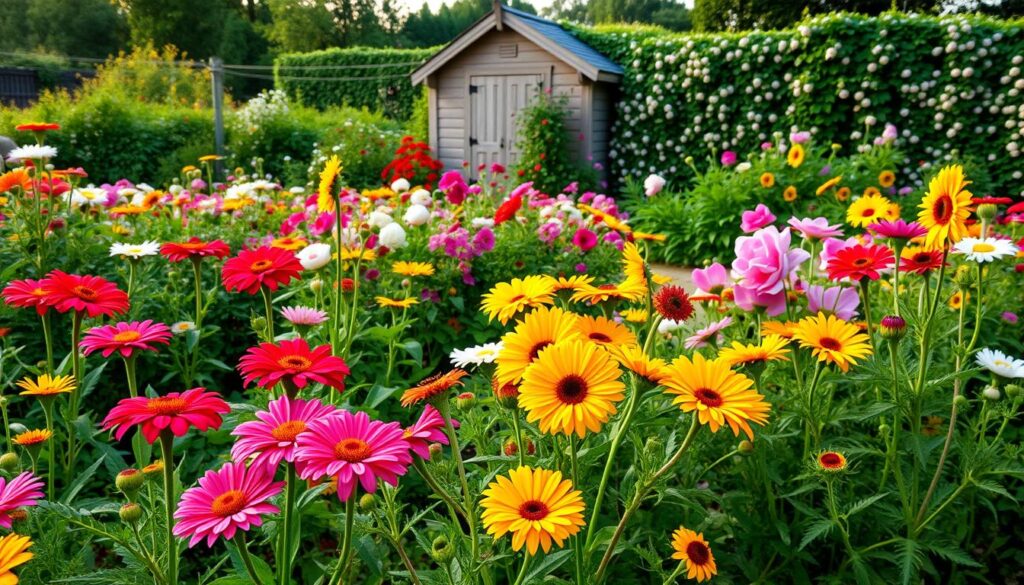
Raised beds warm faster and drain well; they look tidy and help deter pests with simple barriers. In-ground plots cost less but may need soil fixes and fencing for deer. When confident, expand to a 10’x10′ plot and repeat mixes that performed best.
- Succession: Sow zinnias and sunflowers every few weeks.
- Support: Use vertical trellises for tall spikes to save bed space.
- Track: Note which varieties give the longest vase life and most stems.
| Plot Type | Depth | Best for | Notes |
|---|---|---|---|
| 4’x4′ raised bed | 12–18″ | Mixed annuals | Yields 20+ arrangements; easy access |
| 12″ containers | 12″ | Dwarf varieties | Good for patios; succession sowing extends season |
| 10’x10′ in-ground | Varies | Larger mixes | Lower cost; add soil amendments and fencing |
For a simple how-to on getting started, see how to start a cutting garden. Small plots, smart timing, and a few reliable flowers make steady stems the norm, not the exception.
Build thriving soil for stronger stems and longer vase life
Rich, well-draining soil is the engine behind tall stems and lasting bouquets. Build a compost-forward, peat-free mix and feed for blooms rather than leaves.
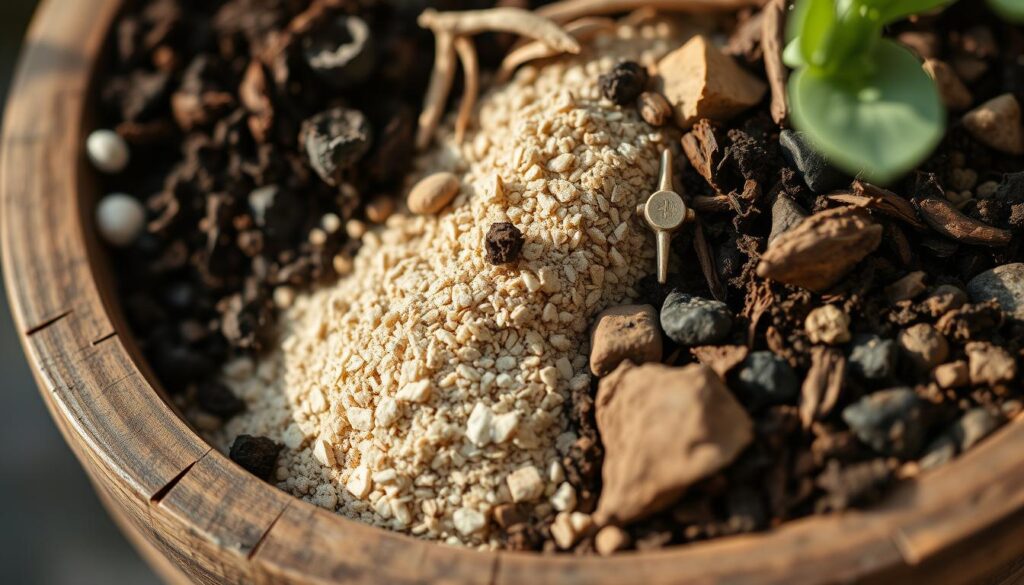
Strong roots and balanced soil feed stems that hold up in the vase and last longer on the kitchen table. A proven recipe is simple: blend 50% raised bed garden soil, 40% compost, and 10% coconut coir. Add a handful of Flower-Tone at planting to encourage flowering instead of lush foliage.
Pro soil recipe and eco-friendly peat alternatives
Choose peat-free options like coir, leaf mold, or perlite to retain moisture without harming bogs. Compost supplies slow-release nutrients and builds microbial life that strengthens cell walls in flowers.
Fertilizing for blooms, not just foliage
Test pH and aim for 6.0–7.0 so nutrients stay available. Reapply a bloom-leaning fertilizer every six weeks; avoid high-nitrogen lawn feeds that push leafy growth at the expense of flowers.
Water evenly—avoid cycles of soaked then dry soil—because swings stress plants and weaken stems. Mulch lightly to hold moisture and cut weeds without crowding stem bases.
“Work compost into beds each year; it refreshes microbes and improves vase performance by building stronger stems.”
- Track feeding dates and plant response to fine-tune for local climate and garden conditions.
- Work compost annually to refresh structure and extend life of the soil.
Choose flowers by role: Focals, spikes, discs, fillers, and airy accents
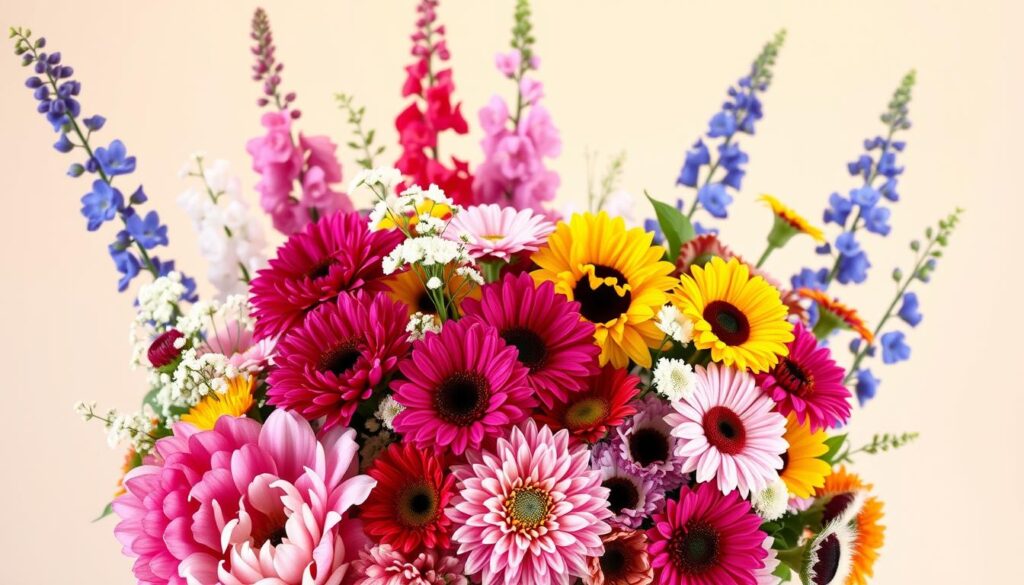
Plan blooms by bouquet role so every harvest yields balanced mixes. Grow a handful from each group to assemble pro-looking arrangements on any day.
Think like a florist: pick stars for impact, tall stems for height, round centers for anchors, dense fillers for volume, and light accents for movement.
Spring stars by category
Focals: tulips and daffodils give immediate impact in vases.
Spikes: snapdragons and stock add height and structure.
Discs: poppies and hellebores create cheerful centers.
Fillers: bupleurum and statice bridge gaps and bulk up arrangements.
Airy accents: bachelor’s button threads soft movement through bouquets.
Summer performers that keep the color coming
Focals: lilies, zinnias, and sunflowers deliver bold heads and long vase life.
Spikes: celosia, salvia, and bee balm lift compositions vertically.
Discs: cosmos, rudbeckia, yarrow, and marigolds hold the middle well.
Fillers: amaranth, basil, mint, oregano, and cress add scent and volume.
Airy accents: gomphrena provides small pops of texture.
Fall favorites for rich, late-season bouquets
Focals: chrysanthemums, zinnias, and sunflowers bring deeper tones.
Spikes: celosia and salvia extend height into autumn.
Discs: strawflower, cosmos, rudbeckia, and marigolds keep structure late.
Fillers: amaranth, Sweet Annie, eucalyptus, and basil give weight and scent.
Airy accents: orach and dried grasses thread subtle motion through arrangements.
- Tip: Blend in perennials and shrubs—peonies, coneflowers, and lilacs—to add seasonal texture.
- Plant strategy: Sow staggered quick annuals and keep 2–3 varieties in each role to ensure steady stems and consistent color.
Grow your own cutting garden blooms bouquets
Start with easy direct-sow annuals and a few indoor-start stars from trusted vendors. Layer in perennials, bulbs, corms, and tubers for range and season-long interest.
Begin by choosing reliable direct-sow choices such as zinnias, sunflowers, and cosmos. These seeds give fast stems and steady returns for first-timers.
For indoor starting: begin snapdragons and celosia 6–8 weeks before last frost to transplant when soil warms. Sweet peas also reward early starts or cool direct sowing where frost risk is low.
Where to buy and what to pick
- Order seed from reliable sources like Johnny’s Selected Seeds, Select Seeds, Eden Brothers, and Burpee.
- Explore floretflowers.com for specialty cutting varieties and deeper selection.
- Choose 3–5 varieties your first season and track which perform best so you can expand next year.
Mix types for steady runs of flowers
Balance annual volume with perennial structure—coneflowers, yarrow, and lilacs add backbone.
Add bulbs and corms such as tulips and ranunculus for spring focal blooms. Save tubers like dahlias for late-season drama and cutting value.
| Type | When to plant | Why it helps | Good picks |
|---|---|---|---|
| Direct-sow seeds | After frost | Fast stems, cheap repeats | Zinnias, sunflowers, cosmos |
| Indoor starts | 6–8 weeks before frost | Stronger transplants, earlier blooms | Snapdragons, celosia |
| Bulbs/corms/tubers | Fall or spring (per type) | Seasonal focal flowers | Tulips, ranunculus, dahlias |
Quick tips: Read packets for spacing and timing, pick branching or pollenless sunflowers for cleaner vases, and stash a few backup seedlings for weather setbacks.
Seed starting and direct sowing: A step-by-step plan
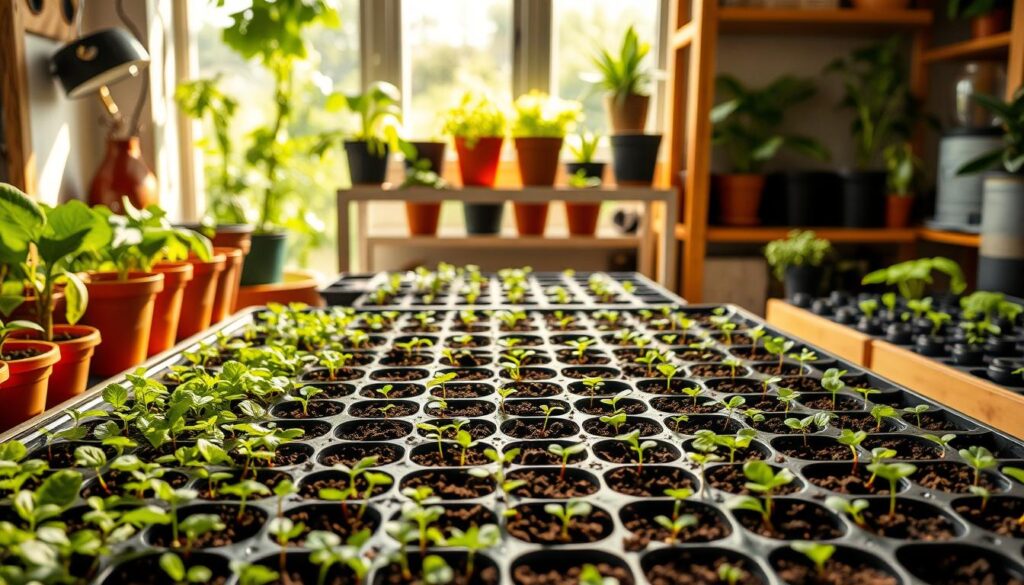
Start cool-tolerant cuts indoors on a schedule, then switch to warm-soil direct sowing for speed. Harden off carefully and plant by soil temperature, not the calendar.
Timing matters. Count back from last frost so trays and outdoor rows align. Label each seed packet with sow date to track what’s working in the garden.
What to start indoors and when
- 10–12 weeks: snapdragon seed and dusty miller.
- 6–8 weeks: celosia, strawflower, amaranth (use a heat mat for warmth lovers).
- 4 weeks: fast starters like sweet peas or other quick transplants.
Direct-sow winners and succession planting
Direct-sow zinnias, sunflowers, and cosmos once soil reaches about 60°F. Zinnias prefer warm soil and sprout fastest.
Stagger sowings every 2–3 weeks to keep flowers steady for cutting, and keep a small reserve of starts as insurance against frost or critters.
Hardening off and transplant timing by soil temperature
Harden off transplants over 7–10 days by increasing sun exposure slowly. Plant out after a settled forecast and use row covers for surprise chills.
Water seedlings at the base early in the day and avoid overwatering indoors to reduce damping off.
Set up beds, irrigation, supports, and critter protection
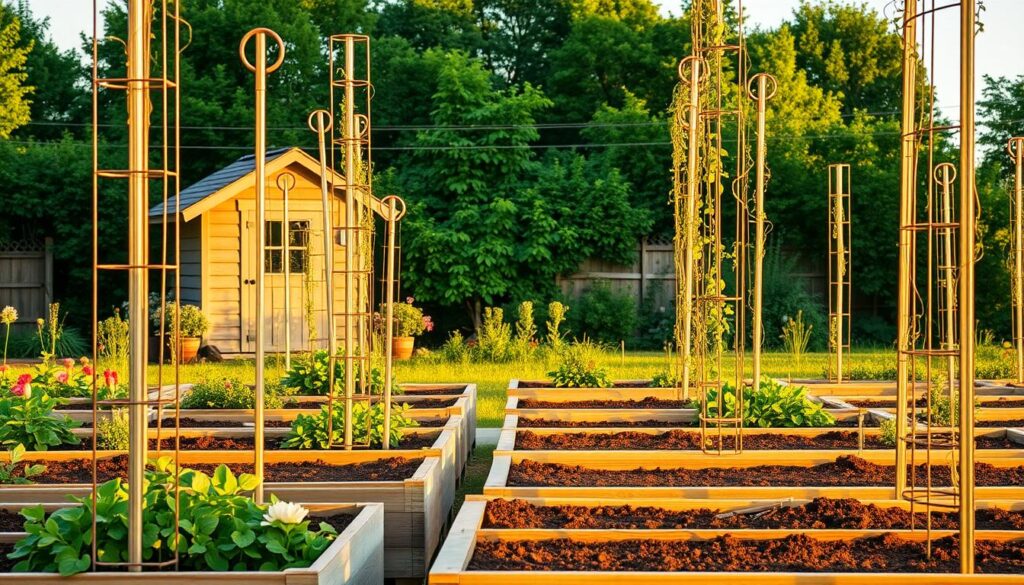
Plan irrigation and physical supports early; simple prep prevents lost plants and limp flowers later. Organize rows, add drip, and plan supports on day one to save your back and your blooms.
Choose a raised bed for neat rows, faster warm-up, and less bending; in-ground plots work if you add compost and weed control.
Voles, rabbits, and deer: buried barriers and fencing
Line the bottom of raised beds with hardware cloth to stop voles tunneling under roots. Add temporary chicken-wire domes over tender starts to keep rabbits and woodchucks at bay.
In deer country, install a sturdy fence; one night of browsing can ruin spikes and focal flowers.
Irrigation and row layout for healthier stems
Plant in straight rows so you can run drip lines along the bed and keep foliage dry. Dry leaves mean fewer diseases and longer vase life for cut stems.
Lay drip where it will reach roots without wetting crowns; place a water timer if you need consistent moisture.
Supports: stakes, netting, and trellises that save space
Use stakes and twine or flower netting to keep tall stems upright and bouquet-ready. Trellis sweet peas and vines at bed edges to free interior space for focal plants.
Prepare soil when slightly moist to avoid clods. Keep stakes, snips, and twine stored near beds so small repairs stay easy and rows remain tidy all season.
Seasonal planting calendar: Spring, summer, and fall waves
Schedule plantings in waves—early cold-hardy starts, warm-season direct sowing, and fall-finishing stars. Succession-sow key annuals to avoid gaps in the season and keep steady supplies of flowers for arrangements.
Start early. Plant cool-hardy annuals, spring bulbs, and short-season perennials first to anchor spring stems. Use soil temperature and a 10-day forecast to time field work.
Cold-hardy starts and shoulder-season strategies
Begin with hardy cuts like sweet peas, snapdragons, and early bulbs. Protect tender transplants with frost cloths when night lows threaten.
Staggered sowings for continuous harvests
Direct-sow prolific annuals once soil warms and repeat every 2–3 weeks. Slot quick crops into gaps after early harvests to maximize productive time.
“Record sow dates and first blooms; that simple log refines next season and saves time.”
| Wave | What to plant | Why |
|---|---|---|
| Spring | Bulbs, cool annuals, early perennials | Anchors early color and stems |
| Summer | Zinnias, cosmos, celosia, branching sunflowers | Peak production and long vase life |
| Fall | Dahlias, chrysanthemums, late asters | Rich tones and late-season structure |
- Choose pollenless sunflowers for cleaner indoor displays.
- Watch soil feel, not calendar, in variable springs.
- Keep a small stash of frost cloths for surprise cold snaps.
Crop spotlights: Zinnias, dahlias, strawflowers, and sunflowers
Master a few star crops and you’ll never run short on stems. These proven steps boost yield, stem length, and vase performance from summer through frost.
How to get the best from zinnias
Zinnias prefer warm soil—direct sow after soils warm. Pinch at about 12 inches to force branching and double stems.
Stake tall series like Benary’s Giants or use netting for heavy heads. Cut often; regular harvest encourages more flowers.
Planting and caring for dahlias
Dahlias tubers go in when soil reaches roughly 60°F. Dig a 12″ x 6″ hole, amend with organic fertilizer and bone meal, place the tuber horizontally with eyes up.
Pinch at the first foot of growth, tie stems to stakes early, deadhead spent blooms, and dig tubers after frost to store in a cool dark spot.
Strawflowers for fresh and dried use
Strawflowers suit both fresh vases and dried arrangements. Start from seed or direct sow; they keep vivid color and structure when hung to dry.
Sunflower choices and succession tips
Pick branching and pollenless sunflowers for cleaner stems. Direct seed every 2–3 weeks for steady harvests and check mature height before staking or spacing.
“Keep a small bench of replacement seedlings to fill gaps after storms or pest hits.”
Harvest for maximum vase life and healthier plants
Timing and conditioning turn good stems into long-lasting displays. Cut cool, hydrate fast, and treat woody stems right for top-tier results.
Harvest when temperatures dip—early morning or late evening keeps water in the cells and stress low. Midday cuts wilt faster and shorten vase life.
Best time of day, deep cuts, and bucket-to-basement conditioning
Make deep cuts on annuals to encourage branching and longer stems that fill a vase. Strip leaves below the waterline in the field to cut bacterial sources.
Place stems in clean buckets of cool water immediately. Move buckets to a cool basement or garage to condition for several hours or overnight before arranging.
Woody stems, hot water dips, and DIY flower food
For woody branches like lilac or hydrangea, crush the base lightly and dip ends in hot (not boiling) water for a minute to open vessels. Then condition as above.
- Mix DIY flower food: 1 tsp sugar plus a few drops of bleach or vinegar per quart of fresh water.
- Refresh water and recut stem ends every 2–3 days to extend display life.
- Keep buckets clean and tools sharp to prevent stem damage and contamination.
- Track which varieties hold best and favor those in next season’s planting plan.
“Cut cool, hydrate fast, and treat woody stems right for top-tier results.”
Arrange like a pro: Palettes, proportions, and bouquet structure
Build structure first, then layer focal blooms and fillers into a cohesive color story. Simple tools like tape grids or a chicken wire ball make arrangements stable and professional.
Arrange in layers. Choose a vase wider at the top and aim for stems about twice the vessel height for pleasing proportions.
Foliage first, focal placement, and filler magic
Select a vessel that narrows toward the base so stems sit at the rim for control. Create a grid with floral tape or tuck a chicken wire ball inside to anchor stems.
Start with draping foliage to soften edges and build a base. Place 3–5 focal flowers near the center in odd numbers for a natural feel.
Then add secondary flowers and fillers to bridge color and fill gaps without crowding. Rotate the vase as you work to balance height and negative space.
Color stories by season and turning a vessel into a grid
Seasonal palettes simplify choices. Use pastels for spring, saturated brights for summer, and warm, burnished tones for fall to make arranging effortless.
- Trim stems at varied lengths to create movement and depth.
- Keep water clean and top it up daily; recut stems every few days for longer vase life.
- Photograph arrangements you love to guide next planting and palette decisions.
“Build structure first, then let color and texture tell the rest of the story.”
Conclusion
Start small with a sunny site, compost-rich soil, and a clear sowing plan to carry color from spring through fall. Simple tools—drip, stakes, tape grids—and trusted seed sources shorten the learning curve.
Recap the essentials: pick sun, build living soil, plant by role, and schedule sowings for steady flowers across the year.
Favor bloom-forward feeding and steady watering to keep stems strong. Add supports and fencing early, cut cool, and condition stems before arranging.
One small step this week—order seed, sketch a bed, or gather supplies—starts the season. Keep notes, share results, and enjoy the confidence that a well-planned cut flower garden brings to a season of gifts and displays.