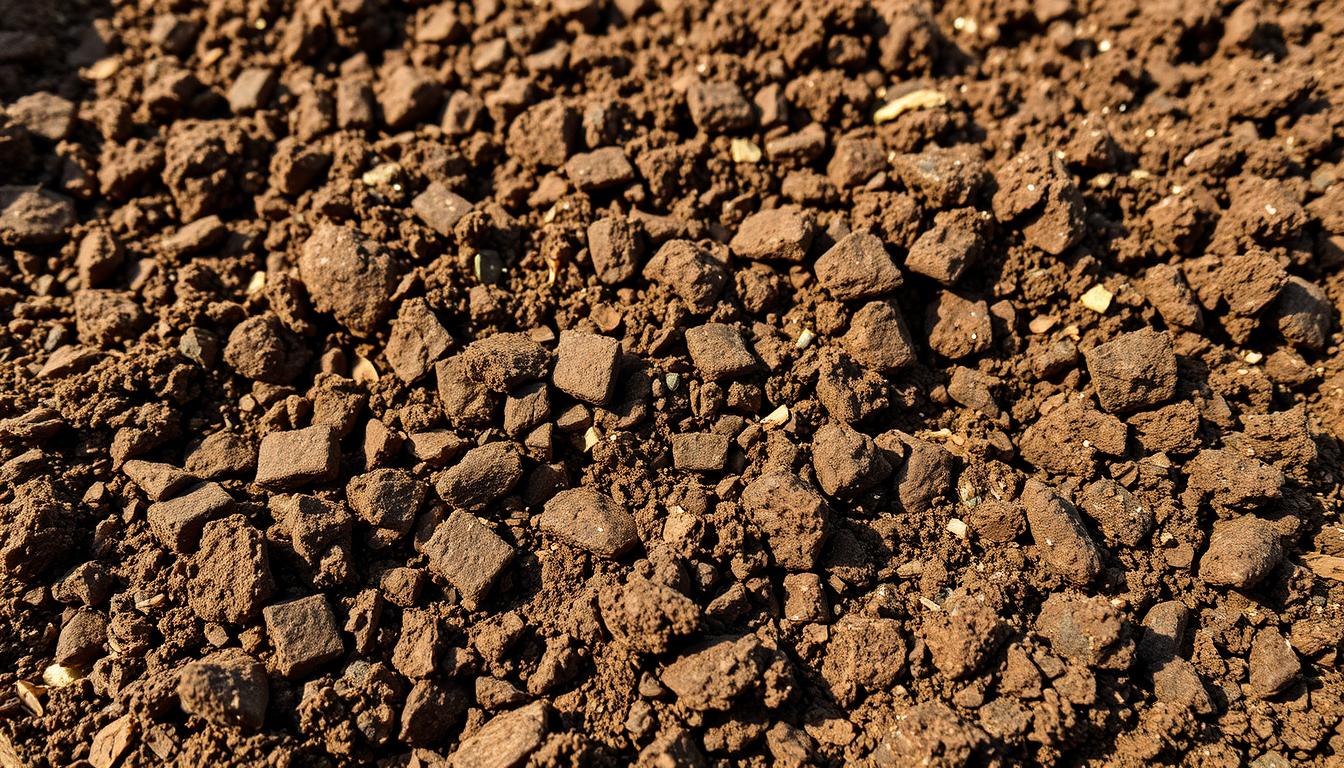
Can a simple blend really turn your garden soil into a reliable, high-yielding growing medium? That question drove year-long trials comparing Mel’s Mix, a common 1/3–1/3–1/3 formula, to a topsoil-heavy approach and bagged blends.
Short answer: structure matters. Mel’s Mix produced about 7 lbs of Roma tomatoes per plant in a rainy season, while a topsoil mix gave 5.3 lbs and a bagged-only blend lagged at 1.34 lbs. Tests also showed clear pH differences: peat-rich mixes ran acidic, some bagged blends leaned alkaline.
This section previews two practical frameworks gardeners use: a 40% soil / 40% compost / 20% aeration split, and an 80% bagged soil + 20% compost option for shoppers. We’ll explain why compost diversity drives fertility and how good structure preserves drainage, texture, and crop quality over time.
Key Takeaways
- Structure matters: the right soil blend improves drainage and yields.
- Mel’s Mix outperformed topsoil and bagged blends in heavy rain.
- pH affects nutrient uptake—peat tends acidic, some bagged mixes trend alkaline.
- Compost variety is the engine of season-long fertility.
- Flexible ratios let you use local materials and still get reliable results.
Why a fluffy, long-lasting raised bed mix matters for your garden
Good structure gives roots breathing room and steady food for growth. A resilient mix resists compaction, keeps drainage working, and saves you repair time each season.
Raised bed systems act between in-ground plots and containers. They need a growing medium that balances aeration, moisture retention, and steady nutrients. Trials showed clear wins: Roma yields in raised beds reached 7 lbs per plant versus 2.59 lbs in ground soil.
Air pockets in a well-turned mix let roots and microbes breathe. That promotes vigorous plants and cuts disease risk. Durable mixes hold texture through wet springs and hot summers so roots avoid waterlogging or drought stress.
| Benefit | What it does | Practical outcome |
|---|---|---|
| Good aeration | More air and microbial activity | Stronger root systems, higher yields |
| Stable texture | Resists compaction | Consistent drainage and nutrient cycling |
| Mulch synergy | Retains moisture, suppresses weeds | Less watering and less maintenance time |
Think of these beds as hybrids: they need more organic matter and air than native ground but more mineral support than potting mixes. Keep an eye on pH so nutrients stay available. With the right mix, you spend less time fixing soil and more time harvesting.
Core principles of raised bed soil: not just potting soil, not just native soil
Good garden mixes act like bridges—bringing together mineral heft, organic life, and airy fibers. This hybrid approach prevents compaction while keeping moisture and nutrients steady for healthy plants.
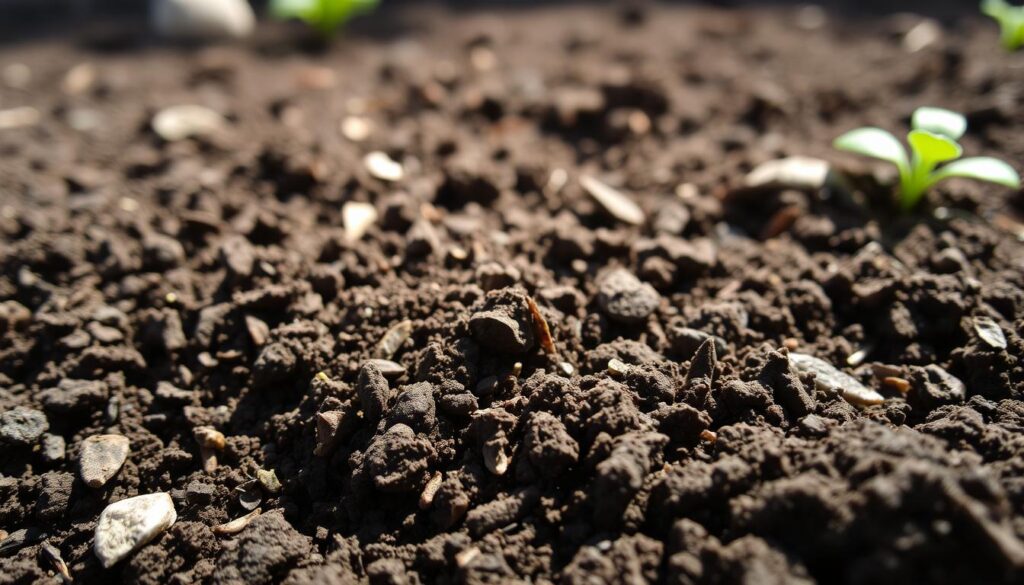
How containers, in-ground plots, and beds differ
Containers need ultra-light media that drains fast and won’t crush roots. In-ground soil relies on native layers and structure to hold water and nutrients.
These two extremes show why beds require a middle path: mixes must provide body, resilience, and porosity so plants thrive without constant fixes.
Balancing structure, drainage, moisture, and biology
Structure comes from mineral soil for body, compost for resilience, and fibers (peat, coir, or bark) to keep pores open.
Drainage prevents waterlogging after heavy rain. Good mixes shed excess while holding enough water between watering sessions.
Moisture management relies on fibers that retain water without collapsing the mix. That reduces watering swings and stress on plants.
Biology is fuelled by diverse compost and worm activity. Microbes cycle nutrients and help suppress disease.
| Need | What to add | Benefit |
|---|---|---|
| Body and stability | Topsoil or loam | Holds structure and supports roots |
| Aeration | Pumice, perlite, or coarse sand | Keeps pores open and prevents compaction |
| Fertility and biology | Mixed composts and worm castings | Feeds microbes and improves nutrient cycling |
| Moisture balance | Coir or peat fibers | Stores water without collapsing the mix |
Avoid using straight native soil—it compacts. Avoid pure potting soil—it dries too quickly. Start with these principles and you’ll spend less time fixing soil and more time enjoying the garden.
Perfect ratio ingredients fluffy, long-lasting raised bed
A simple baseline makes mixing bulk soil for a garden much easier and more repeatable. Use the baseline as a starting point, then tweak for climate, depth, and crop needs.
Go-to baseline: 40% soil, 40% compost, 20% aeration
40% soil (topsoil, loam, or native) gives body and stability. 40% well-aged compost fuels biology and steady nutrients. 20% aeration (pumice, perlite, coarse sand, or rice hulls) preserves porosity and drainage.
Bagged-only shortcut: 80% bagged soil + 20% compost
If you buy bagged mixes, use an 80/20 split. Most commercial bagged soil already contains organic matter and perlite. Add 20% fresh compost to boost microbes and nutrient diversity.
Adjustments for climate, depth, and crops
Wetter zones: increase aeration slightly to improve drainage. Dry zones: add more compost or coir to hold moisture.
Shallow beds need lighter mixes for root penetration. Deeper beds can include more mineral soil for support.
Root crops benefit from extra perlite or pumice; heavy feeders thrive with richer compost fractions and steady-release amendments.
| Scenario | Typical tweak | Expected effect |
|---|---|---|
| Wet climate | +5–10% aeration | Better drainage, less waterlogging |
| Arid climate | +5–10% compost or coir | Improved moisture retention |
| Shallow bed | Decrease mineral soil, increase compost | Easier root growth, faster warming |
Mixing method: layer components in a lasagna fashion, then blend thoroughly. Test a small batch: moisten, squeeze, and check for a crumbly structure that holds but does not smear. Observe your plants and adjust the recipe next season.
Choosing your “soil” component: topsoil, loam, or native soil
Picking the right base sets the stage for healthy plants and fewer fix-up seasons. Good base soil balances texture, biology, and cost so your garden performs well in wet springs and hot summers.
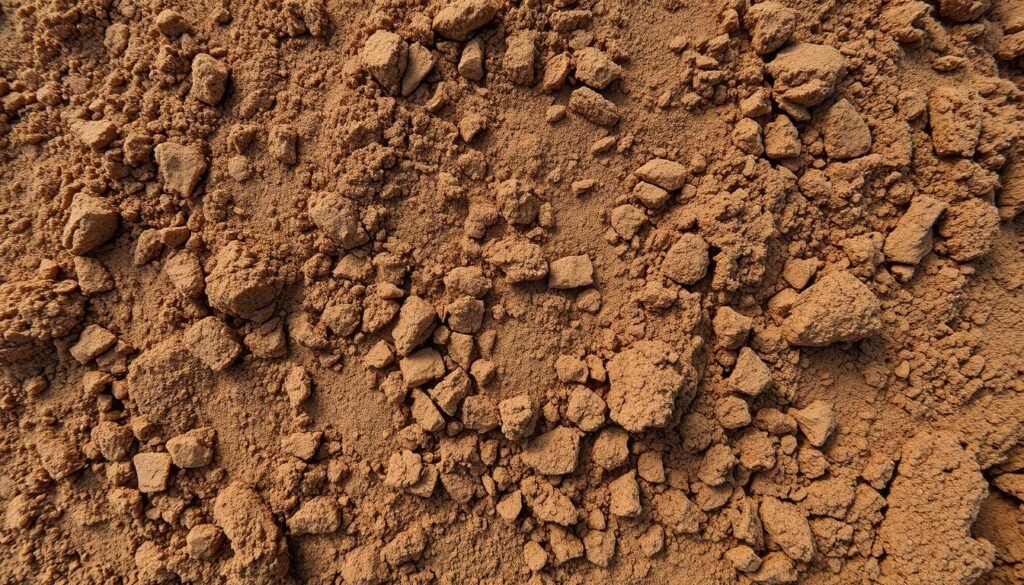
When should you use native soil and when buy premium topsoil?
Use native soil when it’s loamy and alive: it brings local microbes and earthworms that jumpstart biology. Proven Winners notes that local soil often boosts microbial activity.
Choose premium topsoil if your yard soil is contaminated, very poor, or extremely imbalanced. Ask suppliers about source and texture before buying bulk.
How can you spot clay or sandy sources and correct them?
Clay feels slick when wet and hard when dry; it drains slowly. Counter clay with extra compost and more aeration (pumice, perlite, or coarse sand).
Sandy soil feels gritty and drains fast. Add compost and moisture-holding fibers like coir to improve water retention.
| Type | Signs | Quick fix |
|---|---|---|
| Clay | Slick wet / hard dry | +compost, +aeration |
| Sandy | Gritty, fast draining | +compost, +coir |
| Loam | Crumbly, balanced | Use as-is or blend |
- Test drainage: dig a small hole and time infiltration; tweak aeration per results.
- Evaluate suppliers: ask if topsoil is river-bottom clay or screened loam and request particle-size info.
- Blend to balance: combine your chosen soil with compost and aeration following the 40/40/20 baseline for best long-term quality.
Compost and organic matter: the engine of fertility and longevity
Well-aged compost sets the pace for healthy soil and steady harvests. It fuels the soil food web, improves structure, and supplies a broad spectrum of nutrients for steady plant growth.
Quantity guidance: use about 40% compost in the baseline soil recipe. If you use compost-rich bagged mixes, scale the compost fraction down to 10–30% to avoid soggy or overly rich blends.
- Bulk vs. bags: bulk compost is cost-effective for large builds; premium bagged composts offer consistent quality for top dressing.
- Diversity matters: mix municipal green-waste, manure-based, and homemade materials to broaden microbial and nutrient profiles.
- Potency caution: rich products like biodynamic cow manure (e.g., Malibu Compost) are best capped near 25% of the blend.
| Source | Best use | Note |
|---|---|---|
| Bulk municipal | Large fills | Often OMRI-certified; ask about maturity |
| Bagged premium | Top layer, small beds | Consistent quality, pricier |
| Homemade | Targeted enrichment | High microbial diversity if well finished |
Plan to top up annually: compost keeps decomposing, so add organic matter each year. Watch growth—lush but floppy plants mean dial back compost next season; pale plants usually need more nutrient-rich inputs or a gentle organic feed.
Aeration additions for structure and drainage
Good aeration keeps soil lively and stops soggy spots before plants show stress. Use coarse particles to build pore space that helps roots and microbes breathe.
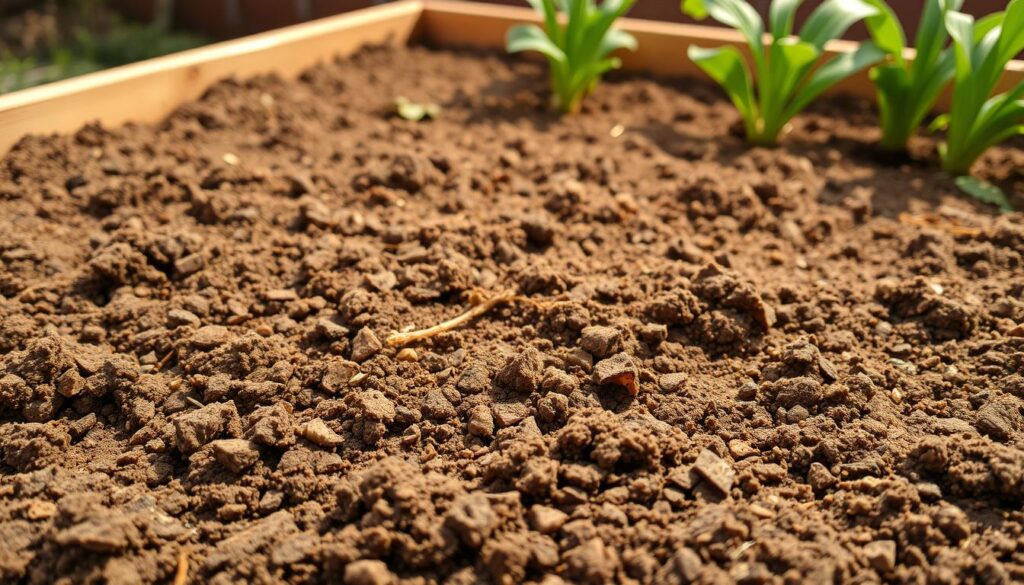
About 20% of many mixes should be aeration media: lava fines/cinders (~3/8″), pumice, perlite, or coarse sand. Each material affects texture, drainage, and long-term quality.
How materials compare
- Lava rock (3/8″ cinders): porous, supports microbes, stable pores, and won’t float like perlite.
- Pumice: lightweight, durable, great for bulk fills and root penetration.
- Perlite: common and very light, but can rise in water and scatter.
- Coarse sand: improves drainage cost-effectively but gives less pore habitat than volcanic options.
“Choose aeration that blends evenly and stays distributed through the profile so roots meet open pores at all depths.”
| Material | Primary benefit | Best use |
|---|---|---|
| Lava cinders (3/8″) | Stable porosity, microbial habitat | Bulk mixes, wet climates, budget-friendly |
| Pumice | Lightweight, long-lasting | Root crops and deep beds |
| Perlite | Highly airy, common in bags | Potting blends; reduce addition if bagged mixes already contain it |
| Coarse sand | Drains well, economical | Improve drainage where volcanic media are unavailable |
Quick tips: add extra pumice or perlite for carrots and onions to ease straight root growth. In rainy regions, nudge aeration up a few percent to avoid waterlogging; in dry areas, balance aeration with moisture-holding compost or coir. Test a moistened sample: it should crumble with visible pore space. For large builds, source lava rock in bulk or half-cubic-foot bags to save cost. Finally, mix aeration evenly through the entire soil profile—not just the top—to support deep, healthy roots and lasting structure.
discover practical bed-building ideas
Peat moss, coco coir, and alternatives: dialing in moisture management
Fibrous materials act like tiny sponges: they store water yet keep pore space open for roots and microbes. Choosing durable fibers helps your plants stay steady through dry spells and heavy watering.
What to look for in peat: pick long, tan fibers with low dust content. High-quality peat holds structure and resists compaction longer. Low-grade dark, dusty peat breaks down fast and adds little lasting support.
Practical alternatives and handling tips
- Coir: a sustainable swap; choose buffered or rinsed coir to avoid salt issues.
- Composted bark & rice hulls: use coarser grades for durability and steady porosity.
- In hot, dry climates add a bit more fiber; in persistently wet sites scale fibers back to prevent soggy soil.
- Pair fibers with pumice or lava cinders so moisture retention and drainage balance across the profile.
- Adjust if using bagged mixes—many already contain peat or coir, so avoid over-adding and causing waterlogging.
“Fibers moderate moisture while compost powers microbial life—together they keep soil resilient and plants productive.”
Worm castings and gentle amendments to boost soil life
Castings are a low-risk, high-reward way to feed your garden’s living system. A small addition improves soil structure and invites microbes that help plants thrive.
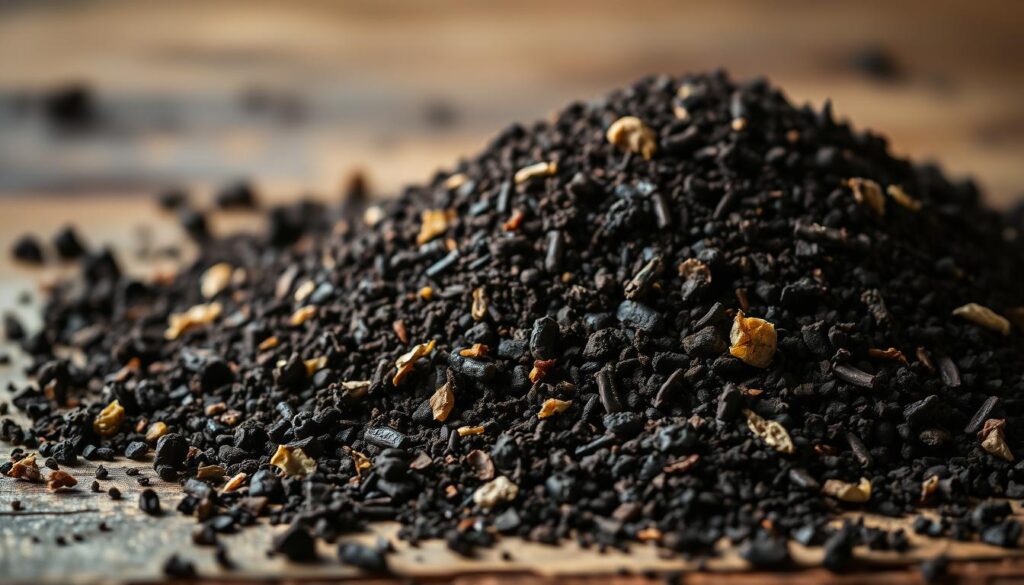
“Black gold” benefits: structure, microbes, and nutrients
Define castings: concentrated, microbe-rich compost from worms that supports balanced, steady plant nutrition.
- Benefits: improves aggregation, boosts water-holding capacity, and raises microbial diversity for healthier roots.
- Recommended rates: a few cups for a small bed or a thin screened layer over larger beds—more is not always better.
- DIY option: a home worm bin turns kitchen scraps into ongoing black gold for your soil.
- Buying tips: choose screened products (for example, G&B Organics Worm Gro) free of debris and contaminants.
Pairing: castings complement compost by adding a microbe-rich kick, especially at transplant time. Use a small portion around seedlings to cut shock and support early growth.
“Castings offer gentle, slow-release nutrients that build soil life without heavy salts or burn risk.”
| Use | Amount | Effect |
|---|---|---|
| Seedlings / transplants | 1–2 cups mixed at root zone | Reduced shock, faster establishment |
| Small garden bed (4×4 ft) | 2–3 cups distributed | Noticeable boost in microbial activity |
| Large beds | Thin screened layer across surface | Steady biological gains without overfeeding |
Timing and safety: add modest amounts during spring prep and again mid-season. Castings are safe for all crops and work well with slow-release organic feeds when extra nutrients are needed.
Tested soil recipes compared: Mel’s Mix vs. “Perfect Soil Recipe” vs. bagged blends
Field trials compared three common soil mixes to see which kept structure and fed plants best. The comparison focused on drainage, compaction, pH shifts, and measurable yields over a single year in real garden conditions.
What trials revealed about drainage, compaction, and yields
Performance highlights
- Mel’s Mix: (1/3 peat moss, 1/3 vermiculite, 1/3 compost) delivered 7 lbs of Roma tomatoes per plant. It stayed airy after heavy rain and registered pH 5.6, which favored tomato uptake.
- Perfect Soil Recipe: (50% topsoil, 30% compost, 20% other organic matter) gave higher nutrients and calcium with pH 6.8. Clay-rich topsoil compacted during record rainfall, but plants recovered as conditions stabilized.
- Bagged-only blends: showed stunted tomato growth and yellowing leaves. High bark content likely tied up nitrogen and pushed pH to 7.5; brassicas like broccoli did better than tomatoes.
Cost, quality of compost, and topsoil variability
Practical trade-offs and tips
Cost: Mel’s Mix can be pricier per bed when using bagged peat and vermiculite. Bulk topsoil-based recipes lower per-bed cost for multiple beds.
Compost quality: diverse, well-finished compost correlated with steady growth. Single-source or immature compost underperformed and sometimes caused nitrogen tie-up.
| Tested mix | pH | Key issue |
|---|---|---|
| Mel’s Mix | 5.6 | Great drainage; higher cost |
| Perfect Soil Recipe | 6.8 | Topsoil quality critical; clay can compact |
| Bagged-only | 7.5 | Variable quality; woody content and alkalinity |
Actionable takeaways: prioritize topsoil quality when using bulk recipes. If you doubt your topsoil, add more aeration and a mix of compost sources. In wet years, nudge the mix toward extra drainage; in dry years, include more coir or compost to hold moisture.
“Test a small patch before scaling — local materials, climate, and budget change how any soil recipe performs.”
Building the bed from the bottom up: hugelkultur and filler strategies
Start deep and think slow: bury logs and leafy debris low in a new bed to cut soil needs and build lasting organic carbon. This technique reduces how much purchased soil you need while feeding the garden over years.
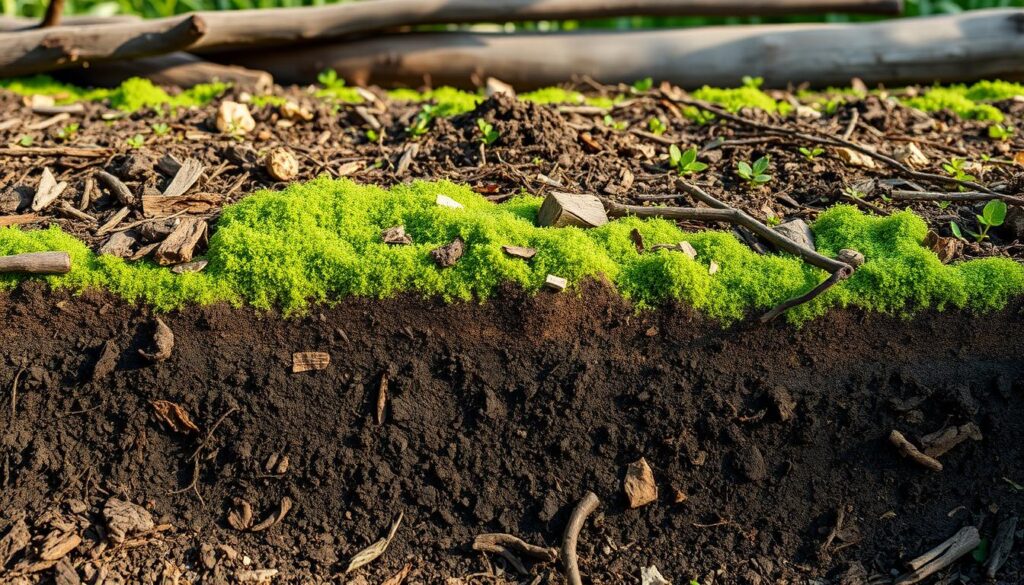
How it works: Place small logs, branches, sticks, and leaves near the bottom to create a living sponge that slowly breaks down. Cover that base with at least one foot of quality soil mixed with compost so roots grow in rich media from day one.
- Depth rule: use only in beds at least 12–15 inches deep so roots have a full planting zone above the woody base.
- Layering: woody debris first, then a foot or more of mixed soil and compost for productive planting depth.
- Avoid: rocks, plastic, treated lumber, or other non-organic fillers that block drainage and root growth.
| Topic | Recommendation | Why it matters |
|---|---|---|
| Material | Untreated logs, sticks, leaves | Slow carbon release; supports microbes |
| Depth | Minimum 12–15 inches of topsoil | Ensures root zone and crop performance |
| Settling | Expect level drop; plan annual top-ups | Maintains planting depth and fertility |
| Moisture | Irrigate first season; balance with compost | Wood absorbs water early; prevents dry spots |
Practical fit: this method works best for large, deep beds when you want to stretch soil and build permanent fertility. For shallow or container-style bed projects, stick to full soil fills to avoid root crowding.
How to calculate how much soil you need in total cubic feet and yards
Measure in feet and multiply length × width × depth to get total cubic feet. This quick step tells you how much soil you need and whether to buy bulk or bags.
Example: a 4′ × 8′ bed at 18″ (1.5′) deep = 4 × 8 × 1.5 = 48 cubic feet. Multiply 48 by 0.037037 to convert to cubic yards: 48 × 0.037037 ≈ 1.7 cubic yards.
Planning bulk deliveries vs. counting bags
Use cubic yards for bulk orders and cubic feet to count bag quantities. Bags commonly come in 1–3 cubic-foot sizes; bulk soil is priced by the cubic yard.
- Allow extra for settling; plan a top-off after watering-in.
- For a 40/40/20 mix, split the total cubic feet into each component by percentage.
- Bulk saves money for multiple beds; bags work well for one or two small beds.
- Stage and pre-portion components for even mixing in a wheelbarrow or UTV.
| Measure | Formula | Use |
|---|---|---|
| Volume (cu ft) | Length × Width × Depth (feet) | Bag counts |
| Convert to cu yd | cu ft × 0.037037 | Bulk delivery |
| Example | 4×8×1.5 = 48 cu ft | ≈1.7 cu yd |
Keep a simple record of bed dimensions, total cubic feet, and component shares. If you want a quick online check, use this soil calculator to confirm quantities before ordering.
Bulk vs. bagged: sourcing quality raised bed soil and mixes
Choosing between bulk deliveries and retail bags affects cost, control, and final performance. Read labels and ask suppliers the right questions so your garden gets a stable, diverse soil blend.
Sourcing starts with intention. For large fills, bulk saves money and lets you tailor texture. For small projects, bags give convenience and consistent brands.
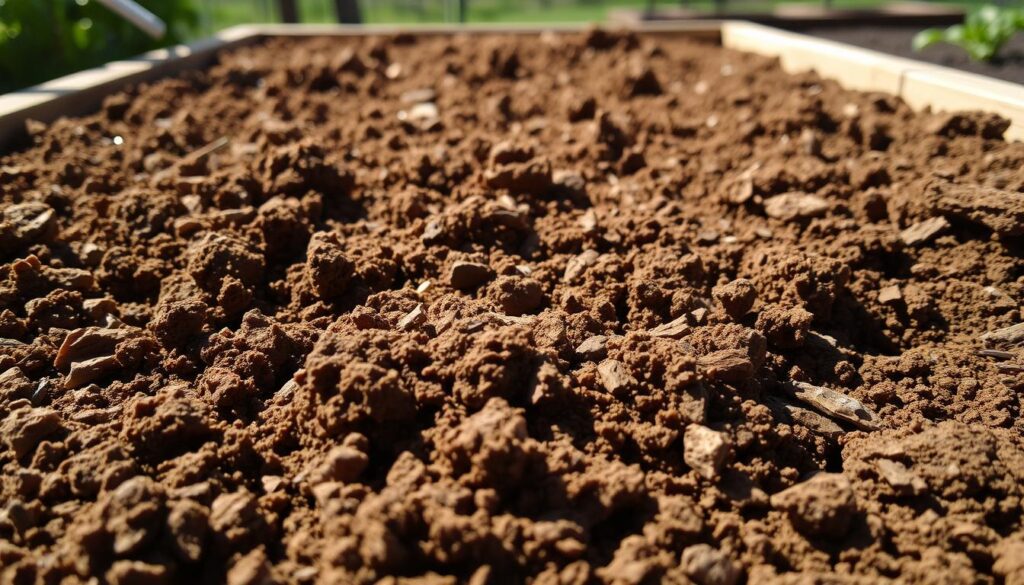
What to read and what to ask
- Ask suppliers: is the topsoil screened loam or river clay? How mature is the compost?
- Read labels: look for listed composts, fibers (peat/coir), aeration additives, and added fertilizers.
- Avoid surprises: ask about fines and particle size—too many fines mean compaction later.
- Brand notes: quality bag brands like E.B. Stone, Roots Organics, G&B, Dr. Earth, and Fox Farms often perform well.
How to blend bulk and bagged products for balance
Mixing products diversifies texture and nutrients. Combine a trusted bagged mix with screened bulk topsoil and fresh compost to create a stable soil blend that holds moisture and drains well.
| Approach | When to use | Outcome |
|---|---|---|
| Bulk topsoil base | Large, deep beds | Cost-efficient body |
| Premium bag mixed in | Top 8–12 inches | Immediate fertility and good texture |
| Added aeration | Carrots, wet climates | Better drainage with pumice or lava |
Test small, keep notes, and keep receipts. A staged fill—ordinary soil below and higher-quality mix above—lets you stretch resources while protecting plant roots.
Amendments, pH, and micronutrients for long-term performance
A thoughtful nutrient plan helps plants resist stress and produce consistent yields. Keep amendments simple: pair diverse compost with slow-release feeds and trace minerals to support steady growth.
Start at bed prep: mix a gentle, slow-release organic fertilizer into the top few inches. Repeat a light application mid-season to sustain nutrients without burning plants.
Slow-release organics, rock dust, and calcium
Add modest amounts of rock dust (for example, Azomite) to supply trace minerals that improve flavor and resilience. Ensure calcium sources—crushed eggshells, gypsum, or dolomitic lime—are available to prevent blossom end rot in tomatoes and peppers.
Managing pH from peat-heavy or alkaline mixes
Target roughly 6.2–7.0 for most vegetables. Mel’s Mix trended acidic (~5.6); the bagged-only mix tested alkaline (~7.5); the Perfect Soil test sat near neutral (~6.8).
- Build a nutrient plan: pair compost with slow-release fertilizer for steady soil feeding.
- Add trace minerals: rock dust bolsters micronutrients and plant vigor.
- Monitor pH: test yearly and adjust with compost, lime, or sulfur as needed.
| Issue | Fix | Effect |
|---|---|---|
| Low pH (peat) | Mix diverse compost, monitor | Improved nutrient availability |
| High pH (bagged mixes) | More compost, acidifying inputs | Better uptake of iron and micronutrients |
| Calcium deficit | Apply gypsum or crushed shells | Reduced blossom-end rot |
Application tips: scratch fertilizers into the top few inches and water in. Test soil every one to two years and keep notes on what rates gave the best yields and quality. For more amendment ideas, see soil amendments to improve your organic.
Step-by-step: mix, fill, water-in, and mulch for a new raised bed
Follow a clear sequence to get soil that settles predictably and feeds plants from day one. Prep by volume so bulk loads or bags move quickly and mixing stays even.
Lasagna layering and on-the-spot mixing
Measure components by cubic feet before you start. Lay several inches of soil, add a thin layer of compost, then a layer of aeration material. Repeat until the frame is full.
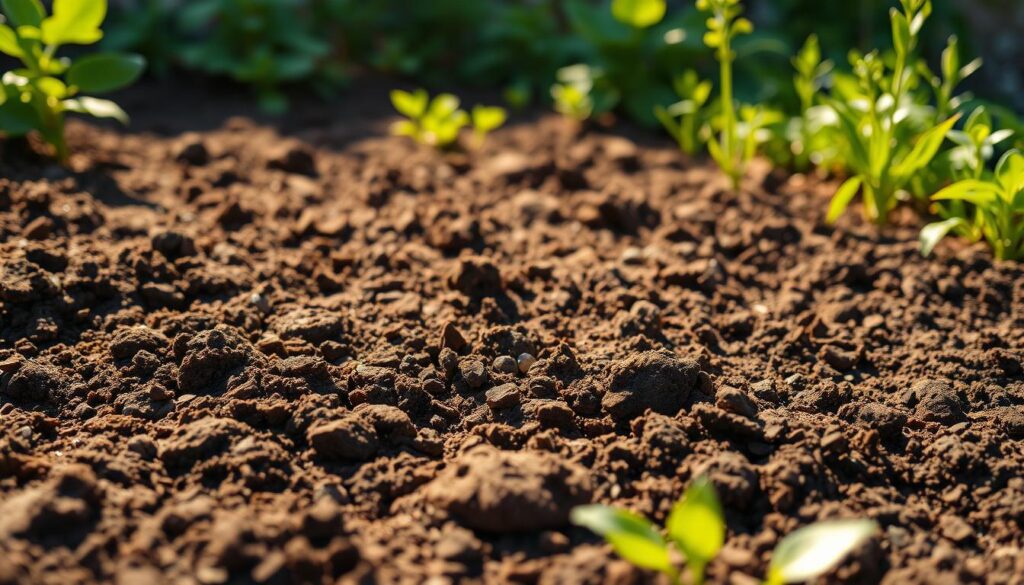
Mix each layer with a rake and shovel so texture stays uniform. For multiple beds, pre-mix in a wheelbarrow or use a small loader to save time.
Settling, top-off, and first-season feeding schedule
Water slowly to settle air pockets. Expect the surface to drop after the first soak and top off with compost to restore level and boost microbes.
- Prep components: portion soil, compost, and aeration by volume first.
- Layer and blend: soil → compost → aeration; repeat to the top.
- Water-in: saturate slowly; allow settling before final top-off.
- Initial feeding: scratch a gentle slow-release organic fertilizer and rock dust into the top few inches.
- Mulch 2 inches: use woody compost or straw to conserve moisture and suppress weeds.
- Planting depth: keep at least 12 feet? (edit: ensure 12 inches) of quality mix above any fillers for healthy roots.
Early care: monitor moisture daily the first week and side-dress with compost mid-season. If growth slows, add a light organic feed to support steady yields.
Troubleshooting underperforming beds over time
If your soils show puddles, hardpan, or thirsty patches, small changes often restore health. Try diagnostic steps first, then targeted fixes that save time and soil.
Gardeners often notice problems slowly: sinking soil, pooling, or plants that wilt between irrigations. Diagnose symptoms before digging out the mix. Many issues respond to adding aireation and fresh biology rather than replacing the whole soil raised profile.
Compaction, poor drainage, or fast drying—what to change
Pool or slow drainage? Loosen the surface with a fork and blend in lava rock, pumice, or perlite plus well-aged compost.
Drying too fast? Mix in compost, coir or quality peat and a handful of worm castings to hold moisture and feed microbes.
Annual compost top-ups and seasonal tune-ups
Add 1–2 inches of compost each year to maintain structure and biology. Fertilize gently with a slow-release organic feed and use compost tea as a boost when plants lag.
- Diagnose: pooling = low aeration; quick drying = low organic matter.
- Fix compaction: fork, mix in aeration media and compost.
- Rotate work: refresh a portion of beds each season to save time.
- Check pH: retest if growth stalls and adjust materials as needed.
“Amending in place for a season often restores vigor without a full swap.”
| Issue | Quick fix | Result |
|---|---|---|
| Compacted soil | Loosen + add pumice or lava + compost | Better drainage and root growth |
| Over-dry mix | Blend in coir, compost, worm castings | Improved moisture retention |
| Nutrient decline | Slow-release feed + compost tea | Greener, steadier plants |
Conclusion
Practical trials show that clear proportions and quality inputs deliver dependable results in the garden. Use the 40/40/20 baseline or an 80/20 bagged shortcut as starting points, then tune for climate and crops.
Practical trials reveal how a clear mixing plan pays back in yield and lower maintenance. Field data—from Mel’s Mix to topsoil blends—confirm that a balanced approach supports healthy plants and steady harvests.
Prioritize diverse, finished compost, reliable soil sources, and stable aeration media. Watch pH and add life with worm castings and annual top-ups. Calculate cubic feet so you source smartly and save time.
When problems appear, amend with aeration or organic matter before replacing the whole profile. Test small changes each season and celebrate steady gains—your raised bed will reward patient stewardship and thoughtful care.
For a side-by-side look at tested mixes and yields, see this three soil mixes compared.