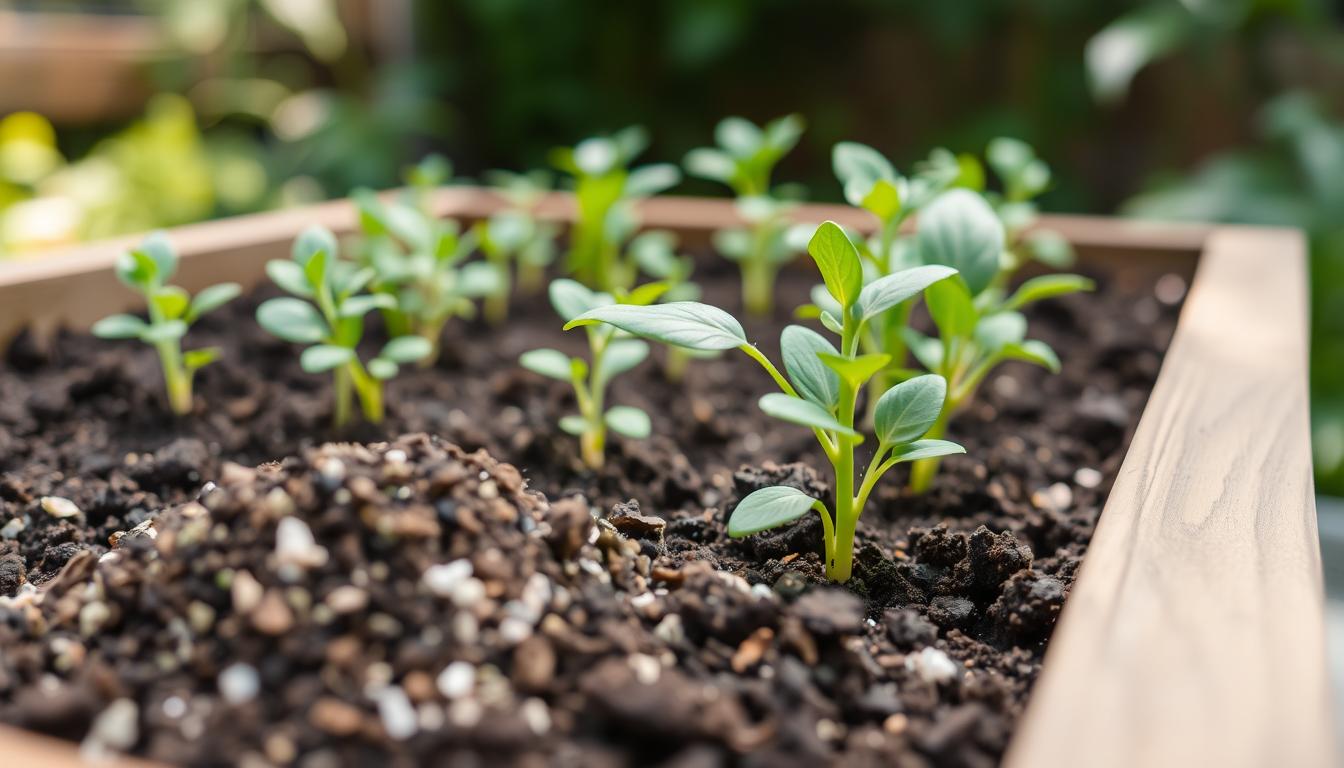
What if the answer to limp basil and sulking thyme wasn’t more water or fertilizer, but a different approach to the mix under their roots?
That single question pushed me to rethink common advice and to test a fresh, airy alternative that fits real deck and patio gardens.
For years I watched leggy basil and slow parsley and blamed light, then water. Over time the pattern pointed to compacted, soggy potting soil and inconsistent results from identical bags.
I built a tailored potting mix focused on drainage, aeration, and steady nutrition. Within weeks foliage brightened, stems firmed, and new plants established faster after repotting.
This isn’t about spending more. It’s about smarter sourcing and simple steps that save time and money across seasons while keeping plants fragrant and productive.
Key Takeaways
- Recognize the signs: soggy, compacted soil often causes weak growth more than light or fertilizer.
- Build for air and drainage: a tailored potting mix speeds establishment and boosts fragrance and vigor.
- Save over years: smarter ingredients often cost less across seasons than repeated bag purchases.
- Use bags selectively: they still work for emergencies or short-term fills.
- Practical next steps: choose ingredients, refresh old soil safely, and tune watering for potted plants.
From Bags to Better Batches: What Changed in My Herb Garden?
A two-pot experiment made the difference clear in just a fortnight. The new approach focused on structure, drainage, and easier moisture control. This shifted care from guesswork to clear signals from each plant.
The test was simple: two identical pots, same light and water, different mix below the roots. The basil in the fresh custom mix grew faster and looked brighter in two weeks. The other kept the dull leaves and slow rebound that signaled compaction.
What cues I finally read
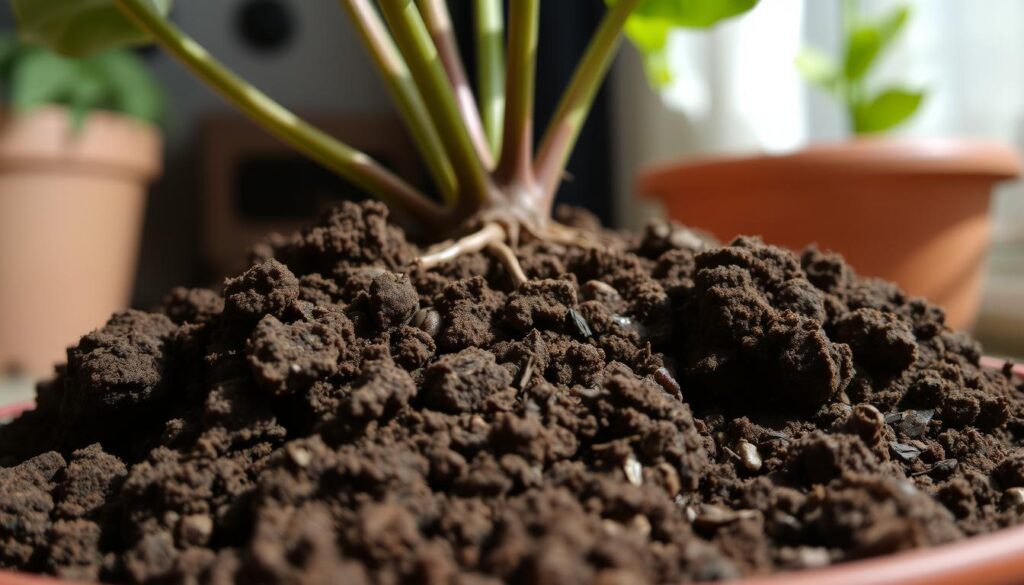
Leaves that stayed limp after midday and heavy, slow-drying soil were the big hints. Stems that failed to firm up meant the root zone lacked air.
What I aimed for instead
- Quick drainage so roots avoid waterlogged stress.
- Consistent moisture without swings that force survival mode.
- Air-filled structure so roots breathe and plants invest in growth and flavor.
“Once the medium and pots worked together, care got simpler: deep water, wait for the top inch to dry, then repeat.”
The result: steadier nutrient flow, more harvestable leaves each week, and longer plant life for Mediterranean favorites like thyme and rosemary. Less emergency care, more time enjoying a productive garden.
Why Bagged Potting Soil Lets Herbs Down?
Many commercial mixes start fluffy and useful, but time changes that fast. A once-airy medium can collapse into a dense block that traps moisture and hides trouble below the leaves. This shortfall shows up as slow growth, pale foliage, and more pests.
Compaction and poor aeration happen as peat fibers break down. That loss of pore space suffocates roots and slows drainage. When peat dries completely, it can repel water, so the next soak runs off instead of soaking in.
What invites rot, pests, and salt build-up?
- Warm, damp bags host anaerobic bacteria that smell like rotten eggs and harm roots.
- Mold and fungus gnats thrive in decomposing mixes and damage young roots.
- Poor drainage lets salts from water and fertilizer concentrate and burn root tips.
“Fixing structure does more for nutrient access than adding more fertilizer.”
| Issue | Cause | Risk |
|---|---|---|
| Compaction | Peat breakdown, fine particles | Reduced air, slow growth |
| Hydrophobic dry-down | Over-dried peat | Poor rewetting, moisture stress |
| Biological decay | Warm, sealed bags | Bacteria, fungi, gnats |
Read the Signs: When Old Potting Soil Has Gone Bad?
Quick checks show whether a mix is ready to support new plants. Use touch, sight, and smell to decide if the medium needs refreshing or retiring.
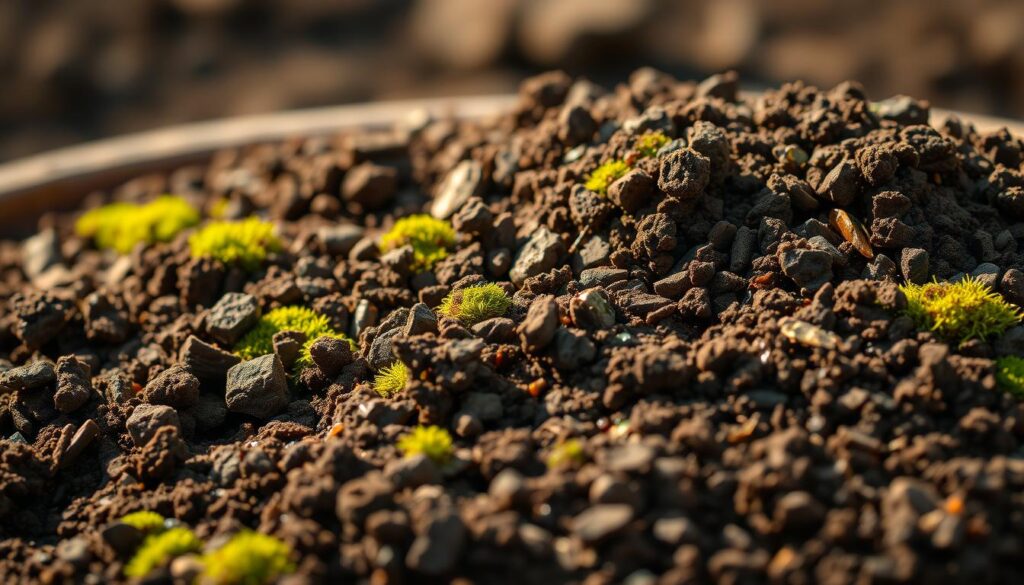
You can spot a tired mix with two simple senses: touch and smell. Squeeze a handful. If it stays in a hard clod or feels heavy when dry, compaction has set in and roots will struggle to breathe.
Break apart a few clumps. If they resist or feel like dead weight, the structure has collapsed and will hold water under the surface too long.
Sniff the bag. A sulfur or rotten-egg odor signals anaerobic bacteria. Gray or white fuzz, plus a sudden rise in fungus gnats, means fungi and insects have moved in.
Quick wet test: Add a little water to a handful. If water beads or channels through, the mix is hydrophobic and will be hard to rewet properly.
How long before a mix should be retired?
- Opened bags: expect 6–12 months of good life if stored cool and dry.
- Unopened bags: often fine for about 1–2 years when kept ideal.
- Warm, moist storage shortens life — treat those bags with extra caution.
When multiple red flags stack up, compost or solarize the batch instead of risking root rot and nutrient problems. For borderline mixes, blend a portion with fresh mix to restore structure.
| Sign | What to check | Recommended action |
|---|---|---|
| Hard clods | Squeeze test; dry weight | Recycle into compost or refresh with fresh mix |
| Foul odor | Smell for sulfur/rot | Discard or treat; do not plant sensitive starts |
| Mold & gnats | Surface fuzz, insect surge | Solarize or compost; avoid direct reuse |
| Poor rewetting | Water beads or channels | Blend with fresh medium and wetting agent |
“Label bags with the open date and storage spot so you know when a mix needs retirement.”
My Herb-First, Peat-Free Potting Mix Recipe?
A light, springy base heals stressed containers and helps plants thrive. Build a blend that drains fast, holds just enough moisture, and feeds living roots.
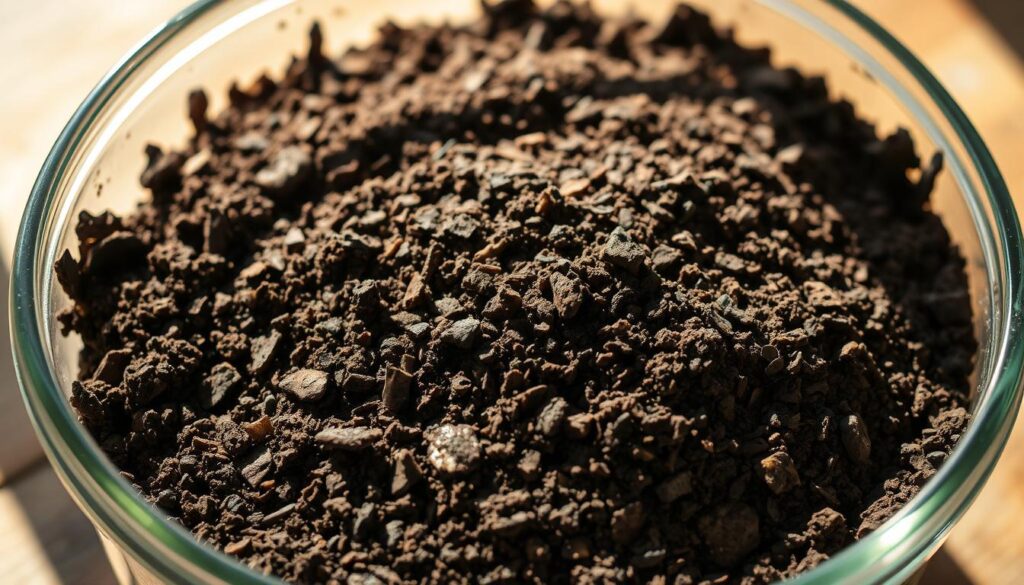
Core structure and why it matters
Start with function: a breathable medium that won’t compact in pots. That preserves soil structure and keeps roots healthy.
Suggested ratios
My go-to formula is simple and repeatable:
- 40% screened compost for nutrients and biology.
- 30% high-quality peat-free base (coir or leaf mold alternative).
- 20% biochar-enriched material to stabilize moisture and host microbes.
- 10% mineral aerators (pumice, perlite, or coarse vermiculite).
Optional boosts and what to avoid
Add a mycorrhizal inoculant and a light dusting of vermicompost for quicker establishment. A pinch of rock dust supplies trace minerals that tune flavor and vigor.
Avoid: peat moss for its rewetting issues, overly fine mixes that slump, and heavy wet ingredients that hold too much water.
| Component | Role | Best for |
|---|---|---|
| Screened compost | Nutrition & microbes | Balanced feeding without heavy fertilizer |
| Peat-free base (coir/leaf mold) | Consistency & moisture buffering | Reliable container texture |
| Biochar | Structure & microbial habitat | Hot, windy decks and pots |
| Mineral aerators | Drainage & air pockets | Plants that dislike wet feet |
For a deeper how-to and alternate recipes, see make your own potting mix.
Safely Reusing or Reviving Old Potting Soil for Potted Herbs?
A quick inspection and the right treatment can keep good medium in play and protect future plants. Discard clearly diseased mixes, and revive healthy leftovers with heat or fresh organic inputs.
A little triage at the pot rim tells whether a mix can be revived or must go.
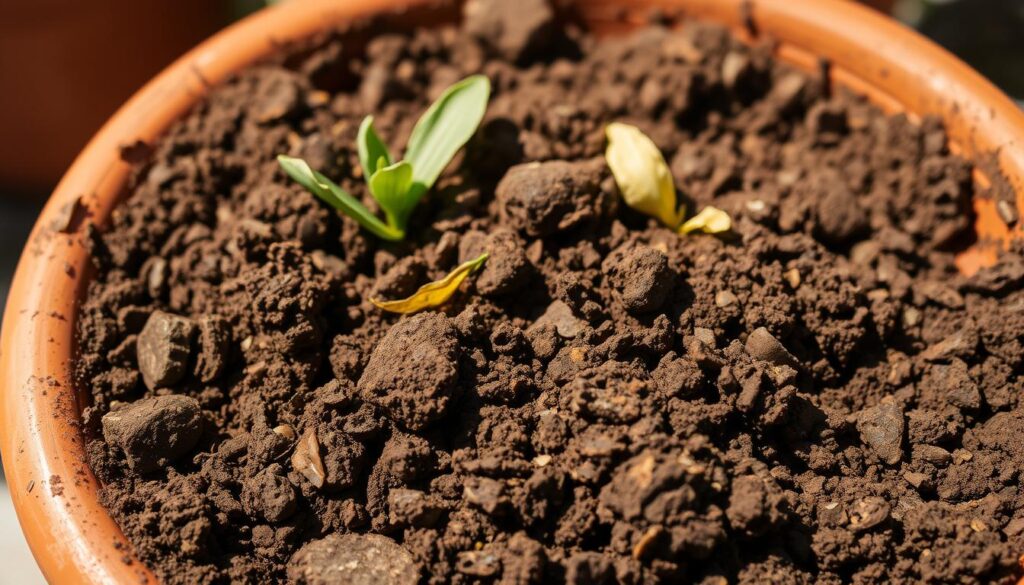
Start with a health check. If a plant died from a known disease or a pest that overwinters in the medium, discard that batch as household waste or treat it first. For suspect but not obviously infected used potting, solarization is a low-cost option.
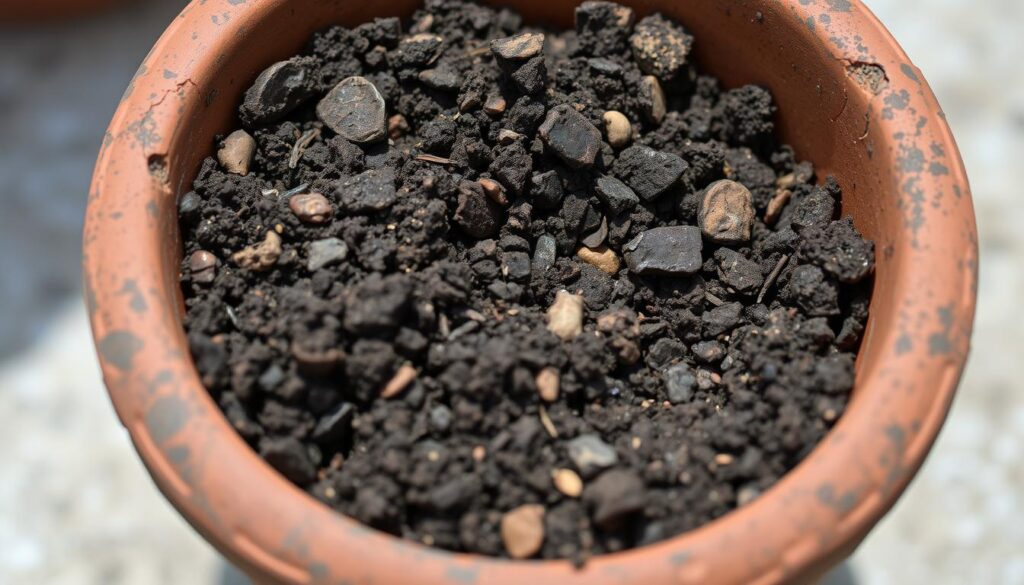
How to solarize and why it works
Seal the material in clear plastic and set it in full sun. Aim for 158°F (70°C) for 30 minutes or 140°F (60°C) for 1 hour to reduce pathogens that cause wilts and root rot. These targets come from extension research and control many fungi and bacteria.
Simple refresh formulas
For healthy leftover mix, blend 50:50 with fresh base or add 20–50% compost to restore porosity and biology. Break clumps, remove old roots, and rehydrate slowly so the blend wets evenly without turning soupy.
When to compost instead
If solarization isn’t feasible or the batch smells foul or hosted clear disease, compost or retire it. Add used material thinly to beds before mulching, or mix into an active compost pile at about 10% of the mass so decomposition proceeds safely.
“Label refreshed batches and keep a small reserve of fresh mix to make revival an easy routine rather than a risky one.”
Container Setup, Watering, and Fertilizing: Preventing Root Rot and Stress?
A smart setup makes moisture and root health simple to manage. This section shows clear steps to keep containers airy, water predictable, and nutrients gentle so potted plants stay vigorous.
Drainage first: right pot, drainage holes, and a breathable mix?
Choose containers with generous drainage holes and pair them with a breathable potting mix so excess water leaves quickly and oxygen returns fast.
Elevate pots slightly so holes stay clear. A saucer is fine, but empty it after watering so roots don’t sit in runoff.
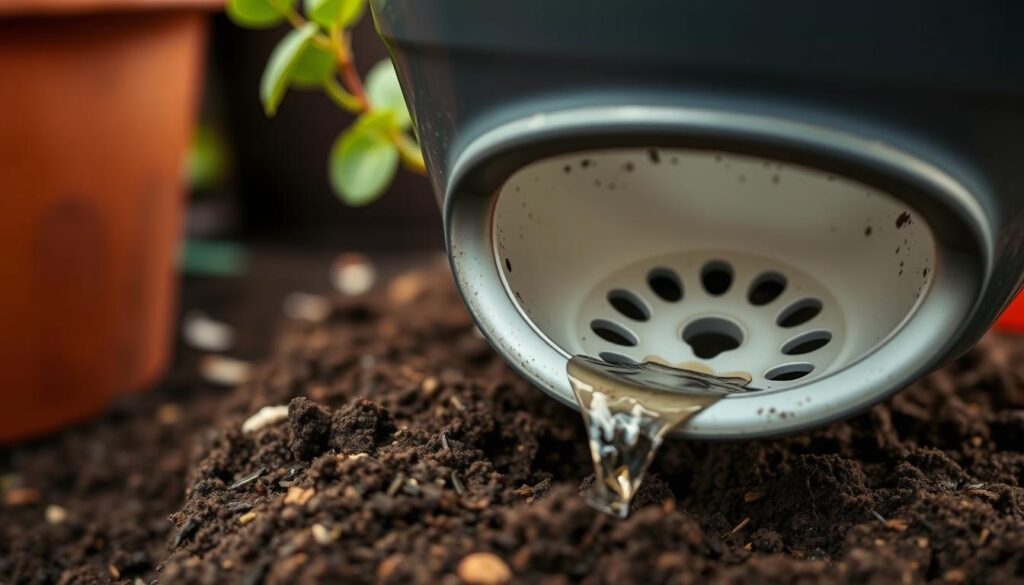
Moisture management: water deeply, then let the top inch dry?
Water deeply until a bit drains, then wait for the top inch to dry before watering again. This rhythm prevents moisture extremes that invite rot.
In hot spells, test moisture with a finger rather than the calendar. Sun, wind, and pot size change how fast media dries.
Feeding herbs: light, steady nutrients from compost and microbes?
Feed lightly with compost-based top dressings or diluted organic inputs. Herbs prefer steady nutrition over force-feeding with strong fertilizer.
Refresh the top layer of potting soil midseason with a handful of compost to boost microbes without disturbing roots. Group plants with similar moisture needs to keep watering consistent.
“If a plant droops at noon and stays limp at dusk, check drainage and the mix before you add fertilizer.”
| Action | Why it matters | Quick tip |
|---|---|---|
| Use wide pots with holes | Improves drainage and root air exchange | Elevate slightly; keep saucers dry |
| Deep watering, top-inch drying | Prevents constant wetness and drought swings | Finger test beats a calendar |
| Light compost feeding | Provides steady nutrients and microbes | Top-dress midseason; avoid strong fertilizer |
Want more on container basics? See practical tips for growing in containers.
Sustainable Swaps and Smarter Sourcing?
Sourcing with purpose—rather than convenience—made the biggest long-term difference. Choosing ingredients that protect peatlands and support local systems helps gardens thrive while lowering environmental cost.
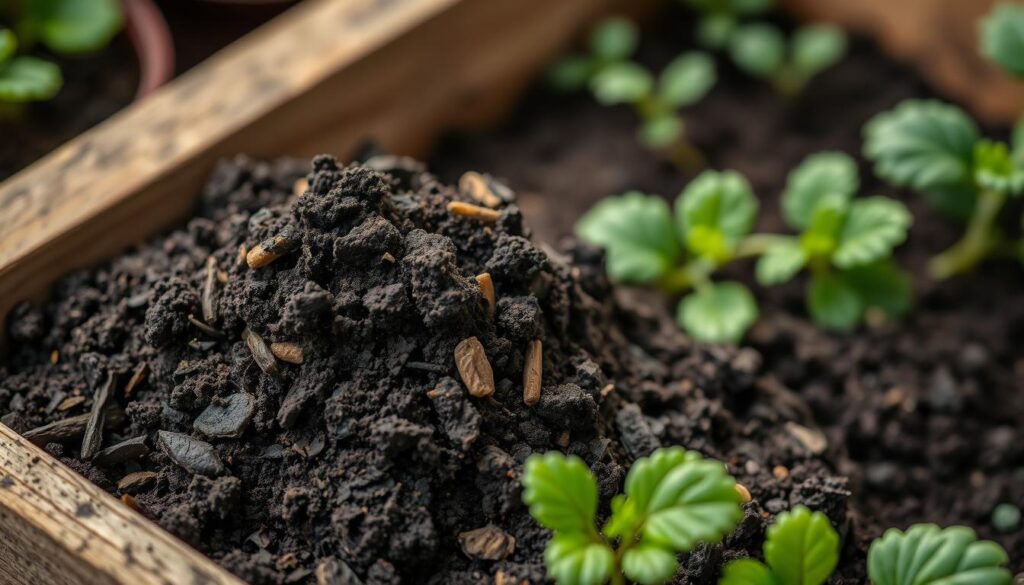
Why skip peat and most coir?
Peat dries into a hydrophobic mess and is hard to rewet. Harvesting it also damages peatlands that store vast carbon stores. For those reasons, many gardeners avoid peat.
Coir can be a good peat alternative, but most commercial coir is processed, shipped long distances, and carries a water and chemical footprint. Reserve verified coir and prefer local options.
Compost, biochar, and beneficial microbes to build living soil?
Compost plus biochar creates a resilient potting mix that holds moisture and keeps pore space open for roots to breathe. Add beneficial microbes to boost nutrient access and plant vigor.
- Favor municipal or local compost and leaf mold to reduce transport impact.
- Read labels: choose mixes that list aerators and biology, not vague fillers.
- Amend retail potting soil with compost and biochar to build soil life over years.
“Treat each container as a tiny soil garden: protect structure, add organic matter, and refresh biology seasonally.”
Conclusion?
Choose structure and biology over shortcuts to get flavorful leaves, steadier growth, and less fuss. A living, airy mix brings clearer care cues and better harvests.
A peat-free, compost-forward potting mix fixed compaction and made watering predictable. Refresh or retire old potting when it smells or beads water, and treat used potting with solarization or a 50:50 blend when safe.
Keep containers simple: the right pot, firm drainage, deep water then a dry top inch, and light compost feeds keep nutrients steady without salt buildup. Small habits—labeling, seasonal refreshes, gentle top-dresses—add up over years into fuller pots and more food for the table.