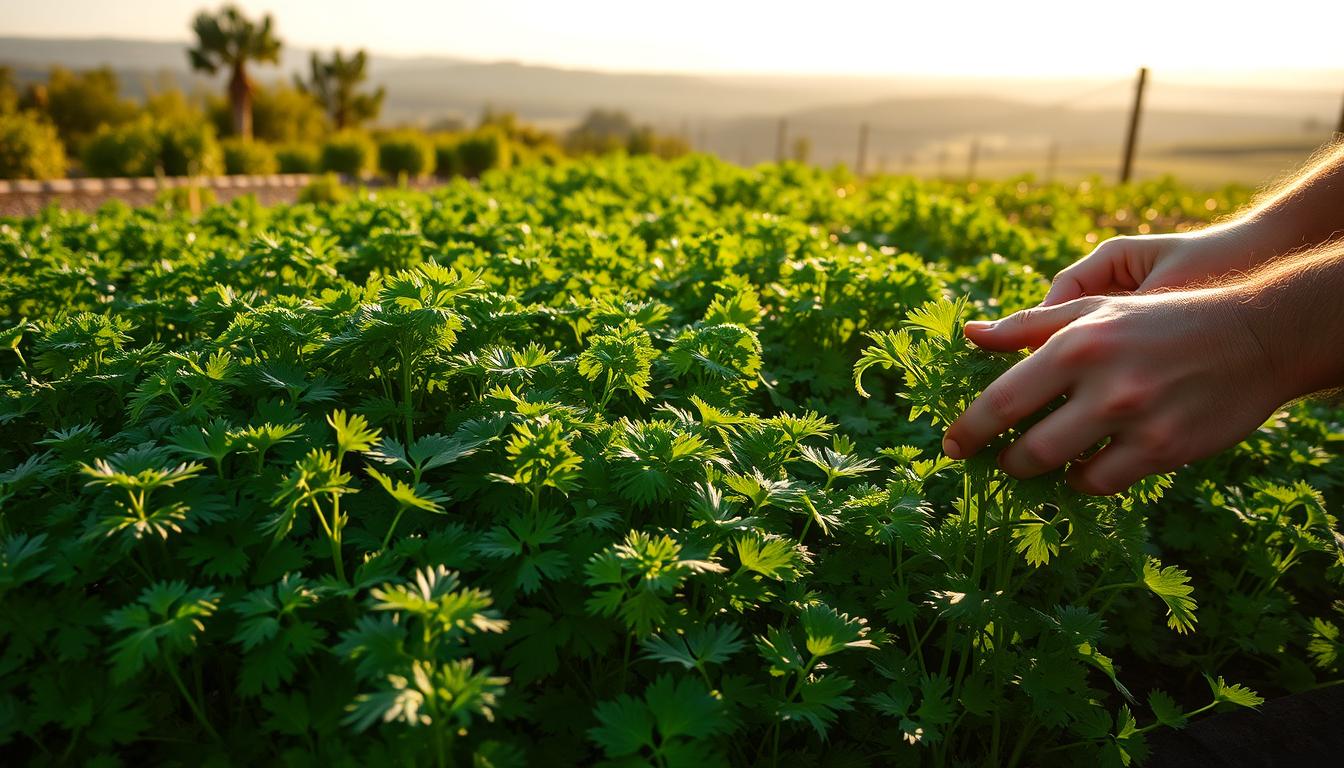
Can a simple shift in timing and care keep your herb patch leafy all season? This guide shows practical steps to keep Coriandrum sativum producing fresh leaves longer, even when weather tries to push it toward flowers.
Planting at the right season and matching light, water, and variety choices make the biggest difference. Start seeds early in cool weather, use partial shade through warm spells, and mulch to hold soil cool and moist.
Succession sowing every few weeks keeps a steady supply, and selecting slow-bolt varieties such as Caribe or Calypso delays flowering. When plants finally set seed, you can harvest coriander or save seed for future beds.
Read on to learn a clear, confidence-building process that fits your climate and garden layout.
Key Takeaways
- Plant in cool windows—early spring or fall—for best leafy yields.
- Use partial shade and mulch to keep soil temperatures down.
- Sow in succession to maintain a continuous harvest.
- Choose slow-bolt varieties like Caribe and Calypso.
- Water consistently—about one inch per week—to reduce stress.
- In warm zones, try winter planting for longer production.
Bolting 101: What It Is, Why It Happens, and How to Spot It Early
Bolting marks the moment a leafy herb redirects energy into tall stalks, blooms, and seeds. Recognizing this shift early helps you harvest well and decide whether to protect or replace plants.
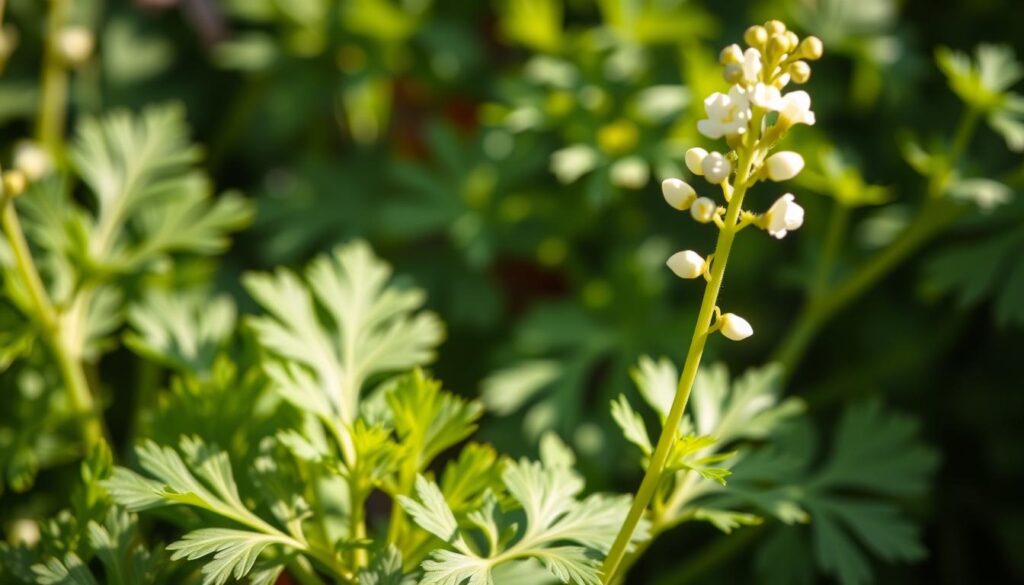
Bolting is the natural process where cilantro stops leaf production and moves toward a single goal: flowers and seed. Watch the change closely. The plant focuses on a central stalk and readies white flowers for pollinators.
Primary triggers to watch
Rising temperatures, longer day length, and uneven water push plants to bolt. Summer heat stacks stress and speeds the switch.
Early signs you can spot
- Taller central stalks breaking through the canopy.
- Leaves become frillier and more bitter in flavor.
- Small white flowers and seed heads begin to form.
Actionable note: Snipping a stalk only delays the trend. If you see a vertical push from the center, harvest usable leaves now and plan for rotation or seed saving once flowering starts.
Planting Windows by Season and Region: Keep Cilantro in Its Cool-Weather Comfort Zone
Pick the right calendar window and your herbs will stay leafy longer. Simple timing changes for your climate can reduce stress and delay the rush to flower.
Best timing: In most U.S. climates, aim to sow in early spring once frost danger has passed. You can also sow up to four weeks before the average last frost if you use a cold frame or low tunnel.
Regional guidance:
Cool-zone timing
Plant in spring and again in fall for steady harvests. For fall, count back 6–8 weeks from your average first frost so seedlings establish as days shorten.
Warm-zone timing
In warmer regions, plan late fall through winter sowings so plants avoid the hottest months. This timing helps leaves stay tender and reduces stress from summer heat.
Practical notes for gardeners:
- Direct seed where the row will grow; seeds germinate in about 7–10 days with steady moisture.
- Watch daily hours of sun — bright spring light is ideal, and afternoon shade helps as summer nears.
- Schedule by weeks, not just dates, and protect young plants during cold snaps or sudden warm spells.
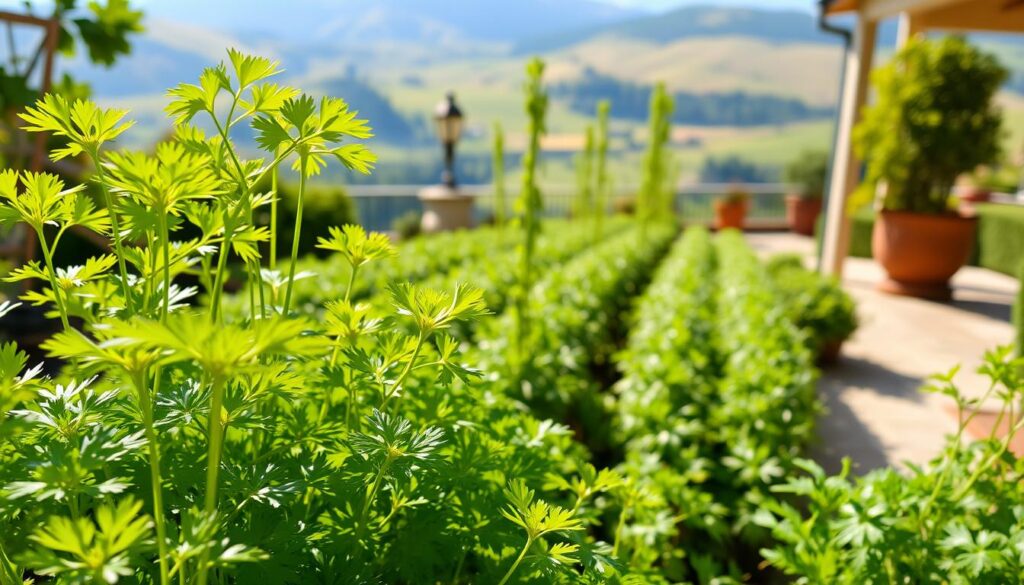
Growing cilantro without bolting expert tips every gardener can apply
Focus on root-zone cooling, consistent water, and close sowing to extend leafy harvests. These simple moves reduce stress and keep plants in a vegetative state longer.
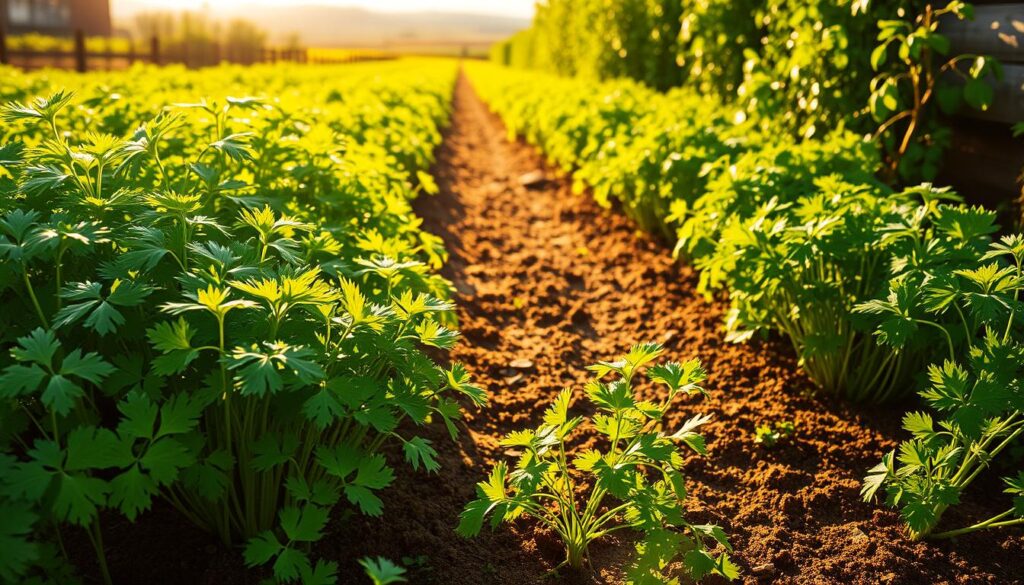
Prep the bed
Build well-drained, fertile soil with compost or leaf mold. That mix holds moisture and helps keep soil cooler around the roots. Good structure supports steady, leafy growth under shifting temperatures.
Moisture management
Water evenly at about one inch per week and aim for a wrung-out sponge feel. Use drip or low-pressure lines so sprays don’t batter tender fronds and seedlings. Even moisture prevents drought stress that can trigger a bolt.
Cool the root zone
Mulch with compost, straw, or leaf mold to buffer heat and steady moisture. Add afternoon shade with cloth or tuck plants beneath taller crops to lower bed temperatures. These tactics protect leaves and slow the move toward flowering.
Sow thick and harvest often
Direct-seed in place and sow densely so the canopy shades the ground. Thin by harvesting handfuls of leaf; this encourages new growth and keeps the plant focused on foliage.
- Tip: Tight sowings in cool spells keep soil covered; in warm stretches, increase spacing for airflow.
- Watch heat spikes and add temporary shade or extra water to stabilize conditions.
Succession Planting and Variety Selection for a Longer Leafy Harvest
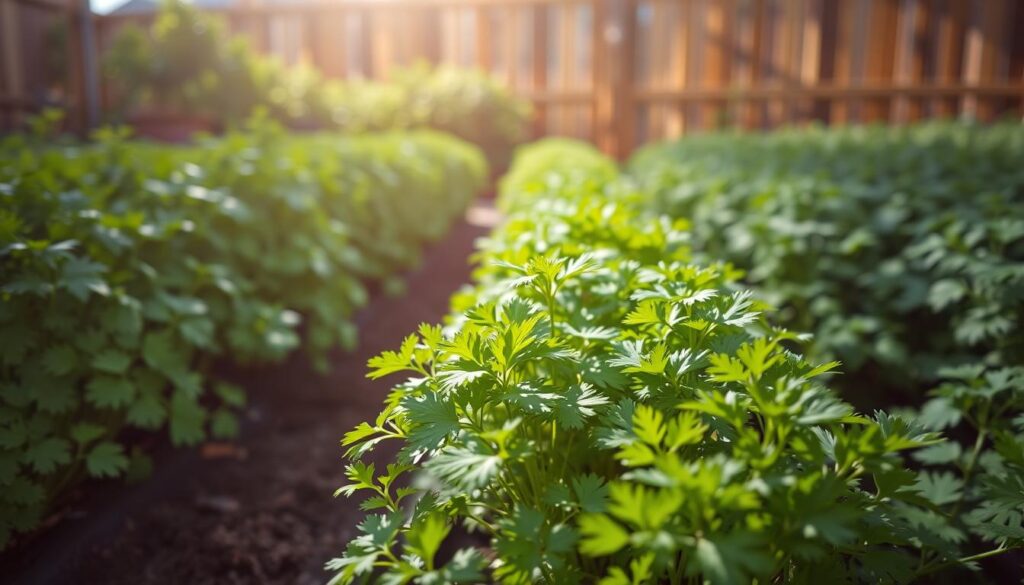
Stagger small batches of seedings to keep fresh leaves coming as older rows finish their life cycle. This practical cadence reduces harvest gaps and helps you manage heat-prone weeks more easily.
Plan to re-sow every 2–4 weeks in cool stretches, then pause when midsummer heat and long days increase the risk of a bolt.
How to pace your sowings
Treat succession as a rolling crop: sow short rows of seeds every two to four weeks so new plants replace older ones. Many gardeners stop sowing in June–July in warm regions, then resume when nights cool.
Choose the right varieties
Pick cultivars labeled “slow bolt” or “long-standing.” Named varieties like Caribe and Calypso often hold leaf production longer in summer conditions. Track which seed packets do best in your microclimate to refine choices.
- Direct-seed small patches with a handful of cilantro seeds per short row for continuous harvests.
- Record sowing dates by weeks so you can predict when a cilantro plant will shift to flowering.
- Thin by harvesting to maintain airflow in warm weeks; use tighter spacing in cool spells to shade soil.
- Set aside a late patch if you want seed for saving; let that area mature while other successions stay leafy.
When Cilantro Bolts: Smart Moves for Flowers, Seeds, and Garden Turnover
Turn a reproductive shift into a tidy win for pollinators and your pantry. Quick choices — let some plants bloom, save coriander seed, or clear beds and replant — keep the garden productive.
Let it flower
White flowers attract beneficial insects and make delicate garnishes. Let a few plants reach bloom to support pollinators and add seasonal charm to salads.
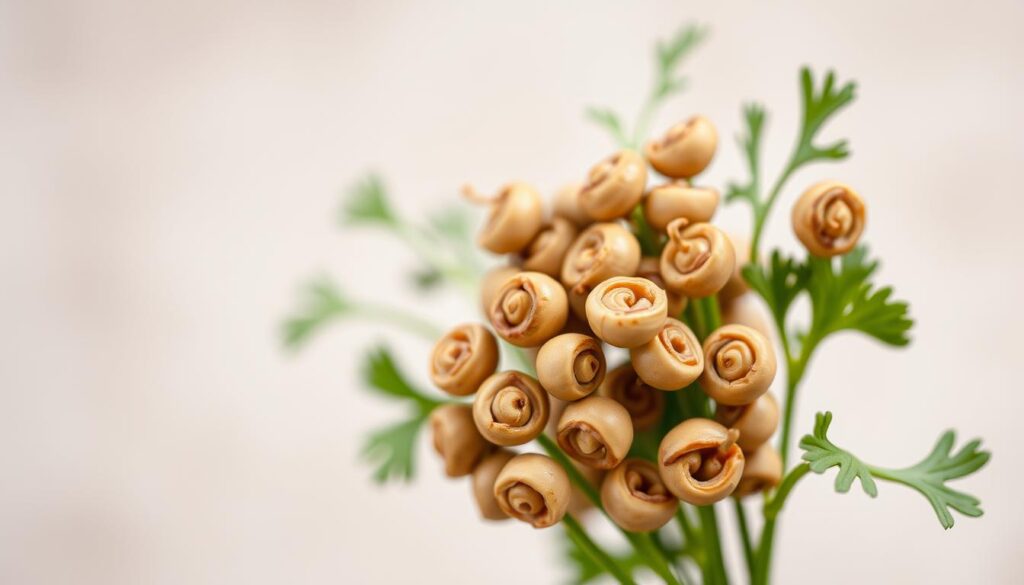
Harvest coriander
Watch seed heads go from green to light brown. Clip tops into a paper bag and hang in a cool, dry space to finish the drying process.
- Label the bag with date and bed so you can track seed quality.
- Once dry, store coriander in airtight jars or envelopes for cooking or future planting.
Clear and replant
If space is tight in summer, pull bolting rows and sow fast crops like beans, beets, or carrots. Or reserve a corner to finish seed while nearby successions keep producing fresh leaves.
Practical note: Cutting for a first stalk rarely stops the shift. Plan turnover and new sowings instead of fighting a determined reproductive phase.
For quick guides on seasonally smart plant swaps, see this short guide on vegetables to add to your beds: easy vegetables to plant.
Conclusion
Plan by weeks, tend roots and soil, then harvest and reset to keep plants productive through cool seasons.These small habits—steady water, mulch, partial shade, and succession planting—turn short leafy runs into a dependable kitchen supply.
Keep cilantro by matching sowing to your local weather: spring and fall in cool zones, late fall into winter in warmer areas. Aim for about one inch of water per week, mulch to protect roots, and use light afternoon shade during peak heat.
When a cilantro plant shifts toward flowers and seed, harvest usable cilantro leaves, save seeds for later, and replant new rows on a weekly schedule. Try bolt-tolerant varieties like Caribe or Calypso and treat each bed as a simple cycle: start, manage conditions, enjoy leaves, then renew.
For more ideas on companion herbs and seasonal plant choices, see this guide to the best garden herbs.