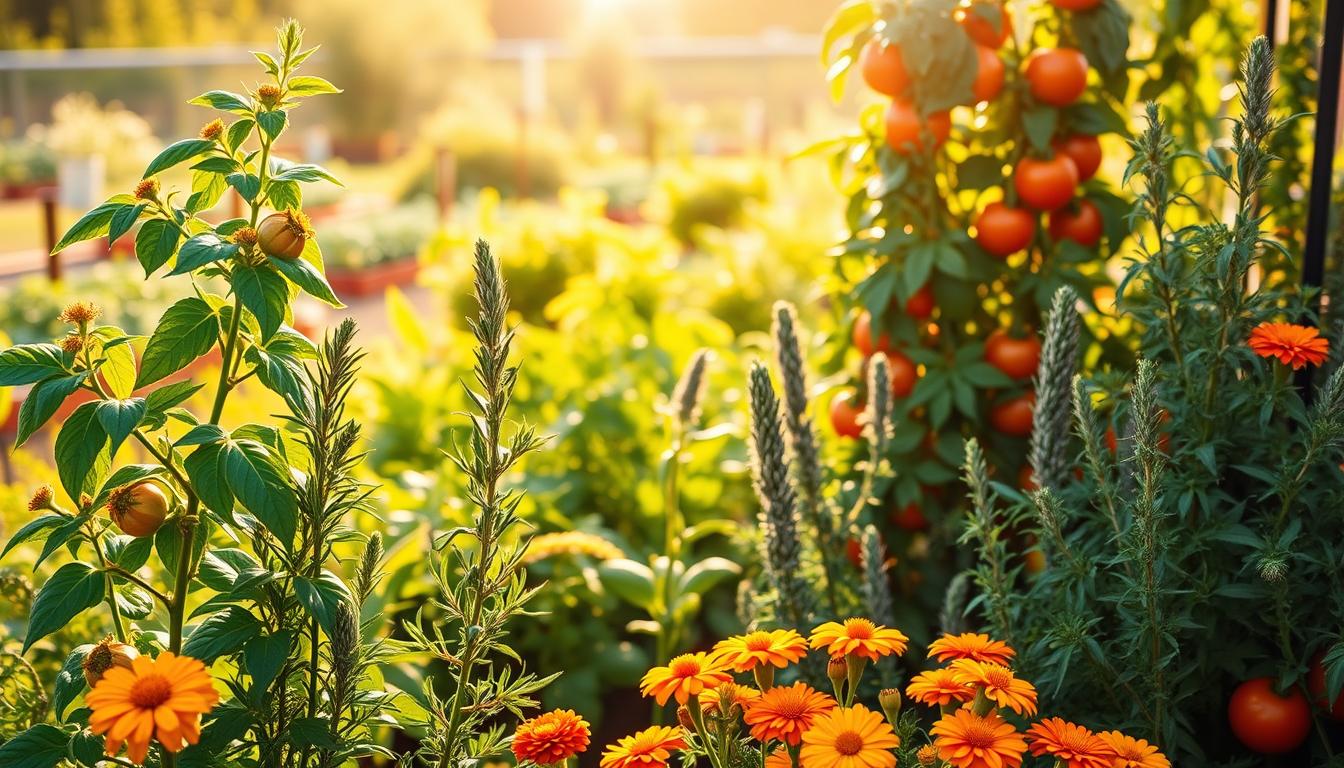
Curious which small plants can do big work in your beds? Many gardeners miss how a few wise pairings can cut pest damage, lure pollinators, and lift flavor in weeks, not seasons.
This guide shows simple companion planting choices you can use today. Basil, rosemary, sage, oregano, and thyme are easy to grow and pair well with common vegetables. Each supports specific plants, deters pests, and helps yields without heavy inputs.
The notes below include neighbors to avoid and basic moisture tips so you can make sure dry-loving herbs don’t sit next to thirsty crops. You’ll get practical advice on sun, spacing, and quick successions to save space and time.
Key Takeaways
- Choose herbs with purpose: each one favors certain vegetables and repels specific pests.
- Mind moisture: keep dry-loving herbs away from thirsty plants to avoid stress.
- Pair for flavor and defense: basil near tomatoes boosts taste and reduces common pests.
- Use ground covers: oregano can fill gaps and suppress weeds in small beds.
- Plan layouts: simple layouts and succession plantings save space and increase yields.
Why Companion Planting Herbs Boosts Garden Health and Yields
Companion planting uses herbs to protect neighboring vegetables, reduce pests, and attract beneficial insects.These pairings improve pollination, create better microclimates, and make more efficient use of garden space and time.
Using a few strategic plants beside crops can cut pest damage and lift growth without extra sprays or inputs. The Old Farmer’s Almanac charts show reliable pairings — for example, basil with tomatoes, rosemary with brassicas, and thyme with cabbage — that improve vigor and reduce pest pressure.
Herbs work in several clear ways. Their scents can mask host crops and confuse pest behavior. Flowers bring pollinators and predators like hoverflies and lacewings, which lower aphid hotspots and boost fruit set.
Taller or shrubby herbs add shade and windbreaks for seedlings. Low runners act as living mulch, saving space and suppressing weeds. Beans and peas add nitrogen to the soil, helping nearby vegetables grow stronger.
- Less pest pressure: scent masking and predator habitat reduce attacks.
- Better pollination: blooms attract pollinators for fuller fruit set.
- Smarter use of space: low groundcovers and tall herbs share room with climbing crops.
The Almanac’s evidence-based pairings save time and trial-and-error. For a practical planting plan and step-by-step tips, see this guide on companion planting with herbs.

Basil: The classic defender for tomatoes, peppers, and root crops
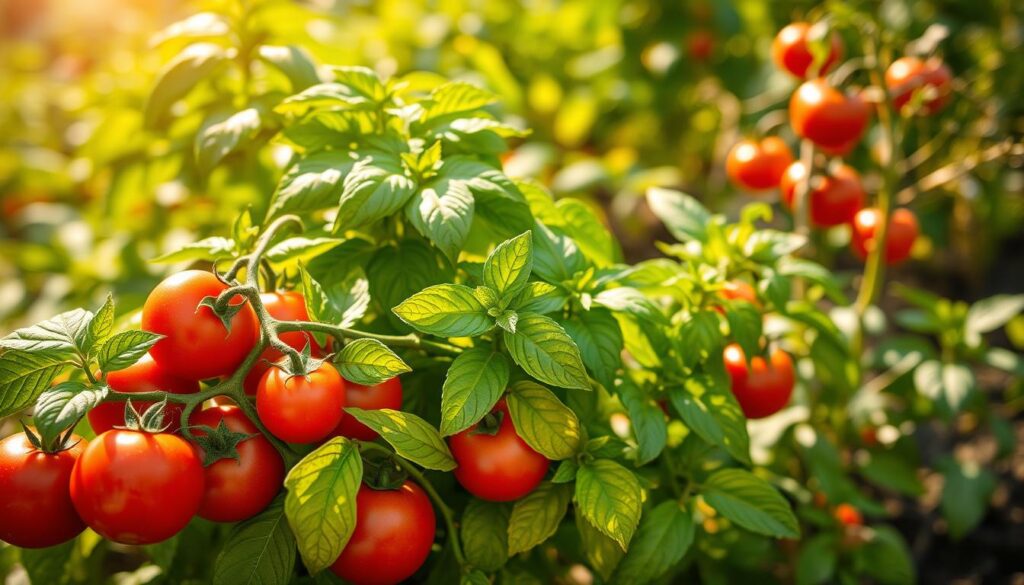
Basil blends flavor and function in the vegetable bed. Its aroma confuses pests and invites beneficial insects, while leaves boost tomato flavor when grown nearby.
Basil is a powerhouse companion plants choice for tomatoes and peppers, improving flavor and helping defend leaves and fruit. Give basil full sun and consistently moist, fertile soil; pair with marigolds and nasturtiums to layer defenses and attract beneficials.
Best companions
- Tomatoes, potatoes, asparagus, marigolds, and root vegetables such as carrots and beets.
Pests deterred
- Aphids, spider mites, thrips, hornworms, and whiteflies—aromatic oils help mask hosts and reduce attacks.
Plants to avoid
- Keep cucumbers away to prevent competition. Avoid thyme and sage nearby because they prefer drier soil. Fennel and common rue can alter flavors or attract unwanted pests.
Planting tips
- Plant in full sun with rich, well-draining soil and steady moisture.
- Interplant marigolds and scatter nasturtiums as a trap crop to lure aphids off tomatoes.
- Space garlic and basil so roots and foliage don’t crowd; both help reduce aphids and some whiteflies when used together.
Rosemary: Aromatic armor for brassicas and berries
With its woody aroma and evergreen form, rosemary quietly defends beds of brassicas and berries. Plant it where full sun and dry, well-drained soil make care simple and scent strong.
Rosemary’s volatile oils mask cabbage and cauliflower, lowering moth egg-laying and confusing aphids and small caterpillars. Tuck it on a bed edge to block wind, draw pollinators, and anchor a sunny strip of Mediterranean herbs.
Top pairings
- cabbage, cauliflower, thyme, oregano, chives, and strawberries.
Pests repelled
- Aphids, moths, and caterpillars—scent masking limits egg-laying and feeding on heads like cabbage.
Keep apart
- mint, pumpkins, tomatoes, cucumbers, and basil due to root or moisture conflicts.
| Pairing | Benefit | Soil & Water |
|---|---|---|
| cabbage / cauliflower | Reduced egg-laying; fewer leaf damage | Dry, well-drained; keep rosemary drier than brassicas |
| thyme / oregano | Shared Mediterranean needs; simplified care | Full sun; low to moderate watering |
| strawberries / chives | Improved fertility feel and extra pest deterrence | Border planting; strawberries need slightly more moisture |
Sage: Reliable pest control around tomatoes, carrots, and brassicas
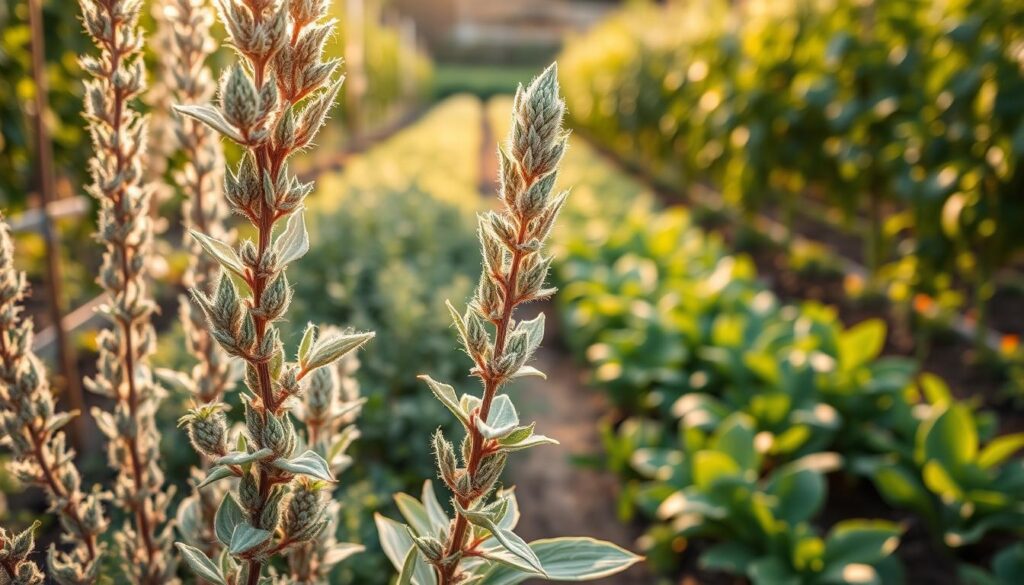
Sage is a steady protector for tomatoes, carrots, and cabbage family crops. Its aromatic leaves repel flea beetles and spider mites, and can improve strawberry flavor while lowering nibbling on fruit.
Plant sage in sunny, well-drained soil and group it with rosemary to form a drought-tolerant edge that helps brassica beds like broccoli, kale, and cauliflower thrive.
Grow well together
- tomatoes, strawberries, carrots, rosemary, broccoli, kale
Avoid pairing with
- cucumbers, fennel, wormwood, rue, and moisture-loving alliums
Practical tips: Place alternating rows of sage and carrots to deter carrot rust flies and reduce root tunneling. Near tomatoes, sage discourages flea beetles and pairs well with nearby dill or cilantro to attract predators.
| Crop | Benefit | Soil & planting note |
|---|---|---|
| tomatoes | Fewer flea beetles; cleaner foliage | Full sun; well-drained soil; avoid overwatering |
| carrots | Reduced carrot rust fly damage | Alternate rows; loose soil for roots |
| cabbage family | Lower moths, maggots, loopers, and beetles | Edge planting with drought-tolerant herbs; keep brassicas slightly moister |
For more pairing ideas around tomatoes, see this concise guide on companion planting for tomatoes.
Oregano: Low-maintenance ground cover that fortifies crops
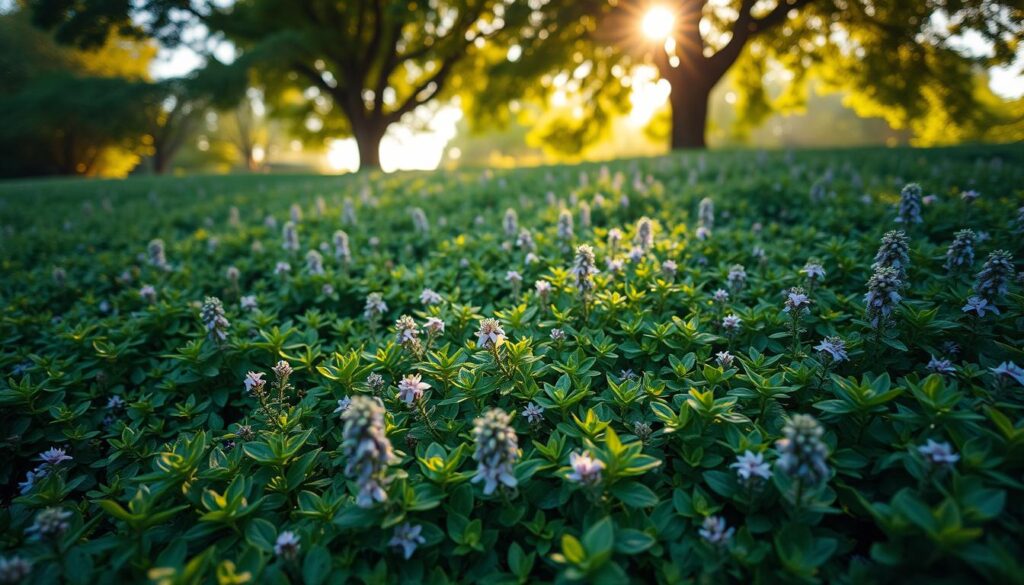
Oregano is a tough, aromatic ground cover that protects crops from pests and reduces weeding. Use it to edge beds and weave between heat-loving vegetables for a low-care, high-benefit border.
Oregano spreads quietly across hot soil, turning gaps into fragrant, pest-resistant mats.
Companion wins
- Good pairings: cucumbers, zucchini, squash, tomatoes, beans, and cabbage — oregano helps repel cucumber beetles and squash bugs.
- Flower power: when oregano blooms it draws pollinators and ladybugs, which help reduce aphid pressure and boost fruit set on nearby plants.
Soil and spacing notes
- Dry-loving: oregano prefers dry, sunny soil; give it a drier edge so it does not compete with moisture-loving plants.
- Keep apart: avoid planting oregano next to basil, chives, coriander, and mint because irrigation needs differ and mixed watering weakens both.
- Care tips: trim lightly to encourage branching, and divide mats each few seasons to renew vigor across the garden bed.
Thyme: Drought-tolerant bodyguard for nightshades and brassicas
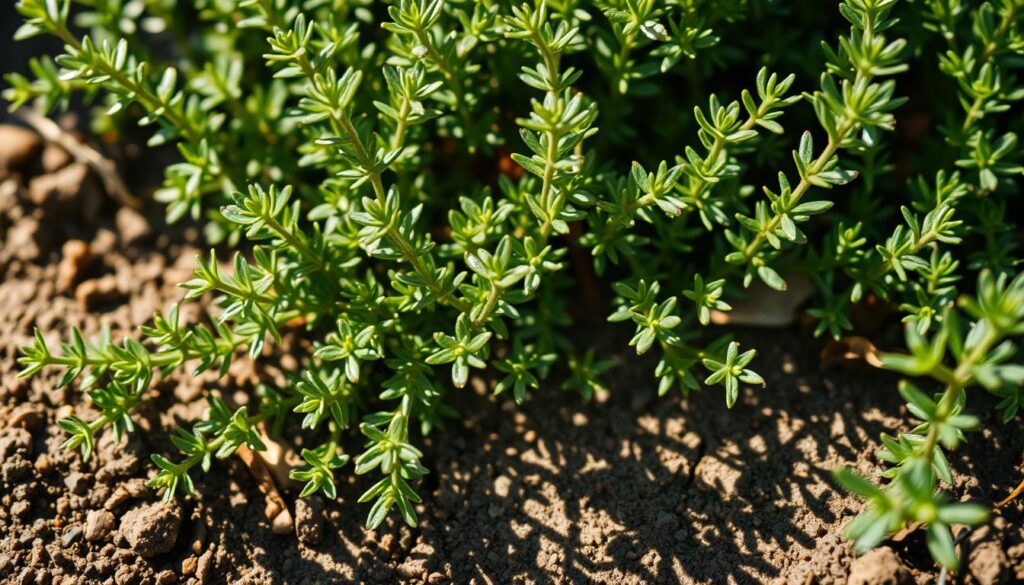
Thyme is a compact, drought-hardy companion that shields brassicas and nightshades while keeping maintenance low. Root it in sharply drained soil and give plants airflow; thyme rewards you with resilience, fragrance, and natural pest moderation.
Plant thyme where soil drains fast and you want a low-care layer of fragrance and pest defense. It thrives in hot, sunny edges and fits into narrow space under taller crops.
Where thyme shines
- Pairs well with eggplant, tomatoes, and potatoes by sitting snugly beneath canopies without crowding.
- With cabbage and broccoli, thyme helps cut moth and looper pressure on developing heads and tender leaves.
- Grow thyme near lavender and other Mediterranean herbs to unify watering and simplify care.
| Crop | Benefit | Soil & spacing |
|---|---|---|
| tomatoes / potatoes | Scent-driven deterrent; fits under plants without stealing space | Sharp drainage; tuck into raised bed corners |
| cabbage / broccoli | Lower moths, loopers, and some mites on heads | Lean soil at edge; keep brassicas slightly moister nearby |
| lavender | Shared water needs; stronger aromatics and pollinator draw | Full sun; spaced to allow airflow |
Keep moist-soil herbs like basil, coriander, and chives in separate zones to avoid overwatering thyme. Shear lightly after flowering to encourage bushy growth and longer vigor.
Top 5 herb companions that will protect your beds from common pests
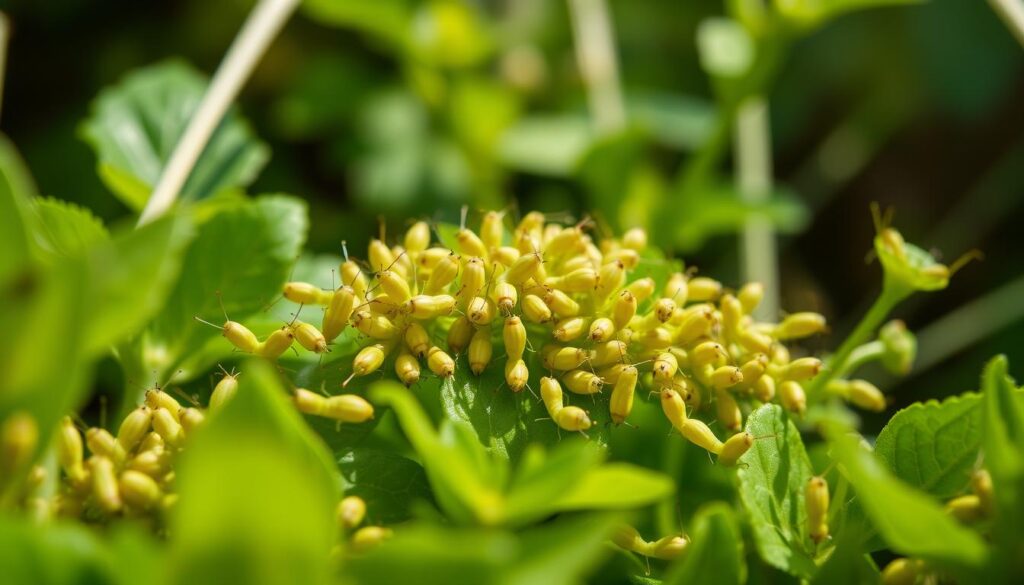
Smart pairings use scent, flowers, and decoy plants to keep chewing and sucking pests at bay. Match each plant to the threat—then add flowers and decoys to stack defenses and invite predators.
Match herbs to threats
- Basil for aphids: plant near tomatoes and add flowering dill to attract hoverflies that eat aphids.
- Sage for flea beetles: pair with marigolds to reduce feeding on solanaceous crops.
- Rosemary and thyme: mask cabbage scents and lower moth and looper pressure on brassicas.
- Oregano: helps deter cucumber beetles on cucumbers and squash vines.
- Thyme: tucks under plants to cut looper damage without crowding roots.
Trap crops and deterrents
Use nasturtiums and marigolds as decoys and nematode deterrents. Plant chamomile at bed edges in cool periods to confuse cabbage-seeking pests.
“Stacking a few aromatic and flowering plants shifts pest pressure and brings more beneficial insects into the garden.”
Quick tip: weave beans and peas into beds to boost nitrogen and help nearby plants recover from minor pest stress. For more on pest-repellent mixes, see pest-repellent plant combos.
Plan your companion planting layout for the season
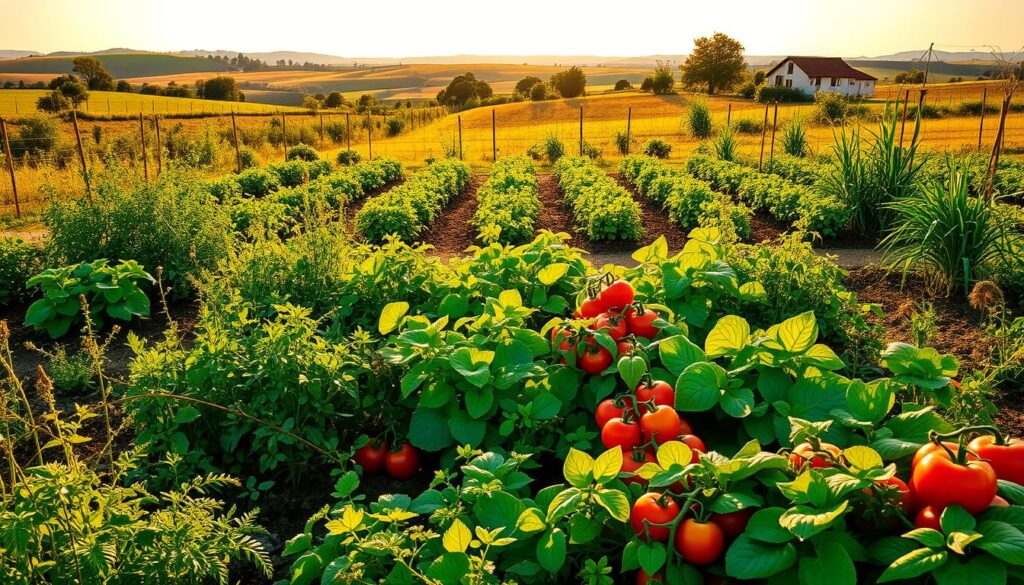
Start with proven pairings from evidence-based charts and group plants by what they need. This removes guesswork and helps scents, blooms, and roots support nearby vegetables.
Good layouts match irrigation and root zones. Reserve a dry strip for rosemary, thyme, and oregano so soil stays sharp and aromatic.
Use evidence-based pairings
Place basil with tomatoes and thyme near cabbage as shown in Old Farmer’s Almanac charts. These companion plants cut pest pressure and improve pollination.
Mind moisture and root zones
Group moisture lovers—basil, chives, mint—in wetter beds or containers. Put shallow herbs at edges and give deep-rooted brassicas ample space to grow without crowding.
Timing and succession
For a cool-season bed, center Napa cabbage, ring it with onions, add cilantro to draw ladybugs, and edge with chamomile for extra masking and harvestable flowers.
Then rotate to warm-season planting with tomatoes and peppers, set basil at their feet and thyme along borders to save space and guard leaves.
| Season | Key layout | Why it works |
|---|---|---|
| Cool | Cabbage center + onions + cilantro + chamomile edge | Onions deter pests; cilantro attracts predators; chamomile masks scent |
| Warm | Tomatoes/peppers with basil + thyme border | Basil boosts flavor and deters pests; thyme saves space and masks hosts |
| All season | Dry strip for rosemary, thyme, oregano; legumes between heavy feeders | Prevents overwatering; legumes fix nitrogen for growth |
Quick reminders: mark root zones, plan space for trap crops like nasturtiums and marigolds, and revisit layouts at planting time and midseason to tweak spacing or staking. For a practical companion planting layout guide, see companion planting layout guide.
Conclusion
Smartly chosen neighbors in a bed change how vegetables grow and how pests behave. Pairing basil, rosemary, sage, oregano, and thyme with the right crops gives you scent-driven defenses, better pollination, and tastier harvests.
Make sure to group by moisture, keep airflow, and rotate by season. Match herbs to likely threats — basil by tomatoes for aphids, rosemary near cabbage, and sage by carrots to fend off flea beetles.
Let oregano act as living mulch, tuck thyme along borders, and add flowers like marigolds or dill to attract predators. For more companion crop ideas, see companion crop ideas, or explore an outdoor herb garden plan to grow well with minimal fuss.