Can a small backyard structure become a steady source of extra money and real success? This article walks a practical path from weekend joy to steady sales, mixing clear numbers with simple steps.
Your backyard can do more than grow foliage — it can grow a real business. We matched structure choices, crop mixes, and local demand with common sales tools and steady habits.
We explain choices like polycarbonate versus glass and heated versus unheated setups, and show realistic U.S. cost ranges and revenue benchmarks. You’ll see short examples of direct-to-consumer tactics, pre-sales, and basic POS like Square.
Expect plain-English steps, time-saving tips, and numbers you can trust. For a real-world peek at a low-stress side operation, check this profile of a successful seller who scaled from a garage setup to steady revenue via livestreams and simple systems: low-stress side hustle case study.
Key Takeaways
- Match structure and crops to your market and budget.
- Simple sales channels and pre-orders keep cash flowing.
- Polycarbonate gives durability; glass boosts light but costs more.
- Heated houses extend season, unheated can still yield solid returns.
- Track costs, price with confidence, and focus on repeat customers.
From Weekend Hobby to Income: Our Greenhouse Story and What You’ll Learn
We started by selling spare seedlings to neighbors and learned what local buyers wanted each spring. This short guide shows the steps we used to map time, plan space, and set simple order systems.
Many small growers begin on community pages and expand with pre-orders and pickup days. We posted variety lists in February for warm-season crops and watched reservations fill fast.
Tracking orders with a basic spreadsheet cut mistakes and kept fulfillment smooth. A Square reader let us accept cards and send quick invoices at pickup.
“Posting early and taking pre-orders turned curiosity into confirmed sales and steady spring traffic.”
- Start local: find first customers in gardening and homesteading groups.
- Map your time: schedule seed starting, up-potting, and sales so you avoid burnout.
- Plan space: set aside bench and garage areas for peak seedling waves.
This article combines simple research and real steps that kept demand steady and built repeat markets. For a practical budgeting angle, see starting a flower farm on a.
Planning the Greenhouse Setup That Makes Money
Pick a structure that balances upfront cost with the production you plan to sell. This short planning step ties choices—frame, glazing, and utilities—directly to your sales calendar and daily work.
Choosing the right structure and glazing
Match types to goals: gable frames give steady light and durability. Hoop houses are the budget option for quick starts. Domes use interior area efficiently for staging and inventory.
Glazing options matter: glass gives maximum light but adds breakage risk and higher costs. Polycarbonate insulates better, lowers maintenance, and stabilizes climate for seedlings and tender crops.
Heated vs. unheated: ROI and running costs
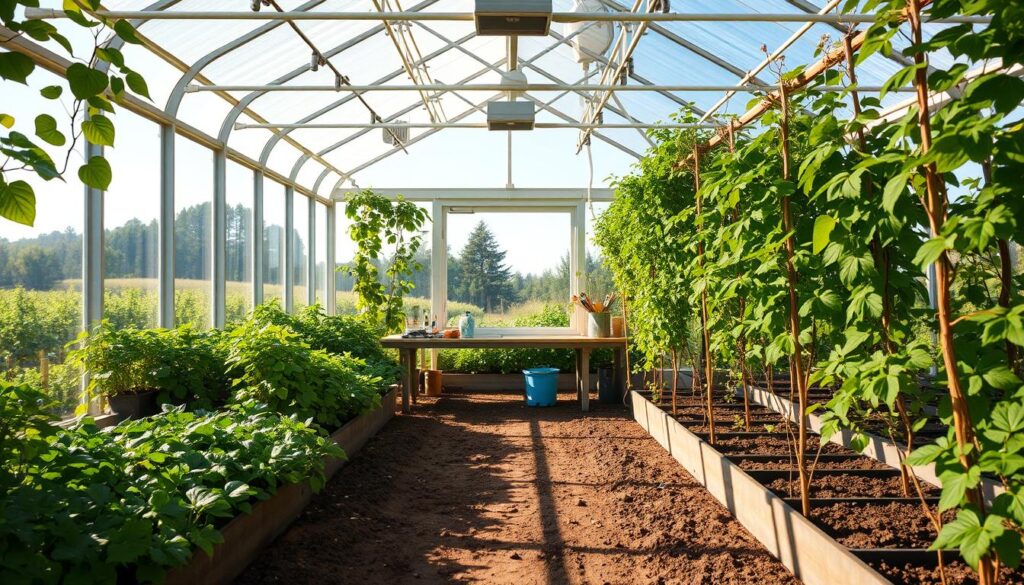
Decide on heating early. Heated structures extend season and let you command higher prices on off-season crops. Unheated houses cut energy bills and focus on peak-season sales.
Size, layout and site selection
Right-size for your market: plan aisles, bench heights, and vertical trellis to boost yield per square foot. Overbuild power and water to avoid future limits.
Site priorities in the U.S.: full sun, good drainage, wind protection, and easy driveway access. Proximity to utilities saves time and reduces setup costs.
| Option | Upfront Costs | Running Costs | Best Use |
|---|---|---|---|
| Gable + Glass | $6,000–$20,000 | Moderate | Light-demand crops, show-quality starts |
| Hoop + Film | $1,000–$5,000 | Low | Seasonal seedlings, low-cost starts |
| Polycarbonate Frame | $3,000–$12,000 | Low–Moderate | Year-round seedlings, insulated propagation |
| Heated Setup | +$2,000–$15,000 | High | Winter herbs, early tomatoes, premium sales |
- Run simple ROI scenarios for added heating versus extra revenue.
- Schedule routine maintenance like film tensioning and vent checks to prevent downtime.
- Research common sizes to match capacity to realistic sales goals and local climate.
How we how turned hobby greenhouse into profitable plant business
Deciding where to sell and who you serve shapes every choice from benches to billing. Pick a model early so production, pricing, and outreach line up with local demand and your available time.
Defining the business model: direct-to-consumer, wholesale, and niche
Direct-to-consumer channels like farmers’ markets and online listings usually give higher margins and direct customer feedback.
Wholesale moves volume to restaurants and florists at lower unit prices but steadier orders.
Niche offerings (organic or heirloom) can command premium prices and build loyal customers.
Permits, licenses, insurance: staying compliant before you sell
Check zoning, get business licenses, and confirm building permits for structures. Carry liability or product liability insurance to protect sales events and deliveries.
Startup vs. operating costs: realistic U.S. ranges and budgeting
| Tier | Startup | Annual operating |
|---|---|---|
| Hobby scale | $5,000–$12,000 | $2,000–$8,000 |
| Small commercial | $60,000–$200,000 | $20,000–$50,000 |
| Core line items | Structure, heating, irrigation, benches | Media, seeds, utilities, packaging |
- Budget simply: split startup buys from monthly costs and tie each to projected sales.
- Do research: call local buyers and scan markets to set realistic prices and product mixes.
- Measure success: track orders, average ticket, sell-through, and leftover inventory to refine next season.
Picking Profitable Crops and Smart Diversification
Pick a few high-turn items that pay your bills, then rotate specialty offerings around them. Focus on crops that sell well in your area and give room to test varieties that command higher prices.
Which crops earn best and why?
Tomatoes, leafy greens, cucumbers, herbs, microgreens, and cut flowers are common high-value winners. Many sellers start with tomato and pepper seedlings; pricing a 4″ pot near $4 often hits a practical break-even point for local sales.
Timing, seasonality, and succession
Stagger sowings so you have weekly waves of seedlings and harvests. Start peppers earlier than tomatoes and plan leaf crops in quick successions to match farmers’ market and CSA dates.
Diversify formats to meet demand
Offer seedlings, 4″ potted herbs, flowering gifts, houseplants, and cuttings. Restaurants and florists often buy consistent herb varieties and specialty selections, so keep a reliable herb line and rotate limited-run specialty items.
Lower input costs with propagation and seed-saving
Use division, cuttings, and winter sowing to multiply stock cheaply. Many perennials, berries, and succulents root easily. Save seeds where legal and appropriate, and label varieties so buyers can reorder favorites.
| Product | Typical Price (local) | Best Use | Notes |
|---|---|---|---|
| Tomato seedlings | $4–$8 per 4″ | Home gardeners, taste-focused buyers | Mix heirlooms and vigorous hybrids |
| Potted herbs (4″) | $4–$10 | Restaurants, retail, gift bundles | High repeat demand; sell as trios |
| Leafy greens & microgreens | $3–$12 per tray | Farmers’ markets, restaurants | Fast turnover; succession planning boosts revenue |
| Ornamentals & houseplants | $6–$25+ | Retail customers, collectors | Use division and cuttings to cut costs |
- Build a core lineup—tomatoes, leafy greens, cucumbers, and herbs—then test specialty varieties that command premiums.
- Track sales and drop slow movers quickly to protect space and cash flow.
- Offer bundles (for example, a trio of herb starts) to increase average spend and lower buyer hesitation.
For compact indoor herb options that pair well with a core lineup, see indoor herb pots.
Production Systems That Maximize Yield and Quality
Match simple systems to your size and goals to get steady, repeatable results. Focus on reliable methods you can manage every week. Small, consistent wins in fertility, water, and climate pay off in better growth and fewer losses.
Soil or soilless choices and fertility
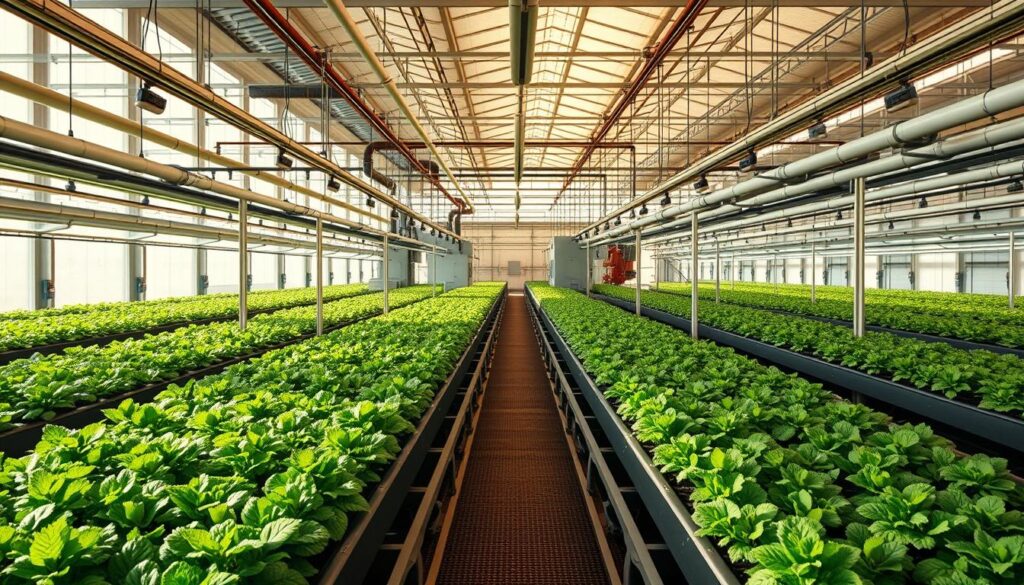
Choose a soil system you can maintain: compost-rich mixes with balanced fertilizers keep crops vigorous and resilient.
Monitor pH and adjust for target crops. For higher throughput, consider simple hydroponic benches for rapid growth and clean propagation.
Climate, irrigation, and lighting
Stabilize climate with vents, shade cloth, heaters, and LEDs on short days. Drip lines and moisture sensors water the root zone precisely and reduce foliar disease.
IPM and organized supplies
Sanitize trays, scout weekly, and introduce beneficials early to limit pests. Keep a tidy shelf of labels, pots, ties, and other supplies for fast turnover.
| System | Best for | Key tools |
|---|---|---|
| Soil beds | Resilience, flavor crops | Compost, pH kit, balanced fertilizer |
| Hydroponics | Fast turnover, uniform growth | Reservoir, EC meter, LED lights |
| Mixed benches | Versatility for many crops | Drip, vents, sensors, supplies |
Document routines and repeat what works. For advanced automation ideas, see tech-driven strategies.
Know Your Numbers: Pricing, Costs, and Profit per Square Foot
Count costs and set clear per-square targets before you sow a single tray. This makes scheduling, seed orders, and labor fit the revenue you need. A small planning step saves time and cuts wasted space.
In prime conditions, select crops like tomatoes, lettuce, and herbs can exceed $25 per square foot annually. Use that as an optimistic benchmark, then test with local market prices and demand.

Per-square-foot planning: yield targets and revenue benchmarks
Map bench space by square foot and assign realistic yields per cycle. Track weeks per crop and rows needed to hit revenue goals.
Anchor early prices to the local market. Entry pricing of $4 per 4″ pot is common for seedlings. From there, build bundles and tiered discounts.
Cost controls: energy, media, pots, seeds, and labor
Watch the big ticket items: energy, media, pots, seeds, and labor. Small savings in media mix or bulk pot buys add up fast.
Separate startup costs (structure, HVAC, irrigation, permits) from operating costs (media, utilities, seeds). Plan reserves for repairs and replacements.
Retail pricing strategies and tools for tracking
Price for margin and convenience. Offer single 4″ pots, trios, and a discounted bundle to raise average spend. Display clear tags and totals.
Use spreadsheets for order lists and pick tickets. Pair with a POS like Square for card sales and invoicing to reduce friction and encourage add-ons.
- Build a per-square-foot plan: set yield targets and match bench space to labor capacity.
- Forecast monthly cash flow: include seeds, media, and early utilities before sales arrive.
- Track profit by crop: log inputs and hours so you can scale winners.
| Metric | Example Value | Why it matters | Action |
|---|---|---|---|
| Revenue per square foot | $10–$30+ | Shows space efficiency | Adjust crop mix to lift low performers |
| Price per 4″ pot | $4 (entry) | Common local baseline | Test bundles and small premiums |
| Startup vs operating costs | $60k–$200k / $2k–$50k | Plan funding and cash reserves | Separate budgets; keep a repair reserve |
| Tracking tools | Spreadsheet + POS | Improves order accuracy and cash flow | Use weekly reconciliation and pick lists |
Practical tip: If demand outpaces supply, raise prices in small steps and keep value clear with healthy, well-presented stock. For a compact build and reference, see this urban build reference.
Sales Channels and Marketing That Actually Move Plants
Match simple, repeatable selling routines to local habits and weekly rhythms. Pick two reliable channels first and add others once you know what your customers prefer.
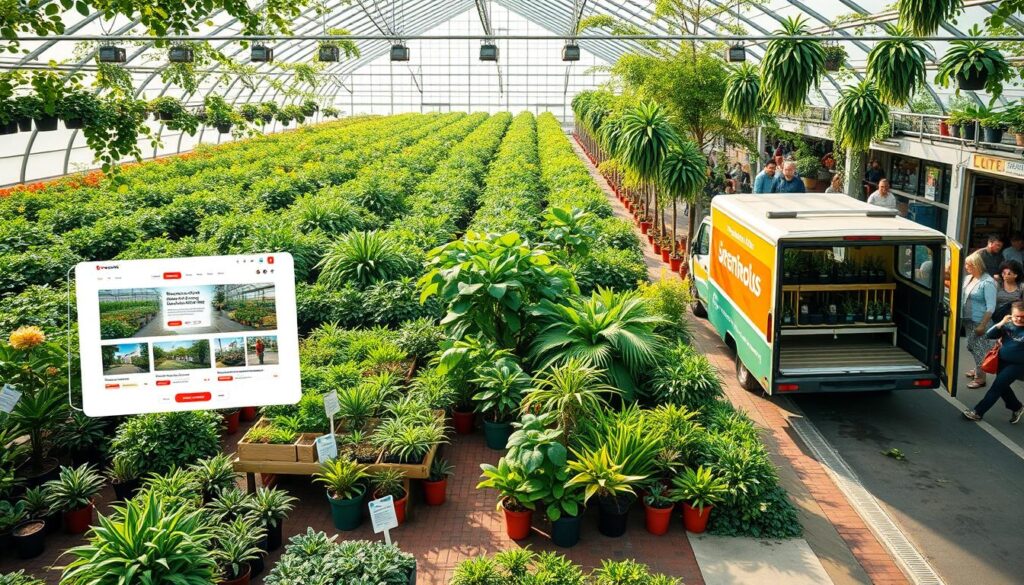
Local direct-to-consumer options often move inventory fastest. Driveway stands, pop-up tables, CSAs, and farmers’ markets give face-to-face trust and steady foot traffic.
Local DTC: farmers’ markets, pop-ups, driveway stands, and CSAs
Start small: a driveway stand or a pop-up costs little and tests demand quickly. Markets bring repeat customers, but expect booth fees, possible licenses, and occasional insurance requirements.
Event logistics: secure a shade tent, weights, water, and clear signage. Bring a Square reader or cash box and printed price lists.
Digital demand: Facebook groups, Marketplace, Instagram, and email lists
Post clear photos, short descriptions, and pickup windows. Weekly availability posts with prices convert interest into quick pickups.
Facebook Marketplace and local groups are low-friction ways to list trays and bundles for fast local sales.
Wholesale and B2B: restaurants, florists, grocers, and schools
Offer simple availability lists and reliable delivery to build trust with chefs, florists, and store buyers. Consistency in timing and quality wins repeat orders.
Branding and presentation: labels, signage, and story-driven marketing
Use sturdy labels with variety names and care tips. Clean tables, readable signage, and a short origin story make products stand out.
Test pre-orders, bundles, and limited runs to find what sells and what fits your time. Track which markets and channels give the best sales-to-time ratio.
| Channel | Typical Cost | Best Use |
|---|---|---|
| Driveway stand / pop-up | Low ($0–$20) | Fast testing, impulse buyers |
| Farmers’ market | Moderate ($20–$150) | Repeat customers, steady sales |
| Facebook / Marketplace | Free | Local pick-ups, bundles |
| Wholesale (restaurants/florists) | Variable (negotiated) | Stable volume, contract buyers |
“Post weekly availability with clear photos and pickup windows; consistency builds trust and repeat sales.”
Scaling Smart: Systems, Tech, and Repeatable Processes
Scale with systems that make busy weekends feel routine, not chaotic. Documented workflows and a few targeted upgrades let your business handle bigger orders without losing quality.

Start by writing down the simplest order and fulfillment steps you use today. Label templates, pick/pack zones, and standard order sheets reduce pickup-day confusion. Clear labels and packed tickets keep customers happy and returns low.
Order management, labeling, and fulfillment workflows
Set one person to own order lists and pick tickets. Use a single spreadsheet or POS to record names, items, and pickup windows.
Keep labels with variety name and care tips on every tray. Anchor tents and staging areas to prevent wind damage during sales events.
Automation upgrades that pay back quickly
Add sensors, auto vents, and irrigation timers where labor is highest. These controls smooth climate swings and cut daily checks.
Start small: one soil moisture sensor and a timed valve often saves more hours than their cost in a season.
Seasonal playbooks and space planning
Build a winter-sowing timeline and a seedling calendar that maps each bench by week. Use modular benches and rolling racks to move trays from propagation to hardening to sales staging.
Use a simple crop dashboard to track readiness by week and plan tomatoes, herbs, and other key crops to hit target dates reliably.
- Repeatable systems: label templates, pick/pack zones, and SOPs for helpers.
- Automation choices: sensors, vents, irrigation controllers, and lighting—add where payback is clear.
- Maintenance: schedule heater checks, vent lubrication, and plastic inspections before peak weekends.
| Upgrade | Benefit | Typical Payback | Best for |
|---|---|---|---|
| Environmental sensors | Stable climate, fewer losses | 1 season | Growers with mixed crops |
| Auto vents | Reduced heat stress and manual checks | 1–2 seasons | Spaces with sun swings |
| Irrigation timers | Consistent moisture, less labor | 1 season | High-throughput propagation benches |
| Supplemental lighting | Faster growth and extended selling window | 1–3 seasons | Indoor starts and winter production |
“Small, repeatable changes compound—train helpers on one clear routine and your operation becomes reliable.”
Review options each year and keep the fixes that raised production with the least stress. Train growers and helpers to scout, label, and pack consistently; small gains add up fast.
Conclusion
Finish the season with clear steps that protect quality and grow steady returns. Keep simple systems, track per-square-foot targets, and meet customers where they shop.
strong. Select crops that can exceed $25 per square foot under steady management. Local marketing — Facebook groups, Marketplace, and community events — stays practical for early sales.
Use this guide as a seasonal checklist: pick the right structure, plan varieties and specialty runs, and price for fair profit. Grow proven plants well, present them cleanly, and refine per-square metrics each cycle.
One thoughtful decision, one healthy tray, one loyal customer at a time. Treat each step as repeatable and your money goals become simpler to reach.