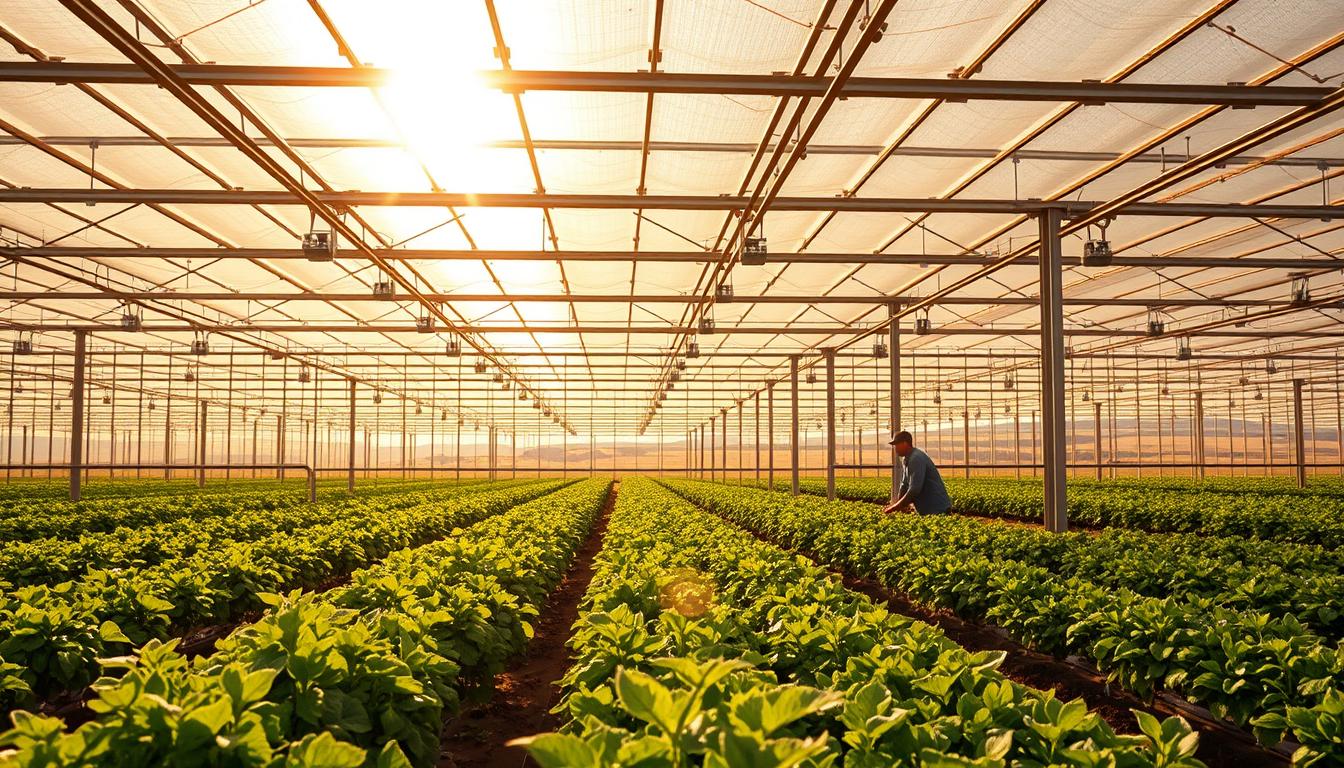
Can a sun-driven growing space truly pay for itself and change how you garden through winter? That question sits at the heart of this guide.
Think of a greenhouse that stores daytime warmth in water barrels and panels, then releases it when night falls. You get longer harvests, lower utility use, and a smaller footprint when design and site match your climate.
We will compare upfront capital and ongoing savings across U.S. scenarios. Expect clear terms like passive vs. active systems, and practical checks: orientation, insulation, and thermal mass sizing.
Along the way you’ll see trade-offs: higher early expenses and system upkeep against energy relief and year-round production. Read on for step-by-step modeling to right-size systems for homesteads and small commercial plots.
Key Takeaways
- Solar-driven designs extend growing windows and cut operating energy needs.
- ROI hinges on orientation, insulation quality, and thermal mass sizing.
- Active elements like panels and batteries boost performance but raise upfront outlay.
- Cold and mild regions show different payback timelines; crop choice matters.
- Plan over multiple years to measure true total ownership and resilience.
Understanding Today’s Interest: Cost vs. Benefits of Solar-Powered Greenhouses
Many gardeners face higher utility bills and want more predictable harvests in cooler months. They ask whether a sun-first structure can cut energy use, extend the growing season, and shrink their carbon footprint.
Practical goals matter most: year-round growing for herbs and greens, lower energy costs, and a smaller environmental impact. Good site choice — true south exposure and minimal shading — often does more for performance than extra equipment.
Design drives the benefits. Maximize sun in winter, add thermal mass to hold daytime warmth, and plan vents to avoid overheating. Even small greenhouses perform well if you orient and insulate them right.
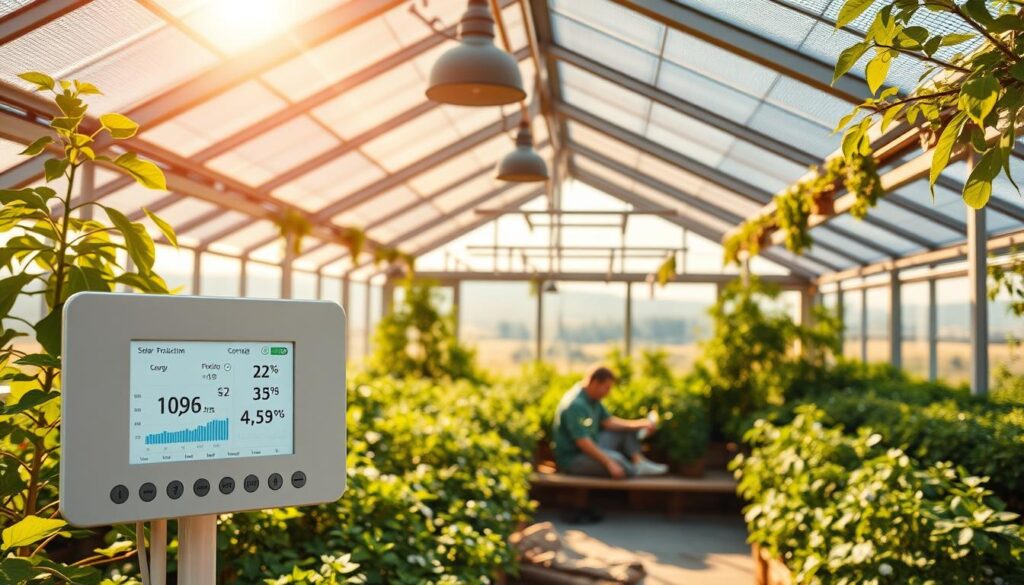
- Direct trade-offs: higher-grade glazing and added insulation raise upfront expenses, while panels, fans, and battery storage increase complexity.
- Daily perks: steadier conditions for plants, fewer cold shocks, and more reliable harvests across the shoulder season.
- Maintenance: occasional panel cleaning, checking seals and vents, and simple battery checks if you use storage.
Site and exposure are decisive. If sustainability and self-reliance matter, this solution often justifies the up-front expense when placed and maintained correctly.
What Is a Solar Greenhouse? Passive vs. Active Systems Explained
A well-designed sun-oriented growing room blends simple materials and clever placement to keep plants steady through cold nights. This section shows how passive layouts use orientation and mass, while active setups add panels and controls for tighter temperature control.
Passive design relies on true-south glazing, an insulated north wall, and thermal mass such as water barrels or stone. During the day, mass soaks up sunlight and then releases warmth at night, softening swings that stress plants.
Passive basics
- Orientation: align ridge and glazing to true south to maximize winter sun.
- Thermal mass: water, concrete, or stone store heat for night release.
- Insulation: twin-wall polycarbonate or double glazing keeps heat while admitting light.
Active add-ons
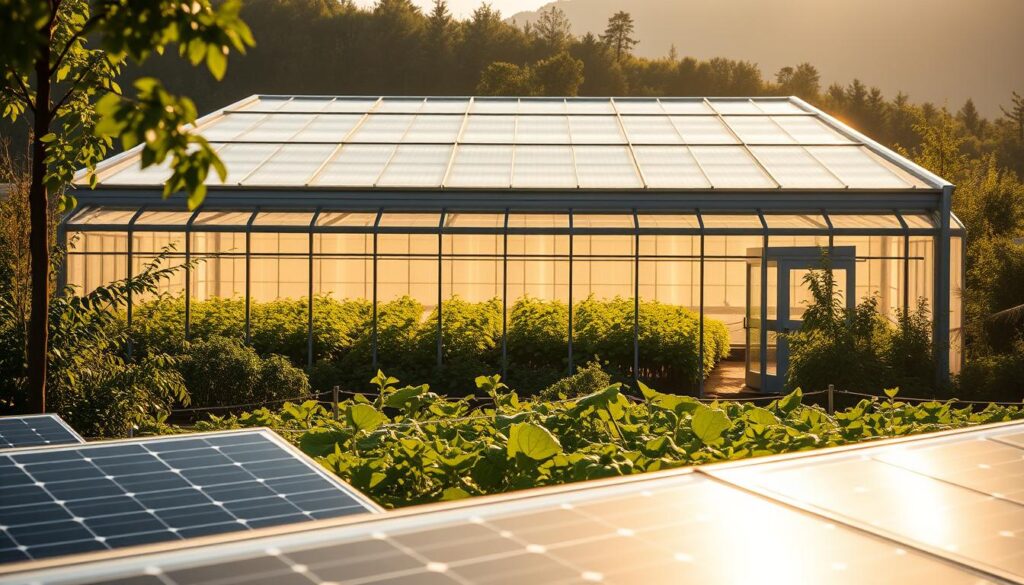
Active systems integrate solar panels, batteries, fans, and thermostatic controls. Panels can run fans and controllers, while batteries cover cloudy spells or night loads.
Key components at a glance
- Glazing: twin-wall polycarbonate or double-pane glass for light and retention.
- Ventilation: ridge vents, side vents, and solar-powered fans to avoid overheating.
- Structure: steel frames and well-sealed doors reduce loss and boost longevity.
| Component | Passive Role | Active Role | Why it matters |
|---|---|---|---|
| Orientation | Maximizes winter sunlight | Supports panel placement | Controls available sunlight and seasonal gain |
| Thermal mass | Stores day heat for night release | Reduces battery needs | Smooths temperature swings for reliable growth |
| Panels & batteries | Not required | Power fans, controls, heaters | Enables automated climate control and backup power |
| Ventilation & seals | Manual vents prevent overheating | Automated vents and fans regulate temps | Protects plants and conserves energy |
Start passive to learn your microclimate, then add active elements only as needs grow. Keep wiring short between panels, controllers, and loads to cut losses. Run a light audit to match glazing, mass, and ventilation to your site.
For compact DIY ideas and layout tips, see build this urban growing kit.
Cost Breakdown: Upfront Investment, Operating Costs, and Lifespan
Get an itemized view so you can compare one-time buys, annual chores, and part lifespans clearly. This makes budgeting simple and highlights where long-term savings appear.
- Structure: foundation, steel framing, doors and seals.
- Glazing: twin-wall polycarbonate or double-pane glass—polycarbonate insulates and resists impact; glass offers clarity and lasts if the frame supports the weight.
- Ventilation hardware: vents, fans, and simple automation with UL/ETL-listed controls.
- Active gear: panels, inverters, batteries, controllers, and safe wiring. See a handy panel price guide for planning figures.
Operating items and durability
Routine cleaning of panels, seasonal vent and seal checks, and battery maintenance keep annual costs modest. Plan for occasional supplemental heat during extreme cold.
Warranties and lifespan matter: target 10+ years on panels, check battery and controller coverage, and prefer steel frames for multi-decade service. Better insulation and tighter seals cut runtime for any active systems and boost long-term savings.
- Budget a spreadsheet view: compare initial outlay with projected yearly energy and input reductions over several years.
- Build a durable shell now to add panels or storage later without reworking the core structure.
Benefits and Long-Term Savings: Energy, Yield, and Environmental Impact
Capturing daytime warmth and storing it for the night turns sunlight into real monthly savings. This creates steady conditions that help households plan meals and budgets with more confidence.
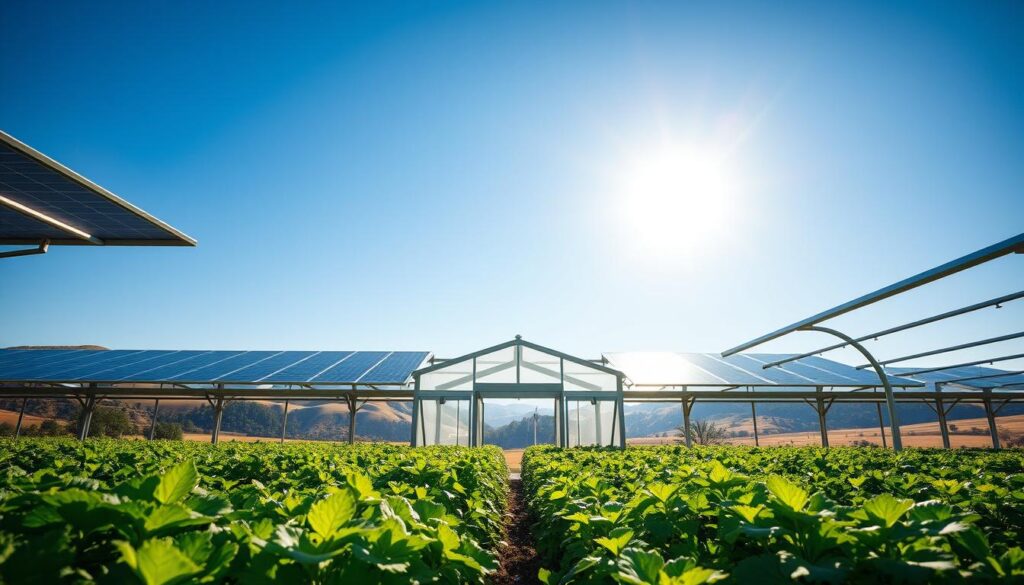
Lower energy use follows when passive design, thermal mass, and small electrical aids work together.
Lower energy costs and greater self-reliance with solar power
Less reliance on external heating means smaller monthly bills, especially in shoulder seasons. Over years, those savings add up and smooth household budgets.
Year-round growing and stable temperatures for consistent production
Controlled conditions reduce temperature swings and stress on plants. That yields earlier starts in spring and fresher greens late into winter.
“Every degree held with passive mass reduces fossil fuel use and keeps seedlings safe during outages.”
Smaller carbon footprint and reduced reliance on fossil fuels
Solar energy capture and stored heat lower fossil fuel demand and shrink a household’s carbon footprint. Small fans and thermostats can improve airflow without heavy draws.
| Benefit | Practical effect | Typical outcome | Why it matters |
|---|---|---|---|
| Lower monthly energy use | Reduced heater runtime | Compound savings over seasons | Improves budgeting and ROI over years |
| Stable temperatures | Narrower daily swings | Better leaf quality and fewer losses | More predictable harvests |
| Resilience | Stored heat and small off-grid systems | Protection during outages | Food security and peace of mind |
| Reduced emissions | Less fossil fuel heating | Lower carbon footprint | Long-term environmental benefit |
Quick practical tips:
- Paint water barrels dark to store day heat.
- Use masonry or concrete for steady overnight release.
- Add small fans with thermostats for reliable ventilation on bright days.
For deeper planning and real-world examples, read this short guide on whether these systems are a worthwhile option: are solar greenhouses a worthy investment
Drawbacks and Risks to Weigh Before You Buy
Before you buy, weigh practical risks that can erode performance and savings over time. Know the likely trade-offs so you pick a plan that fits your site and budget.
Acknowledge real upfront realities. Higher-grade glazing, better seals, and optional electrical gear raise initial costs compared with simple tunnels.

High upfront burdens and a learning curve
Quality materials and a reliable system need more money and more know-how. Expect to learn ventilation, thermal storage basics, and some electrical care.
Take it slow: adding too many features at once can inflate bills without solving site limits.
Site limits, shading, and extreme weather
Poor orientation or heavy shade cuts performance. Wind funnels or wrong exposure can cause cold pockets and reduce yields.
Long cloudy stretches or deep freezes may exceed passive capacity and call for backup heat.
Operational requirements and regulatory checks
Routine upkeep—panel cleaning, vent and seal checks, and battery oversight—keeps systems efficient.
Check local permits and HOA rules before buying parts or starting electrical work.
- Watch cheap kits: short warranties and thin plastics often fail early.
- Plan for fuels: some sites still need safe, efficient backup heat in rare extremes.
- Phase upgrades: build a strong passive shell, then add panels, storage, and controls after you see real seasonal needs.
Bottom line: these structures can pay off, but only when site, requirements, and maintenance match expectations. Make choices that protect plants and preserve long-term energy savings.
Performance Factors That Make or Break Results
A well-sited shell and the right thermal mass turn bright days into warm nights and steady yields. Focus first on location and sealing; tune materials and active gear later.
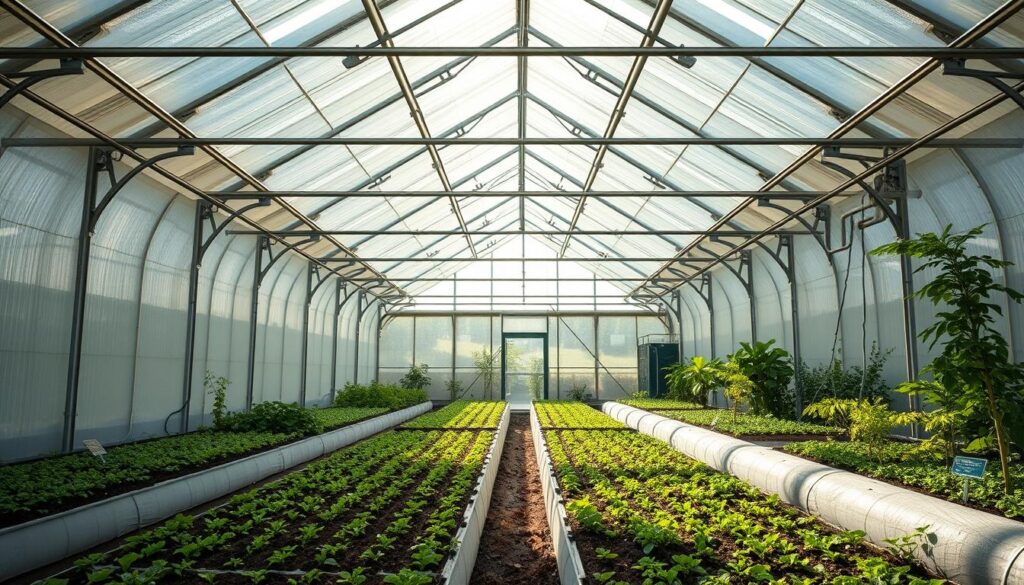
How should I orient for the best sun exposure?
Map winter sun paths and avoid late-morning to mid-afternoon shade from trees or buildings. True-south exposure gives the largest daily gain in low sun angles.
What insulation and mass strategies actually work?
Insulate north walls and rim joists, seal doors, and choose twin-wall polycarbonate for a strong envelope. Place 55-gallon water barrels painted dark where they get direct light.
Combine barrels with stone or concrete floors to add steady thermal mass that releases heat through the night.
How do I right-size heating and balance systems?
Use this formula to size heater output: Greenhouse Volume (cu ft) × Desired Temperature Rise × 0.133 = Required BTU/hr. Do the math so you avoid undersized or oversized heaters.
Pair passive storage with small, efficient aids—fans and thermostats—to smooth peaks and dips without heavy power draws.
What is a practical step to scale my design?
Build passive first. Log day and night temperature for several weeks. If nights fall short of requirements, add panels and a modest battery before larger heaters.
- Prioritize siting: map shade.
- Fortify shell: seal and insulate.
- Size mass: barrels plus masonry.
- Do the math: apply the BTU formula.
- Stage upgrades: passive → panels → storage.
is solar-powered greenhouse smart investment cost vs: Realistic ROI and Payback Scenarios
Compare practical returns over several years, not months, and match system size to your climate and goals.
Simple modeling tells you whether panels, added storage, or better sealing pay back.
A clear ROI starts with simple metrics: current energy bills, expected seasonal yields, and what you plant each year.
How do I model returns for my site?
First, list baseline energy costs and monthly heat use. Estimate reductions from passive gains and targeted active systems.
Then run a multi-year projection that includes maintenance, expected savings, and likely replacement timelines for panels and batteries.
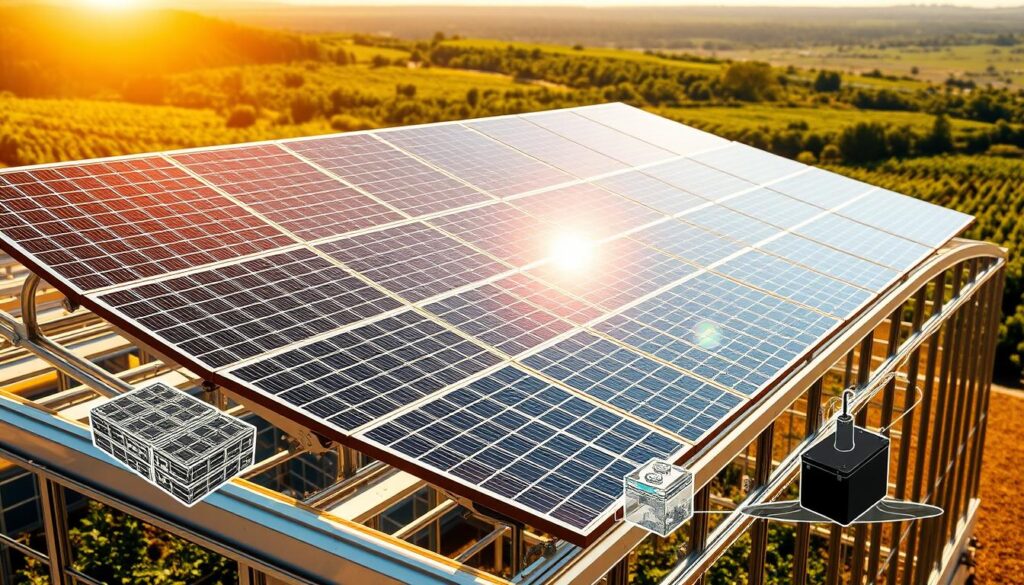
What works in cold climates?
Prioritize insulation and thermal mass. Water drums and masonry lower night drops and shrink heating draws.
Add small power aids only after you record seasonal temperature gaps. This phased way limits risk and keeps payback realistic.
How fast does payback come in mild regions?
Lower baseline heating means shorter payback. Extended seasons boost revenue if you grow quick-turn greens or seedlings.
Right-sizing panels and controls here often gives the best blend of savings and reliable power without overspending.
Should commercial operators buy differently than homesteaders?
Commercial buyers must link spending to yield, labor, and market price; margins matter. Home growers often value quality and self-reliance.
Stage upgrades: build a durable shell, log real performance, then add panels, storage, or automation as data justifies the next outlay.
“Model conservatively, choose crops with fast turnover, and plan for years — durable materials and warranties change the math.”
- Model basics: compare present energy costs to projected reductions and map multi-year payback.
- Tailor to climate: cold zones first add mass; milder zones leverage extended seasons.
- Choose profitable crops: greens and herbs speed returns.
- Right-size systems and seek local rebates to trim upfront spending.
Conclusion
A well-sited, well-sealed structure turns midday sunlight into steady night warmth and quieter bills. Focus on orientation, insulation, ventilation, and thermal mass first; gear and panels follow to close measured gaps.
Start passive, measure, then add systems. Map sun and shade, calculate BTU needs, and plan phased upgrades so each system pays its way.
Routine maintenance—panel cleaning, vent checks, and seal upkeep—keeps temperature and energy performance steady. When matched to climate and crops, these greenhouses cut energy reliance, shrink carbon footprint, and extend your season.
Done right, a compact, durable build lets you grow more, use less power, and weather harder seasons with confidence.