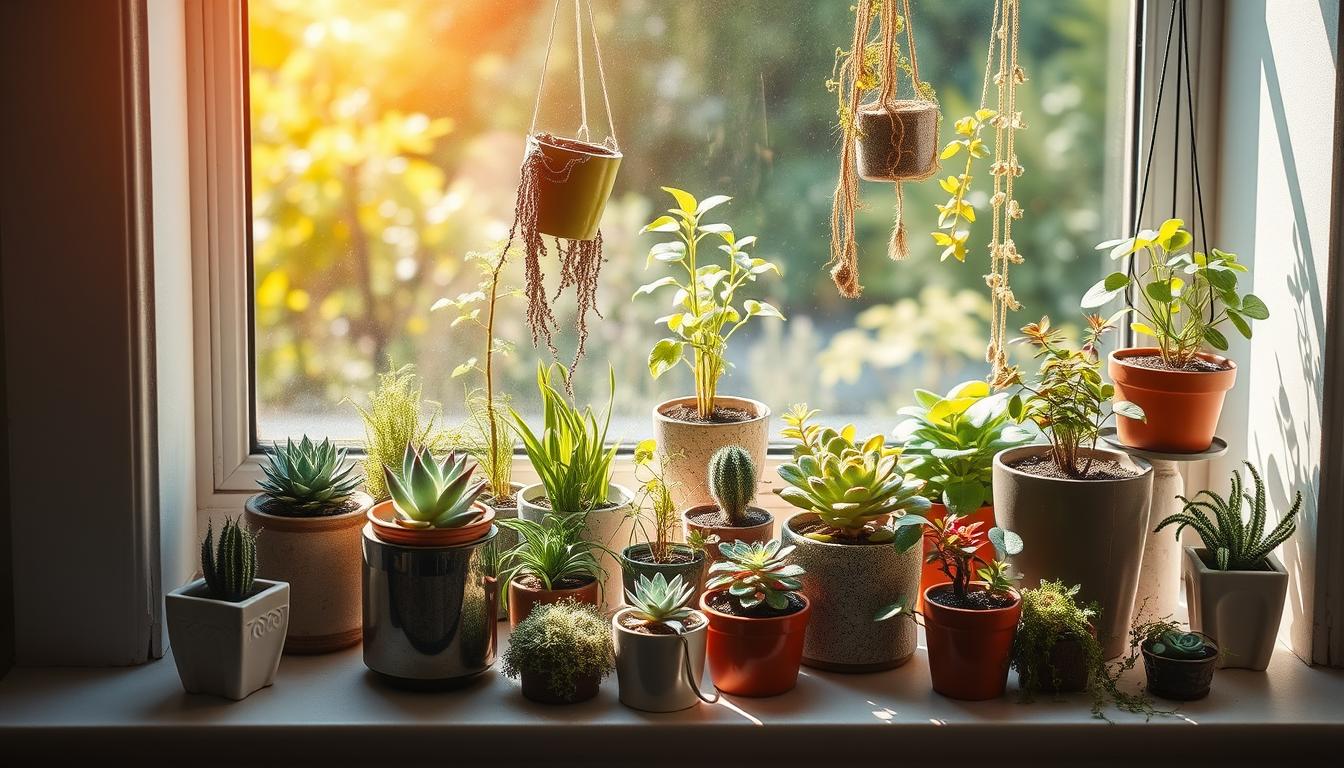
Can a handful of pots and a sunny sill replace a backyard for real food and satisfying plants? This piece shows how people can grow tasty greens and small fruit even without a full yard.
Start with light and space where you live. Pick crops that match your exposure: tomatoes and peppers need 6–8 hours, while peas, beans, and leafy greens handle partial sun. Vertical solutions and lightweight containers multiply yield in tight spots.
Group plants to raise humidity, use reflective surfaces to boost light, and favor soilless mixes in well-drained containers. These small steps cut weight and fuss on balconies and rooftops while keeping roots healthy.
Begin simple. Choose a few easy plants and learn your watering and wind rhythms. Try a compact hydroponic kit if indoor light is limited.
Key Takeaways
- Match crops to light: fruiting veggies need full sun; many greens survive partial exposure.
- Use vertical supports and hanging planters to reclaim space and boost yield.
- Favor soilless potting mix and lightweight containers for balconies and rooftops.
- Group plants, add mirrors or white walls, and try compact hydroponics for better indoor results.
- Start small, build skills, and grow what fits your schedule for steady success.
Why Small-Space Gardening Works: Benefits, Goals, and What You Can Grow
A compact plan that fits your light and time can turn pots and ledges into steady food sources. Set clear goals first: do you want continuous herbs and salad greens, a few high-impact crops, or a mixed pot for color and cooking?
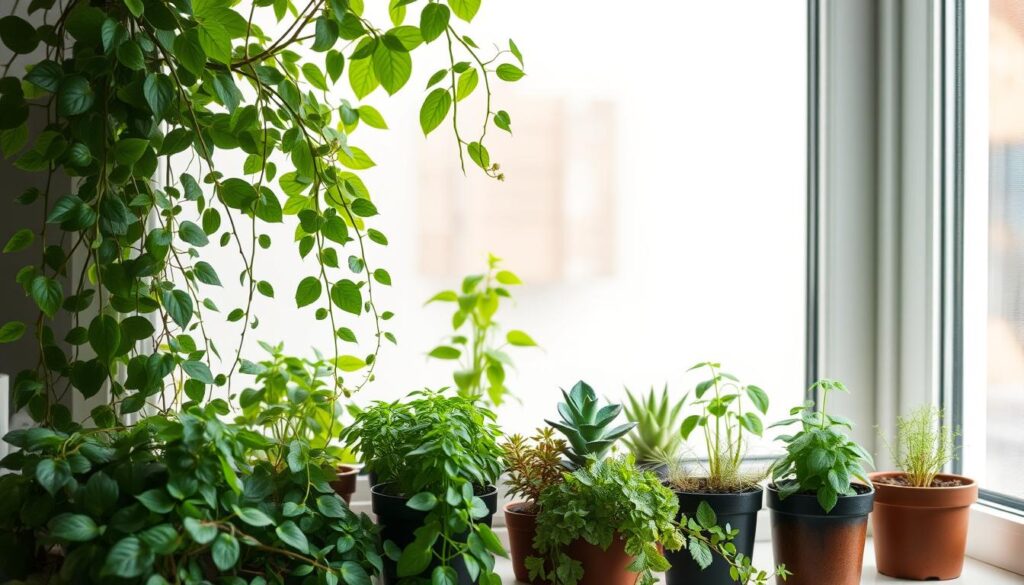
From fresh herbs to food crops: setting realistic outcomes
Expect frequent small harvests rather than bulk yields. Leafy vegetables, chard, peas, and bush beans often grow well with modest light.
Fruiting vegetables like tomatoes need more sun and warmth. Use beans and peas as nitrogen fixers to improve container soil for the next crop.
Balancing variety versus focus for better yields
Variety gives a rolling harvest and balanced nutrition. Focus provides steady supply of one or two staples—salad greens, for example.
“Small, steady wins build a thriving container garden.”
- Clarify goals: steady herbs vs high-yield crops.
- Plan succession: rotate quick-cut greens for consistent food.
- Fit your routine: choose low-maintenance plants if you are busy.
| Best for Modest Light | Sun Lovers | Quick Returns |
|---|---|---|
| Leafy greens, chard, peas | Tomatoes, peppers, compact squash | Cut-and-come-again lettuce, bush beans, sugar snaps |
| Improve soil: beans/peas | Need 6–8 hours of light | Fast harvest cycles, succession friendly |
| Good for containers | Place in warm, protected spots | Perfect for steady household food |
For compact kitchen setups and herb ideas, check this kitchen herb setups that pair well with container strategies.
Assess Your Space First: Light, Climate, and Daily Conditions
Map light and wind before you buy plants or soil. Small shifts in sun and shade decide whether fruiting vegetables or leafy greens thrive.
Watch your balcony or sill through a full weekly cycle to map hot, cool, and windy moments. Track where direct light falls and when reflected glare from glass or pale materials boosts brightness for shaded spaces.
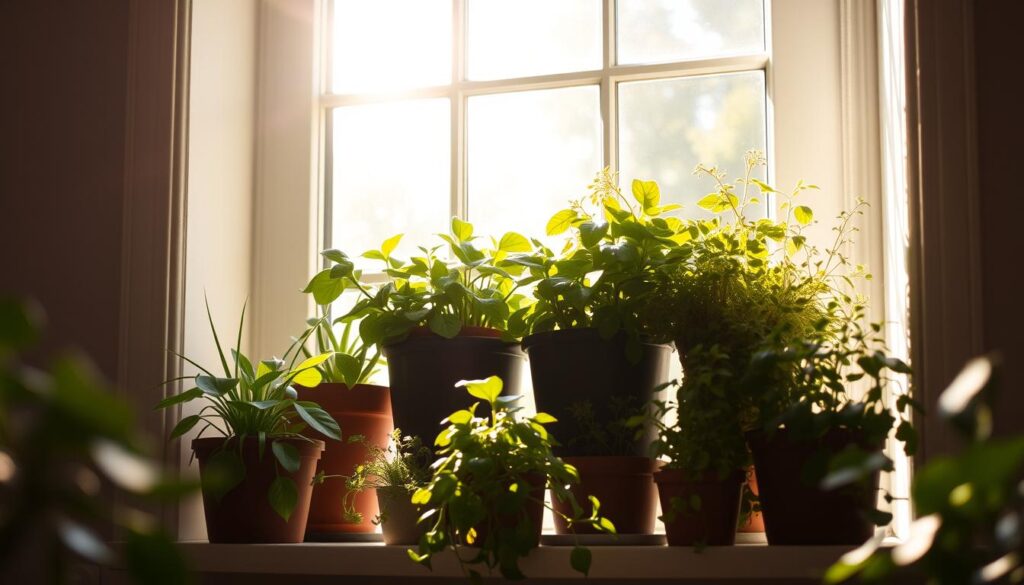
How to read a sun map
Note hours of direct sun; fruiting crops prefer 6–8 hours. Beans, peas, and some roots can do well with partial sun or strong reflected light.
Spot microclimates
Corners shielded from breeze, south-facing walls, and heat-retaining surfaces create warmer niches. Use those spots for warm-season vegetables and other heat-loving crops.
Handle rooftop and balcony challenges
Rooftops bring wind and extra heat. Use heavier pots, anchors, and windbreaks. Group containers to raise humidity and lower stress for plants.
- Test the rim of a pot for soil temperature and dryness after a hot afternoon.
- Log daily swings and keep an example note to time moves and plantings.
- Watch for urban insects—aphids and whiteflies target stressed foliage; inspect leaf undersides weekly.
Containers and Potting Mixes: Build the Right Foundation
A smart container choice sets the stage for healthy roots and steady harvests. Lightweight pots and an airy potting mix make moves easier on balconies and rooftops while keeping moisture and nutrients balanced.
Avoid heavy setups that strain floors or block airflow. Place pots on feet and trays, and keep wood or carpet away from damp bases to protect surfaces and improve ventilation.
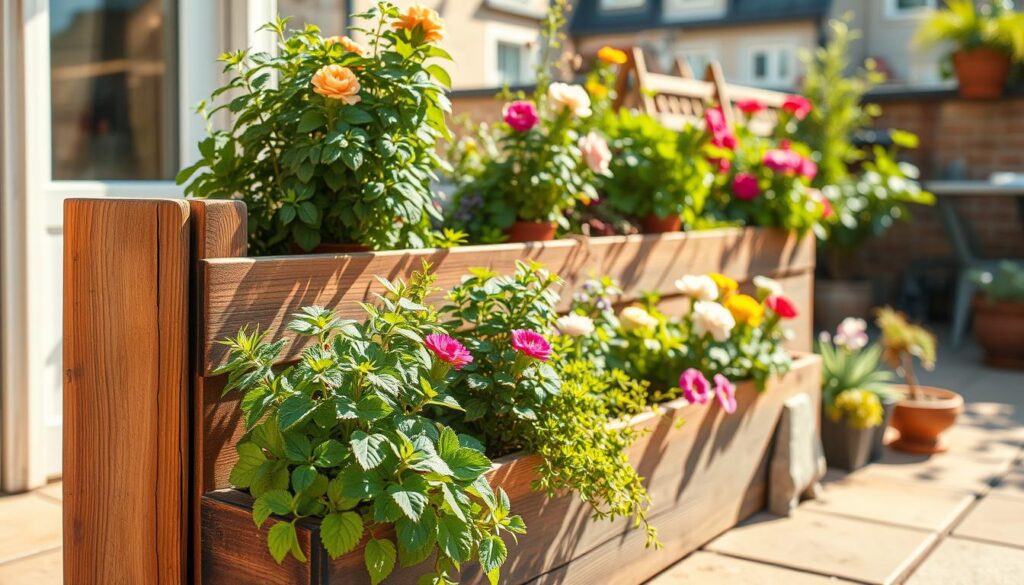
Choosing pots: size, materials, drainage, and weight
Pick a container size that fits the plant: leafy greens thrive in 6–8 inches; tomatoes and peppers need deeper volumes for steady crop support. Use food-safe plastic or fabric pots for lightness; glazed ceramic holds moisture but adds weight.
Potting mix vs. ground soil: why soilless mixes help roots
Use a peat- or coco-based potting mix with perlite or vermiculite. It beats ground soil in containers by balancing air, water, and root health. Blend compost for nutrients and a little coir to keep moisture soil steady so plants grow well.
Lightweight solutions for tight spaces
Choose light materials and mixes so you can rearrange in small space or secure pots during storms. Consider self-watering reservoirs or living-wall and hydroponic systems to save floor area indoors.
- Drainage: Ensure holes, saucers, and elevation.
- Feed: Use slow-release and supplement with liquid feeds.
- Sanitize: Refresh mixes between crops to limit disease.
Pick Plants That Match Light and Climate
Pick plants that match the light you actually have, not what you wish for. Be realistic about exposure and choose species that thrive in your microclimate. Two bold sentences: match bright, hot spots with sun lovers; reserve shaded shelves for leafy, fast-turn crops.
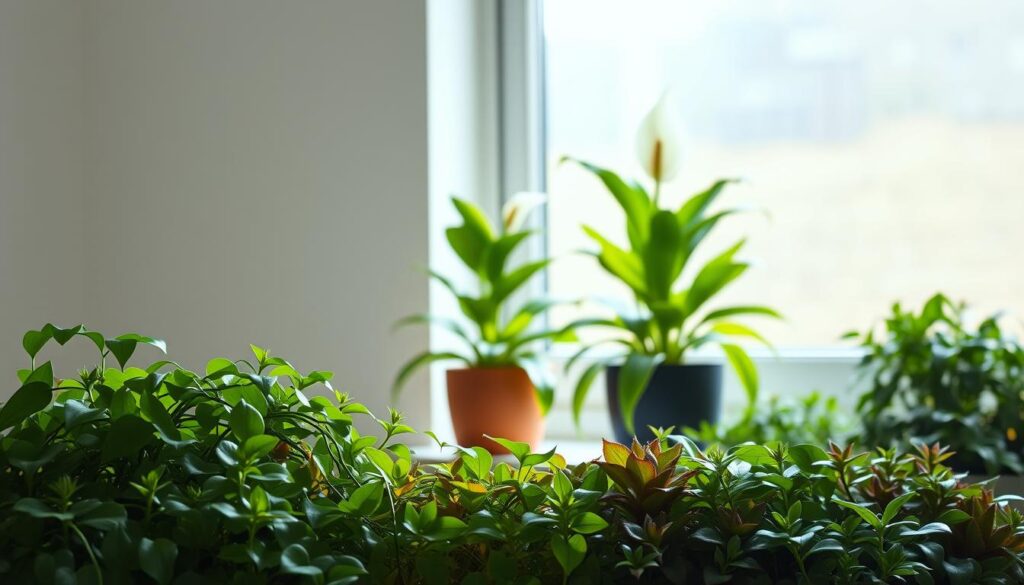
Low-light winners
Leafy greens, bush beans, and peas flourish with partial sun or strong reflected light. Lettuce, spinach, chard, and kale are forgiving and give steady food with less intense light.
Tip: Bush bean varieties set quickly in short seasons and use little vertical space.
Sun lovers
Tomatoes, peppers, cucumbers, and compact squash need 6–8 hours of sun to set and ripen fruit. Choose dwarf or patio cultivars so the crop fits containers and balconies.
Root crops in partial shade
Carrots, beets, and turnips can grow in softer light, but allow a longer season for full roots. Small harvests come sooner if space or soil depth limits you.
Fresh herbs and compact houseplants
Basil, parsley, cilantro, thyme, oregano, and chives grow well in bright windows. Rosemary prefers the sunniest, best-drained spot.
| Light Level | Best Picks | Notes |
|---|---|---|
| Low / Partial | Leafy greens, bush beans, peas | Succession sow every 2–3 weeks for steady food |
| Full Sun (6–8 hrs) | Dwarf tomatoes, patio peppers, bush cucumbers | Fruiting crops need potassium and calcium feeds |
| Partial Shade / Cool | Carrots, beets, turnips | Extend season for larger roots; thin for quality |
Companion tip: Keep alliums away from peas and beans, and add marigolds or nasturtiums as simple pest deterrents. As an example, replace one large tomato with several greens if your site is shade-dominant to increase total harvests.
Vertical and Space-Savvy Gardening Techniques
Make vertical space your secret weapon: you can stack growth where floor space is tight. These tactics boost yield and keep walkways clear while lifting plants into better light and air.
Build simple trellises with bamboo, coated wire, strong string, or fishing line. Fasten them to railings or posts and secure vines with twist-ties or soft string to avoid stem damage.
Train climbers upward—pole beans, peas, cucumbers, and small melons follow supports easily. Guide new tendrils weekly so plants climb tidy and stay off floors.
- Hang and stack: use hanging baskets, over-rail planters, tiered shelves, or living walls to multiply growing surfaces.
- Support heavy trusses: tie up tomato clusters and cucumber-laden stems to protect branches and preserve crop quality.
- Choose durable materials: weatherproof twine and coated wire last longer; inspect anchors after windy days.
Pair vertical frames with stable, weighted containers to prevent tipping and protect soil and roots. Elevated setups dry faster—mulch and check moisture often so food and flowers stay healthy.
“One trellised cucumber can outproduce a sprawling vine; vertical is the way to get more from less.”
Indoor Success: Light Hacks, Grouping, and Hydroponic Options
Small indoor changes make a big difference: reflect more sun, cluster pots for humidity, and add a compact hydro unit for steady food production. These simple moves boost plant health, tame chores, and expand what you can grow inside.
How mirrors and white walls boost brightness
Place a mirror behind a planter or lean one near a bright window to bounce light into shaded corners. White walls multiply reflected light and make rooms feel larger.
Example: a narrow mirror behind herbs can add useful hours of indirect light for basil and parsley.
Group plants to raise humidity without causing disease
Cluster pots to create a mild, humid microclimate that benefits tender foliage. Leave small gaps for airflow and inspect leaves weekly to prevent pests and mildew.
- Tip: rotate clusters each day to even light exposure and growth.
Smart gardens and hydro units for steady yields
Tabletop systems like Aerogarden, Click & Grow, Ingarden, and Smart Growhouse pair lights, nutrients, and timers to produce lettuce, herbs, and small tomatoes in tight space.
They cut mess from soil and potting mix, and free time while giving predictable food cycles for busy households.
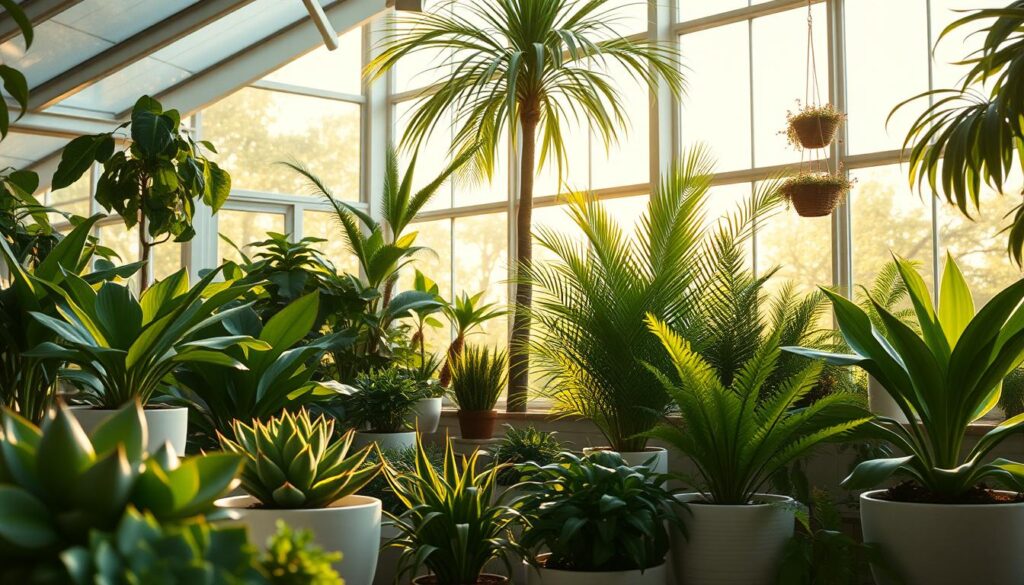
Attract Pollinators and Deter Pests with Companion Plants
Create small flower islands among edibles to boost pollinators and shield crops from pests. Smart plant pairings pull double duty: they invite helpful visitors and discourage common insects without harsh sprays.
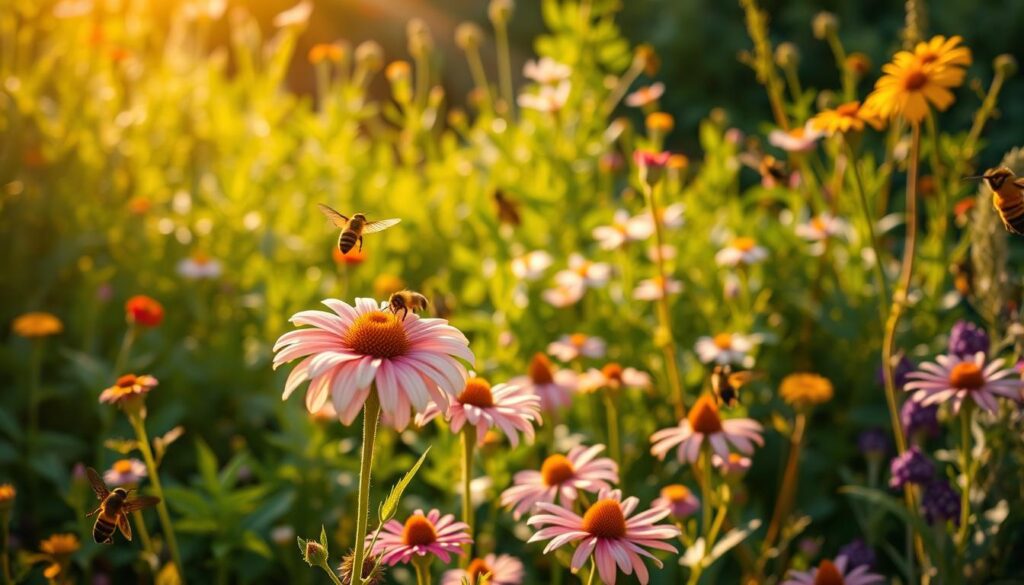
Marigolds, nasturtiums, and bright herbs change a container group from plain to productive. Marigolds deter beetles and some nematodes, while nasturtiums act as trap crops that attract black aphids away from main crops. Prune and remove infested nasturtium growth to stop infestations.
Marigolds, nasturtiums, and trap crops for insects
Invite pollinators by adding marigolds, bee balm, and oregano blooms to balcony gardens to improve fruit set in tomatoes and cucumbers.
The mint family and alliums: rosemary, thyme, oregano, sage, garlic, and chives
Mint-family herbs and bee balm draw bees and repel aphids and whiteflies. Alliums — garlic and chives — deter many pests and pair well with carrots and other vegetables to protect roots and boost yield.
Plant pairings to try and avoid: beans, peas, and alliums
Avoid planting alliums next to beans or peas; they can stunt growth. Instead, place alliums with carrots or near leafy greens. Diverse roots and herb residues also support soil life in containers over time.
- Use companion plants like rosemary, thyme, oregano, and sage to discourage common insects.
- Space scented allies at edges so stems have room to grow and pests get confused.
- Rotate herbs and refresh potting mix each season to break pest cycles; learn more about companion strategies here.
No Yard No Problem Guide Gardening On: Step-by-Step for Patios, Windowsills, and Rooftops
Visualize each container as a microclimate and choose plants to match that pocket of light and air. Simple choices and placement keep chores light and harvests steady.
Patios and balconies: where should I place containers and water?
Group containers near a water source and use self-watering styles to steady moisture in tight areas.
Track sun and light across a week. South and west faces feed fruiting vegetables; east works well for greens.
Windowsills: which compact plants work best and how to manage moisture?
Pick compact herbs and dwarf peppers for narrow sills. Add pebbled trays to manage humidity and stop soil splash.
Use wick-watering or capillary mats when a hose isn’t available. Check drainage and wipe sills to protect finishes.
Rooftops: how do I handle weight, wind, and anchoring?
Confirm load limits and climate exposure before heavy setups. Choose fabric grow bags and resin pots to cut weight.
Cluster containers for mutual shelter, add windbreaks, and anchor pots to rails. Use tie-downs or deadweight on lower shelves to prevent tip-overs.
- Container gardens: mix deep pots for tomatoes with shallow boxes for greens and mulch soil to save water.
- Plan access: keep space to move and use tiered racks to free floor areas.
- Quick tips growing food: succession-sow greens, direct-seed peas in cool spells, and tuck herbs into gaps.
“Small choices in placement and pot type turn tight areas into reliable food producers.”
| Area | Best Pots | Key Action |
|---|---|---|
| Patio/Balcony | Self-watering plastic, fabric grow bags | Group near water; mulch soil to retain moisture |
| Windowsill | Shallow ceramic, small resin pots | Pebble trays; wick mats; compact herbs |
| Rooftop | Lightweight fabric, resin containers | Check load limits; anchor and add windbreaks |
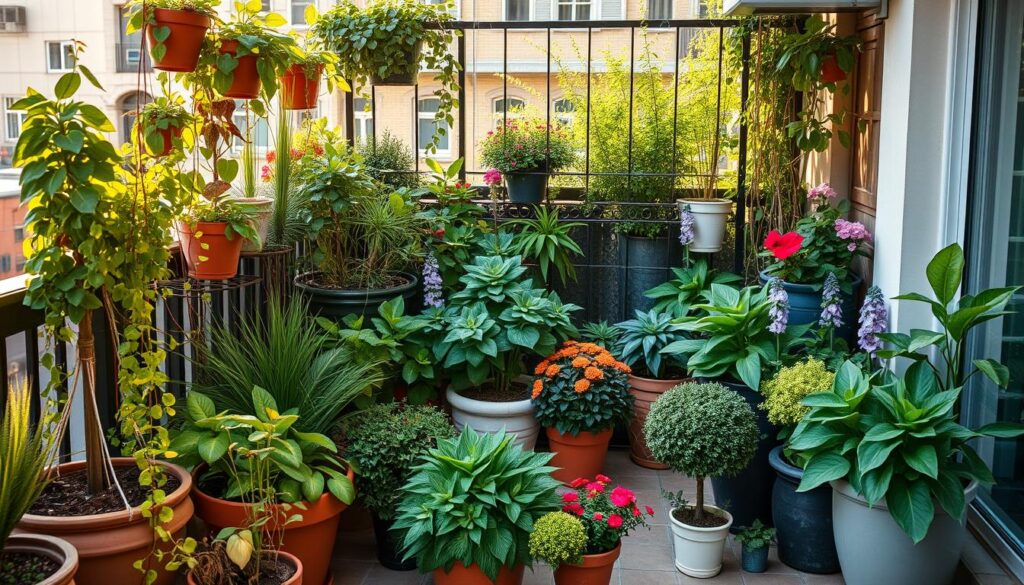
Care, Water, and Seasonal Strategy for Small Spaces
Treat each pot as its own ecosystem: tidy leaves, balanced feed, and steady moisture keep it thriving. Small checks and seasonal timing make the difference between sparse pots and steady harvests.
How should I water for balance and drainage?
Water by weight and feel: lift pots and check the top inch of soil. Water deeply until excess drains, then empty saucers to keep even moisture.
Balance moisture soil with mulch and a coco/perlite blend in your potting mix. Good drainage and trays protect floors and finishes.
When do I fertilize, prune, and clean leaves?
Feed on schedule with slow-release organics and add liquid boosts during peak crops. Prune to improve airflow, remove suckers, and thin greens for steady crop regrowth.
Wipe dusty foliage weekly so light reaches leaves and plants photosynthesize efficiently.
What seasonal timing keeps containers productive?
Sow peas and greens in spring and fall; start beans and fruiting vegetables after nights warm up. Short day lengths slow growth—use grow lights when natural hours fall short.
- Protect roots: shade black pots to keep root zones cool.
- Refresh soil: top-dress between successions and repot tired soil.
- Practical tips: group plants to raise humidity and ease watering; note what thrives in your small garden.
Conclusion
A few smart moves—right plants, vertical supports, and lightweight containers—unlock big returns in tiny spaces.Match light to crop needs, protect surfaces, and invite pollinators to boost yields and joy.
You’ve got this: with the right plants and simple supports, any balcony or sill becomes a productive garden. Start with greens, peas, beans, and herbs while you learn your climate and light.
Stack methods: mix soil pots with hydro kits or living walls to expand food production across tight spaces. Use trays, liners, and light materials to keep floors safe and care simple.
Ground your learning: refresh soil, rotate crops, and log results. Share herbs with neighbors to attract more pollinators and greater abundance.
For compact herb ideas and layout inspiration, see these herb garden designs to scale your container gardens the easy way.