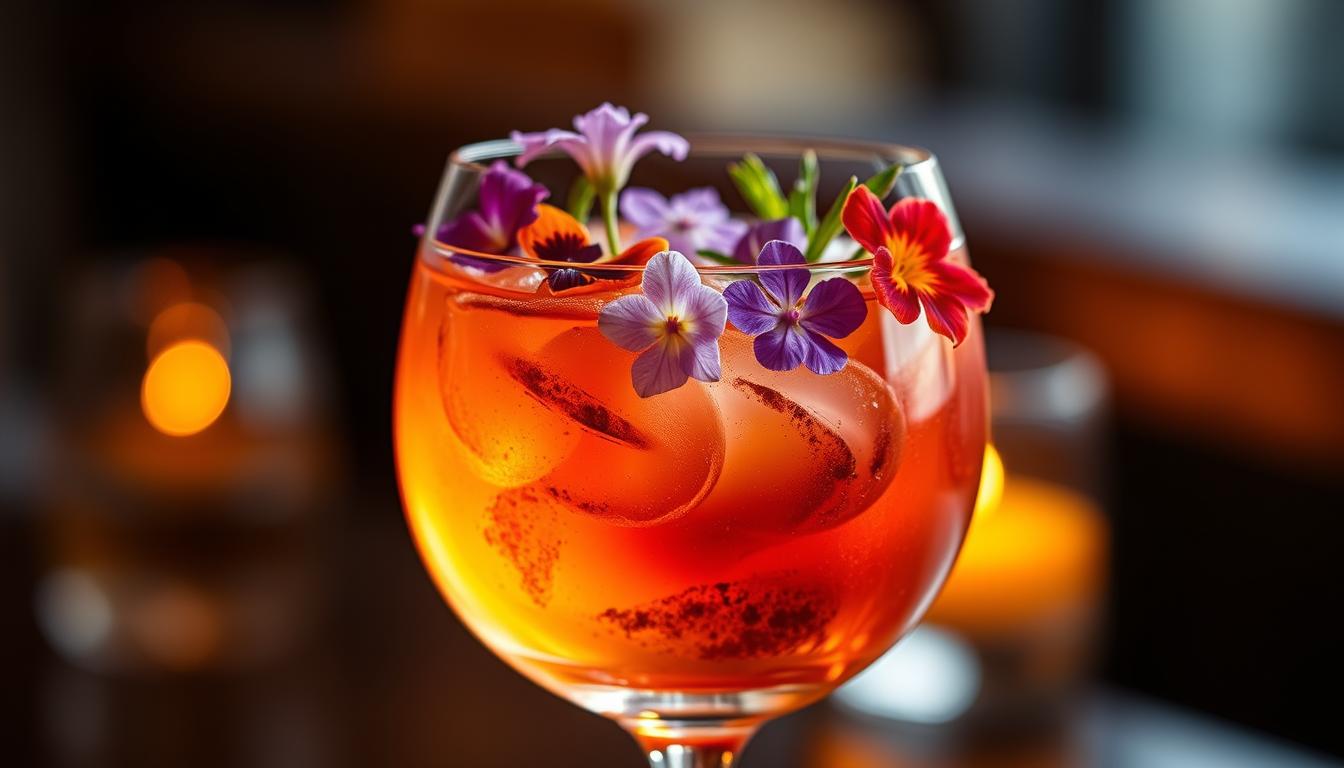
Curious how a single blossom can flip a familiar recipe into something unforgettable?
Growing a handful of safe, edible flowers made a clear difference in every cocktail and cake I served. The Old Fashioned’s simple template—spirits, sugar, water, bitters—welcomes petals as easily as brandy or rum. Small blooms add aroma, color, and a subtle flavor lift without masking the base.
This short guide shows a practical list of ideas real people enjoy, from an old fashioned with petals to a savory bloody mary. You will learn to make cocktail garnishes in little time, plus simple syrups and quick prep.
Set up a modest home bar, layer botanicals for balance, and watch classic drinks like the last word and the Martini feel fresher. It’s pretty much effortless to lift presentation so every drink tastes as good as it looks.
Key Takeaways
- Edible flowers boost aroma and balance while keeping classics intact.
- Grow a few safe varieties and you can garnish in minutes.
- Simple syrups and petal garnishes fit into familiar recipes.
- A small home bar setup makes flower-forward drinks repeatable.
- Flower choices should complement the spirit for best results.
cocktails cakes got major upgrade after i
A few small changes in planting and prep reshaped how my drinks and baked goods feel and taste.
Here’s exactly what I changed and why it matters. I planned a tiny garden bed for safe, edible blooms. I set simple harvest rules: pick in the cool morning, rinse gently, and store petals flat between paper towels.
Next, a short list of beginner-friendly flowers and how they pair with a classic cocktail or a simple cake:
- Violas — light, sweet; brightens gin and lemon desserts.
- Lavender — floral and herbaceous; use sparingly in sours.
- Chamomile — honeyed; works in warm spirits and buttercream.
- Roses (pesticide-free) — perfume-forward; finish a stirred drink.
I note which drink version benefits most. Stirred, spirit-forward pours stay minimal. Citrus-forward builds welcome a bolder petal note.
Practical tips: start with a garnish, then try syrups. Keep guests—real people—in mind: aim for familiar flavors with a floral lift.
Later sections include linked cocktail recipes that reuse blooms in both drinks and desserts so you learn to know make smarter choices and waste less.
Why Edible Flowers Are the Next-Level Ingredient Your Home Bar and Bakery Need
Edible blooms bring aroma, color, and subtle taste in a single, simple step.
Short answer: A few petals can change how a recipe smells, looks, and tastes, while keeping prep fast and approachable.
Flavor, aroma, and visual impact in one ingredient
Use flowers to add layered flavor, bright color, and a lifted scent without extra steps. Start small: whole tiny blossoms or single petals let you control intensity and keep sips tidy.
Taste a petal first. Look for soft, garden-fresh notes—no bitterness or soapiness.
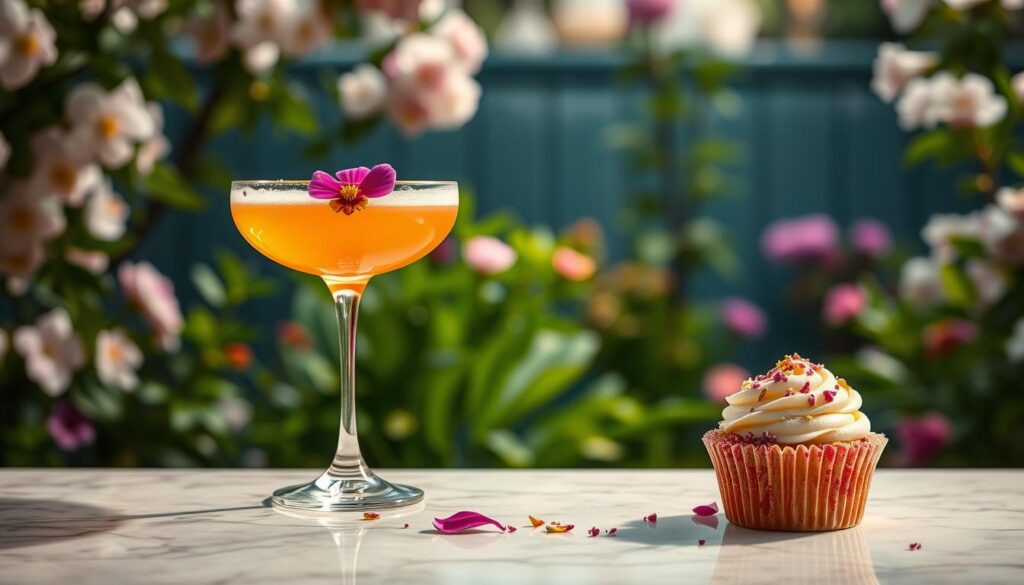
Choosing safe, pesticide-free blooms for drinks and desserts
Pick blooms you grow or buy from trusted farmers. Avoid florist stems that may carry treatments. Prefer forgiving varieties: calendula, viola, nasturtium, borage, chamomile.
For your bar, match petals to spirits: peppery nasturtium with gin, honeyed chamomile with whiskey, cucumbery borage with vodka or gin.
- Harvest cool and dry; chill to keep scent and shelf life.
- Use petals on frosted cakes or candy them for crunch.
- Rotate varieties with the season so each cocktail and dessert reflects what’s blooming.
Pro tip: Keep a simple herb notebook of pairings that sing. Your future self will thank you when repeating favorites for a party or quiet night with a favorite drink.
From Garden to Glass: Fresh Garnishes That Transform Classic Cocktail Recipes
A single petal can change how a classic pour smells and looks.
Quick takeaway: Small garden habits let you serve a balanced, beautiful drink that honors the original recipe while adding floral aroma and color.
A single petal makes a neat statement. For an old fashioned, keep the spirit-sugar-water-bitters core intact. Add a citrus twist washed with blossom oil, or drop one petal on top for scent without extra sweetness.
How should a Martini and Martinez wear a flower?
Use restraint. A Martini benefits from a lone viola to soften edges. The Martinez is a different version: gin, sweet vermouth, maraschino liqueur, and orange bitters. Keep the maraschino notes subtle so vermouth still sings.
Can flowers calm Campari’s bite in bitter drinks?
Yes. In a Negroni or Boulevardier, aromatic blossoms offset Campari. A Boulevardier (2:1:1 spirit:Campari:vermouth) lets bourbon tame bitterness. Try a substantial vermouth like Carpano Antica for depth.
- Build garden-to-glass habits: harvest small blooms, store dry and cold, and add them just before serving for a refreshing drink finish.
- Use large-format floral ice in rocks cocktail builds; boil, cool, then freeze for clear results.
- Express citrus over a bloom to scent the glass. Use a splash of fresh juice only when balance calls for it.
- Less is more — one perfect flower beats a crowded bouquet in any drink.
Old Fashioned, New Look: Ur-Cocktail Meets Edible Petals
Short answer:Keep the 19th century frame — spirit,sugar, water, bitters — and add one petal to lift aroma and color without changing the drink’s soul.
The Old Fashioned is simple by design. The 1806 print definition of a cocktail lists spirits, sugar, water, and bitters. That core stays intact.
The trick is restraint. Stir a robust spirit with a touch of syrup and two dashes of bitters. Strain over ice and add a single, clean bloom. Let the petal scent the nose, not mask flavors.
Which spirit and flower pair best?
- Bourbon: orange blossom brightens caramel notes.
- Rye: chamomile adds honeyed warmth to spice.
- Brandy: delicate citrus flowers echo fruit and oak.
- Rum: nasturtium gives peppery lift to molasses tones.
Stir the cocktail well to integrate citrus oils and any light floral bitters before adding the garnish. Express a citrus peel over the bloom, then nestle the petal against the ice.
| Spirit | Suggested Flower | Flavor Match | Serving Tip |
|---|---|---|---|
| Bourbon | Orange blossom | Sweet, citrus, vanilla | Float petal on large cube |
| Rye | Chamomile | Herbal honey, spice balance | Use minimal syrup; stir longer |
| Brandy | Citrus flowers | Fruit-forward, floral lift | Express orange oils over bloom |
| Dark Rum | Nasturtium | Peppery, molasses contrast | Keep bitters bold; steady stir |
Note the rule: follow your measured recipe, respect clarity, and avoid overpowering blooms. Record pairings in a small notebook so each serving becomes repeatable and reliably delicious.
Explore more about pairing flowers with food and drink in this helpful guide: the art of edible flowers.
Silky Sours: Using Egg White and Floral Simple Syrup for Whiskey Sour Magic
A silky sour balances bright acid with a pillowy foam for a refined sip. This method blends texture, fresh citrus, and a touch of garden aroma so the spirit stays central.
Traditional sours—spirit, sugar, and citrus—often used an egg for texture in the 19th century. That early practice yields a foam that holds aroma and softens bite.
Start with a classic whiskey sour recipe: spirit, lemon juice, simple syrup, and one egg white. Use fresh lemon and strain pulp for a clean mouthfeel.
- Replace part of the sugar with a lavender or hibiscus syrup to add color and lift without masking the base.
- Dry shake first, then add ice and shake again to chill and dilute the cocktail.
- Keep floral dosage small; the goal is perfume, not perfume-like sweetness.
- Strain into a chilled glass and dot the foam with a tiny bloom for aroma and presentation.
“Texture and aroma make a familiar recipe feel new, while keeping the spirit front and center.”
Write down each recipe variation so you can repeat winners. Serve immediately; the foam and garden scent are best fresh.
The Last Word on Herbaceous Blooms
The Last Word is an equal-parts drink that rewards restraint. The recipe—gin, lime, maraschino liqueur, and Chartreuse—yields a bold, spicy, vegetal, and tart profile. Keep the garnish small so the glass smells fresh without cluttering flavor.
How should you approach garnish for a punchy, herb-forward mix?
Equal parts gin, lime, maraschino liqueur, Chartreuse with floral garnish
The Last Word balances bright acid and green complexity. Its relatively high alcohol content and herbal bite pair best with tiny, mild blooms like viola or chamomile. A single petal placed under the foam or floated on top lifts the nose.
Pairing notes: bold, spicy, vegetal flavors with subtle blossoms
- Keep the maraschino in check so cherry-almond notes perfume, not dominate.
- Use fresh lime; old citrus flattens the tension between spirit and liqueur.
- Shake hard and fine-strain for clarity; a clean glass shows color and garnish.
- Test rim versus float placement to find the best first-sip aroma.
| Component | Role | Garnish Fit |
|---|---|---|
| Gin | Botanical backbone | Viola or chamomile |
| Lime | Acid balance | Small citrus blossom or none |
| Maraschino liqueur | Cherry-almond perfume | Single petal under foam |
| Chartreuse | Herbal lift | Delicate, mild bloom only |
“The Last Word rewards precision: small garden notes, fresh ingredients, and subtle placement make a standout cocktail.”
Brunch Goes Botanical: Mimosas, Bellinis, and French 75s with Flower Power
Brunch menus get an instant lift when you pair sparkling wine with fresh blooms. These simple, floral accents add aroma and color with almost no extra prep.
How do you dress a Mimosa for maximum charm?
Use fresh-squeezed orange juice and crown each flute with a citrus blossom. The bright fruit keeps the glass light and clear.
What makes a Bellini sing?
Start with peach juice or homemade peach sorbet. Add a hint of raspberry simple syrup and float a single pale petal for a balanced, refreshing drink.
How to finish a French 75 with floral flair?
Shake gin, lemon juice, and simple syrup. Top with a gentle splash of bubbles and rest a tiny flower on the foam.
- Batch for a party, then finish glasses to order so petals stay perky for your friends.
- Chill bottles, glasses, and syrups. Garnish just before serving; blossoms wilt in acidic drink.
- Keep the recipe simple—one flower per flute is plenty. Try thyme blossoms to echo gin botanicals.
“A single petal makes a plain pour feel intentional and festive.”
Savory Blooms: Elevating a Very Good, Very Boozy Bloody Mary
Layering pickle brine and horseradish lets a flower lift a very boozy Bloody Mary without softening its punch.
Start with a bold base: tomato juice, plenty of vodka, dill pickle juice, fresh lemon, horseradish, and Worcestershire. This is the foundation of a confident bloody mary recipe.
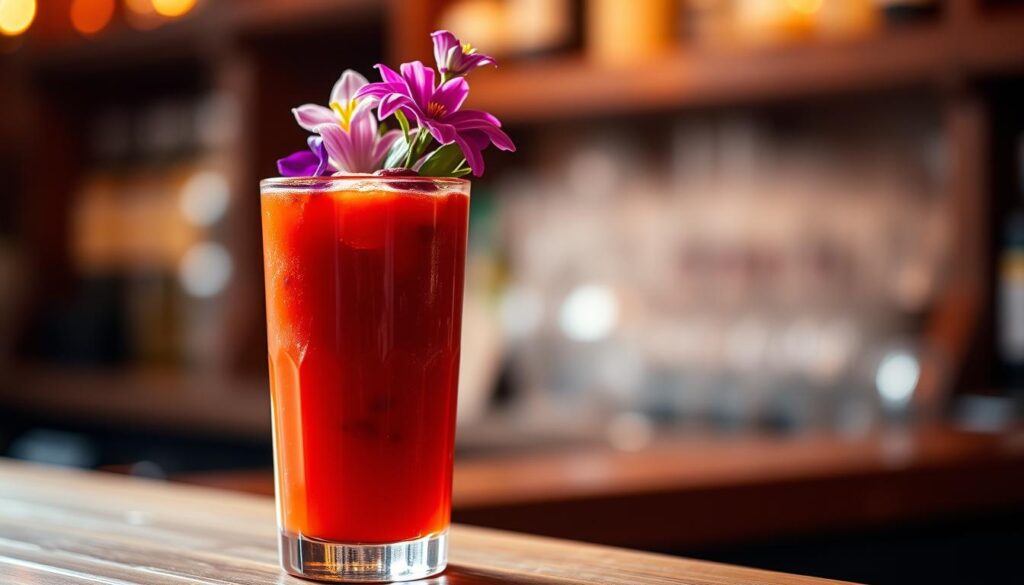
Use savory ingredients—Worcestershire and pickle brine—to push umami and brightness. Build heat in layers so the spice stays balanced, not brash.
- Garnish: skewer hard items (olives, pickles); rest delicate dill blossoms and celery flowers on top just before serving.
- Rim: salt lightly; heavy salting masks floral nuance.
- Mixing: make to order. Tomato bases soak petals and dull their scent if left too long.
- Finish: a squeeze of lemon on the bloom sharpens the nose without adding bulk.
Offer heat options so guests tune the cocktail to taste. Keep glassware tall to stage garnishes and give a clean first impression.
Tip: Run a second pass of the recipe to fine-tune salinity and spice for a crowd-pleasing result. A careful floral touch brightens the flavor while keeping the drink unapologetically boozy.
Highballs and Coolers: Collins, Mojito, Southside, and Mint Julep
Warm, tall pours welcome simple prep and a single floral touch. Tall glasses, crushed ice, and a few garden blooms make simple recipes feel seasonal.
How can you keep these long drinks bright and garden-ready?
Collins as a floral canvas
The Collins needs only lemon, sugar, and soda water. Swap spirits freely and add a floral ice cube for slow perfume and sparkle.
Mint-forward builds: Mojito and Southside
The Southside began as a fresh gin gimlet with mint. Use mint to transform the base. Add one small bloom to lift herb freshness without cluttering the drink.
Mint Julep basics for warm days
For a true mint julep, pack crushed ice, bourbon, simple syrup, and a mint flower for a perfumed nose. This version lives beyond Derby and shines all spring and summer.
- Pretty much the perfect canvas: lemon, sugar, soda, spirit, and floral ice.
- Express herbs on the glass rim to avoid bitterness in a long cocktail.
- Try a lime-forward version for mojitos; tuck in a tiny petal that won’t overpower mint.
- Use fresh juice and cold soda so bubbles and garden notes stay clear.
- Prep sturdy garnishes and floral cubes ahead; fragile petals go on last.
| Drink | Core Ingredients | Floral Garnish Tip | Serving |
|---|---|---|---|
| Collins | Spirit, lemon, sugar, soda | Floral ice cube for slow aroma | Tall glass, long straw |
| Mojito | Rum, lime, mint, sugar | Tiny blossom tucked under mint | Highball, crushed ice |
| Southside | Gin, lime, mint, simple syrup | Single small bloom on foam or leaf | Chilled coupe or tall glass |
| Mint Julep | Bourbon, simple syrup, crushed ice | Mint flower for perfume | Julep cup, packed ice |
Infused Floral Syrups, Honeys, and Liqueurs to Make at Home
A few small bottles of floral syrup and honey extend your garden’s scent into every glass and cake. These infusions store fragrance and let you add a measured floral note without fuss. Make them once and use them across many recipes.
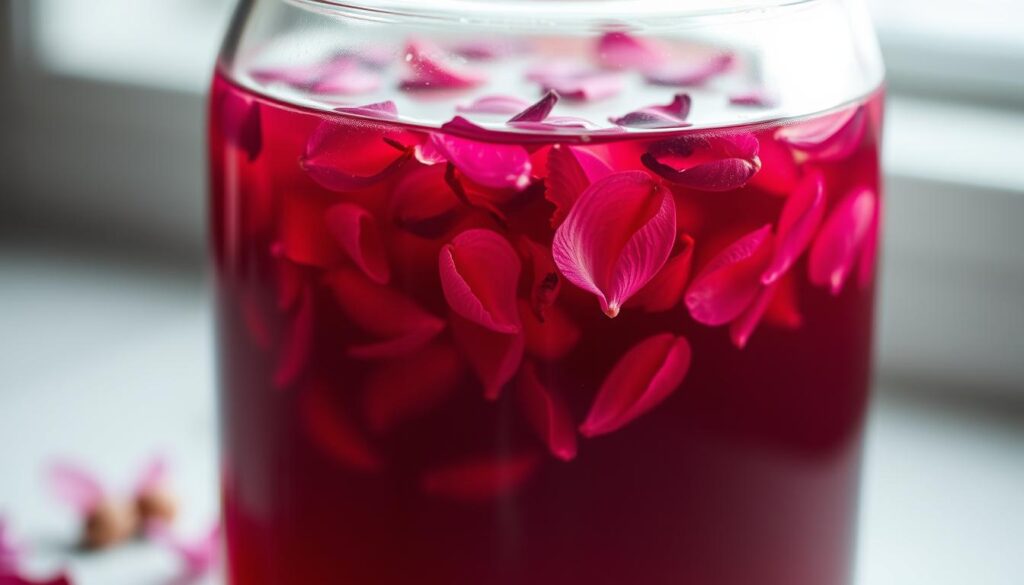
How do you master simple syrup at home?
Master simple syrup with equal parts sugar and water. Heat gently until sugar dissolves, remove from heat, then add petals and let steep for the listed time. Strain off-heat for a clear, fragrant syrup.
What flowers and spirits work best?
- Start with sturdy blooms: lavender or chamomile infuse predictably.
- Use a light hand with liqueur additions; Luxardo maraschino liqueur shines when restrained and pairs well with sweet vermouth in a Martinez-style mix.
- Note your ingredients ratios by weight so you can scale the batch reliably.
- Refrigerate syrups in clean bottles and label date and variety.
Practical tips for use and safety
Add a teaspoon at a time to a base cocktail so you control balance. Consider honey infusions for richer body—use low heat and long steeping, then fine strain.
“Keep a small recipe card with each bottle so pairings become repeatable and confident.”
Quick notes: citrus juice syrups perish fast; acids can dull floral tones. If using egg-based liqueurs like Advocaat in desserts, mind egg safety and keep them cold.
Ice, Glass, and Garnish: Small Details with Big Flavor and Visual Payoff
How do tiny service choices lift a garden-forward drink? Small decisions about ice, glass, and garnish shape first impressions, scent, and dilution. Done well, they make a simple pour feel intentional and seasonal.
How do you make crystal-clear floral ice for a refreshing drink?
Boil water, cool it, then freeze in layers so blooms stay suspended and vivid. Use a shallow tray and add petals between freezes to keep them centered.
Scale cube size to the build: big cubes slow dilution in stirred drinks. Floral ice gives a slow release of scent and keeps the visual crisp.
Which glass best frames a flower-forward pour?
Choose the right glass—coupes for sours, flutes for spritzes, rocks for spirit-forward drinks—to show both bloom and liquid. A clean rim highlights colors and keeps scent focused.
Bar habits matter: use tongs for flowers, make clean citrus cuts, and never soak delicate blossoms. Rinse fragile petals if dusty, then dry completely; water spots dull presentation.
- Garnish just before serving so petals look fresh and flavor stays bright.
- Express lemon oils across the rim and petal for a scented first sip.
- Keep backup garnishes chilled on a damp paper towel–lined tray.
- Practice placement—rim clip, pick, or float—until it looks intentional, not fussy.
- Photograph in natural light; your garden-to-glass work deserves it.
“A perfect cube and a well-chosen glass make a garden garnish readable at a glance.”
Bright, Tart, and Balanced: Citrus-Forward Classics with Floral Twists
Citrus-forward drinks reward small floral accents that echo acidity rather than compete. These pours stay lively when you let lime and lemon lead and use a single petal as a subtle finish.
Gimlet: gin, lime juice, simple syrup with a micro-bloom
How do you keep a Gimlet crisp while adding a floral note?
Stick to fresh lime, a touch of simple syrup, and good gin. Add one micro-bloom on the surface as a gentle twist. Keep syrup light so the bloom perfumes, not sweetens.
Margarita: salt rims and edible flowers for color and aroma
Which flowers suit a salty, tart glass?
Pick citrusy or herbal blossoms that pair with salted rims and bright juice. Avoid sweet flowers; they clash with salt and lime. Measure and strain for a clean pour.
Cosmopolitan: cranberry, lime, and a restrained floral accent
How does a Cosmopolitan stay balanced with a petal?
Use modest cranberry and fresh lime so the mix stays tart, not cloying. A tiny petal lifts aroma without adding sugar. Note ratios in your recipe log—seasonal citrus varies.
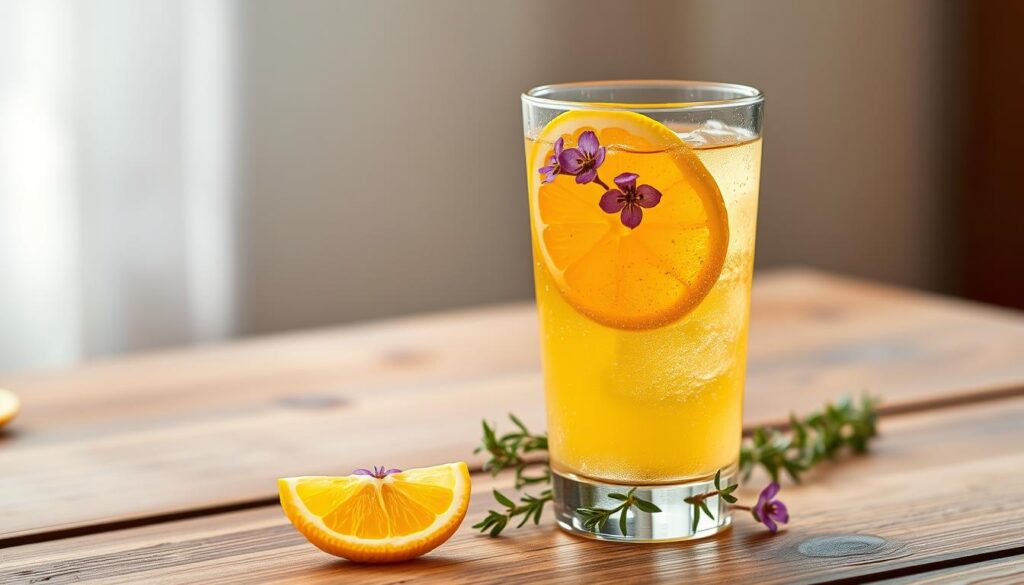
| Drink | Key Ingredients | Floral Fit | Serving Tip |
|---|---|---|---|
| Gimlet | Gin, lime juice, simple syrup | Micro-bloom on foam | Chilled coupe, single petal |
| Margarita | Tequila, lime, salted rim | Citrus or herbal blossom | Rim salt, garnish last |
| Cosmopolitan | Vodka, cranberry, lime | Tiny pale petal | Fine strain, light pour |
Quick tips: Use measured lemon juice or lime in riffs and keep a house syrup light. If you enjoy a whiskey sour, try the same floral syrup in a Gimlet to compare structure and aroma. Choose glassware that focuses nose-to-glass contact so the floral note reads clean on the first sip of the cocktail.
Stirred & Strong: Manhattan, Sazerac, Vesper with Elegant Edible Accents
Stirred drinks reward restraint; a single blossom sharpens their lines. Keep garnishes small so the base spirit and vermouth remain clear. This section shows how tiny floral notes lift three classic stirred recipes without crowding flavor.
Which flower suits a Manhattan?
The Manhattan, credited to the Manhattan Club, leans on rich sweet vermouth to balance spirit. Choose quality vermouth—try Carpano Antica—and float one neat blossom for elegance. A single petal echoes vermouth botanicals without adding sugar.
How do you keep a Sazerac honest?
The Sazerac began with Antoine Peychaud in the 19th century. It moved from cognac to rye after phylloxera, though some recipes still nod to brandy roots. Express lemon oils and rest a discreet petal at the rim so rye and bitters stay central.
What does a flower do for a Vesper?
The Vesper’s vodka, gin, and Lillet Blanc raise alcohol content and brightness. A tiny bloom softens the edges and invites a gentle first smell. Stir cold and strain clean—stirred cocktails magnify off-notes, so choose petals that are dry, mild, and citrus-leaning.
- If you love an old fashioned, you’ll see how minimalism works here too—one accent, never a bouquet.
- Use heavy-bottom glasses for texture and temperature control in each drink.
- Avoid sweet petals; stirred builds favor dry, herbal, or citrus aromas.
- Reference bold builds like the last word only to contrast garnish philosophy—subtlety wins.
Sweet Side: Decorating Cakes with Candied Petals, Floral Syrups, and Liqueurs
Brushing layers with a light floral syrup keeps crumb moist and flavor focused. Use small, targeted finishes so the bloom is the star, not a competing ingredient.
How do you candy petals for texture and sparkle?
Candy petals with superfine sugar for crunch and shine. Work on parchment and let them dry fully so toppings stay crisp.
Anchor petals in buttercream dots so they stay put when slicing. Place blooms just before serving to prevent wilting or color bleed.
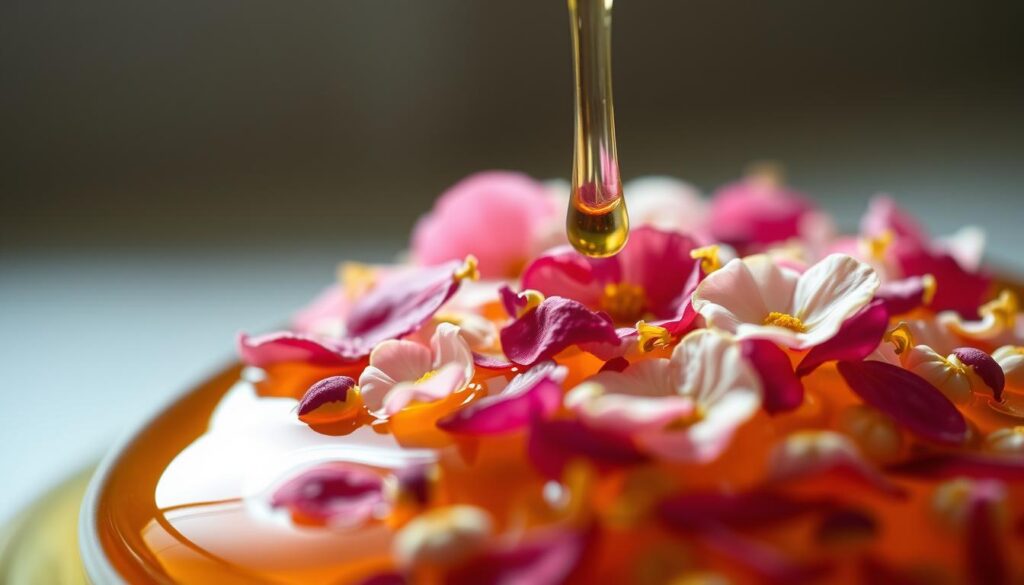
How should you brush layers with floral syrup?
Brush cake layers with a floral syrup to add moisture and garden flavor without changing crumb structure.
Choose ingredients that echo a featured cocktail—lavender for lemon, hibiscus for chocolate. Keep recipes simple so petals remain the focal point.
“Use stabilized whipped cream or Swiss meringue in warm weather and consider egg safety when serving outside.”
Store decorated cakes cool and dry. Tie dessert and drink together with one shared botanical for a cohesive finish. For inspiration, see a delicate example with candied petals here: candied rhubarb flower cake.
Signature “Cake” Cocktail Dessert Pairings
A three-layer pink pour reads like a dessert menu on its own: tart, creamy, cherry. The layered build lets the glass echo a slice without weighing the palate. Keep portions measured so each note stays distinct.
What makes the layered “Cake” pour work?
Start with contrast. Drop a splash of grenadine for bright tartness, pour Advocaat slowly for a creamy middle, and finish with cherry liqueur for color and lift.
- Build: grenadine base, Advocaat middle, cherry liqueur top keeps layers defined.
- Garnish: a pale blossom echoes the pink tones without extra sweetness.
- Pairing: lemon, cherry, or vanilla slices balance the drink’s richness.
- Accent: add a tiny maraschino note only if it supports the cherry flavor.
How should you serve and adjust sweetness?
Keep a neat recipe card so pours stay consistent. Reduce grenadine when the dessert is very sweet. Offer an NA riff with cherry syrup and cream soda for inclusivity.
| Layer | Flavor role | Matching cake |
|---|---|---|
| Grenadine | Tart, anchor | Lemon sponge |
| Advocaat | Creamy, rich | Vanilla butter cake |
| Cherry liqueur | Bright, color | Cherry almond torte |
“Balance richness by serving a lighter slice or fresh fruit on the side.”
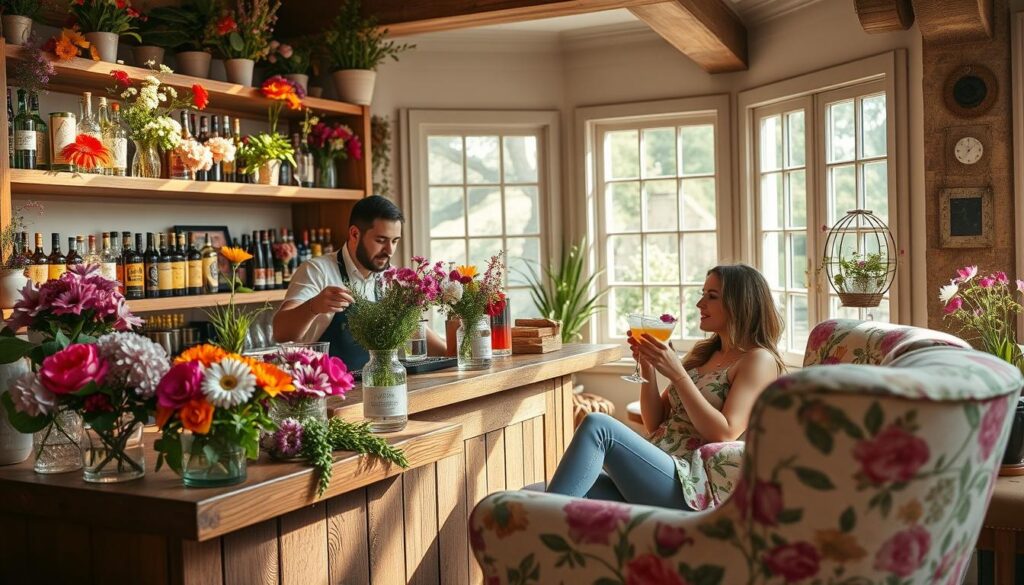
Hosting Tips: Build a Flower-Forward Home Bar Your Friends Will Love
Set up a small, focused bar so guests find great drinks and simple floral finishes without fuss.
Start with a short, practical list of spirits and mixers that cover classics: bourbon, rye, gin, vodka, tequila, sweet and dry vermouths, and a bottle of sparkling for spritzes. Add a jar of bitter, a maraschino liqueur, and one floral liqueur or two simple syrups.
What should you stock to make classic recipes reliably?
Keep bottles that let you build Manhattan, Martini, Margarita, Collins, Mojito, Southside, Negroni, Boulevardier, Cosmopolitan, Bloody Mary, French 75, Mint Julep, Vesper, Bellini, and Mimosa.
Tip: label shelves so guests and helpers can find the right bottle fast.
How do you prep syrups, garnishes, and ice before a party?
Batch floral syrups a day ahead. Strain and chill them. Freeze floral ice cubes in layers so blooms stay visible and fragrant.
Make garnish trays with petals, citrus twists, and herb sprigs. Label each tray so friends can grab items and know make simple builds without asking.
- Stations: set a stirred side and a shaken side so guests can join and learn to make cocktails confidently.
- Menu: offer two classics and one seasonal special to save time and reduce waste.
- Include NA options that share the same garden flair so everyone feels included.
“A labeled, tidy bar keeps the focus on people, not prep.”
| Prep Item | When to Do It | Why It Helps |
|---|---|---|
| Batch floral syrup | 1 day prior | Saves time and keeps flavor consistent |
| Freeze floral ice | 24 hours prior | Slow scent release and pretty presentation |
| Label bottles & trays | Before guests arrive | Lets friends mix drinks without guidance |
| Set stations & tools | 30–60 minutes prior | Streamlines service and keeps flow clean |
Finish the night with a dessert that echoes your signature bloom. It ties the menu together and leaves a lasting impression for your friends and future gatherings.
Conclusion
Bold takeaway:
,
Small garden choices change big moments. A few dependable blooms push your cocktails and desserts to the next level by adding scent, color, and gentle lift without extra work.
Keep a short rotation of classic cocktail recipes and seasonal cocktail recipes. Save favorite pairings and methods in one tidy place so you can repeat what guests loved.
Measure floral additions—too much can amplify perceived alcohol content—and choose the right glass and place setting to frame each pour. Encourage people to taste a petal first, then keep experimenting month to month.
Most of all, have fun sharing beautiful drinks and recipes with the people you love.