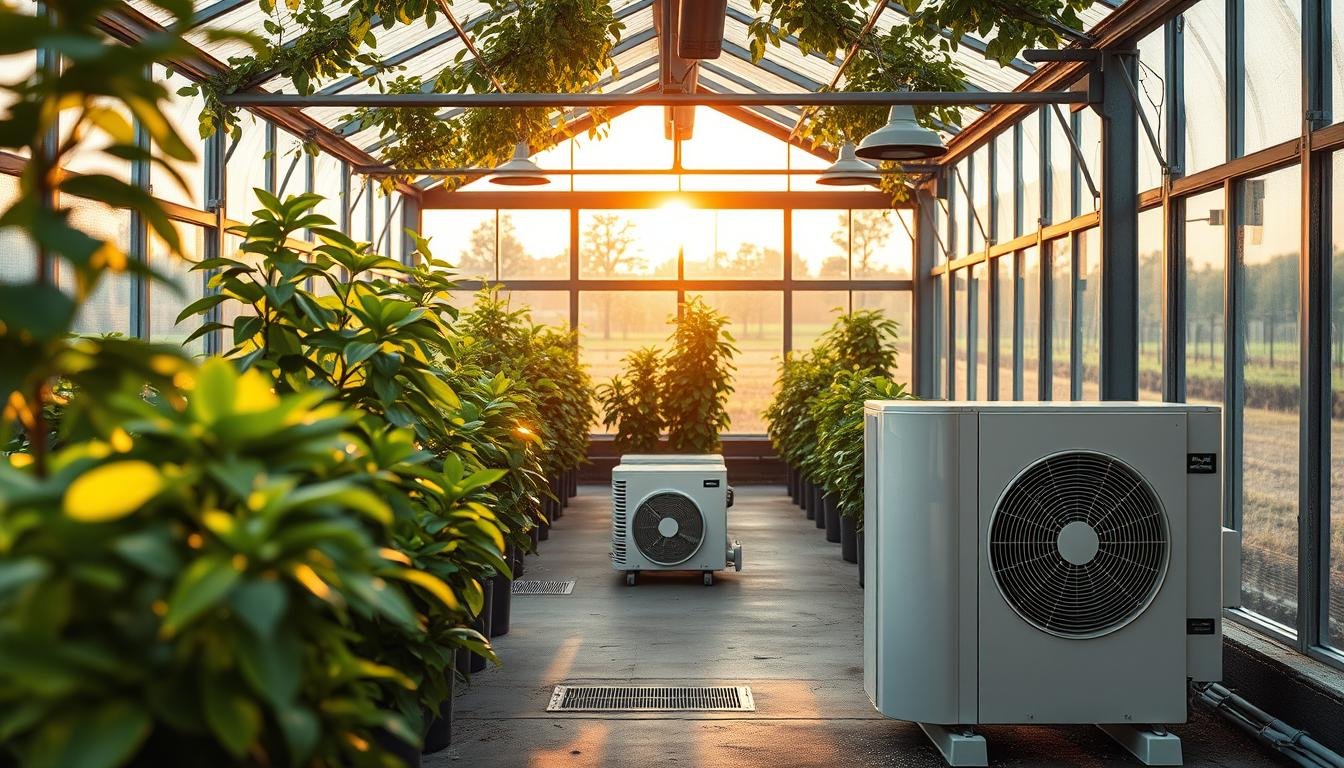
Would a simple, low-cost change truly turn a stifling backyard glass box into a workable growing space during Phoenix’s hottest stretch? I tested a modest kit in my Phoenix metro area plot after the city logged more than 20 straight days at or above 110 degrees Fahrenheit.
The month ever felt relentless: nights stayed high, with a record low near 97 degrees. Plants showed midday wilt and curled leaves as impervious surfaces acted like ovens. I focused on two moves: add targeted shade and boost airflow to cut radiant heat on soil and seedlings.
This approach cooled interior temperatures enough to extend watering intervals and ease plant stress without heavy power use. It’s a backyard test with city-scale implications — what helps one small structure points to neighborhood-level solutions, from tree planting to cooler pavement.
Key Takeaways
- A low-cost shade-and-vent strategy can lower inside temperatures and reduce plant stress.
- Urban nights rising in the city raise risks for plants and people alike.
- Combining shade with airflow beats relying only on energy-hungry gear.
- Techniques that work for a single glasshouse can guide neighborhood cooling plans.
- Readers like you can replicate these solutions with modest tools and effort.
Heatwaves Push Limits: Phoenix’s 110 Degrees and the Hottest Month Ever
More than 20 straight days at or above 110 degrees turned July into the hottest month ever for the Phoenix metro. Nighttime lows near 97 degrees Fahrenheit offered little relief, raising stakes for plants and people.
Why July felt like the month ever across the metro area
Long daytime surges and warm nights came from several stacked causes. Scientists said this season’s extreme heat would have been nearly impossible without greenhouse gas emissions from fossil fuels.
Postwar, car-first growth created vast impervious surfaces and parking lots that soak up sun and re-radiate warmth at night. Sky Harbor’s records show nighttime temperatures rose roughly 9°F over 60 years while daytime climbed about 2–3°F.
Public health stakes: when 110 degrees becomes a daily baseline
Public health officials flagged real consequences. The city confirmed 18 heat deaths and is investigating dozens more. David Hondula, director of the Office of Heat Response and heat mitigation, warned risks grow with each degree.
- 20+ days ≥ 110 degrees changed routines and watering schedules.
- Heavy A/C use cools homes but adds to outdoor urban warmth.
- Shade and trees reduce local surface temperatures and protect people and crops.
The $100 upgrade that made greenhouse bearable heatwave
Small changes to shading and airflow made measurable differences on hot afternoons. The approach prioritizes passive moves over cranking an air conditioning unit, so plants survive without heavy energy draws.
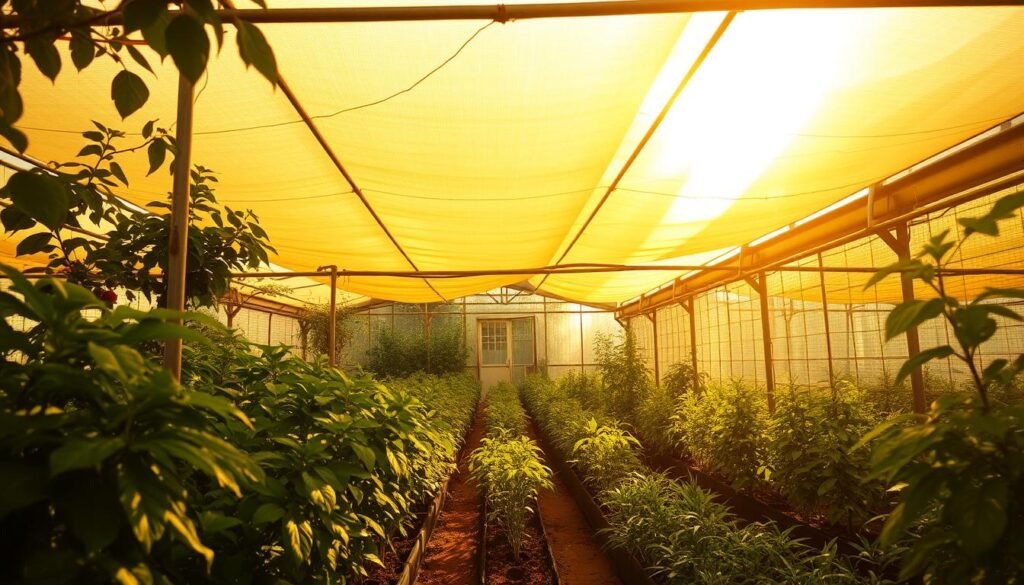
What the low-cost fix does during extreme heat and why shade helps
The kit lowers direct solar load and cuts late-day radiant gain. Shade blocks the worst sun while still letting air move, which helps reduce peak interior heat.
Simple materials, big gains: budget-friendly shade and ventilation
For about the stated budget I installed 30–50% shade cloth, clips, a reflective tarp on the west wall, and a low-watt circulation fan. Install the cloth along the roof ridge and the sunny exposures, leave gaps at the base and apex for vents, and aim the tarp to block the harshest afternoon rays.
- Performance: Peak temperatures fell during the worst hours and leaf scorch eased.
- Plant signals: tomatoes held blossoms, basil drooped less, and lettuce bolted later — clear signs these solutions work.
- Notes: a small fan helped convective cooling, but most gains came from shade; you can add airflow later.
Budget tip: use remnant cloth and reused clips, and prioritize the sunniest exposures first. Those backyard moves mirror city goals to plant trees and expand canopy coverage to better mitigate heat across the city.
Expert Context from Arizona State University: How Shade and Surfaces Shape City Heat
Surface materials and canopy cover steer how hot a city feels after sunset, according to local experts. This ties the backyard fixes to broader policy and design choices across Phoenix.
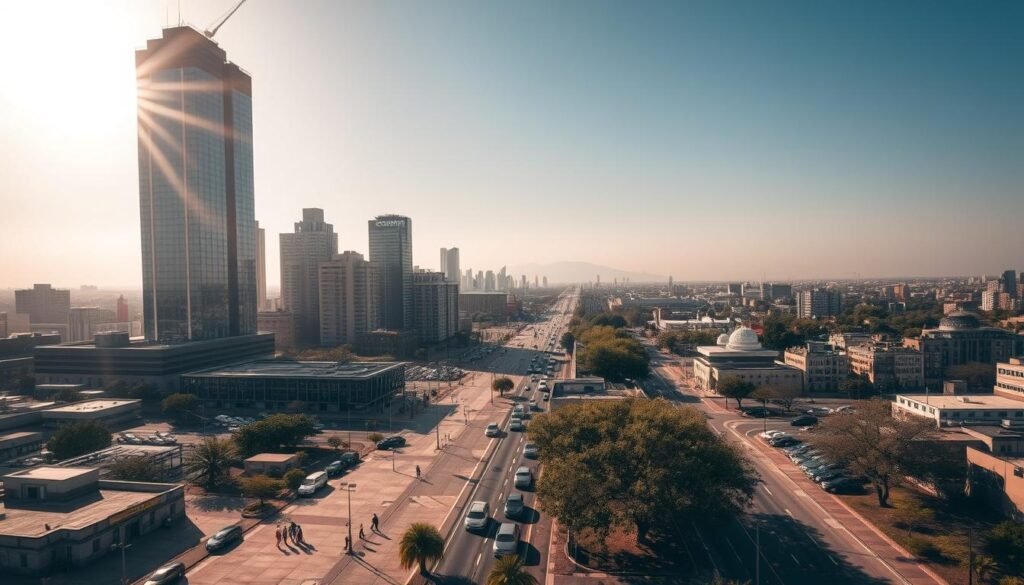
What ASU research shows about paved surfaces
“More impervious surfaces — roads and parking lots — are ‘heat sponges’ that store daytime heat and release it at night,”
Middel said these materials limit overnight cooling and raise late-night temperatures.
Reflective thinking: cool surfaces and roof choices
Arizona State University teams are testing cool pavement and lighter roofs to reflect solar energy. Lighter surfaces help get rid of stored heat near busy lots.
Tradeoffs and where to place solutions
Said David Sailor: every approach has tradeoffs. Strong reflection can raise glare for people, so place mirrors and light roofs where pedestrians won’t sit.
- Ground your yard work: as middel said, limiting radiant load with shade matches city-scale findings.
- Materials tip: use reflective west walls or light gravel to mimic cool pavement without pushing heat onto sidewalks.
- Plan with care: these solutions work best when you map wind, sun angles, and where people walk.
Shade Canopy Coverage and Planting Trees: Scaling a Greenhouse Fix to a City
Expanding yard shade into street canopy has measurable effects on local comfort and energy use. This section links small-scale shading to city planning goals and shows how planting in the right places cools people and pavement.
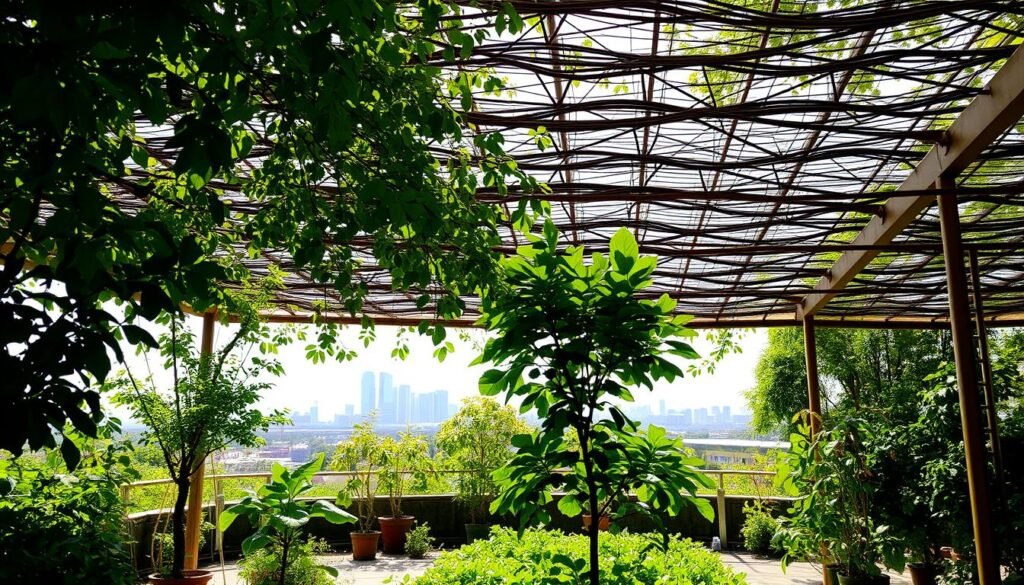
How local shade ideas guide broader planning
The same shade logic that helped cool my structure scales up: place trees where people walk, wait, and live.
Phoenix aims for canopy coverage of 25% by 2030 and will plant 200 trees per mile along cool corridors—about 1,800 new trees in the highest-need zones.
Centering equity across neighborhoods
Shade is not evenly spread. Wealthier blocks often have more trees while many low-income areas are heat deserts.
Trees Matter helps residents plant and care for trees so saplings survive and grow into lasting shade.
- Target spots: bus stops, school routes, and heat-vulnerable blocks throughout phoenix first.
- Planting basics: choose heat-adapted species, plant in cooler months, water young trees deeply, and mulch.
- Backyard to block: plant trees on west and south exposures to cut indoor temperatures.
| Scale | Approach | Primary benefit |
|---|---|---|
| Backyard | Shade canopy over structures, reflect west walls | Lower indoor temperatures |
| Cool corridors | 200 trees per mile, focused plantings | Shade for transit users and sidewalks |
| Neighborhood | Equity planting with Trees Matter support | Reduced city heat and energy bills |
Long-term view: trees take years to mature, but early planting multiplies benefits: lower temperatures, groundwater recharge opportunities, and durable heat mitigation.
City Heat Mitigation in Practice: Officers, Policy Shifts, and Parking Lots
City teams are moving from pilots to policy to tackle rising temperatures and protect public health. Officials frame cooling as both a safety measure and an investment in resilience.
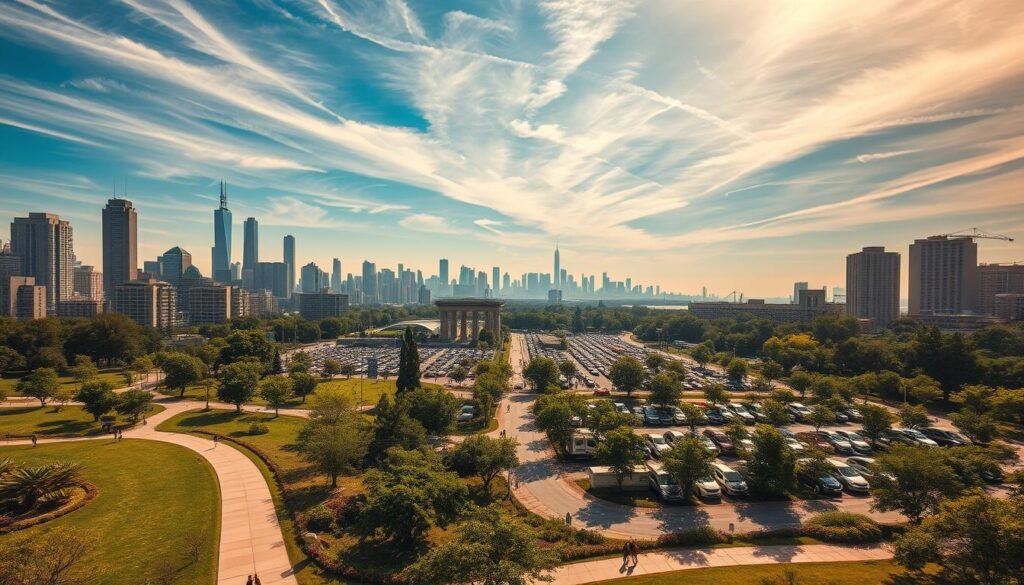
What the heat mitigation officer sees on the ground
Every degree matters. The mitigation officer warns higher temperatures increase health risk, pushing agencies to act sooner rather than later.
Policy shifts that can potentially save water, energy, and lives
Cities are testing policy shifts to reduce minimum parking requirements and cut impervious area. Removing excess parking helps get rid of heat-sponging lots near homes and transit.
- Quantified gains: Shaving just a half-degree in temperatures summer could potentially save 22 billion gallons of water and lower air conditioning bills by tens of millions.
- Where to place fixes: Use cool pavement and lighter roofs near sidewalks, transit stops, and school routes, and pair them with trees for shade and evapotranspiration cooling.
- Big-picture moves: Curb sprawling development and fossil fuels reliance to complement neighborhood solutions and find solutions with lasting benefits.
“Policy choices now determine who cools down first and who bears the heat,”
Beyond A/C: Low-Tech, Low-Cost Solutions That Work in the Phoenix Metro Area
Small swaps—lighter surfaces, a modest shade canopy, and smart ventilation—cut peak daytime temperatures and protect plants. These moves help mitigate heat with low energy and low cost.
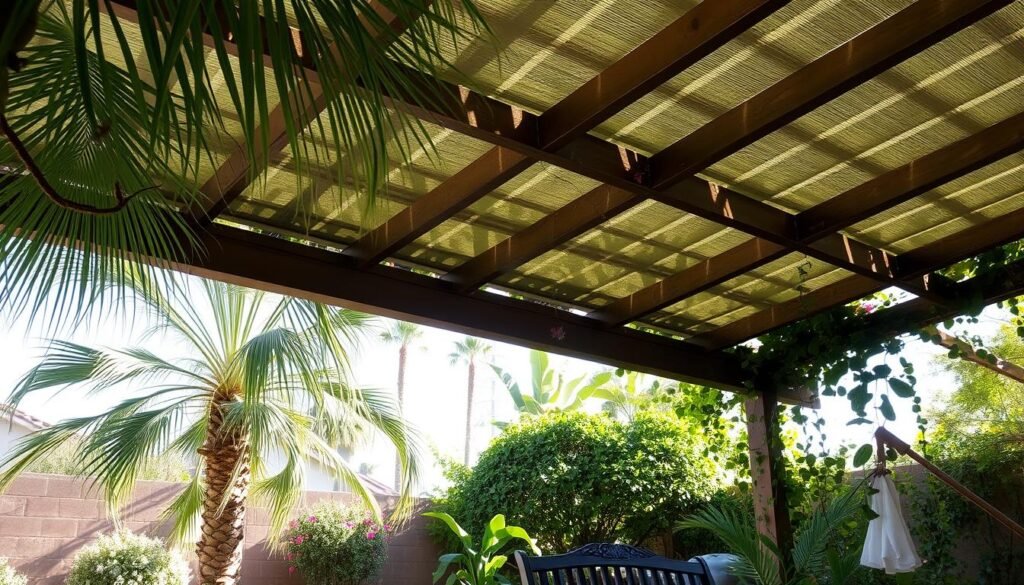
Start simple: add 30–50% shade on beds, install reflective barriers on west walls, and run a small fan to keep air moving. Plant a drought-adapted tree on the west side to multiply cooling over seasons.
- Swap surfaces: use light gravel or permeable pavers to mirror cool pavement ideas at home.
- Water and mulch: irrigate at dawn, mulch heavily, and let shade lower root-zone temperatures summer by a few degrees.
- Vent well: open top vents at sunrise and base vents by mid-morning to create stack-effect airflow without running air conditioning.
| Action | Why it helps | Where to apply |
|---|---|---|
| 30–50% shade canopy | Reduces direct solar load and lowers peak air | Over beds, seating, and potting benches |
| Light surfaces / permeable pavers | Mimics cool pavement by reflecting sun and reducing stored heat | Walkways, pads, and play areas |
| Planting trees & vent tuning | Provides lasting afternoon shade and passive airflow | West side of structures and transit-ready corridors throughout phoenix |
Iterate and measure: log interior temps at 2 p.m. and 6 p.m., tweak cloth density, and note plant responses. When combined, these low-tech solutions work across the metro area and support broader city heat mitigation goals.
Conclusion
A modest shading plan and some airflow tweaks delivered measurable relief during long spells of extreme heat. The hands-on fix shows how simple moves can cut peak temperatures and protect plants during the hottest month.
As Middel said, impervious surfaces trap warmth; said David Sailor, every approach has tradeoffs—so place shade, cool pavement, and light roofs where people benefit most.
Act locally: plant trees, expand canopy coverage, and swap dark pads for lighter surfaces throughout Phoenix to lower radiant load around homes and gardens.
Policy shifts that curb oversized parking lots can potentially save water and energy and reduce city heat. Partner with arizona state university and the state university network to test and scale what works in the phoenix metro area.
Readers like you keep this work practical. If donations readers like help sustain reporting, more neighbors can plant trees, try shade canopy ideas, and stay safer as temperatures climb.