Can you really turn kitchen scraps into weeknight wins and save money while boosting flavor? Many common vegetables offer usable odds and ends, yet shoppers toss greens and blooms by habit.
Think whole-food pantry: use leaves in quick sautés, roots roasted or in stock, tender stems in stir-fries, and flowers as bright finishers. This approach cuts waste and raises nutrition with familiar food you already buy in spring and summer.
We’ll show which leaves and flower parts cook best, when to harvest for mild taste, and simple recipes that turn scraps into reliable meals. Expect practical trimming tips, harvest inches, and flavor pairings using pantry staples.
Safety note: keep an open mind, but identify your plant family and avoid sprayed or high-traffic areas. One harvest can yield multiple meals—tops for sauces, greens in soups, and tender bits for fresh salads.
Key Takeaways
- Use nearly every part of five common crops to cut waste and boost flavor.
- Harvest timing matters for the mildest taste and best texture.
- Leaves and flowers work well in sautés, stocks, and as garnishes.
- Follow safety tips: identify correctly and avoid sprayed areas.
- Simple recipes and pantry pairings make reuse easy for weeknights.
Why root-to-stem cooking matters right now: reduce waste, save money, and boost flavor
Using more of a single harvest lowers trash, stretches your budget, and adds bright new flavor to simple meals. These gains take little extra time and work.
When you cook every usable part of a plant, you cut waste and unlock fresh tastes. Broccoli leaves, carrot tops, and beet greens turn plain vegetables into richer dishes.
Save time and money: One bunch can become two dinners when you use tops and side leaves as sides, mix-ins, or stock. For tips on how this stretches grocery dollars, see save money on groceries.
Nutrition and seasonality: Leafy parts often hold vitamins and add savory depth to beans, grains, or eggs. In peak season, harvest young leaves at about 4–6 inches for the best texture and mild flavor.

| Benefit | Why it matters | Quick tip |
|---|---|---|
| Less waste | Fewer scraps to haul or compost | Use stems for stocks, greens for sautés |
| Budget stretch | One buy yields multiple meals | Freeze extra leaves or fold into sauces |
| Better flavor | Concentrated nutrients boost savory notes | Pick young leaves at 4–6 inches for tender bite |
- Most parts need a rinse, a quick trim, and 5–8 minutes in a hot pan.
- Gardeners can guide growth by snipping outer leaves to keep plants producing.
5 root-to-stem edible plants that leave almost no kitchen waste
Small trims yield big returns: use tops, leaves, and shoots for hearty meals and lively flavor. These easy swaps turn a single harvest into salads, stocks, and quick sautés.
Broccoli
Broccoli greens cook like kale or collards. Slice the stems thin for fast sautés and toss tiny florets into soup at the end. Treat related brassicas, like cabbage, the same way.
Carrot
Carrot tops are safe and tasty. Strip tender fronds and blitz with nuts and oil for pesto. Use chopped tops in salsa or as a soup garnish; simmer peels and roots for stock.
Beets
Beet greens taste like chard. Harvest leaves at about 4–6 inches, taking only one or two per plant to protect the root. Sauté with garlic and lemon and roast the tuber.
Dandelion
Pick young dandelion leaves before the flowers form. They are peppery and bright in a simple salad or as a burger topper. Forage only from clean, unsprayed areas.
Sweet potatoes
Sweet potato shoots and soft leaves are silky when cooked. Snip tips throughout the warm season, leave several inches of vine, and wilt greens into soups or coconut curries.
“Using the whole plant adds flavor and stretches your harvest into more meals.”
| Plant | Usable parts | Quick use |
|---|---|---|
| Broccoli | Leaves, stems, florets | Sauté leaves, thin-sliced stems, soup florets |
| Carrot | Tops, roots, peels | Pesto, salsa, stock |
| Beet | Greens, stems, roots | Sauté like chard, roast roots |
| Dandelion | Leaves, flowers | Salad greens, herbal tea |
| Sweet potato | Shoots, leaves, tubers | Wilt greens, coconut soups |
From garden to plate: harvesting, prep, and cooking techniques for every plant part
Quick techniques keep texture lively and make the most of each harvest. Learn when to pick, how to trim, and simple pan and pot methods that preserve aroma and color.
Quick rules: pick tender leaves at about 4–6 inches for best bite. Trim tough ribs and wash grit well in a deep bowl. Wilt fast over medium-high heat; braise sturdy parts longer. Add delicate flowers or microgreens at the end to keep color and scent.
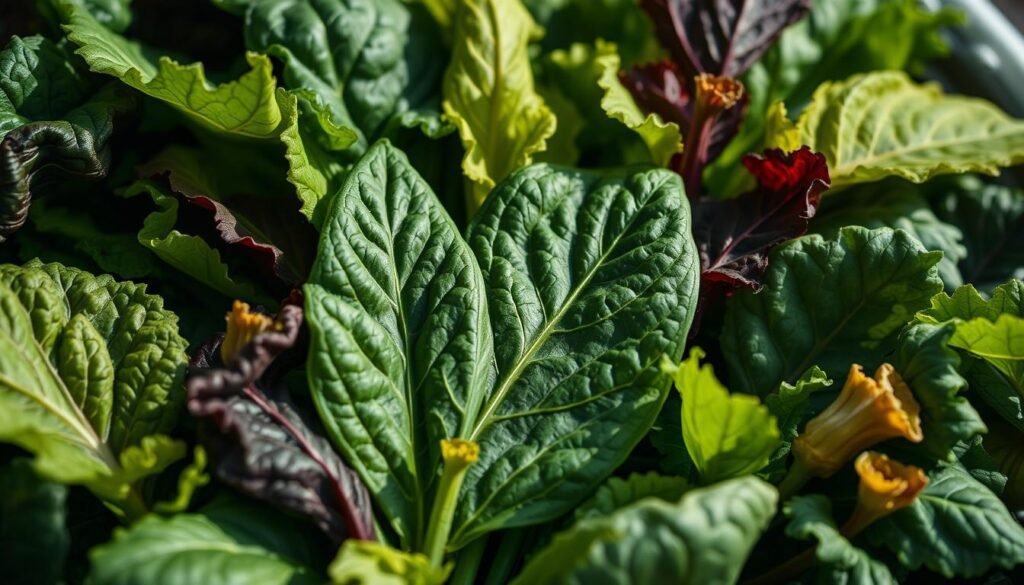
- Leaves: harvest outer broccoli and cabbage greens young. Beet greens work like chard—take a few per plant so the roots stay strong.
- Stems and shoots: slice stems thin on the bias; snip sweet potato tips and remove stringy bits for a silky sauté.
- Blossoms and seeds: add broccoli florets or dandelion blooms at the finish; toast seeds or quick-pickle pods for soup garnish and crunch.
- Flavor balance: cut bitterness with acid (lemon, vinegar), fat (olive oil), and aromatics (garlic, chile).
Simple checks help: if a leaf cracks when bent, skip it. If it folds, cook it. Use cross-looks: broccoli greens braise like cabbage; beet greens stand in for chard; sweet potato tips wilt like spinach. These small steps make every part useful and tasty.
Safety first: smart identification, what to avoid, and how to cook for best results
AI-Overview: Learn quick ID checks and simple hygiene habits to avoid toxic parts and sprayed areas. Follow a few clear rules and you can safely use many garden greens in cooking.
Start with safety: learning quick ID cues keeps your kitchen experiments harmless and tasty.
Never eat regular potato leaves. They contain toxic solanine and can cause illness. Keep this rule in mind when foraging or harvesting from mixed beds.
Distinguish sweet potato vines from potato foliage. Sweet potato leaves are safe; potato leaves are not. Treat tomato leaves as flavor sparingly and with caution.
- Foraging hygiene: pick from clean, unsprayed areas. Avoid public lawns and spots where pets roam.
- Identification habits: check leaf shape, stem color, and flowers before sampling. If unsure, don’t eat it.
- Wild-plant heuristics: skip any with milky sap, spines or fine hairs, strong bitterness, a three-leaf pattern, or an almond-like scent.
Cook new greens briefly with oil or acid to soften fibers and reduce sharp flavors. Start with small portions to test tolerance. Clean pruners between cuts to prevent disease and contamination.
| Risk | Sign | Action |
|---|---|---|
| Toxic foliage | Potato leaves (solanine) | Do not eat; discard or compost separately |
| Sprayed area | Chemical residue, unusual sheen | Avoid harvesting; choose another spot |
| Unknown wild growth | Milky sap or bitter taste | Skip and consult a guide before sampling |
| Safe garden greens | Dandelion young leaves and flower buds | Harvest early and wash thoroughly |
Seasonality and growth tips for U.S. gardens: maximize edible parts, minimize waste
AI-Overview: Knowing when to pick saves both taste and the future yield of your garden. Pick young greens early in spring and rotate cuts through the season so each plant recovers and keeps producing.
Knowing when to pick saves both taste and the future yield of your garden.
Spring through fall: In spring, harvest young dandelion, beet, and turnip leaves before flowers open. Clip beet greens at about 4–6 inches for mild flavor and steady root growth. Early summer is a good time to take select broccoli side leaves while the head matures.
Continuous harvest strategies: Rotate your cutting. Snip the newest, tender leaves from several plants instead of stripping one. For warm-season crops, such as sweet potatoes, snip tips and a handful of leaves, then wait for regrowth before the next cut.
Practical notes: watch flavor changes through the season—early leaves are milder; heat can make greens more peppery. Keep beds weeded and mulched to reduce soil splash and cleaning time. If growth slows, pause cutting for a week to restore vigor.
For more use ideas and growing basics, see root-to-stem cooking tips and a simple guide to growing herb basics.
Zero-waste kitchen ideas: storage, quick recipes, and flavor upgrades
AI-Overview: Keep greens visible and dry in the fridge, then rotate them into fast pestos, sautés, and soup finishes. These steps save money and add bright flavor to everyday food.
Keep washed greens front-and-center so you reach for them first. A clear container with a towel helps fragile leaves last longer.
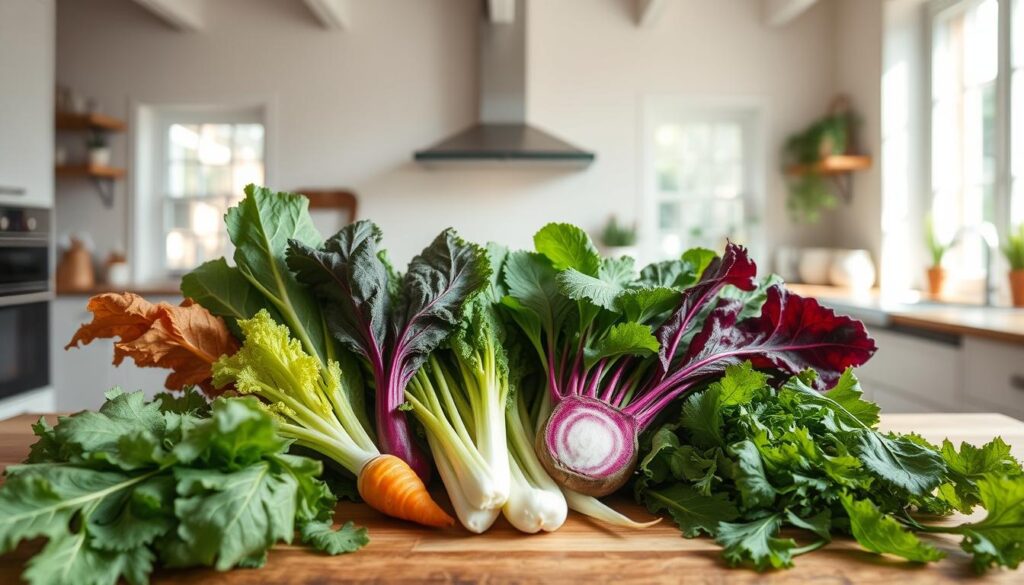
Fridge-to-pan plans: pesto, sautés, and soups that use every edible part
Quick wins: Carrot-top pesto over roasted vegetable or beans makes a fast sauce. Beet greens fold into grains like Swiss chard. Sweet potato leaves wilt into a coconut soup or a weeknight ramen for silky texture.
- Fridge strategy: wash, spin-dry, and store in breathable containers with a towel; cook delicate leaves first and save sturdier ones for later.
- Go-to recipes: carrot-top pesto, beet-green sauté with garlic and lemon, broccoli leaves braised with vinegar and chile, dandelion salad with citrus, sweet potato leaf coconut soup.
- Soup moves: drop chopped leaves into simmering soup in the last 2–3 minutes for color and nutrition without losing texture.
Flavor boosters: how to use greens to add umami and aroma
Use the simple rule: fat + acid + heat. Olive oil, lemon or vinegar, plus a pinch of chile lifts bitter notes into savory food.
Minced robust leaves can boost a tomato pan sauce or stew. Toasted seeds add crunch and nutrition on top of salads or soups.
| Tip | How to use | Quick benefit |
|---|---|---|
| Blanch tough leaves | 60–90 seconds, squeeze dry | Ready for stir-fries, omelets, pastas |
| Keep greens visible | Clear container, towel, fridge front shelf | Less waste, faster meals |
| Cross-plant pairing | A spoon of carrot pesto + broccoli leaves | Anchors a simple dinner with grains or eggs |
For more zero-waste ideas and a deeper guide, see zero-waste cooking. Learn to treat these greens as ingredients, not scraps, and you’ll naturally reduce waste while your dinners get simpler and bolder.
Conclusion
Conclusion
Simple habits turn garden yields into a steady pantry: quick cuts, clean storage, and small finishes make more meals from less waste.
Treat each harvest as a mini pantry. Use leaves, stems, seeds, small roots, and a single flower to add texture and flavor to weeknight dinner.
Keep safety first: harvest young leaves for the best bite, pick from clean, unsprayed sources, and skip regular potato leaves.
Build one habit this week. Rinse and spin greens, stash a jar of carrot-top pesto, or try braised beet greens. Choose one or two vegetables—broccoli or beets are good starters—and watch how many meals a single plant can produce.