
Can small pots really deliver crisp, sweet roots like a backyard garden? If you’ve felt thwarted by rocky soil or deep beds you don’t have, the answer will surprise you.
Compact types thrive where long, pointed forms fail. Nantes, Little Finger, Chantenay, Thumbelina, and Parisian Market suit shallow pots and tight spaces. They avoid common root frustrations in dense soil and give predictable success on patios, steps, or sunny sills.
Match root length to pot depth, use a lightweight mix with good drainage, and pick low-nitrogen organic feed for sweeter texture. Quick-maturing picks like Little Finger put fresh snacks on the table in weeks, while round types tolerate clay or shallow media with less fuss.
Key Takeaways
- Choose compact forms to fit shallow pots and avoid forked roots.
- Pair root length with pot depth for straighter harvests.
- Use a light, well-draining soil mix and low-nitrogen nutrition.
- Pick quick-maturing types for fast snacks and steady rewards.
- These selections make small-space gardening low-maintenance and reliable.
Why Short-and-Stout Carrots Shine in Containers
Short roots fit shallow pots better, giving you straighter, fork-free harvests and faster turnover. Faster maturity also means sweeter flavor during cool spring and fall windows.
Matching root length to container depth prevents roots from hitting a hard bottom and twisting. Compact Nantes with a blunt tip tolerate slightly heavier soil mixes common in pots, which lowers the chance of forked growth.
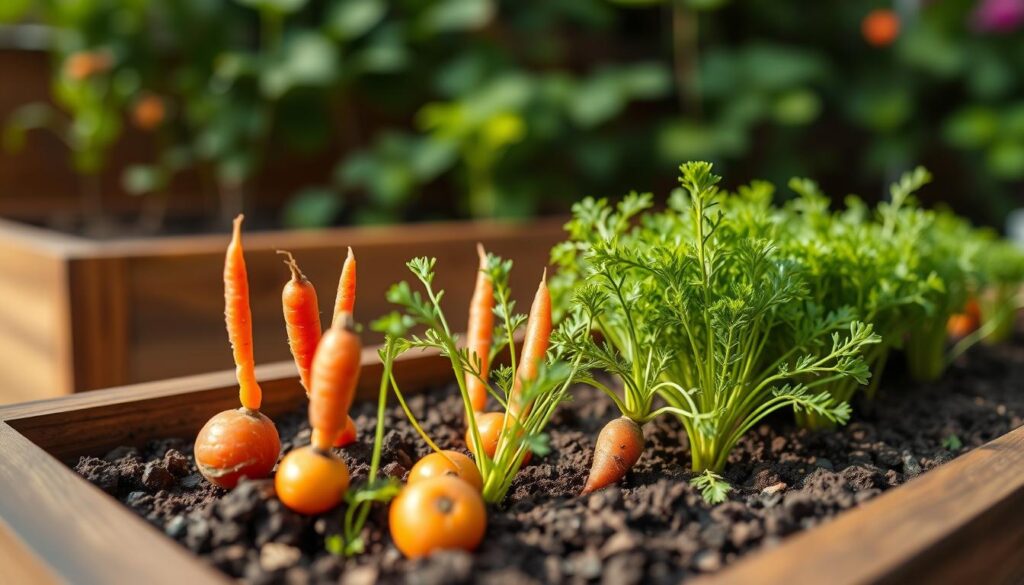
Matching root length to container depth for success
Pick a form whose expected length fits the pot. Mini or round types, like Little Finger, finish in about 55 days, so seeds turn into harvest quickly. That quicker growth reduces time in the soil and improves texture.
Flavor, texture, and harvest advantages in small spaces
Containers warm faster in spring and cool well in fall, keeping sugars high and boosting flavor. Steady moisture in pots helps uniform growth and crisp texture. Positioning containers for light and airflow also cuts soilborne issues and speeds success in urban gardening.
“Choose a root length that matches your pot depth and you’ll avoid most common problems before they start.”
- Quick tip: Match pot depth to expected root length.
- Quick tip: Use a light, stone-free soil mix for straighter roots.
| Type | Typical Days to Harvest | Best Pot Depth |
|---|---|---|
| Little Finger | ~55 days | 6–8 in |
| Nantes (blunt tip) | 60–70 days | 10–12 in |
| Round / Parisian | 50–60 days | 6–8 in |
Short-and-Stout Carrot Varieties That Are Perfect Container
Pick compact types with stout forms and fast maturity for the most reliable pot performance. These choices give uniform texture, easy harvests, and predictable taste.
Little Finger (baby Nantes): quick 55-day snackers for pots
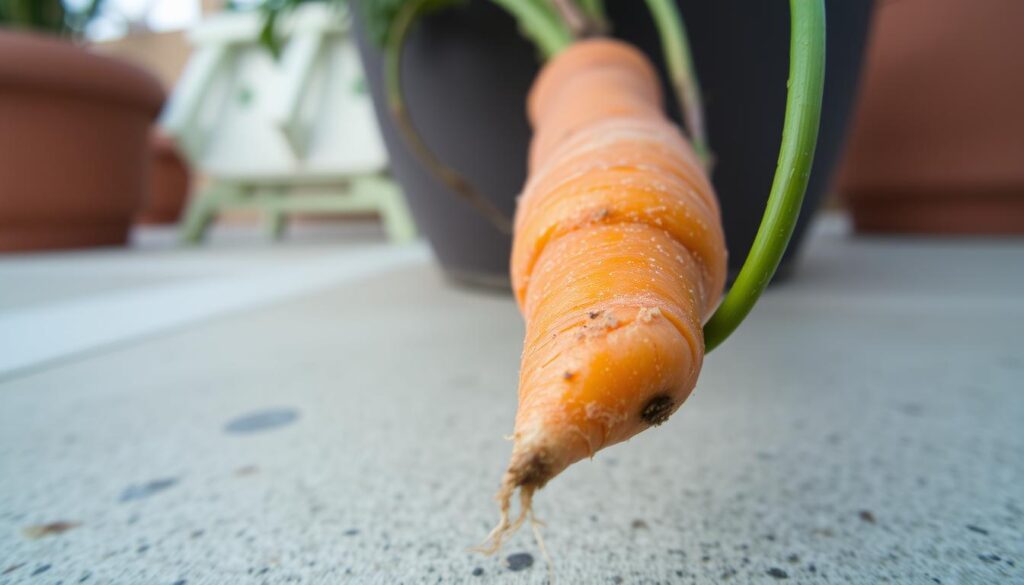
Little Finger reaches roughly 3 inches and finishes in about 55 days. It is sweet, crisp, and ideal for snacking or pickling. This makes little finger a top pick for small-scale gardening.
Nantes types: 6–7 inch blunt-tip roots
Nantes carrots grow 6–7 inches with a blunt tip and tolerate heavier potting mixes. Their cylindrical shape keeps texture steady even in mixed media.
Scarlet Nantes: sweet, tender, richly colored
Scarlet Nantes brings deep color and a tender bite. It offers lycopene plus beta-carotene for a nutrient-forward harvest.
- Chantenay: short, broad-shouldered roots for shallow or clay-like soil.
- Thumbelina: golf-ball-sized and nearly foolproof in pots with rocky soil.
- Parisian Market: compact rounds that mature fast for salads or roasting.
| Selection | Length / Inches | Best Use |
|---|---|---|
| Little Finger | ~3 in | snacking, pickling |
| Nantes (including Scarlet) | 6–7 in | fresh eating, steady texture |
| Thumbelina / Parisian | 2–3 in | tight spaces, quick harvest |
“Choose compact types and you’ll avoid the deep beds grocery standards need.”
Choosing the Right Container: Depth, Width, and Materials
A well-matched pot prevents cramped roots and makes watering far easier. Pick a vessel whose depth fits the root form you want to grow, and balance moisture retention with breathability for steady growth.
Start by sizing the pot to the type of root crops you will grow. Use shallow, wide vessels for mini and round forms. Reserve deeper tubs for longer types so roots stay straight and healthy.
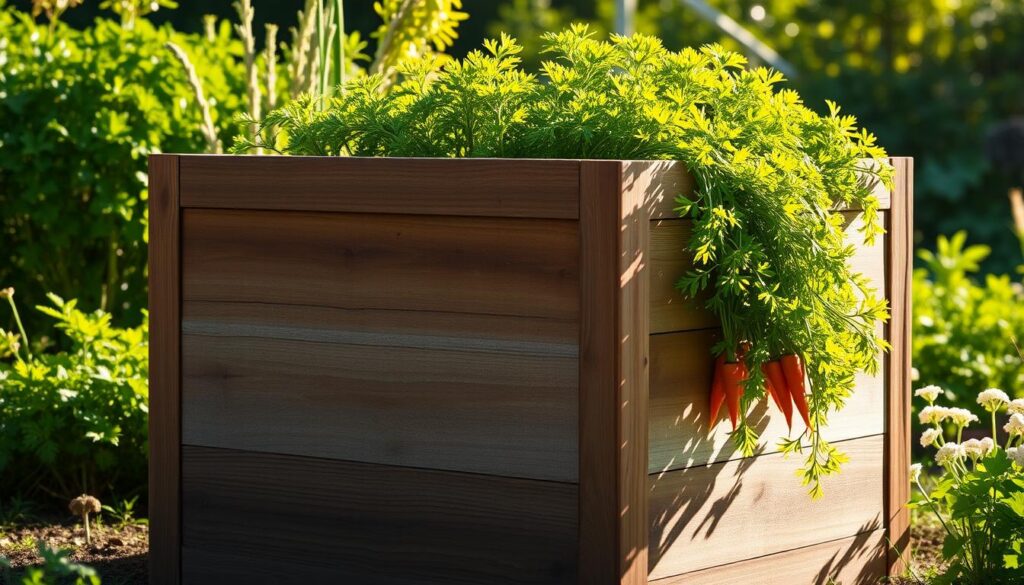
How deep should my pots be?
Mini and round types thrive in 6–8 inches. Standard Nantes and long types need 12–18 inches for good development.
Which materials work best?
- Plastic: Holds moisture and stays light on sunny patios.
- Terracotta: Breathes well and lowers overwatering risk.
- Fabric grow bags: Improve aeration and stop root circling.
How to avoid waterlogging and forked roots
Ensure multiple drainage holes and add a thin layer of coarse sand or gravel at the base so water exits quickly. Keep garden soil to a small fraction of any mix to prevent compaction.
| Type | Depth (inches) | Best use |
|---|---|---|
| Mini / Round | 6–8 inches | Shallow pots, quick harvests |
| Standard Nantes | 12+ inches | Straight long roots |
| Long root crops (Danvers) | 12–18 inches | Deep beds or tall tubs |
“Match depth to root length, and you’ll avoid most common potting problems.”
The Ideal Soil Mix and Organic Nutrition for Container Carrots
Build a light, stone-free soil blend to keep roots straight and smooth. Feed with low-nitrogen, root-supporting amendments for steady growth without excessive tops.
Good soil for potted carrots means light texture, steady moisture, and no stones to block growth.
Start with a high-quality potting mix, then fold in finished compost and coarse sand so carrots lift clean with minimal hairiness. Keep garden soil to a minimum in your blend to avoid compaction and blocked root tips.
Aim for pH 6.0–7.0 to help nutrient uptake and prevent bitterness. Use worm castings for gentle nutrients and beneficial microbes that help seeds and seedlings during early time in the pot.
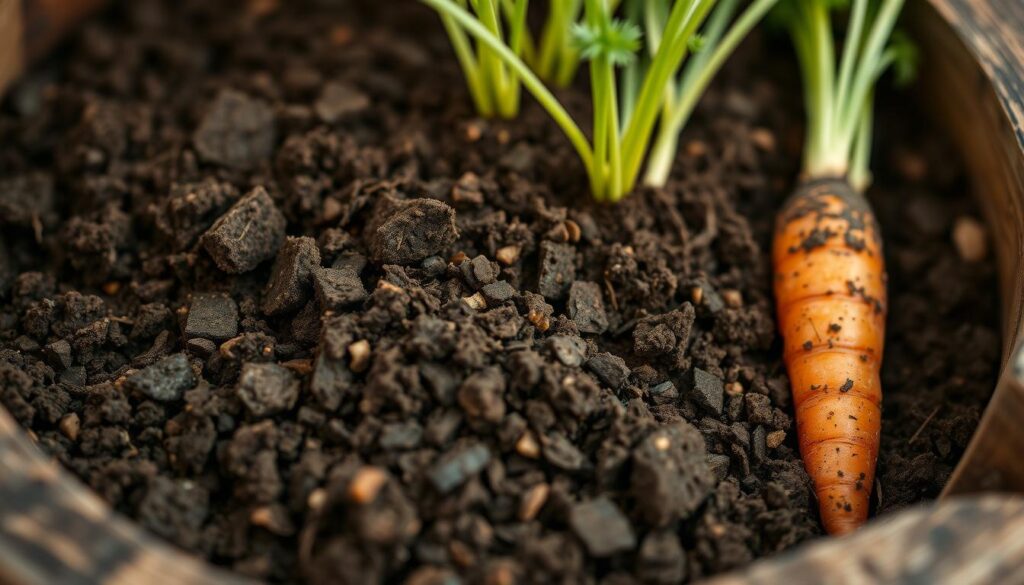
- Mix basics: potting mix + compost + coarse sand for fast drainage and airy texture.
- Amendments: add bone meal for phosphorus to encourage root development and kelp meal for trace minerals.
- Feed smart: avoid high-nitrogen fertilizers that push top growth instead of root size.
- Mulch lightly: a thin cover reduces evaporation and helps roots grow steady in dry spells.
With the best potted herb garden ideas, you can apply similar soil choices across small beds and pots. Choosing right soil and nutrients gives carrots a running start so roots grow straight and flavorful.
Planting and Care: From Carrot Seeds to Crisp Harvest
Sow shallow, keep moisture steady, and thin to 2–3 inches apart for uniform roots. Protect young seedlings with row covers and smart airflow to prevent pest and disease setbacks.
Plant seeds shallow into moist mix and press gently so seed contact is good. Keep the top inch of soil damp until sprouts appear; even moisture helps germination and early growth.
After seedlings show true leaves, thin with scissors when they reach about 2 inches tall. Snip extras rather than tugging to avoid disturbing nearby seedlings. Space remaining plants 2–3 inches so roots grow straight and don’t compete.
How should I water for steady root growth?
Water lightly to keep the surface damp during germination. Once plants emerge, water deeply but less often so roots grow down instead of staying near the surface.
When is best to sow for flavor?
Target spring and fall sowings to hit cool windows. Cooler time boosts sweetness and gives crisp texture at harvest.
How do I keep pests and disease at bay?
- Use floating row covers right after sowing to block carrot root fly.
- Place pots or beds where breeze moves through leaves; avoid overhead watering to limit fungal problems.
- Apply the same routines in raised beds and any container set-up—spacing and steady moisture rule for all root crops.
“Sow shallow, thin early, and water to encourage deep roots—simple steps for reliable harvests.”
Taste, Color, and Storage: Choosing Types for Your Goals
Pick for flavor now or for keeping later—your goal should steer every seed choice. Mix color and form to boost nutrients and plate appeal.
Choose sweet, tender Nantes and Little Finger when you want crisp flavor and snack-ready roots. Nantes carrots deliver a clean, crunchy texture that shines raw, in dips, or quick roasts.

Sweet and crisp fresh-eating picks vs. storage-friendly roots
Pick Nantes and Little Finger for peak flavor and crisp bites. For storage, choose disease-resistant Nantes like Bolero and hold roots cool and humid after harvest so they store well beyond a week.
Colorful options: oranges, reds, and yellows to boost nutrients
Mix Cosmic Purple, Solar Yellow, and Atomic Red for added antioxidants and visual interest. Chantenay works well in denser soil and juices richly; Danvers carrots suit beds or larger tubs with average soil. Avoid grocery-style Imperators in shallow media—their long roots need deeper pots.
- Bold summary: Pick sweet Nantes and Little Finger for fresh snacks, and Bolero for longer keep. Bold summary: Mix purple, yellow, and red to raise nutrients and brighten plates.
- Use Chantenay for modest depth or heavier soil; it fills out and presses well for juicing.
- Match seeds to your goal: fast snacks, colorful mixes for nutrients, or roots you plan to store.
“Choosing right varieties aligns your garden space with taste, storage plans, and the crops cadence you want through the season.”
Conclusion
Choose compact seed selections, match pot depth, and use a light, well-draining mix for steady results. Sow in spring and again for fall, thin to 2–3 inches, and keep moisture even to grow carrots with sweet flavor and crisp texture.
Recap: Pick mini or round types for shallow pots and Nantes for deeper tubs. Prepare a fluffy medium at pH 6.0–7.0 and use low‑nitrogen, organic nutrients to favor root development.
Containers let you garden on a balcony, steps, or slim beds and still raise fresh crops. If you want grocery-style roots like danvers carrots, plan deeper beds; otherwise, short forms give better texture in small pots.
Ready to try? Learn more on how to grow carrots with practical steps in this short guide: how to grow carrots. Sow a pot this weekend and enjoy quick, nutrient-rich harvests at your door.