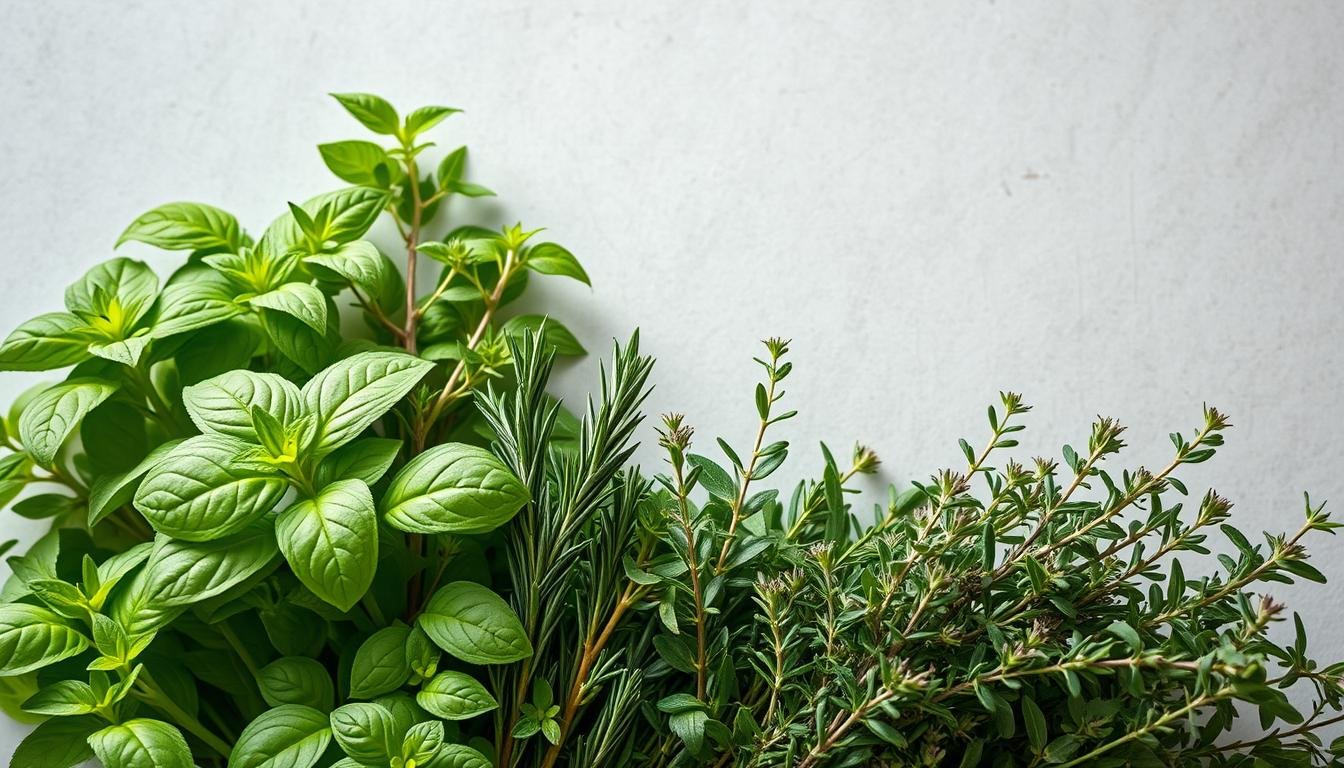
Welcome. If your garden bounty loses its spark when you try to save it, this friendly guide will change how you think about storage.
We’ll show practical methods—from freezing leaves flat to rolling tender stems into little packets, to making oil-based pastes like pesto—that keep color and aroma closer to harvest-day freshness. These approaches often beat traditional drying for delicate plants like basil and cilantro.
You’ll learn when to use each way, how to portion for weeknight meals, and which container suits short or long time horizons. We also cover simple steps to avoid freezer burn and oxidation so your food keeps bright flavor and good texture.
By the end, you’ll feel ready to pick one method and try it with confidence.
Key Takeaways
- Freezing flat or in rolls preserves aroma for quick use.
- Oil pastes lock in color and flavor for sauces and spreads.
- Pantry infusions like herbed salt or honey extend use without freezing.
- Label containers with name and date to avoid waste.
- Choose your method based on what you cook most and how much time you want to spend.
Why skip drying? Keep fresh herb flavor, aroma, and nutrition alive
Drying often softens scent and taste. Choosing gentler options helps keep color, aroma, and useful compounds closer to harvest-day intensity.
Drying reduces volatile oils that carry much of a plant’s personality. A jar of dried herbs rarely smells as lively as fresh cut sprigs. That matters for dishes where bright scent equals bold taste.

Fresh vs. dried: taste, aroma, and nutrient retention
Freezing or suspending greens in oil keeps more aroma-linked compounds than the traditional drying process. Fat-based storage also protects color, so sauces and salads stay vivid.
Which herbs dry well and which don’t?
Tender leaves like basil and cilantro lose potency when dried. They often taste flat afterward.
Woody-stemmed plants such as rosemary, thyme, and oregano make great candidates for air-drying or a dehydrator. Dried, they store well up to a year in an airtight, cool, dark place.
tired dried herbs 5 creative ways preserve
A few easy techniques will help you capture bright flavor right after you cut your greens. These methods keep color, aroma, and taste vivid and make midweek cooking simple.
Aim to act soon after harvest. Bare-freeze clean, dry sprigs on a sheet of parchment paper, then slip frozen bunches into a labeled container or bag. Woody types like rosemary or thyme excel with this method; a quick shake removes loose stems.
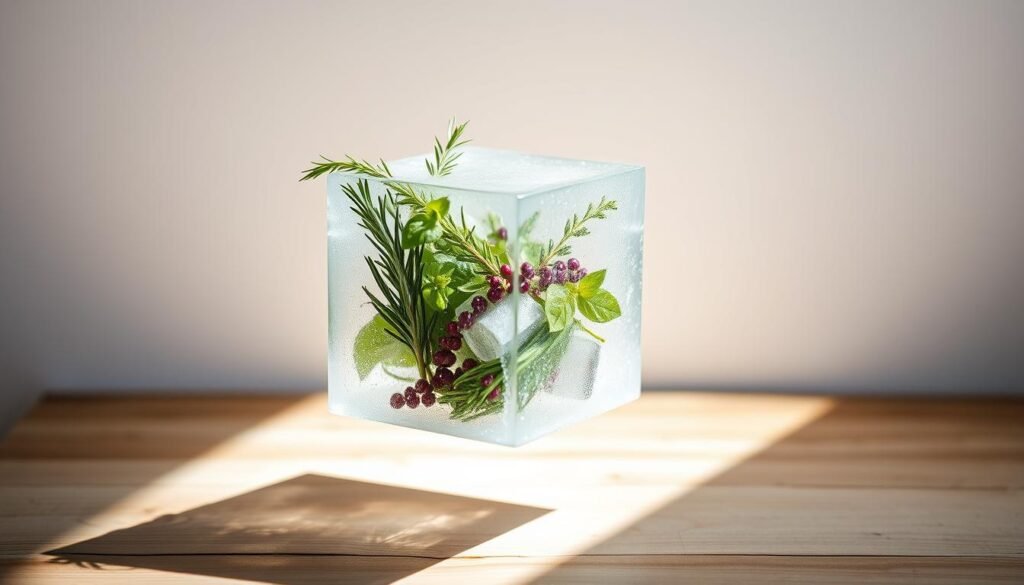
For tender leaves, press them into a zipper bag, roll into a tight “cigar” to push out air, band, and slice off portions as needed. Chopped greens freeze well in ice cube trays: fill trays half-way with water, freeze, then top up and refreeze so each cube locks in color.
- Blend-and-freeze: whip 1 cup fresh greens with 1/4 cup oil into a paste. Freeze in small cube portions — perfect for quick pesto.
- Compound butter: mix soft butter with minced leaves, roll into a log, chill, and slice for instant flavor.
Freezer-friendly methods that lock in fresh flavor for months
Freeze smart right after harvest to lock garden scent and flavor for months. These simple steps keep aroma, color, and taste close to harvest day.

How do I bare-freeze on parchment paper, then bag or jar?
Pat your herbs dry and spread them on a sheet of parchment paper. Freeze until solid so leaves don’t clump.
Transfer frozen sprigs into a freezer bag or jar. Shake rosemary or thyme to strip loose stems.
Why use ice cube trays for single-serve portions?
Chop greens, pack into ice cube trays, then add water or oil. One ice cube is about 1–2 tablespoons—great for soups and sauces.
Once frozen, pop cubes into labeled bags to reduce frost and make cooking quick.
What are “cigar” packs and when should I use them?
Press tender leaves into the bottom of a zipper bag, roll tight to push out air, and secure. Slice portions as needed to avoid waste.
Label each pack with the herb name and date, then store in the coldest part of the freezer for best aroma.
“Freezing protects peak garden taste with simple prep.”
Pantry and fridge infusions that make cooking easier
Pantry infusions are simple and shelf-friendly. Choose light vinegars, sanitize jars, and steep in a cool, dark place for several weeks. Layered salts, sugars, herbal honey, and freezer-friendly oil cubes add instant flavor to everyday meals.
Want fast ways to add garden taste to dressings, roasts, and tea? Start with light vinegars—champagne or white wine work best. Pack clean sprigs into sanitized glass, cover completely with vinegar, cap, and steep in a cool, dark place for 4–6 weeks. Strain and use in vinaigrettes and marinades.

How do I make herbed salt and sugar?
Layer coarse salt or sugar with sturdy leaves, then let the mix air-dry a few days in clean jars. Pulse garlic with salt or nest mint in sugar for baking. Properly dried, these blends keep about a year and brighten simple dishes.
Can herbal honey and infused oil help everyday meals?
Submerge fresh sprigs in mild local honey and steep at least six weeks. The result sweetens tea, glazes, and toast. For oils, follow safety rules: use only dried herbs in sterile bottles, cover completely with oil, or opt for freezer oil cubes to lock in green notes without risk.
Quick tip: Compound butter with minced leaves freezes well for about two months at peak quality. Choose the way preserve that fits your pantry space and daily cooking, then scale the process in small batches.
Safety, storage, and labeling tips to keep herbs at their best
Good storage starts with safety: a few smart steps keep flavor high and risk low. Follow simple rules for oils, jars, freezing, and labeling to protect taste and your family.

How should I handle oil infusions and jars safely?
Safe storage preserves taste and protects your family. Use dried herbs for oil infusions and sterilize glass jars before filling. This lowers the risk of bacterial growth.
Make sure you avoid raw garlic in room-temperature oil unless you follow tested canning procedures.
What should I label and why?
Always label every jar, bag, and cube with the herb name, form, and date. Clear tags help you rotate stock and keep herbs tasting bright.
Where and how long should I store different forms?
Pat greens dry on paper towels and use a parchment paper-lined tray for pre-freeze steps to cut frost. Exclude air from each freezer bag or use a vacuum container.
Store dried leaves in sealed glass in a cool, dark place. Frozen cubes and rolls last several months at best quality; salts, sugars, and dried blends can keep about a year. Vinegars and honey steep for a few weeks for full flavor.
“Simple safety and clear labeling extend flavor and reduce waste.”
Conclusion
Simple steps after harvest help you keep garden-bright flavor, cut waste, and speed weeknight cooking.
Bring your garden’s bright notes into weeknight meals with simple storage habits that actually work. Use frozen cubes, bare-freeze sprigs, tight “cigar” bags, oil-packed pesto, or compound butter to save fresh taste.
For woody-stemmed types, consider drying with a dehydrator or air-drying in a cool, dark place to make great pantry staples that can last a year. Label jars and bags, strip loose stems, and exclude air for best results.
Give infusions a few weeks to peak. Then slice a pat of butter or drop a green cube to finish dinner fast. Want to grow more? learn how to grow herbs and match your storage to your harvest.
FAQ
What’s the quickest method to keep fresh herbs tasting bright without drying them?
Freezing is fast and effective. Lay clean sprigs on parchment-lined trays and flash-freeze, then transfer to airtight bags or jars. For single-serve use, chop herbs and freeze in ice cube trays with a splash of olive oil or water—pop cubes into soups, sauces, or sautés for immediate flavor.
Can I freeze basil or cilantro the same way as rosemary or thyme?
Tender leaves like basil and cilantro need gentler handling. Roll leaves into “cigar” packs to reduce air exposure before freezing, or blitz them into a pesto-like paste and freeze in small portions. Woody herbs like rosemary and thyme freeze well whole on trays.
How long do frozen herb cubes keep their flavor?
Properly frozen herb cubes keep good flavor for about 3–6 months. Use clear, labeled containers and remove as much air as possible. Over time the aroma fades, but they remain safe longer if kept consistently frozen.
Is it safe to store herbs in oil, and how do I prevent botulism?
Oils can harbor Clostridium botulinum if fresh plant material is submerged and stored at room temperature. To be safe, either use dried herbs in oil or store fresh-herb oils in the freezer. Always sterilize jars, label with date, and refrigerate short-term when using fresh leaves.
What’s the best way to make and store herb-infused vinegar?
Use a light vinegar like white wine or apple cider, add fresh herbs to a clean jar, cover fully with vinegar, and steep in a cool, dark place for 1–4 weeks. Strain, bottle, and label. Infused vinegars last many months when kept away from heat and light.
How do I make herbed salt or sugar, and how long will it last?
Chop herbs finely, gently mix with coarse salt or granulated sugar, spread thin on parchment to dry a few days, then store in airtight jars. Properly dried and stored, herbed salt or sugar can retain flavor for up to a year.
Can I freeze pesto or compound butter made with fresh herbs?
Yes. Freeze pesto in ice cube trays or small containers for easy portioning. Compound butters freeze well too—shape into logs, wrap tightly in parchment and foil, and slice as needed. Both keep flavor better when wrapped airtight and used within 3–4 months for peak taste.
How should I label frozen herb portions and pantry infusions?
Use waterproof labels or masking tape and a permanent marker. Note the herb name, method (oil, water, pesto), and date. This prevents guesswork and helps you rotate older supplies first.
Are there herbs that don’t respond well to freezing or infusing?
Extremely delicate herbs like chervil and some edible flowers lose texture and visual appeal when frozen. Celery leaves and dill can become limp but still work for cooked dishes. For fresh salads and garnishes, reserve freshly harvested leaves.
What storage containers work best for long-term flavor preservation?
Use airtight glass jars, vacuum-sealed bags, or freezer-safe plastic containers. For frozen portions, remove excess air and choose opaque or dark containers for pantry infusions. Keep items in a dark, cool spot—freezer for frozen goods; pantry or fridge for vinegars and honey.
How can I prevent freezer burn and loss of aroma in herb cubes?
Freeze on trays first to lock shape, then transfer to properly sealed containers. Use heavy-duty freezer bags, press out air, or vacuum-seal. Wrapping herb logs or butter in parchment and foil adds extra protection against cold-air exposure.
What safety steps should I follow when storing herb-infused products long-term?
Sterilize jars for preserves and infusions, keep oils with fresh herbs frozen or use dried herbs in oil, label everything, and follow recommended fridge or freezer timelines. When in doubt, discard if scent, color, or texture seems off.