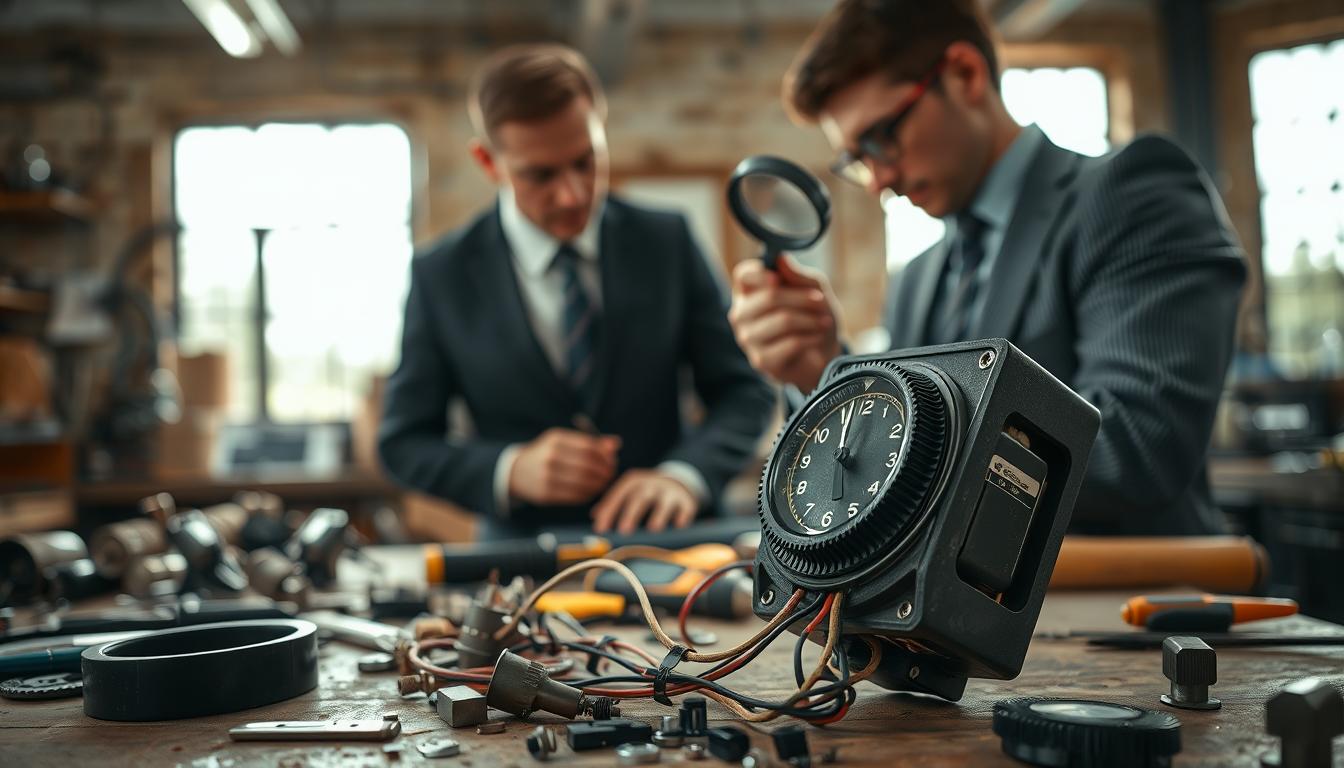
Dryer stops mid-cycle on hot days? Start with heat and airflow before blaming the timer. A dryer that runs fine in cooler conditions but stalls in afternoon heat often has restricted venting, an overloaded drum, a weak thermostat, a motor that is overheating, or an electrical issue that becomes worse as temperatures rise.
Safety first: unplug the dryer before opening panels or touching internal parts. Stop troubleshooting and call a qualified appliance technician if you smell burning, see melted plastic, notice scorched wiring, or the breaker keeps tripping.
A dryer timer that stops is often a symptom. The safer first step is to find out whether the dryer is overheating, losing airflow, or losing power before replacing parts.
Quick answer
A dryer timer may stop mid-cycle on hot days because the machine is reaching its heat limit faster than usual. Poor airflow, lint buildup, a crushed vent hose, a clogged outside vent, a weak cycling thermostat, a tripped thermal fuse, motor overheating, or a failing timer/control component can all make the cycle pause or stop.
Check the easy and safer causes first: lint filter, outside vent flow, power, breaker, door latch, and load size. Move to thermostat, fuse, motor, timer, or control-board checks only after airflow and safety issues are ruled out.
Key takeaways
- Heat and airflow are the first suspects when a dryer stops more often on hot afternoons.
- A stuck timer does not always mean a bad timer. Thermal protection or poor airflow can make the cycle look frozen.
- Clogged venting is a safety issue, not just a drying-time problem.
- Door switches, breakers, and power cords can mimic timer failure.
- Burning smells, scorched wiring, repeated breaker trips, or unclear electrical readings are reasons to stop and call a technician.
Start with safe checks before opening the dryer
Before you test parts, confirm what the dryer is actually doing. The timer may be frozen, the drum may have stopped, the display may be blank, or the dryer may tumble without advancing through the cycle. Each symptom points in a slightly different direction.
Give the dryer time to cool if it stopped during a heavy load. Heat-related shutoffs can reset after the motor or safety device cools, which is why the dryer may restart later and then fail again.
What to check first
| Quick check | What it may show | Safer next step |
|---|---|---|
| Power reset | Blank display, frozen countdown, or temporary electronic glitch | Unplug for a few minutes, reconnect, then try a short cycle |
| Breaker and outlet | Loose power, tripped breaker, or intermittent shutoff | Check the breaker and cord; avoid using a damaged outlet or cord |
| Door latch and switch | Dryer stops when the door is jiggled or does not click firmly | Inspect the latch; test the switch only with power disconnected |
| Load size | Stops during heavy towels, bedding, or packed loads | Reduce the load and run a short test after the motor cools |
| Lint filter and outside vent | Weak exhaust, hot cabinet, or clothes staying damp | Clean lint buildup and confirm air is moving outside |
If the dryer runs normally after a lighter load or better airflow, the timer may not be the failed part. The dryer may have been shutting down to protect itself from heat.
Why hot weather can make the problem worse
Hot weather raises the starting temperature around the dryer. If the laundry room, garage, or utility area is already warm, the dryer has less room to shed heat. A vent restriction that was only annoying in cooler weather can become enough to trigger a shutdown on a hot day.
Dryers depend on steady airflow. Air moves through the drum, lint screen, blower, vent hose, wall duct, and outside hood. A restriction anywhere along that path can trap heat and moisture inside the machine.
Check the vent path
- Clean the lint filter before every load.
- Look behind the dryer for a crushed, kinked, or overly bent vent hose.
- Check the outside vent hood while the dryer is running.
- Make sure the exterior flap opens freely.
- Watch for longer dry times, unusually hot clothes, or weak airflow outside.
A simple pattern can be useful: if the dryer behaves better early in the morning but stops again during hotter parts of the day, heat and ventilation should be checked before replacing electrical parts.
Common causes of a dryer stopping mid-cycle on hot days
The most common causes usually fall into two groups: heat/airflow problems and electrical/control problems. Start with the first group because it is common, easier to check, and tied closely to fire safety.
Clogged venting or lint buildup
Lint buildup restricts airflow and traps heat. This can make the dryer cabinet feel hotter than normal, leave clothes damp after long cycles, and cause the dryer to stop before the load is finished.
Do not assume the vent is clear just because the lint screen is clean. Lint can collect in the vent hose, wall duct, exterior hood, or around the flap outside.
Weak or failing cycling thermostat
The cycling thermostat helps regulate drum temperature. If it does not sense or cycle correctly, the dryer may heat unevenly, pause, or fail to advance through parts of the cycle as expected.
This is a part-testing step, not the first step. Confirm airflow first, because poor venting can make a good thermostat look like part of the problem.
Thermal fuse or high-limit thermostat issue
The thermal fuse and high-limit thermostat are safety parts. They are designed to interrupt operation when temperatures climb too high. If one trips or fails, the dryer may stop heating, stop running, or refuse to complete a cycle.
If a thermal fuse is blown, replacing it without fixing the overheating cause can lead to the same failure again.
Motor overheating or overloaded drum
A packed drum makes the motor work harder and reduces airflow through the load. On hot days, that extra stress can push the motor into thermal protection. The dryer may stop, cool down, and then restart later.
Try a smaller load. If the dryer only stops under heavy loads, motor stress and airflow through the load may be part of the issue.
Timer, wiring, or control-board failure
If airflow is strong and the dryer still stops in a repeatable pattern, the timer motor, wiring connectors, or electronic control board may be involved. Heat can worsen loose contacts, worn timer parts, tired relays, or weak solder joints.
Do not do live-voltage testing unless you are trained to do it safely. With the dryer unplugged, a visual inspection may show loose terminals, corrosion, melted plastic, or scorched connectors. Any burn mark or burning odor is a stop point.
Symptom guide
| Symptom | Likely area to check | What to do next |
|---|---|---|
| Clothes are hot but still damp | Airflow, vent hose, outside vent | Clean and inspect the full vent path |
| Dryer stops, then works after cooling | Motor overload, heat buildup, heavy load | Reduce load size and check airflow |
| Timer freezes but dryer still has power | Thermostat, timer motor, control path | Check airflow first, then test components with power removed |
| Breaker trips or power cuts out | Electrical supply, wiring, motor, shorted part | Stop repeated resets and call a technician if it happens again |
| Burning smell or melted connector | Wiring, control area, overheated component | Unplug the dryer and call a technician |
How to troubleshoot without replacing the wrong part
Work in order. A dryer can show timer symptoms even when the root cause is airflow, heat, power, or a door switch. Replacing the timer first can waste money if the dryer is actually shutting itself down from overheating.
Use a simple troubleshooting order
- Unplug the dryer and let it cool.
- Clean the lint filter and check the outside vent airflow.
- Inspect the vent hose for kinks, crushing, or lint restriction.
- Reduce the load size and run a short test cycle.
- Check the breaker, outlet, cord, and door latch.
- Only then move to continuity checks on the door switch, thermal fuse, thermostat, or timer contacts.
A basic continuity test should be done only with the dryer unplugged. If you are not sure which terminals to test, or the wiring diagram is unclear, stop there. Guessing around dryer wiring is not worth the risk.
Testing the timer carefully
A timer test usually means checking continuity between the correct terminals while slowly rotating the dial. If continuity does not change where the wiring diagram says it should, the timer mechanism or contacts may be faulty.
Timer behavior varies by dryer model and cycle type, so avoid assuming every stuck timer has the same cause. Some dryers depend on heat or thermostat cycling to advance properly.
Testing the door switch
A weak door switch can make the dryer act as if the cycle stopped. With power disconnected, the switch can be checked for continuity while pressed or while the door is closed.
If the latch is loose or the switch does not engage every time, fix that before chasing harder electrical problems.
When no-heat and timer problems happen together
No heat can affect cycle behavior on some dryers. A failed heating element, blown thermal fuse, or bad thermostat can leave the dryer running without drying properly, and the timer may not behave as expected.
Still, airflow comes first. A clogged vent can cause overheating, damage safety parts, and make the timer seem like the main issue when it is not.
When to stop DIY troubleshooting
Some checks are reasonable for careful homeowners. Others should be handled by a trained appliance technician, especially when heat damage or electrical faults are possible.
Stop and get help if you notice any of these:
- Burning smell during or after a cycle
- Melted plastic near the control panel or wiring
- Scorched connectors or discolored terminals
- Repeated breaker trips
- Motor hums, overheats, or will not restart reliably
- Control board corrosion, relay chatter, or random resets
- Any test that requires live-voltage diagnosis
Repeated shutdowns are not something to ignore. A dryer that keeps overheating needs the cause fixed, not just another reset.
FAQ
Why does my dryer stop more often on hot afternoons?
Hot weather raises the dryer’s starting temperature, so restricted airflow or a weak part can trigger overheating faster. Check lint buildup, vent flow, load size, and the outside vent before replacing parts.
Does a stuck timer always mean the timer is bad?
No. A stuck or frozen timer can be caused by overheating, poor airflow, a door switch issue, a thermostat problem, or a control issue. The timer should be tested only after simpler causes are ruled out.
Should I unplug the dryer when it stops mid-cycle?
Yes. Unplugging the dryer is the safer first step before inspection. It also gives an overheated motor or safety device time to cool before a short test cycle.
Can a clogged dryer vent stop the cycle?
Yes. A clogged vent can trap heat inside the dryer and trigger safety protection. It may also leave clothes damp, make the cabinet feel hot, and extend drying times.
Can an overloaded dryer make the motor shut off?
Yes. Heavy loads make the motor work harder and reduce airflow through the drum. If the motor overheats, it may stop until it cools.
When should I call a technician?
Call a technician if you smell burning, see scorched wiring, find melted connectors, have repeated breaker trips, or are unsure about electrical testing. Live-voltage testing and control-board diagnosis should not be guessed through.
Conclusion
When a dryer stops mid-cycle on hot days, check heat and airflow first. Clean the lint filter, inspect the vent hose, confirm outside exhaust flow, reduce heavy loads, and watch whether the dryer runs better after cooling.
If the problem continues after basic safety and airflow checks, the cause may be a thermostat, thermal fuse, motor overload, timer motor, wiring connector, or control-board fault. Keep electrical testing limited to safe, power-off checks unless you are trained for more.
The safest takeaway is simple: do not keep resetting a dryer that repeatedly overheats or trips power. Find the cause, clear the airflow path, and bring in a technician when the signs point beyond basic maintenance.