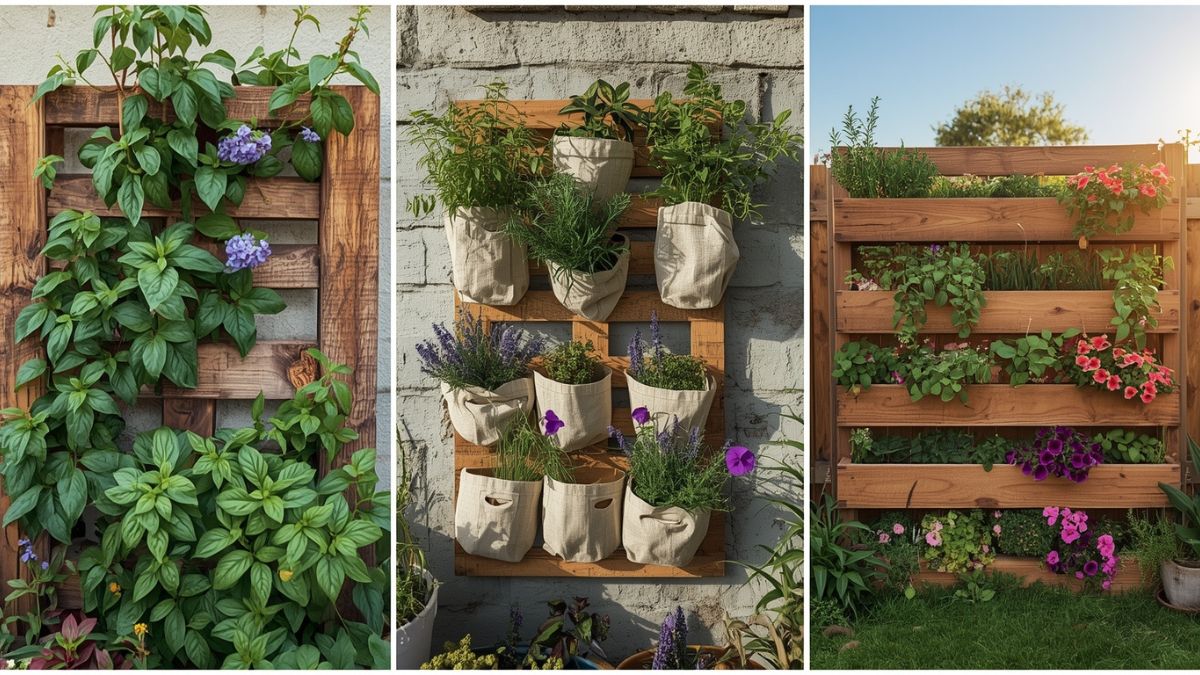
Is there anything more satisfying than stepping onto your balcony to snip fresh basil for your pasta, or slicing into a sun-warmed tomato you grew yourself? For many people with limited space, this dream can feel out of reach. But what if I told you that a lush, productive garden doesn’t require a sprawling backyard? You just need to look up.
Vertical gardening is a game-changer for anyone with a small patio, a tiny balcony, or even just a sunny wall. It’s a simple concept: instead of planting out, you plant up. This approach turns limited square footage into a thriving green space. Don’t worry if you’re new to this. We’ll walk you through everything, step-by-step, so you can get straight to the delicious rewards.
Here’s what you’ll learn:
- The key benefits of growing a vertical garden.
- How to choose the right vertical system for your space and budget.
- The best vegetables, herbs, and flowers for growing upwards.
- A simple, four-step guide to setting up your first vertical garden.
- Essential tips for watering, feeding, and maintaining your high-rise harvest.
- Answers to common questions about getting started.
Why Go Vertical? The Surprising Perks of Growing Up
Growing up instead of out has some wonderful advantages, especially for city dwellers and those with small yards.
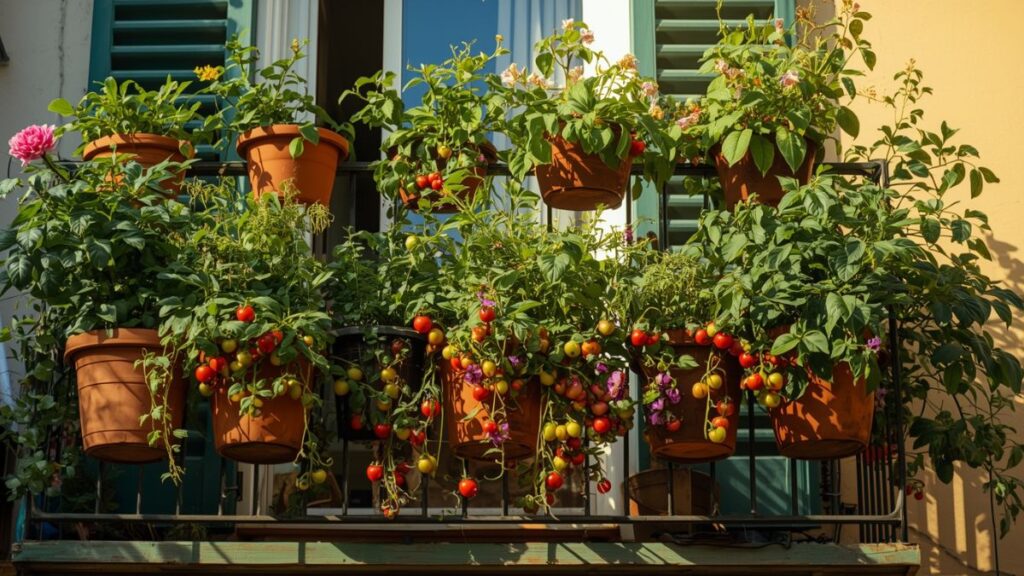
First, the space-saving benefit is huge. You can grow a surprising amount of food or flowers in just a few square feet of ground space. A bare wall can become a living pantry, and a small balcony can feel like a lush oasis.
Second, vertical gardens are often easier to maintain. Since the plants are elevated, you’ll do a lot less bending and kneeling, which can be a real back-saver. This accessibility makes gardening possible for people with mobility challenges.
Finally, you’ll likely deal with fewer pests and diseases. Raising your plants off the ground makes it harder for soil-dwelling critters like slugs and cutworms to reach them. Plus, the improved air circulation around the leaves helps prevent common fungal issues.
Finding Your Fit: A Guide to Vertical Gardening Systems
Vertical gardening systems range from simple, traditional structures to modern, all-in-one kits. Choosing the right one depends on your space, budget, and what you want to grow.
Simple & Sturdy: Trellises and Towers
The most basic form of vertical gardening involves giving vining plants something to climb. A trellis—a simple framework of wood or metal—is perfect for plants like cucumbers, pole beans, and climbing peas. You can lean one against a wall or fence. Towers or obelisks are freestanding structures that you can place in a large pot, providing a central support for plants to spiral around.
Modern & Modular: Wall Pockets and Panels
These are some of the most popular options for creating a “living wall.” Wall pockets are fabric or plastic containers with openings for you to plant in. You hang them directly on a wall or fence. They are fantastic for growing individual herbs, lettuces, and flowers. Panel systems are often modular, allowing you to click together multiple sections to cover a larger area. They have built-in cells or slots for plants and sometimes include an integrated irrigation system.
Creative & Cost-Effective: DIY & Repurposed Ideas
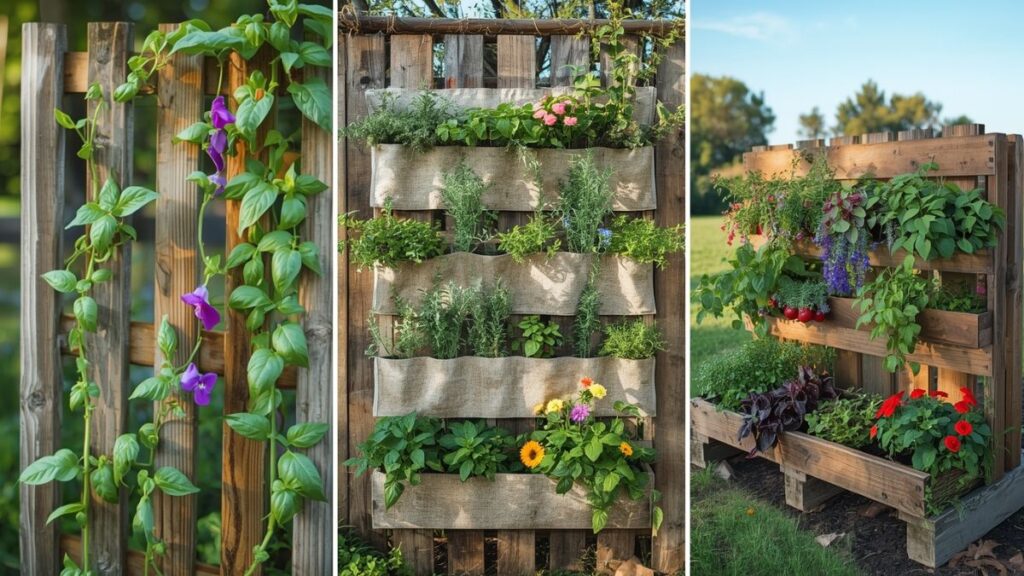
You don’t need to buy a fancy kit to start a vertical garden. With a little creativity, you can repurpose everyday items.
- Wooden Pallets: Stand a pallet upright, staple landscaping fabric to the back and bottom of the slats to create pockets, and fill with soil. It’s a rustic and effective planter for strawberries and herbs.
- Gutters: Mount sections of rain gutters to a wall or fence. Drill drainage holes, fill with soil, and you have a perfect shallow bed for lettuces, spinach, and other greens.
- Ladders: An old wooden ladder can be a charming and functional plant stand. Place pots on each step to create a tiered effect.
The Best Plants for Your High-Rise Garden
While you can try growing almost anything vertically, some plants are better suited for it than others. Look for compact or vining varieties.
For vining plants, you’ll provide support. For pocket planters, you’ll want plants with smaller root systems. Here’s a quick guide to some of the best choices.
| Plant Type | Recommended Varieties | Best System Type |
|---|---|---|
| Vegetables | Pole Beans, Cucumbers, Peas, Small Tomatoes (Solanum lycopersicum), Peppers | Trellises, Towers, Large Pockets |
| Leafy Greens | Lettuce (leaf varieties), Spinach, Kale, Swiss Chard | Pockets, Gutters, Pallets |
| Herbs | Basil, Mint, Parsley, Chives, Thyme, Oregano | Pockets, Gutters, Small Pots |
| Fruits | Strawberries, Alpine Strawberries | Pockets, Pallets, Towers |
| Flowers | Petunias, Impatiens, Nasturtiums, Verbena, Portulaca | All Systems |
Your Step-by-Step Guide to Getting Started
Ready to build your own vertical garden? It’s easier than you think. Follow these four simple steps.
- Find the Right Location: Most vegetables and flowers need at least six hours of direct sunlight per day. Observe your balcony, patio, or wall throughout the day to find the sunniest spot. Make sure the location is near a water source.
- Select Your System: Based on your location and what you want to grow, choose your vertical system. If you’re starting out, a simple trellis for a pot of beans or a pre-made wall pocket planter are great choices.
- Prepare Your Soil and Plants: Vertical gardens dry out faster than traditional beds, so your soil choice is important. Use a high-quality potting mix, not garden soil. Potting mixes are lighter and retain moisture better. I like to mix in a handful of perlite for extra drainage and compost for added nutrients.
- Planting and Assembly: Assemble your system according to its instructions. Fill the pockets or containers with your prepared potting mix. Gently remove your plants from their nursery pots, loosen the roots, and place them in their new home. Water them thoroughly right after planting to help them settle in.
Keeping Your Garden Thriving: Essential Care Tips
A vertical garden needs a little regular attention to flourish. Watering is the most important task.
“Because the volume of soil is small and exposed to air, vertical gardens dry out very quickly. On hot, windy days, you may have to water once a day.” — University of New Hampshire Extension
Watering Your Vertical Garden
Check the soil moisture daily by sticking your finger about an inch deep. If it feels dry, it’s time to water. Water in the morning so the plants have moisture to draw on during the heat of the day. Water thoroughly until you see it run out of the bottom drainage holes. For pocket systems, water the top pockets first, as excess water will drip down to the lower levels.
Feeding and Fertilizing
The frequent watering needed for vertical gardens can wash nutrients out of the soil more quickly. To keep your plants healthy and productive, you’ll need to feed them regularly. Use a balanced, water-soluble fertilizer every 2-4 weeks during the growing season. Follow the package directions for the correct dosage.
Managing Pests and Problems
One of the great things about vertical gardens is that they have fewer pest problems. However, you should still keep an eye out for common issues like aphids or spider mites. If you spot any, you can often wash them off with a strong spray of water. For persistent problems, an insecticidal soap is a safe and effective solution.
Key Takeaways
- Vertical gardening saves space and makes gardening more accessible.
- Choose a system that fits your space, from simple trellises to pocket planters.
- Select plants suited for your system, like vining crops or compact herbs.
- Use a high-quality potting mix and place your garden in a sunny spot.
- Water frequently, as vertical gardens dry out quickly.
- Feed your plants every few weeks to replace nutrients washed from the soil.
Starting a vertical garden is a fun and rewarding project that brings fresh food and beautiful flowers to the smallest of spaces. Give it a try—you’ll be amazed at how much you can grow.
Frequently Asked Questions (FAQ)
1. How much weight can my wall or balcony support? This is a critical safety question. A fully watered vertical garden can be very heavy. If you’re hanging a large system on a wall or fence, make sure it’s structurally sound and use appropriate heavy-duty hardware. For balconies, check your building’s regulations or consult with a professional if you plan to install a very large or heavy setup.
2. Can I grow root vegetables like carrots or potatoes? It’s challenging. Most vertical systems don’t provide the soil depth needed for long root vegetables. However, some specialized “potato bags” or very deep pocket systems can work. For beginners, it’s best to stick with leafy greens, herbs, and vining plants.
3. Do I need a special irrigation system? For most small- to medium-sized vertical gardens, hand-watering is perfectly fine. If you have a very large living wall or travel frequently, you might consider a drip irrigation system with a timer. These systems deliver water slowly and directly to the plant roots, which is very efficient.
Sources
- University of New Hampshire Extension, “Vertical Gardening”
- Purdue University Extension, “Vertical Gardening for Home Gardeners”
- University of Florida IFAS Extension, “Vertical Gardening”
- Iowa State University Extension, “Container Vegetable Gardening”