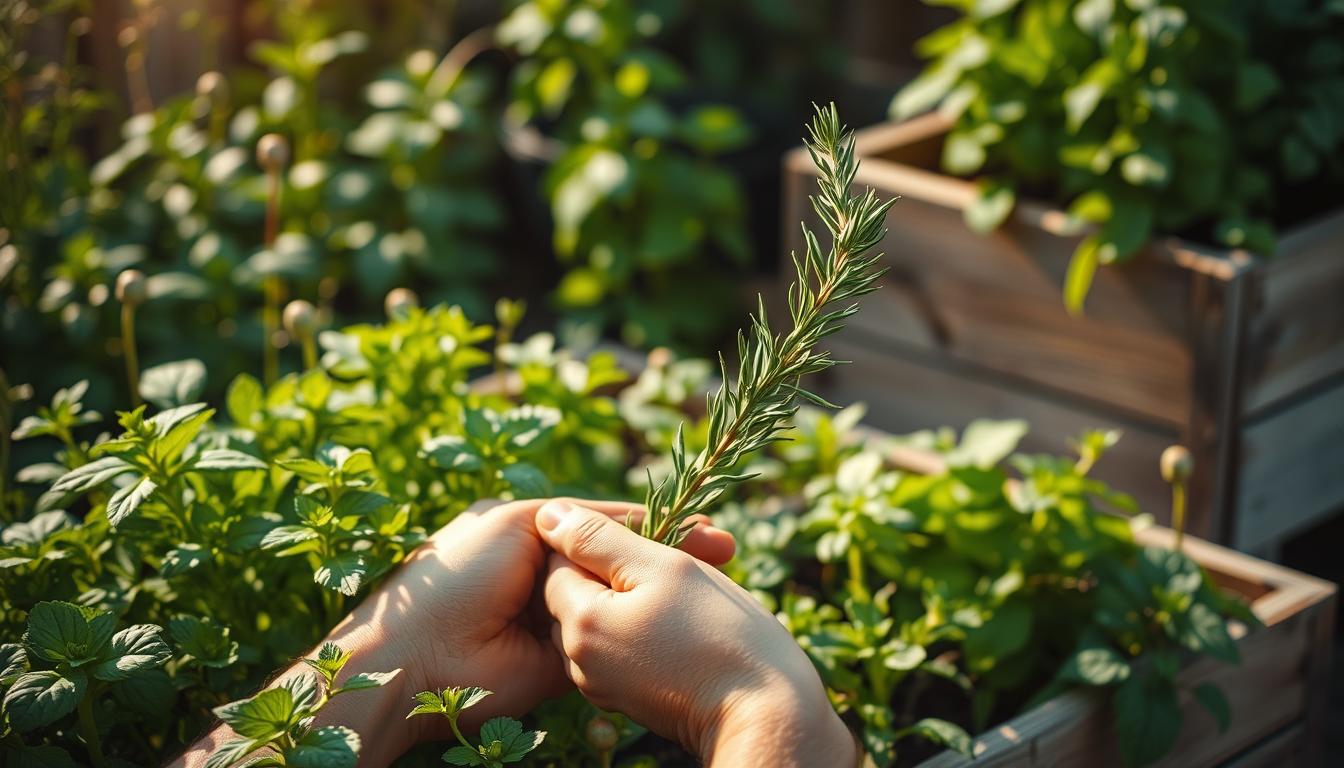
Think a quick snip can’t hurt? Many gardeners clip too low or strip too many leaves and then wonder why growth stalls. This guide shows exact cutting points, what to leave, and how to keep flavor strong.
Clear, visual tips explain pruning moves that stress a plant if done wrong. Simple diagrams and close-up cues make it easy to spot risky cuts at a glance.
The guide covers timing, node clipping, and which leaf bits to avoid removing from the base. Expect quick fixes for patio pots and garden beds that protect yields and taste.
Whether starting a first container or tending a seasoned bed, the routine here prioritizes health, repeat harvests, and steady growth. Save this short checklist before the next snip.
Key Takeaways
- Cut at nodes and leave healthy growth points to boost production.
- Avoid stripping lower leaves that slow recovery.
- Time harvests so flavor and yield stay strong.
- Use short, consistent routines for pots and beds alike.
- Spot stress signs early and apply simple fixes the same day.
Why this “Mistakes to Avoid” guide matters for a thriving herb garden
A single wrong snip at harvest often costs a season of strong regrowth. Bold, simple takeaways help avoid small harvest mistakes that cause big losses. Learn where to cut and when to stop so the herbs rebound quickly.
A clear, visual approach helps gardeners spot one common mistake that can set plants back for weeks. It shows how heat, wind, and drought change the right time to clip.
We link gentle cutting with plant energy use so herb gardening choices support steady regrowth. Expect practical steps that pay off fast: fuller garden pots, thicker stems, and better flavor.
Learn to read signs before harvest. Spot firmness, leaf color, and new nodes so the next harvest helps instead of hurts.
“Clip to encourage, never to strip.”
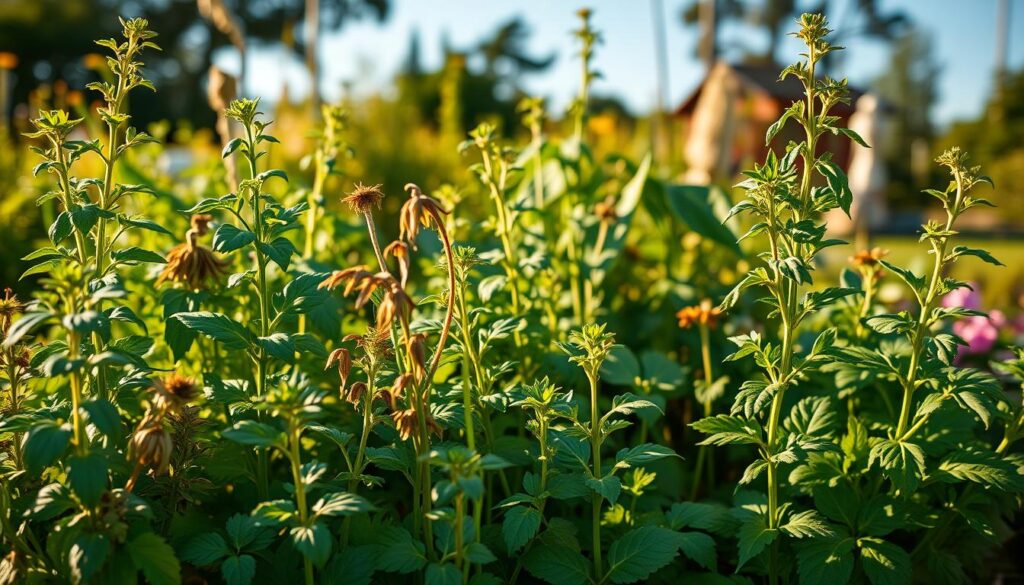
are you accidentally harming your herb plants at harvest?
Harvest from the tops, not the base, and clip just above a node to trigger stronger branching. Pinch flower buds early to keep flavor and leaf production high.
Where a cut lands decides if a bush fills out or grows tall and weak. Always favor tip harvesting over bottom picking.
Taking leaves from the bottom plant vs. from the tips: the right way
Taking leaves wrong often means stripping large lower foliage. Those big leaves act as solar panels. Leave them to power recovery and stem thickening.
The correct way is taking leaves and tender stems from the top. That encourages branching and denser new growth.
Cut above vs. below a node: how new growth responds
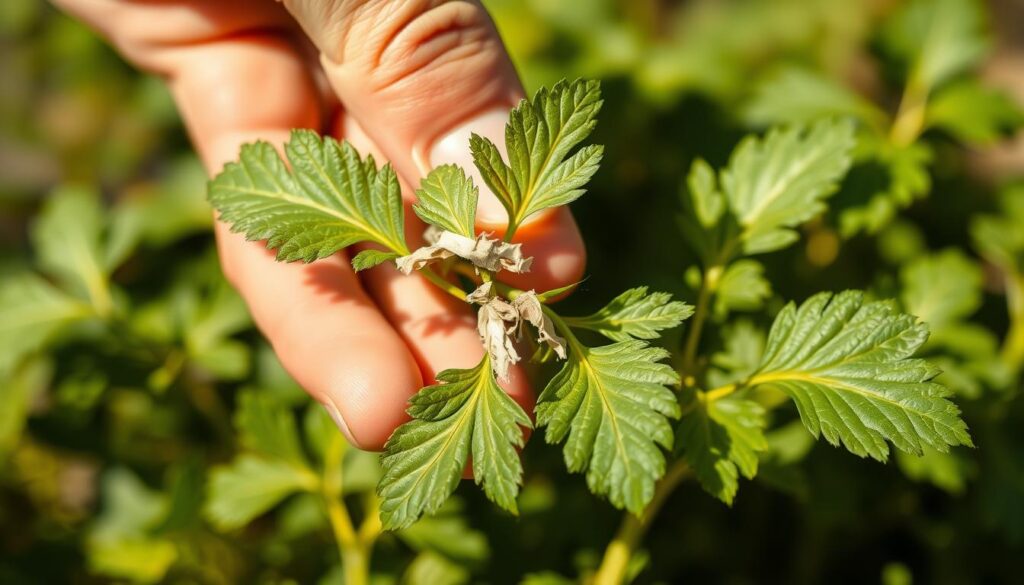
Clip just above a node where a leaf meets the stem. That cut encourages two stems and a neat “V” of new growth.
Cutting below a node removes future growth points. Repeated below-node cuts cause tall, floppy stems and weak structure.
Letting herbs flower too soon reduces flavor and leaf production
Pinch flower buds as soon as they appear. Flowering shifts energy to seeds and lowers flavor and leaves.
For basil, give the first trim at 3–4 inches above soil. Early, regular pruning builds a sturdy frame for frequent tip harvests.
| Common Mistake | Why it harms the plant | Correct action |
|---|---|---|
| Bottom picking | Removes large lower leaves that fuel recovery | Harvest from tips; preserve lower foliage |
| Cutting below node | Eliminates future buds and branching points | Cut just above node to form a “V” of new growth |
| Letting flowers set | Diverts energy to seeds; reduces flavor | Pinch flower buds early; cut back spikes |
“Clip to encourage branching, not to strip energy.”
Pruning patterns that stunt growth instead of boosting it
Early shaping prevents lanky stems and yields more harvestable tips. Prune young shoots often to direct growth into branching. Short, regular cuts keep foliage dense and steady.
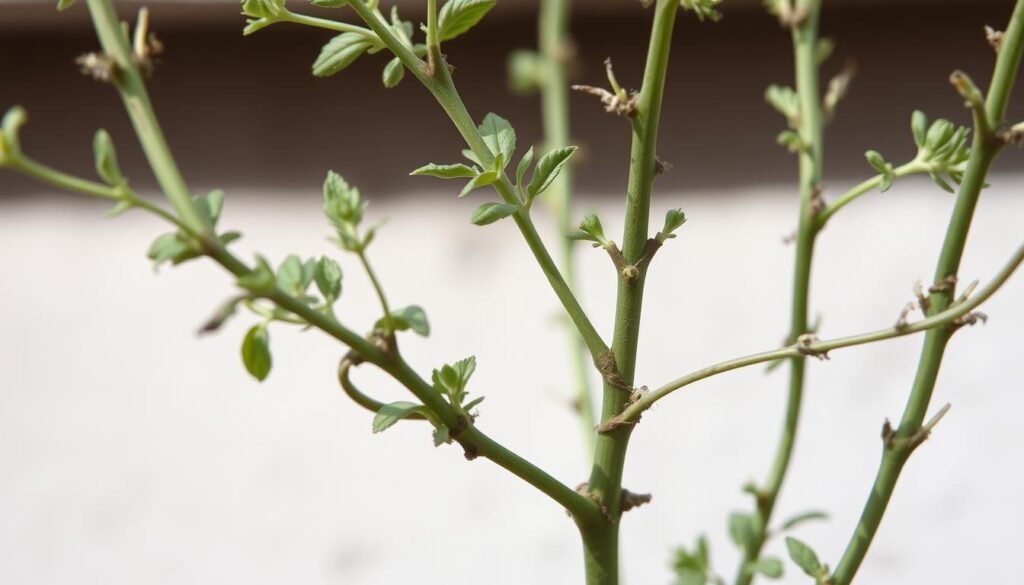
What happens when trims are too timid?
Not cutting early and often lets stems grow tall and top-heavy. This common mistake causes weak structure and fewer usable sprigs.
How to cut back to encourage bushy, vigorous herbs
Clip tips just above a leaf pair or node. That stop forces two new shoots and helps many herbs branch fast.
A simple way to remember: leave a small set of leaves below each cut to power recovery. If the bottom plant was stripped before (the “leaves wrong” move), switch to tip pruning to rebuild foliage.
- Prune basil every 7–10 days to keep a low, dense canopy.
- Stagger cuts around the plant to avoid removing all growth points at once.
- Use sharp snips to reduce bruising and disease risk.
| Problem | Result | Fix |
|---|---|---|
| Waiting to prune | Tall, floppy stems | Trim tips early; pinch above node |
| Stripped lower foliage | Slow recovery | Protect lower leaves; rebuild with tip cuts |
| Uneven cuts | Ungainly shape | Stagger trimming; shape evenly |
“Short, regular snips guide growth into branches that last.”
Timing your harvests across the growing season
Harvest with the season in mind.Plan cuts to match the plant’s active window so flavor and regrowth stay strong. A steady rhythm across the growing season beats one big harvest.
Knowing each plant’s peak helps. Cilantro prefers cool weather and often bolts as heat rises. Basil thrives in warmth and dislikes frost. Planting time should match each species’ season for best returns.
Which herbs like cool vs. warm months?
Cool-season herbs (cilantro, dill) taste best before hot stretches. Warm-season herbs (basil, oregano) peak in summer. Harvest accordingly and plan succession planting when needed.
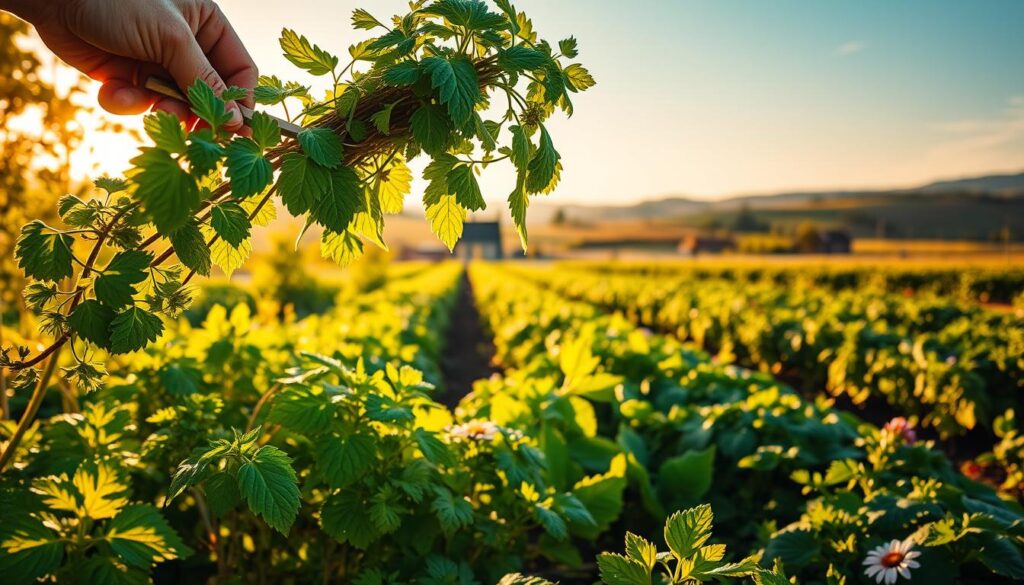
How to read weather and growth cues before clipping
- Watch for compact, leafy tops—harvest more often.
- Spindly stems or buds mean harvest lightly or trim to reset.
- After cool nights, let the plant recover before heavy cuts.
- In wet spells, let the soil drain and foliage dry first.
- Morning cuts preserve oils and reduce wilting in hot weather.
| Season | Typical herbs | Harvest advice |
|---|---|---|
| Spring / Fall | cilantro, dill | Pick leaves early; expect bolting as heat returns |
| Summer | basil, oregano | Trim tips every 7–10 days; avoid frost-sensitive exposure |
| Late year | cilantro (seeds) | Let some bolt to collect coriander seeds |
“Harvest with the season—not rush—so flavor and growth both win.”
Watering and soil mistakes that quietly kill herbs
Water with steady rhythm and free drainage, not like a houseplant. Fresh mix and light compost once a year prevent slow decline and weak regrowth.
Good moisture habits make harvests pay off. One common issue is irregular watering—soggy pots choke roots while long dry spells stress recovery.
How often to water vs. houseplant routines?
Watering like houseplants vs. herbs: frequency, drainage, and weather
Most delicate herbs need moderate, regular moisture, especially in summer. Check the soil with a finger to 2 inches; water when it feels slightly dry.
Always water herbs at the base in the morning. Use containers with drainage holes and a free-draining potting mix, never heavy garden soil.
Soil that’s “tired”: signs and fixes
If soil looks gray, compacted, or crusty, it likely lacks nutrients. Refresh by repotting or top-dressing once a year with fresh potting mix and a light layer of compost.
Compost, coffee grounds, and container mixes that help growth
From one example mix: potting soil plus used coffee grounds and organic compost perks up a struggling plant. Feed lightly; diluted balanced fertilizer can help recovery without softening flavor.
- Avoid overhead watering to limit mildew and keep foliage dry.
- Mulch pots to retain moisture between morning waterings.
- In heat waves, shade containers midday and check moisture twice daily.
“Good water and soil habits prevent most silent setbacks in container herbs and bed-grown plants alike.”
Spacing, containers, and crowding: why your herbs flop or fail
Give herbs room to breathe: spacing and the right containers stop floppy, sickly growth. Good airflow and proper pots cut disease risk and make harvests easier.
Quick overview: Crowded canopies lock in humidity and boost fungal trouble. Match containers to moisture needs and never skip drainage holes to keep roots healthy.
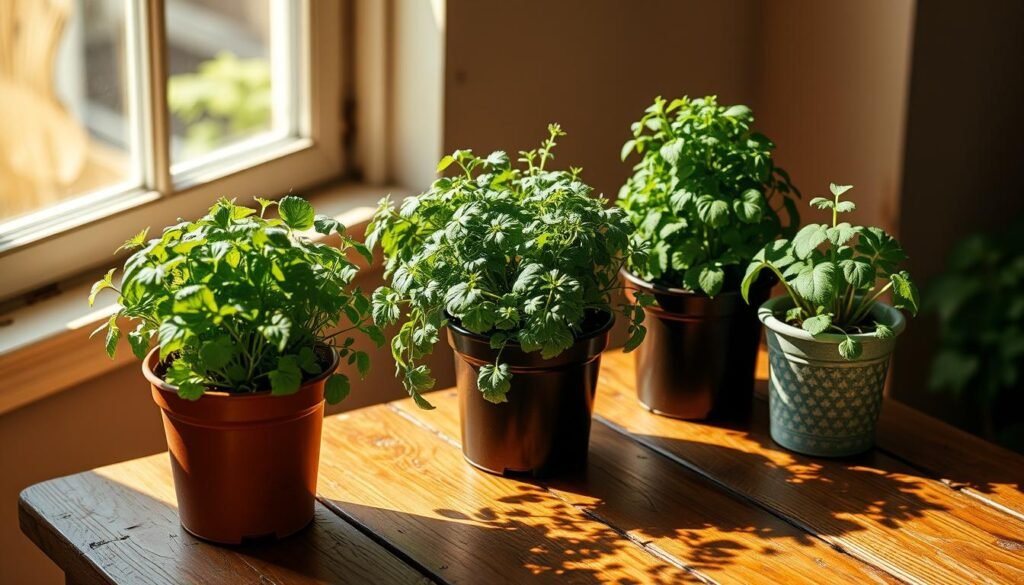
How does crowding raise disease pressure?
Crowded plants trap moisture. Leaves touch, humidity rises, and fungal spores move fast.
In a small area give each stem breathing room. Space so leaves do not interlock when mature.
Which containers work best for different conditions?
Choose pots that match water needs. Terracotta breathes and dries fast. Plastic or glazed pots hold moisture longer.
Always use a pot with drainage holes. Without them a plant can sit in water and rot the roots.
How to contain invasive varieties
Mint and oregano spread quickly. Grow these in their own containers or bury pots to block runners.
Don’t mix many herbs with different needs in one pot. That is the surest way to stress some and drown others.
“Right-sized pots and spacing keep herbs upright, vigorous, and easy to harvest.”
Chemicals, labels, and drift: avoid phytotoxicity on edible herbs
Keep chemicals off edible beds. Read the label, avoid drift, and never harvest before the PHI. Small errors can mean big loss of flavor and yield.
A single off-target spray or dirty nozzle can cause sudden leaf burn and weeks of lost yield. Drift, spills, and contaminated sprayers move pesticides from nearby areas into kitchen beds.
What off-target exposure looks like
Drift moves droplets and vapors with wind or heat inversions. Spills and dirty tanks dose garden plants fast. Even organic pesticides, soaps, oils, sulfur, and copper can injure foliage if mixed wrong or applied in bad weather.
How improper use increases risk
Wrong rates, poor mixing, hot or humid weather, and overapplication cause phytotoxicity. Stress before treatment—drought or heat—raises sensitivity.
Recognizing symptoms and safe steps
- Watch for burn, cupping, chlorosis, speckling, and stunting across an area.
- If exposed, do not eat the leaves; give supportive care: water, shade, and time for new growth.
- Always confirm the product label lists the species, follow PHI/REI, and never use off-label.

“Prevention beats cure: keep chemicals out of edible zones and clean equipment after every use.”
Quick corrections for the most common herb plants
Fix harvest habits per herb. Top cuts, pinched buds, and container control restore vigor and flavor fast. Follow short, targeted moves for each species below.
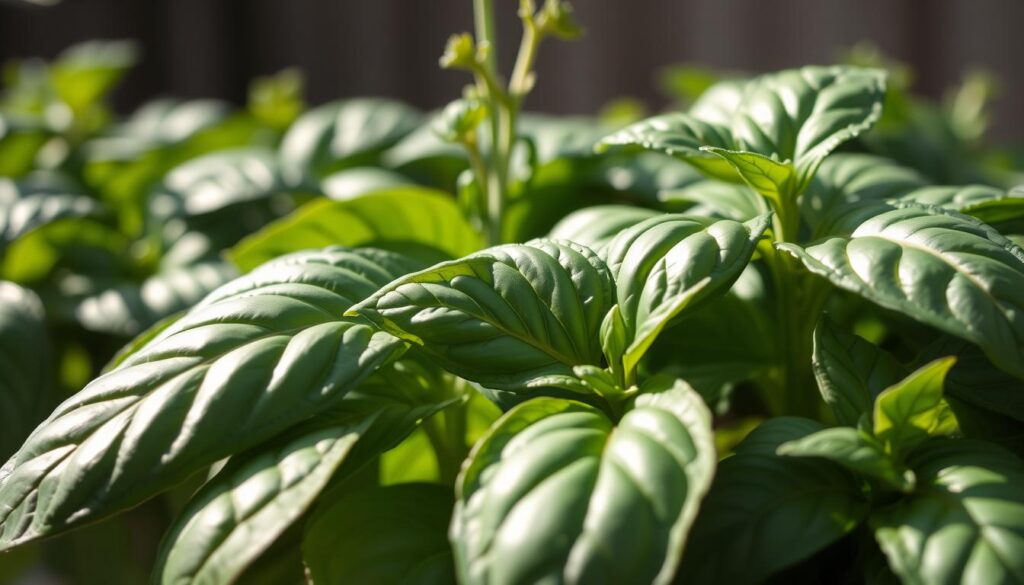
How should basil be handled for steady returns?
Basil loves frequent tip harvests. Cut above a node to spark new growth and form that useful “V” branching.
Pinch flower buds early. Take small, regular leaves for best taste. Keep soil moist but drain well to avoid soft stems.
When to harvest cilantro and dill before they bolt?
Clip cilantro in cool weather and pick often before heat forces bolting. Let late-season flowers set for coriander seed.
Dill behaves similarly—harvest leaves, then allow some stalks to seed as a handy culinary example.
How to tame mint and oregano for peak flavor?
Grow mint and oregano in pots to stop runners. Divide crowded tubs and trim regularly to keep oils high and aroma strong.
What about rosemary and thyme’s slower pace?
Rosemary and thyme grow slowly. Wait longer between trims and cut tender tips, not woody cores. Favor drier conditions and bright sun.
- Quick rule: small, repeated cuts beat large clear-outs.
- After heavy harvest, pause a week so foliage rebuilds before light tip snips.
- To grow herbs sturdier, match steady light water with bright sun and free-draining media.
| Herb | Fix | Tip |
|---|---|---|
| Basil | Top cuts above node | Harvest weekly |
| Cilantro / Dill | Pick in cool season | Save seeds late |
| Mint / Oregano | Contain roots in pots | Divide when crowded |
| Rosemary / Thyme | Trim tips only | Keep soil drier |
“Small, targeted edits bring aroma, vigor, and steady yields back fast.”
Beginner setup pitfalls that sabotage harvests
Start simple: buy sturdy seedlings, match sun and moisture, and pick the right pots.These quick choices remove common early mistakes and make the first year easier for gardeners.
Initial decisions—seed vs. seedling, pot choice, and site—set the tone for harvest success.
Should I start from seed or buy seedlings?
One commontip: begin with seedlings for an easier first season. Starting from seed adds germination work and risk. Seedlings save time and build confidence for new gardeners.
How to select healthy starts and match conditions
Choose strong young plants: upright stems, no yellowing, and no visible pests. If you want grow flavor fast, basil works as a training herb.
Match light and moisture to each species. Mediterranean types need full sun; tender varieties prefer partial shade. Adjust for local weather and season so growth stays steady.
Use quality potting mix in containers with drainage. Avoid heavy garden soil in pots. Add a little compost at planting and mulch to keep moisture even.
- Group herbs with similar needs; mixing many herbs complicates care.
- Place pots near a prep area to stay consistent with watering and harvests in the garden.
- Feed lightly; overfeeding dulls flavor. Avoid pesticides on edible herbs—handpick pests or use safer options when needed.
- Start with what is cooked most, then expand as experience grows. Keep notes to improve growing herbs next season.
“Small setup choices prevent big mistakes and keep harvests steady across the first year.”
Conclusion
Smart snips, steady water, and light, frequent harvests keep flavor and vigor high.
AI-overview: Harvest from the top, cut above nodes, and pinch flowers. Space well, use draining mixes, and keep pesticides away from edible herbs.
Three core things to remember: take from tips, protect lower leaves, and prune early to guide growth. Two more things: match water and potting mix to each herb, and give room so plants breathe.
One last point: watch season cues and align harvests with the growing season and local time year. As an example, basil loves frequent tip cuts; cilantro prefers cool windows.
Clip gently, water herbs wisely, add a light top-dress of compost midseason, and protect garden plants from drift in the area. These small habits help plants grow back faster and keep many herbs productive all year.
FAQ
Are common harvesting habits hurting herbs more than helping?
Small, frequent tip cuts promote bushy growth and better flavor. Snipping only large outer leaves or stripping lower foliage weakens stems and reduces future harvests. Aim to take no more than one-third of foliage at a time and harvest from the top third to encourage recovery and new shoots.
Should I cut above or below a node when harvesting?
Cut just above a leaf node. That encourages two new shoots to emerge from the node and keeps stems compact. Cutting below a node or tearing stems can delay regrowth and create entry points for pests and disease.
What happens if herbs flower before I harvest enough leaves?
Flowering diverts energy into seeds and reduces leaf flavor and yield. Pinch or trim flower buds as soon as they appear to prolong leaf production. For herbs grown for seeds or bees, allow flowers selectively.
How often should I prune to prevent legginess?
Prune early and often. Regular, light trims throughout the season keep stems strong and prevent tall, weak growth. Heavy, infrequent cutting can shock herbs and slow recovery.
When is the best time of year to harvest cool- vs. warm-season herbs?
Harvest cool-season herbs like cilantro and dill in spring and fall before heat triggers bolting. Warm-season herbs such as basil peak in late spring through summer. Match harvest frequency to active growth—more in peak season, less in dormancy.
How should watering differ between herb beds and houseplants?
Herbs prefer well-drained soil and less frequent soaking than many houseplants. Water deeply but allow the top inch of soil to dry for Mediterranean herbs. Adjust frequency for weather and container size to avoid root rot from constant dampness.
How do I tell if soil is nutrient-depleted and needs refreshing?
Signs include slow growth, pale leaves, and poor yields. Refresh with compost, a balanced organic fertilizer, or repot with fresh potting mix for containers. Rotate beds and add organic matter annually to restore fertility.
Can coffee grounds or compost harm herbs in containers?
Used in moderation, coffee grounds and compost improve structure and nutrients. Avoid fresh, high-volume coffee grounds that can acidify or form a crust. Mix compost into potting mix and top-dress containers sparingly.
How much spacing do herbs need to prevent disease?
Give herbs enough room for airflow—typically 6–18 inches apart depending on species. Crowding increases humidity around leaves, raising fungal risk. Thin seedlings and prune to open the canopy for circulation.
Which container features matter most for healthy herbs?
Drainage holes and a mix that balances moisture retention with aeration are critical. Choose pots sized to the mature root ball and use materials that warm or cool appropriately for your climate. Add a layer of coarse grit only if drainage is slow.
How should invasive herbs like mint or oregano be contained?
Plant mint and aggressive oregano in separate pots or sink pots into beds with root barriers. Regular root pruning and controlled spacing prevent them from overtaking other herbs.
What chemical exposures most often damage edible herbs?
Off-target pesticide drift, contaminated sprayers, and accidental spills cause leaf burn, cupping, yellowing, and stunted growth. Follow label instructions, avoid spraying on windy days, and keep herb beds away from lawn treatments.
When is it unsafe to harvest herbs after a pesticide application?
Respect the product’s Pre-Harvest Interval (PHI) on the label. If unsure, discard any foliage exposed to non-approved sprays. Use only pesticides labeled for edible plants and rinse foliage before use when allowed.
How do I recognize phytotoxic symptoms on foliage?
Look for rapid discoloration, leaf margins browning, cupped leaves, or sudden dieback. These often appear within days of exposure. Isolate affected plants and trace recent sprays, foliar feeds, or nearby chemical use.
What quick fixes revive stressed basil, cilantro, mint, and rosemary?
Basil benefits from frequent tip pinches and consistent warmth. Cilantro and dill need cool conditions and should be harvested before bolting. Mint and oregano respond to root barriers and regular pruning. Rosemary and thyme prefer drier soil and careful, conservative cuts.
Is starting from seed harder than using seedlings for herbs?
Seeds take more time and patience but cost less and offer variety. Seedlings give a faster start and are easier for first-year gardeners. Choose healthy transplants and match sun exposure to species needs.
How much sun do common culinary herbs require?
Most herbs need 6+ hours of direct sun for best flavor. Some, like mint, tolerate partial shade. Observe plant vigor and aroma—dull scent or leggy stems indicate insufficient light.