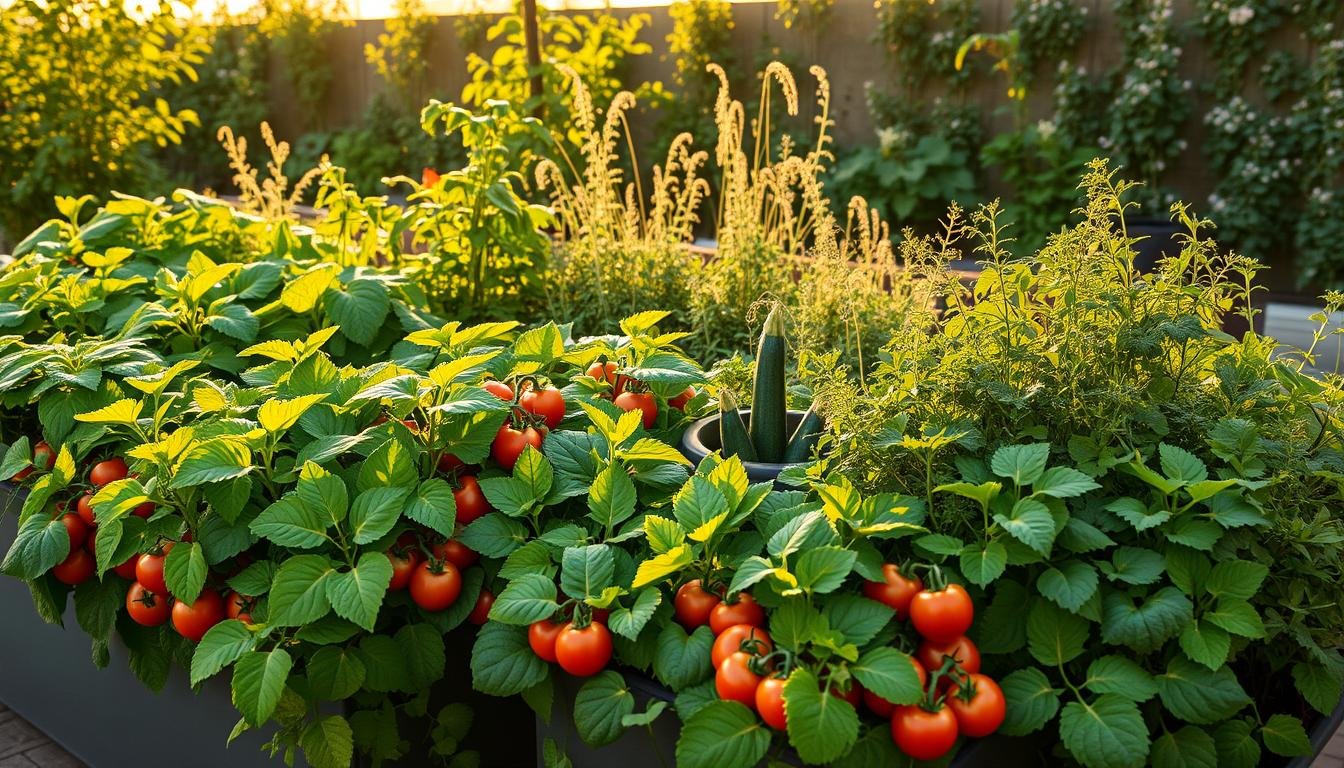
Can a tiny patio beat a full backyard for summer harvests? Many people assume limited space means limited crops. That old belief overlooks how a smart container setup uses heat, pots, and the right bush varieties to deliver real yields.
Containers warm faster than beds. That gives an early edge in spring and helps heat-loving crops thrive in summer. In paved or compact sites, pots turn decks and driveways into productive spots while avoiding poor soil or root-toxin risks.
Simple moves make a big difference: choose sturdy pots, keep large tomato plants in 5-gallon or wider containers, mulch to retain water, and move pots in heatwaves. Weekly feeding and scouting for pests keep a vegetable container garden productive.
Key Takeaways
- Containers warm early, letting crops start sooner in spring.
- Use big, sturdy pots for root space; 5-gallon minimum for large tomatoes.
- Mulch and regular watering prevent stress during summer heat.
- Choose compact bush varieties for tight spaces and easy care.
- Feed weekly with soluble fertilizer or use slow-release twice a season.
Why Container Gardening Works: Heat, Space, and Smart Yields
Containers trap warmth and give clean, controlled soil. That mix speeds spring starts and helps heat-loving crops thrive through summer.
Pots capture sun-warmed sides and raise root-zone temperatures faster than ground beds. That extra heat helps peppers, eggplant, and other heat-loving varieties set fruit sooner.
Small areas become productive when planters use railings, steps, and patios. Cluster pots low-to-high to fit more plants in tight space without crowding leaves or blocking sun.
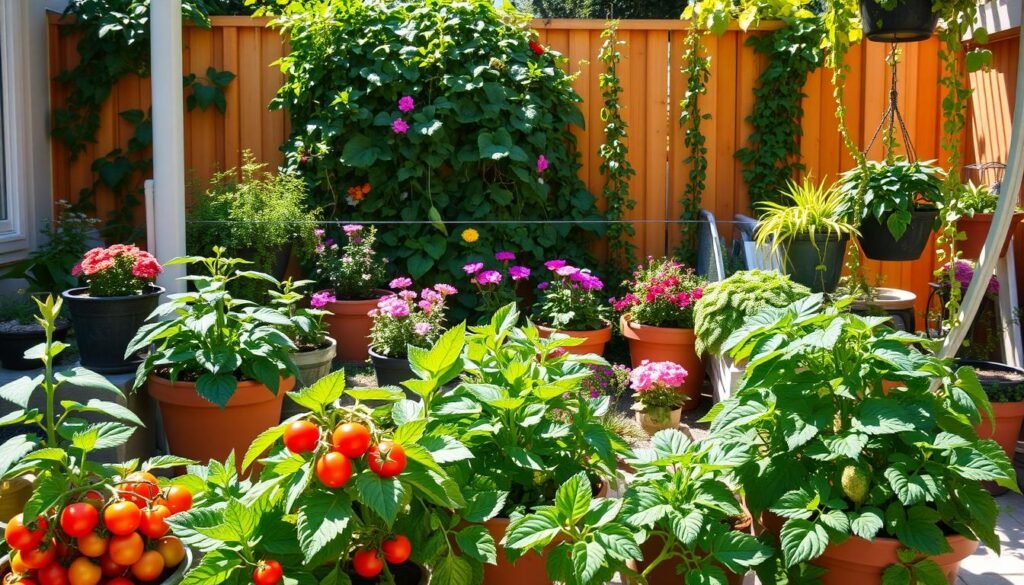
Containers also solve bad soil problems and root competition from trees like black walnut. A raised pot keeps roots isolated and gives control over mix, moisture, and nutrients.
- Get a head start: soil in a container warms quickly each spring.
- Water wisely: sub-irrigated planters cut watering frequency and keep roots steady during hot spells.
- Right pot, right crop: match pot size to root need for better yield and healthier harvest.
For a guide to herb-friendly planters and space-saving ideas, see this helpful herb garden in pots.
Think you can’t grow vegetables containers these
Small pots can deliver surprisingly big harvests when planted with the right compact varieties.
Many people see a tiny patio and imagine limits. A smart lineup of pots and the right varieties changes the way a small garden performs.
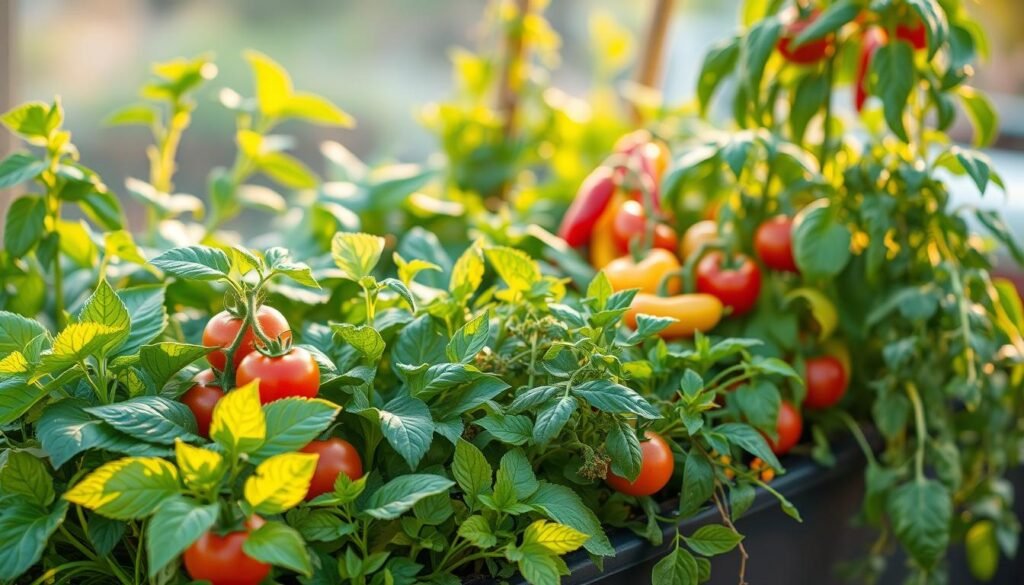
Start with transplants for most crops to skip early losses, while direct sowing works well for cucumbers.
Practical rules:
- Match pot size to root needs—large tomatoes need a 5-gallon or ~2-foot-wide pot.
- Use a fluffy, well-draining soil mix that holds moisture without staying soggy.
- Plant one main crop per pot to avoid crowding and simplify feeding.
“Move pots to chase light or shade; mobility is a container garden’s greatest tool.”
Compact varieties let plants set fruit in limited space. For quick wins, try greens, bush beans, peppers, and small tomato types.
This approach helps vegetable gardening hobbyists still grow a productive patio garden with minimal fuss.
The Bush and Compact All-Stars for Pots: Varieties That Actually Produce
Small pots can host surprisingly productive plants when chosen with care. Pick compact types and match pot size for steady harvests and minimal fuss.
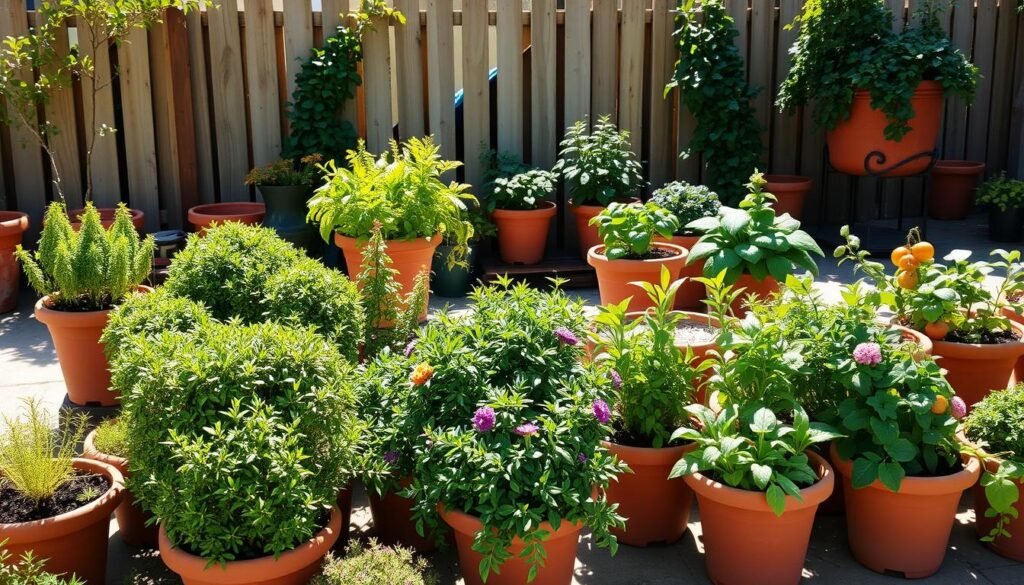
What tomato types behave best in pots?
Choose determinate or dwarf tomato plants for tidy growth. Look for compact tomato varieties like ‘House’ to avoid heavy staking.
Give larger-fruited tomato types at least a 5-gallon pot to keep plants healthy and productive.
Which peppers suit summer sun in planters?
Compact sweet and hot peppers love warm root zones. Decorative types such as Chinese 5 Color add flowers and steady yields.
How do beans fit into a small footprint?
Plant bush beans at the front of pots for easy harvest. If a trellis is available, add pole beans for vertical space and more crops.
Which leafy greens offer long returns?
Kale and Swiss chard last for weeks. Harvest outer leaves to maintain steady production and colorful foliage in a small garden.
What root crops suit shallow pots?
Try ‘Paris Market’ carrots in low-depth containers and add beets like ‘Bull’s Blood’ for edible roots and red leaves in salads.
Any heat-thrivers that shine in pots?
Eggplant and okra do well in warm containers. Give full sun and consistent moisture for best results.
Surprising performers for pots?
Leeks, potatoes (in tall bags), and malabar spinach reward patience. They expand options and add texture and flavor to a compact display.
Set Up for Success: Pots, Soil, and Watering That Keep Vegetables Growing
Start smart: pick heavy-duty pots and a soil blend that keeps roots cool and fed. A well-chosen setup cuts stress and boosts harvests by stabilizing temperature and moisture.
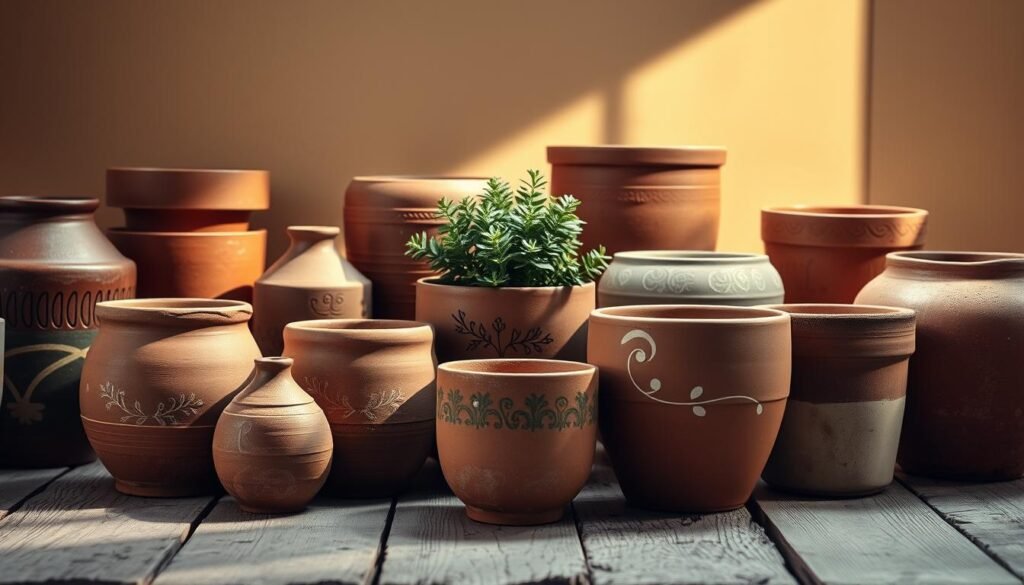
Which containers work best?
Size matters. Use the largest pots practical—large tomatoes need a 5-gallon pail or a ~2-foot-wide pot to thrive. Avoid thin fabric pots and clay in dry, prairie-like climates; they overheat and dry too fast.
What does good potting soil look like?
Choose a high-quality, peat- or coir-based mix with perlite for drainage. Do not dig up native soil for planters.
Feed at planting with a slow-release fertilizer and repeat midseason, or apply a water-soluble feed or compost tea weekly for steady nutrition.
How should watering be managed in summer?
Watering rhythm matters: water when the top inch of soil is dry. In heat spikes, water twice daily or use mulch to retain moisture.
- Sub-irrigated planters cut watering frequency in half by holding a reservoir under the mix.
- Keep pots at least 18 inches from sun-baked walls to avoid extra heat stress.
- Install cages or trellises at planting to avoid root disruption later.
“Big pots buffer temperature swings and give roots breathing room — a simple way to steady production year after year.”
Track results each season. Note which pots, mixes, and watering routines gave the best yields in the garden so the next year is easier and more productive.
Placement Matters: Sun, Shade, and Heat Management on Balconies and Decks
Placement controls risk and reward on small decks. Positioning pots right prevents heat stress and boosts steady production.
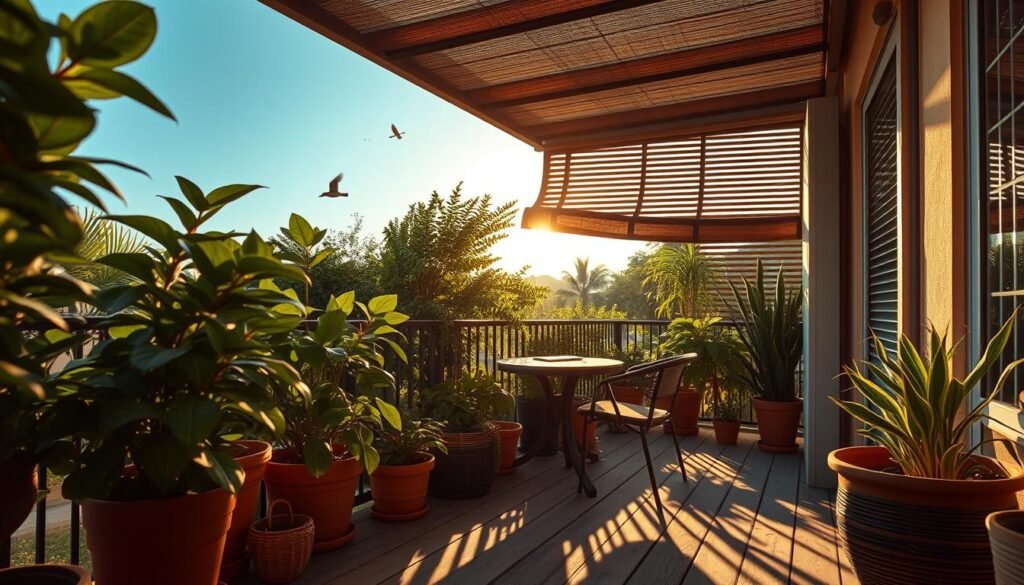
Read your microclimate. Balconies and south-facing decks without wind can run much hotter than the forecast. Move pots during heatwaves to avoid scorching and blossom drop.
Keep pots at least 18 inches from hot walls. This reduces radiant heat and lets rain reach soil. Sub-irrigated planters help maintain even moisture during high heat.
- Airflow: space containers so leaves dry quickly after watering or storms to cut disease pressure.
- Mobility: slide pots into morning sun and afternoon shade during extreme heat to protect fruit set.
- Rotate weekly: turn containers so all sides get light and plants grow straight.
“Slide pots into shade in the afternoon; a little move prevents a lot of stress.”
| Light Level | Best Crops | Care Notes |
|---|---|---|
| Full sun | Tomato, peppers, eggplant, okra, bush beans | Check water twice daily in summer; mulch to retain moisture. |
| Bright shade / partial sun | Kale, Swiss chard, beets | Use shallower pots and shield from late-afternoon heat. |
| Heat-prone spots | Heat-tolerant greens, small herbs | Prefer sub-irrigated planters and extra airflow. |
For planter ideas that save space and keep herbs happy, see this herb planter guide.
Common Container Pitfalls—and Easy Fixes for a Better Harvest
Many early losses come from simple setup errors. Fix pot size, airflow, and drainage first, then protect young leaves and roots to keep a container garden productive.
Wrong pot size and crowded roots are silent yield killers in a container garden. Small pots stunt kale, beans, and other large-rooted plants. Match the pot to the root habit so plants set fruit and stay vigorous.
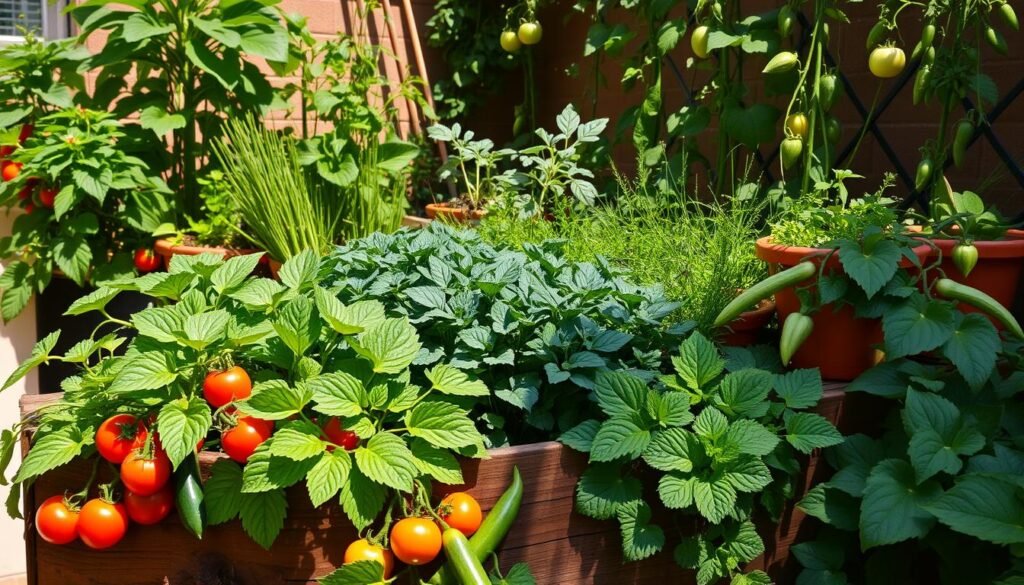
Undersized pots, overcrowding, and the basil-with-tomato myth
Pot size first: too-small pots cut yields. Move larger plants into bigger pots or use separate containers for basil and tomato.
Note: basil often underperforms when potted with tomatoes unless the container is much larger.
Direct sowing vs. transplants in pots: when to start with starts
Start most crops with transplants in pots for faster establishment. Direct sowing in pots often fails, except for cucumbers, which take reliably.
Protect your investment: netting, scouting, and removing infected leaves
- Net your salad: use a small cage and bird netting to protect lettuce and beets from pecking.
- Scout weekly: remove diseased leaves at first sight and improve airflow to cut spread.
- Root check: keep drainage holes clear—soggy soil rots roots, while dry mix slows growth.
“Note which pot sizes and plant combos worked each season — the way you adjust now saves headaches in later years.”
For more on avoiding common mistakes, see this guide to avoiding beginner mistakes in container gardening.
Seasonal Strategies for U.S. Gardeners: Spring Starts, Summer Heat, and Fall Holdovers
A pot’s microclimate shifts fast across the year, so plan season-by-season for steady harvests. Use timing and simple moves to protect flowers and roots while stretching the harvest window.
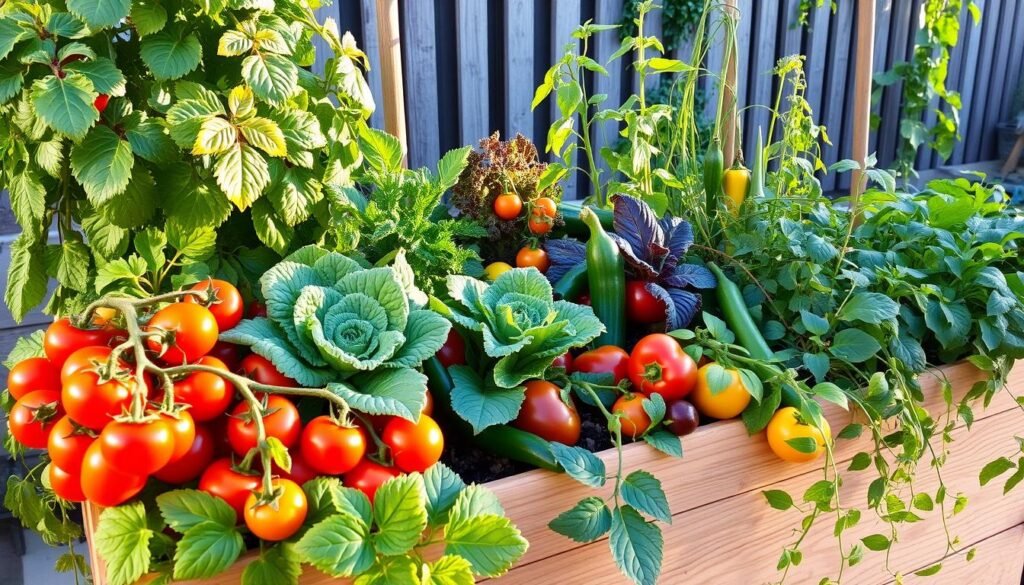
Spring: Warm container soil lets transplants and compact tomatoes go in earlier. Cover young plants on cold nights. Refresh the top inches of mix and add a slow-release feed at planting for early vigor.
Summer: Focus on peppers, eggplant, okra, and bush beans. Manage summer heat with mulch, morning/evening watering, and sub-irrigated reservoirs to cut water stress.
Fall to winter: Hold kale, Swiss chard, and leeks for long harvests. Replant late-summer beets and Paris Market carrots for fall roots and fresh leaves. In mild areas, hardy leeks and chard persist into winter; in cold zones, move pots near shelter and harvest before deep freezes.
- Beat heat stress: shift pots to morning sun and afternoon shade during heatwaves; keep them 18 inches from hot walls.
- Storage-minded: grow beets and potatoes in dedicated pots and hill tubers to avoid greening.
- Season notes: record dates, varieties, and yields each year for better timing and bigger harvests — see helpful season notes.
“Small adjustments by season turn limited space into reliable production.”
Conclusion
Clear choices in pot size and plant type make reliable harvests possible in small spaces. A well-managed vegetable container setup blends warmth, mobility, and steady care to reward effort all season.
Smart selection of bush and dwarf tomato varieties, compact peppers, bush beans, kale, and shallow-root carrots pays off. Use large, sturdy pots with a quality mix, feed on schedule, and keep water consistent.
Move pots away from hot walls, net tender leaves, and scout for pests weekly. That simple routine protects crops and extends harvest into fall and winter.
In short: match stout containers to proven varieties, tend soil and water, and note what succeeds. The small container garden can deliver real bounty and beauty.