Can a simple, steady plan save your greenhouse from expensive surprises? That question guides this warm, practical guide. We map a clear schedule you can follow through each season to keep structures, glazing, ventilation, and heating working well.
This short intro shows why a shared repair log, assigned inspectors, and quick weekly tasks matter. Small routines extend equipment life and protect your growing season profits.
Start with easy wins: monthly walk-throughs, quarterly deep checks, and audits before each season. Assign a primary and backup inspector and keep a bin of spare filters, seals, and fasteners. Track energy and water so rising use signals hidden problems you can fix fast.
Key Takeaways
- Set a simple schedule: monthly visual checks and preseason audits.
- Keep a repair log with clear naming so anyone can update it.
- Assign primary and backup inspectors to keep tasks on time.
- Focus early on structure, glazing, ventilation, heating, and irrigation.
- Use small weekly tasks to cut wear and stop bigger fixes.
Why a Preventive Greenhouse Maintenance Schedule Protects Yield and Budget
A clear, year-round plan spots wear before it costs you crop loss or big repairs. Keep a shared repair log and assign one person to manage preseason checks so nothing slips between seasons.
A steady plan that inspects key systems keeps small faults from growing into costly repairs. Map the year into quarterly blocks and name owners for frames, glazing, ventilation, heating, irrigation, and controls.
Create a simple repair log and record patterns like fan-belt wear or sensor drift. That data helps you fix root causes and extend equipment life, which strengthens profitability over time.
Build a year-round schedule and repair log to catch issues early
- Preseason checks: inspect frames, glazing, vents, and heaters two to four weeks before a growing season pivot.
- Response tiers: same-day quick fixes, week-scheduled repairs, and off-peak capital projects.
- Metrics: track energy, water pressure, sensor accuracy, and failure frequency to prove ROI.
Document vendor contacts and lead times in this guide so parts arrive on time. Review the plan quarterly and refine priorities based on what actually failed and which inspections saved the most time and money.
Ultimate seasonal greenhouse maintenance checklist use prevent
Keep frames, glazing, ventilation, and service lines in top shape with focused inspections that save time and protect crops.
Short, routine checks of panels and systems spot cracks, seal gaps, and confirm controls deliver steady conditions.

Inspect glazing materials for cracks, discoloration, and gaps and act on any damage promptly. Replace broken panes in glass houses and swap UV-degraded polycarbonate panels when light loss or brittleness appears.
Frame, glazing, and panels: what should you scan?
Scan frames, joints, and panels for cracks and gaps. Seal openings to block air leaks and pests.
- Structure and glazing: check for corrosion, rot, and loose fasteners; note part numbers and sealant types.
- Drainage: clean gutters and downspouts to prevent overflow and foundation damage.
Ventilation and airflow: how do you verify performance?
Clean intake screens and fan blades, lubricate bearings, and confirm fans meet design CFM to stabilize conditions.
Cycle shade and energy curtains end-to-end to confirm travel limits and motor response.
Water, irrigation, and lighting: what routine tests matter?
Check irrigation pressure at several emitters, look for uneven flow, and run a quick timing test.
- Water quality: replace filters, sanitize lines, and verify UV lamp output to control biofilm and pathogens.
- Lighting: wash coverings to restore light penetration and review PAR maps for supplemental bars or LEDs.
- Controls: calibrate temperature, humidity, and CO2 sensors against a handheld meter and log results.
Keep records. Photograph problem seams, log repairs, and test backup systems regularly so you can respond fast and confidently.
Winter Readiness: Heat, Insulation, and Weather Event Defense
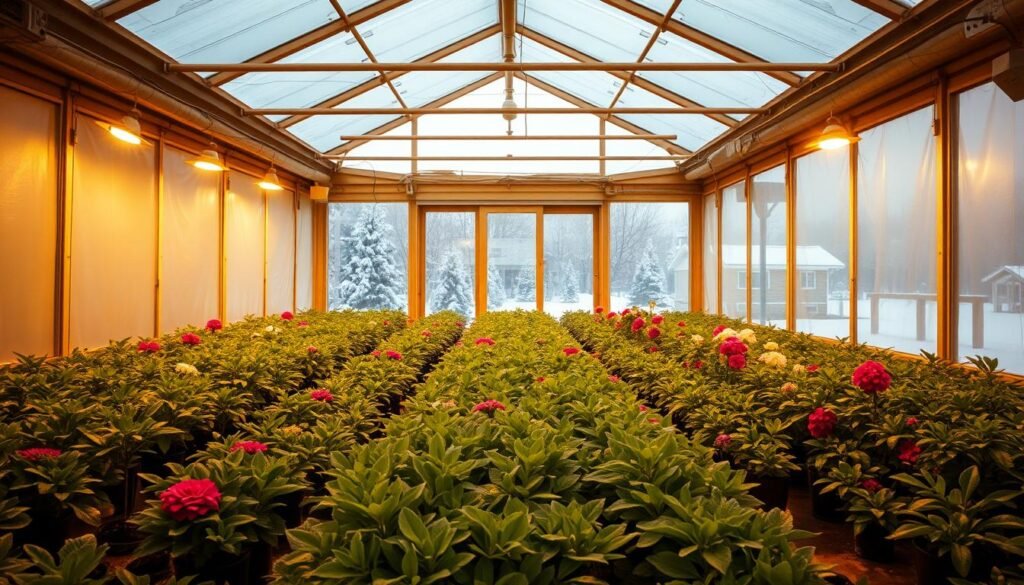
Winter prep keeps warmth where it belongs and reduces surprise repairs when storms arrive. Prioritize sealing, reliable heating, and a clear post-storm routine so you spend less time fixing and more time planning spring rotations.
Prepare now for freezing nights by auditing draft points, servicing heating systems, and mapping post-storm steps.
How do you audit insulation quickly?
Test doors, vents, and seams for drafts to limit heat loss overnight. Check weatherstripping, tighten fasteners, and replace worn seals on vents and access points.
Bell-shaped frames shed wind, snow, and hail well—note those design advantages when you inspect joint seals and panel edges.
What should you do with heating systems and backup power?
Service burners, clean filters, and verify thermostats. Confirm fuel levels and test a generator under load so core systems stay online during weather events.
For more HVAC inspection and efficiency tips, read this HVAC inspection and efficiency guide.
How to handle storms, clutter, and spring planning?
- Post-storm routine: inspect glazing, frames, and fasteners; log damage and schedule repairs.
- Snow and access: clear rooflines and pathways to reduce load and keep safe access for repairs.
- Declutter: sort materials, label spares, and organize aisles to save time before spring rotations.
- Track run-times: monitor heating and fuel spikes to spot infiltration or failing equipment.
Spring Deep Clean and Startup Checks for Maximum Light and Efficiency
Clear winter grime so the structure, sensors, and irrigation deliver brighter days and healthier growth. A focused spring reset reduces disease risk and gets systems ready for the growing season ahead.

Sanitize interior: Conduct a top-to-bottom cleaning to remove debris and disinfect benches, pots, and tools. This lowers disease pressure before planting.
How should you handle glazing and panels?
Wash glazing and polycarbonate panels to improve light penetration. Clean coverings now for maximum light and to jump-start plant growth.
How do you confirm sensors and controls?
Calibrate environmental controls by comparing temperature, humidity, and CO2 sensors to a certified handheld meter. Adjust offsets in the controller and log changes.
What about drainage and irrigation?
Inspect gutters and downspouts and clear blockages to protect the foundation and prevent overflow. Restart irrigation: flush lines, replace filters, prime pumps, and check valves for leaks to ensure even water delivery.
- Refresh water-treatment schedules, sanitize tanks, and verify UV output.
- Test fans and vents in warm sun to confirm airflow for the season.
- Verify shade and energy curtain travel to avoid snags as plants fill space.
- Inventory spares—filters, nozzles, gaskets—and mark hose and power routes to keep aisles clear.
For a practical prep guide, see how to prepare your greenhouse for spring.
Summer Heat Management, Ventilation, and Pest Control
When temperatures climb, small adjustments to shade and airflow protect yields and comfort. Focus on curtain responsiveness, balanced fans, and steady scouting to keep conditions stable and crops healthy.

Are your shade and energy curtains reacting fast enough?
Tune setpoints so shade engages before peak heat. Test motors and sensors midseason and watch travel limits for snags.
Verify automatic controls trigger timely closing and opening, and keep a manual override handy for hot afternoons.
How should you balance fans, vents, and crossflow?
Measure temperature differences across bays and adjust fan speeds to even out hotspots.
Clean fan blades and louvers midseason to restore airflow and lower energy draw.
What steps keep pests and disease in check?
Establish a weekly scouting route with sample points and action thresholds. Disinfect tools between zones and keep biologicals on hand.
“Early detection wins: a single weekly scout catches most pest flares before they expand.”
Quick summer action plan
- Tune shade and curtains to limit peak heat while keeping airflow.
- Increase irrigation frequency in hot spells; monitor substrate moisture to avoid overwatering.
- Map hotspots with a handheld thermometer and re-aim fans or add crossflow.
| Task | Timing | Goal |
|---|---|---|
| Shade curtain test | Monthly + after storms | Reduce peak heat, maintain light balance |
| Fan and louver cleaning | Midseason | Restore CFM and lower energy use |
| Scouting and sampling | Weekly | Detect pests early, apply targeted control |
| Irrigation uniformity test | Every 2–4 weeks | Ensure even water delivery during heat |
For practical guides on daily routines and long-term strategies, see a compact summer systems primer and ideas for compact herb setups at hydroponic herb gardens.
Fall Transition: Clean, Seal, and Prepare for Cold
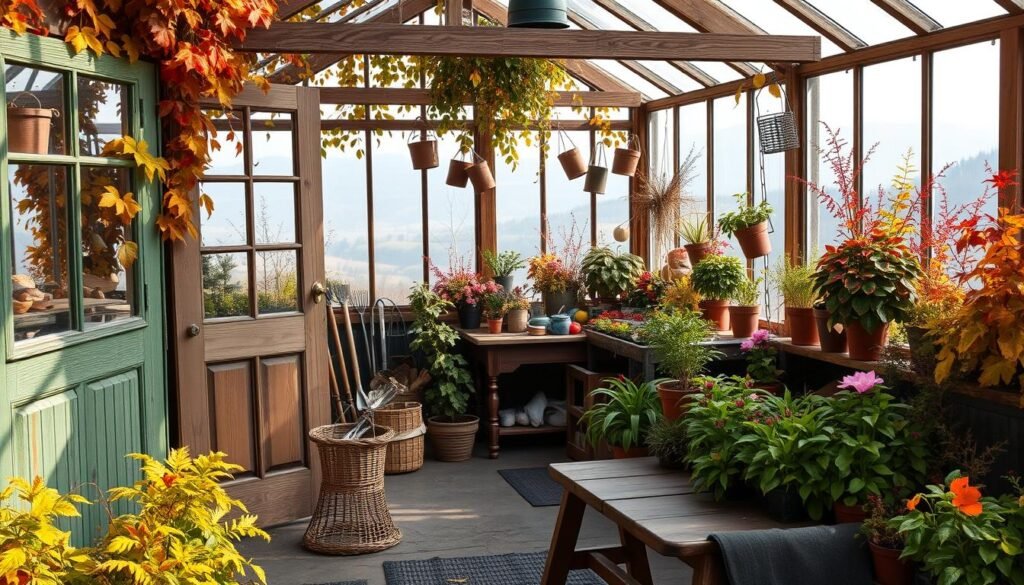
As leaves fall, it’s time to tighten the shell and stage supplies so cold nights don’t catch you off guard. Simple checks now cut heat bills and keep crops healthy when the first frost arrives.
How should the structure be inspected before winter?
Walk frames and trusses looking for corrosion, rot, and loose fasteners. Tighten, coat, or replace parts that will face snow and heavy wind.
What seals and insulation matter most?
Seal small gaps at doors, vents, and baseboards with weatherstripping and caulk to curb heat loss. Apply bubble-wrap or approved insulating materials to vulnerable panels for overnight protection.
How do lighting and crop plans fit into fall prep?
Trim plants and clear clutter that block lighting and run a quick PAR check. Stage supplemental fixtures and circuits so shorter days don’t slow growth.
- Test heaters on a mild day—confirm ignition and stable cycling.
- Inventory row covers, clips, anchors, and season extension materials.
- Schedule gutter clearing, storm drills, and update service contacts.
| Task | When | Goal |
|---|---|---|
| Structure inspection | Early fall | Prevent collapse from snow load |
| Seal and insulate | Mid fall | Reduce overnight heat loss |
| Lighting check | Late fall | Maintain light for late crops |
Systems and Structural Integrity: The Core Maintenance Checklist
Walk every bay with a checklist and a flashlight—look for loose bolts, splits, and sagging members. These quick sweeps reveal the signs that a system needs attention before crops suffer.
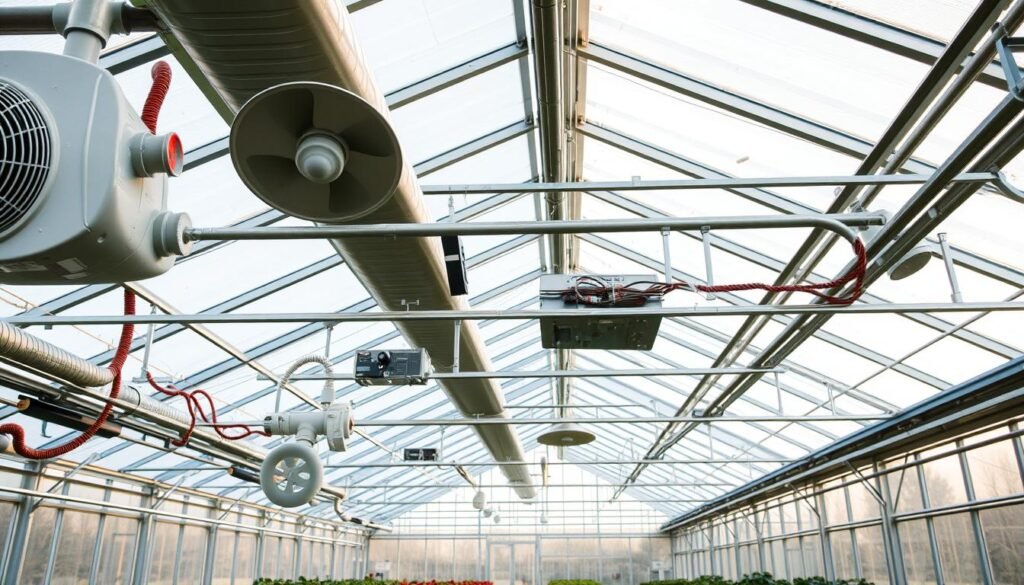
Start at frames and trusses: scan joints, fasteners, and supports for rust, cracks, or movement. Mark any signs of fatigue with a paint pen and schedule repairs.
How do you protect frames, joints, and coverings?
Apply protective coatings to metal and treat wood members promptly. Tighten loose bolts and replace worn seals on panels and polycarbonate coverings to stop leaks and restore light penetration.
What should you check for shade and curtain systems?
Run shade and energy curtains through cycles. Inspect tracks, motors, and limit switches. Lubricate rollers and recalibrate tension so shade responds smoothly and boosts efficiency.
How do you manage water quality and pumps?
Implement a quarterly water program: sanitize tanks and lines, test UV lamp output, and measure pump flow. Clear debris from sumps and drains so runoff never backs toward greenhouses after storms.
Which ventilation tasks keep air moving?
Clean fan blades and guards, replace filters, and lubricate bearings. Align pulleys and confirm airflow to improve system efficiency and reduce energy draw.
When is a post-weather inspection required?
After heavy snow, wind, or hail, document damage with photos and notes. Check glazing impact points and panels for dings or cracks and schedule urgent repairs to protect structure and crop safety.
- Centralize logs so recurring faults surface quickly and capital plans become evidence-based.
- Clear debris from gutters and floors; clogged routes hide leaks and hasten wear.
- Create a short post-storm checklist and attach photos to repair entries for fast action.
For a practical example of a windproof build and storm resilience, see this field-tested retrofit.
Conclusion
Regular attention to simple tasks saves time and keeps plants strong through each season. Small, scheduled habits protect yield, control costs, and spot early signs of trouble.
Follow these practical tips: keep a living maintenance checklist, run short cleaning rounds, and clear debris after storms to shield the foundation and beds.
Track lighting, water clarity, airflow balance, and small leaks. Log worn materials and assign owners so repairs happen on schedule. Calibrate controls in spring, tune shade for summer heat, and sanitize high-touch areas to cut disease and pest pressure.
With steady attention and a few smart upgrades, you keep conditions steady, boost efficiency, and give your plants the best chance to thrive.