
Native plants can work beautifully in pots, but the best choice depends on more than your region. Sun, moisture, pot depth, drainage, winter exposure, and local plant suitability all matter.
A small balcony, patio, porch, or front stoop can still support pollinators when the container is set up well. The key is to choose plants that fit your climate and give their roots enough room to handle heat, cold, and drying winds.
Quick answer
The best native plants for pots are usually compact perennials, grasses, ferns, and small shrubs that match your region, light level, and moisture pattern. Midwest gardeners may lean toward prairie plants such as little bluestem and purple coneflower, while Northeast shade containers may do better with ferns, woodland phlox, and great blue lobelia.
Use larger containers with drainage whenever possible. Native perennials in small decorative pots often dry out too quickly, overheat in summer, or freeze hard in winter.
Start with the setup first: choose a deep pot, use a container-friendly potting mix, group plants with similar moisture needs, and plan how you will move or protect the container through the season.
Key takeaways
- Native plants can add pollinator value to balconies, stoops, patios, and small gardens.
- Regional lists are a starting point, not a substitute for checking local suitability.
- Larger pots help buffer moisture swings and root-zone temperature changes.
- Drainage matters for most containers, except planned water-garden bowls.
- Group plants by sun and moisture needs before mixing them in one pot.
- Expect to divide, repot, or separate crowded perennial containers after a few seasons.
Helpful products at a glance
These support products fit the setup side of native-plant container gardening. They are not a replacement for choosing the right plant for your region, light, and moisture conditions.
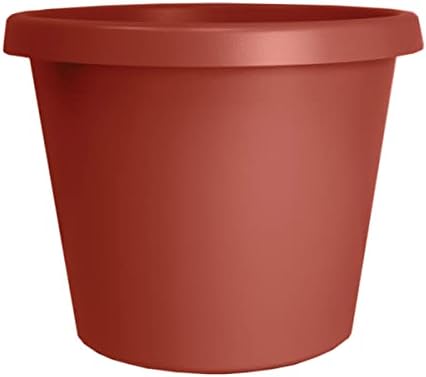
Best for larger native-plant containers because it includes drainage holes and a lightweight 20-inch design
- DURABLE & LIGHTWEIGHT - These plastic containers are very durable and lightweight. This makes them great for performing outdoor gardening on your patio, porch, or deck.These containers will not crack nor color-fade over time.
- ROLLED RIM - Sturdy rolled rim for easy lifting and moving.
Best for container mix setup because it is listed for indoor and outdoor container plants

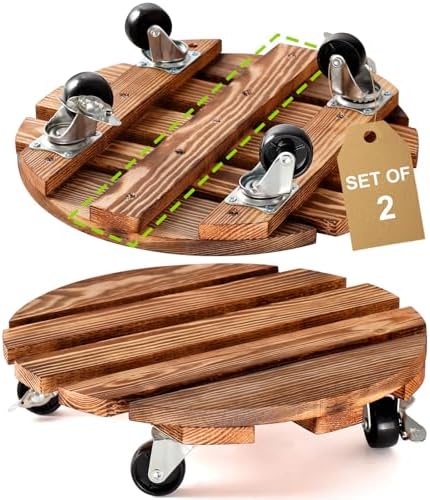
Best for moving heavier patio pots because it has lockable caster wheels
- 【Durable Material】 - Plant Caddy is made of wood, reinforced plant roller base,the wheels are made of PP plastic and metal, the PP material is corrosion resistant, the metal is not easy to break, combined with a superb load-bearing capacity, upgraded version the middle to add a third Load-bearing plate, not easy to damage and loose frame,it can withstand the test of time and indoor and outdoor
- 【360°Lockable Wheels】 - Plant dolly with 360 °rotate & brakes,4 degree rotating heavy duty casters wheels, 2 wheels that can be locked to prevent, which also will make flower/plant pots stand stably,no uneven or tip
Why native plants in containers work for balconies, stoops, and small gardens
Containers let gardeners add habitat where in-ground planting is not possible. A few pots near a doorway, railing, or sunny wall can give bees, butterflies, and hummingbirds another place to stop.
They also give you more control. You can move a struggling plant into better light, keep an aggressive spreader contained, or raise a small species where its flowers are easier to see.
Containers can help with browsing pressure, too. Deer and rabbits may still reach some pots, but a raised deck, balcony, or protected porch can give vulnerable plants a better chance.
Good native-plant container gardening starts with the right match: the plant, the pot, the light, and the local conditions all need to work together.
If your containers sit near windows, consider bird-safe decals or other window-collision protection. Pollinator activity near the house is enjoyable, but reflective glass can create problems for birds.
Native plants for pots by U.S. region
The regional ideas below are useful starting points. Before planting, check that the species is native or appropriate for your specific state, local ecosystem, and growing conditions.
Also check mature size. A plant that looks tidy in a nursery pot may need a much deeper or wider container once established.
| U.S. region | Container plant ideas | Best setup notes |
|---|---|---|
| Northeast | Northern maidenhair fern, Christmas fern, woodland phlox, great blue lobelia | Best for shade or part shade with steady moisture and good drainage. |
| Southeast | Threadleaf coreopsis, aromatic aster, summersweet, Virginia sweetspire | Use larger pots, mulch the surface, and protect roots from harsh afternoon heat. |
| Midwest | Little bluestem, purple coneflower, butterfly weed, prairie dropseed | Good for sunny prairie-style containers with leaner, well-drained mixes. |
| Great Plains | Rattlesnake master, coreopsis, side-oats grama | Choose stable pots for wind and use full-sun placements with careful watering. |
| Southwest | Nodding onion, sundial lupine, dryland asters, goldenrod | Use light-colored pots where possible and avoid moisture-heavy mixes for dryland plants. |
| West Coast | Regional asters, coneflowers, and suitable small shrubs | Match plants to coastal, inland, or dry-summer conditions rather than assuming one West Coast pattern. |
| Mountain and Intermountain West | Little bluestem, penstemons, sky blue aster | Use deeper containers and protect new plantings from late frost and drying winds. |
Use this table as a shortlist, not a final planting prescription. Local native plant societies, extension resources, and reputable regional nurseries can help you confirm the best species for your exact area.
Set up the container before choosing too many plants
A native plant that performs well in the ground may struggle in a cramped pot. Container roots face faster drying, sharper heat, and more winter exposure than roots planted in soil.
For many perennial combinations, a deep, wide container is easier to manage than a small decorative pot. A pot in the 18 to 24 inch range, or larger where space allows, gives roots more room and helps reduce constant watering.
For readers starting with one or two native perennial containers, a larger planter with drainage can make watering and root-room management easier than using a small decorative pot. One example is this large planter option on Amazon, which is listed as a 20-inch plastic planter with bottom drainage holes.
Choose pot material with your site in mind
Terra cotta and ceramic pots can look good and drain well, but they may dry quickly or crack in cold winters. Plastic and fiberglass are lighter and usually easier to move, though they do not have the same weight or breathability.
Dark containers can heat up quickly on exposed balconies and patios. In hot regions, a lighter pot color or afternoon shade may help reduce root stress.
Think about weight and stability
Large containers become much heavier after watering. On balconies and raised decks, check weight limits before filling oversized pots with wet mix, plants, and mulch.
Wind matters too. Tall grasses, shrubs, and top-heavy planters should sit where they will not tip easily or create a hazard during storms.
Use a container-friendly growing medium
Garden soil alone often becomes too dense in pots. It can compact, drain poorly, and leave roots sitting in wet pockets after heavy rain.
A container potting mix can be a practical starting point when the goal is a lighter medium. Espoma Organic Potting Soil Mix is listed for indoor and outdoor container plants and includes peat moss, humus, perlite, and organic ingredients; you can see this container potting mix on Amazon.
If your mix feels heavy, add aeration with a suitable amendment based on the plant’s needs. Dryland species often prefer sharper drainage, while moisture-loving plants need a mix that holds water without turning soggy.
Skip the old advice about adding rocks at the bottom of the pot. A drainage hole and a well-structured mix do more for healthy roots than a stone layer.
Helpful supplies for native plant containers
These items fit the setup stage best. Use them only when they solve a real container problem, such as undersized pots, dense growing media, or hard-to-move planters.
The HC Companies 20 Inch Round Prima Planter is a practical support option for gardeners who want a larger plastic pot with bottom drainage holes and a lighter build than ceramic or concrete. It still needs to be matched to the mature plant size, site exposure, and safe placement.
- DURABLE & LIGHTWEIGHT - These plastic containers are very durable and lightweight. This makes them great for performing outdoor gardening on your patio, porch, or deck.These containers will not crack nor color-fade over time.
- ROLLED RIM - Sturdy rolled rim for easy lifting and moving.
- DRAINAGE HOLES - To protect plants from excess water, these pots have drain holes on the bottom. This will help to ensure that your plants will not flood with excess water.
- PAIRS WITH SAUCER - Low profile saucers in coordinating colors sold separately, make it ideal for indoor and outdoor spaces.
Espoma Organic Potting Soil Mix fits the part of the setup where gardeners need a container mix instead of plain garden soil. One 8-quart bag may not fill a large perennial planter by itself, so check your pot volume before buying.
Container combinations by light, season, and wildlife value
A good native container usually has more than one season of interest. Look for a mix of bloom time, foliage texture, seedheads, and plant height.
Keep moisture needs together. A plant that likes dry, sharp drainage should not share a crowded pot with a plant that wants steady wet soil.
| Container goal | Plant ideas | Practical note |
|---|---|---|
| Full sun, spring to fall color | Moss phlox, foxglove beardtongue, brown-eyed Susan, aromatic aster, little bluestem | Use a larger pot and expect some editing as stronger plants fill in. |
| Shade or part shade | Woodland phlox, ferns, coral bells, blue mistflower, great blue lobelia | Keep the mix evenly moist but not waterlogged. |
| Butterfly-friendly container | Butterfly weed, threadleaf coreopsis, wild strawberry, spike gayfeather | Place in strong sun and avoid pesticide use around blooms. |
| Hummingbird-friendly planter | Beebalm, foxglove beardtongue, dwarf crested iris, purple giant hyssop | Group pots where flowers are easy for birds to find. |
| Water-garden bowl | Swamp mallow, southern blue flag, common rush, Allegheny monkeyflower | Use only wet-loving species and refresh water to avoid stagnation. |
Full sun displays
For full sun, combine a low spring bloomer, a summer flower, and a grass or fall bloomer for structure. This keeps the container from looking empty after the first flush of flowers.
- Spring: moss phlox, foxglove beardtongue, blue-eyed grass.
- Summer: brown-eyed Susan, yarrow, switchgrass.
- Fall: aromatic aster, muhly grass, little bluestem.
Shade and part-shade planters
Shade containers do not need to feel plain. Ferns, woodland phlox, coral bells, blue mistflower, and great blue lobelia can create a layered look when the pot holds moisture evenly.
Protect these containers from harsh afternoon sun, especially on paved patios where reflected heat dries the mix faster.
Pollinator and wildlife containers
Butterflies and hummingbirds respond better to visible groupings than to one isolated pot. Place several containers together if space allows, and keep blooms free of pesticide use.
For butterflies, include nectar plants and host plants where appropriate. For hummingbirds, tubular flowers such as beebalm and foxglove beardtongue can be useful choices when they suit your region and container size.
Containers without drainage holes
Containers without drainage holes should be treated as water gardens, not standard planters. They suit wet-loving species, not dryland perennials.
Refresh standing water as needed and watch for stagnation. If the container starts to smell or collect debris, clean it before roots suffer.
Care, watering, and winter protection for native plant pots
Container care is mostly about watching moisture and temperature. Pots dry faster than garden beds, and roots have less protection from heat and cold.
Water deeply, then check before watering again
Water until excess drains from the bottom, then let the top inch of mix dry before watering again for most standard containers. During hot spells, check daily.
Moisture-loving plants may need more frequent attention. Dryland plants may struggle if the mix stays wet after every watering.
Move pots when light and weather change
One benefit of containers is movement. You can shift a pot into morning sun, slide it away from reflected afternoon heat, or bring it closer to shelter before a storm.
A wheeled caddy can be useful when a large native-plant container needs to shift between sun, shade, shelter, and cleaning access through the season. Before using one, check the pot base diameter, wet weight, floor slope, and wheel suitability. You can check this plant caddy option on Amazon.
Do not rely on wheels for every situation. Heavy pots can still be unsafe on sloped surfaces, narrow balconies, or windy spots.
Mulch the surface with leaf litter, fine bark, or a suitable mineral mulch based on the plant type. Mulch slows evaporation and protects the top layer of potting mix from drying too fast.
Overwinter with root protection in mind
Container roots experience colder conditions than roots in the ground. When possible, choose plants rated colder than your local zone so the root system has a better margin of safety.
Cluster pots near a sheltered wall for winter, especially in windy areas. Snow can insulate containers, while exposed freeze-thaw cycles can stress roots.
During severe cold events, vulnerable pots may need temporary shelter in an unheated garage, shed, or protected corner. Avoid bringing dormant hardy plants into warm indoor rooms unless you know the plant can handle that change.
The HOHY 2-Pack 12″ Plant Caddy is listed with 360-degree caster wheels, two lockable casters, and a 150-pound load capacity. It may help with compatible pots on suitable surfaces, but it should not be treated as a safety fix for every heavy container.
- 【Durable Material】 - Plant Caddy is made of wood, reinforced plant roller base,the wheels are made of PP plastic and metal, the PP material is corrosion resistant, the metal is not easy to break, combined with a superb load-bearing capacity, upgraded version the middle to add a third Load-bearing plate, not easy to damage and loose frame,it can withstand the test of time and indoor and outdoor
- 【360°Lockable Wheels】 - Plant dolly with 360 °rotate & brakes,4 degree rotating heavy duty casters wheels, 2 wheels that can be locked to prevent, which also will make flower/plant pots stand stably,no uneven or tip
- 【Size and Load】- 12 inch Round plant caddy, the height of 3 inches, the width of the wheels is 1.35 inches, the middle added a weight-bearing plate, heavy-duty plant shelf pot maximum load 150 pounds, plant caddy assembly has been completed, plant roller base suitable for new garden beginners or people who are not good at DIY
- 【Multiple Functions】- These plant caddies can be widely used indoors and outdoor for moving courtyard and garden flower pots pots,large potted trees,heavy plants,wine barrels,heavy trash cans, and can protect your floor from being worn out,other uses in the home, office, shop, or garden. It makes your life more convenient, rustic charcoal style, add rustic decor to your house
Plan for repotting and dividing
Native perennials in mixed containers can crowd each other after two or three seasons. A plant that looks balanced in year one may dominate the pot later.
Refresh the top layer of mix yearly if the container stays in place. Repot, divide, or separate plants when growth slows, water runs through too fast, or one species crowds the rest.
Common mistakes to avoid
- Using tiny pots for perennial natives: Small pots dry out fast and expose roots to sharper temperature swings.
- Mixing wetland and dryland plants: Plants with opposite moisture needs rarely stay happy in the same container.
- Assuming “native” means local: A plant native to one part of the country may not fit your county, climate, or site.
- Skipping drainage: Most native container plants need water to move through the pot rather than sit around the roots.
- Ignoring mature size: Many native perennials and grasses need more room than their nursery pot suggests.
FAQ
What are the best native plants for pots?
The best choices are compact native perennials, grasses, ferns, and small shrubs that match your region, light, moisture, and pot size. Good options vary by location, so use regional lists as a starting point and confirm local suitability before planting.
Can native plants survive winter in containers?
Many can, but containers expose roots to more cold than garden soil does. Choose hardy species, use larger pots, cluster containers in sheltered spots, and protect vulnerable plants during extreme cold.
What size pot is best for native perennials?
Larger is usually easier to manage. For many perennial combinations, an 18 to 24 inch pot or larger gives better root room and moisture buffering than a small decorative container.
Can I use garden soil in native plant containers?
Do not use garden soil alone. It often compacts in pots, so blend it with container potting mix or use a potting mix suited to the plant’s moisture and drainage needs.
How do I attract butterflies and hummingbirds with container plants?
Group several nectar-rich pots together and choose plants with staggered bloom times. Avoid pesticide use around pollinator containers, and include species that fit your local area and light conditions.
How often should I water native plants in pots?
Water when the mix needs it, not on a fixed schedule. In hot weather, containers may need daily checks, while cool or shaded pots may need less frequent watering.
Are containers without drainage holes safe for native plants?
They can work only when treated as water gardens for wet-loving species. For most native perennials, use containers with drainage holes to reduce the risk of soggy roots.
Final verdict
Native plants can grow well in pots when the setup matches the plant. Start with a region-appropriate shortlist, then narrow it by local suitability, light, moisture, mature size, and winter exposure.
For most gardeners, the safest first step is simple: choose one larger container with drainage, fill it with a suitable potting mix, and plant one or two native species that fit the site. Once you see how they handle heat, watering, and winter, add more containers with confidence.