Some vegetables move from seed to table surprisingly fast. Radishes and baby salad greens can be ready in as little as three to four weeks. Other quick crops—spinach, arugula, bush beans, and zucchini—follow within 40 to 60 days. Soil temperature, sowing method, and a few practical supplies all play a part in getting there sooner. This guide walks you through the fastest vegetables and what actually helps them along, without wasting time or money on gear you don’t need.
Quick answer: the five fastest vegetables
If you’re in a genuine hurry, start with these five. All can be direct-sown in cool weather and harvested within a month under reasonable conditions:
- Radishes — 21–28 days
- Baby salad greens (looseleaf lettuce, mesclun) — 21–30 days
- Arugula — 20–30 days
- Spinach (baby leaves) — 30–40 days
- Baby bok choy — 25–35 days
The rest of the article covers more crops, plus the planting tricks and tools that can help you beat the calendar.
Key Takeaways
- Many quick crops mature in 21–60 days; radishes and salad greens are the true speedsters.
- Cool-season vegetables germinate best when soil is around 58–60°F; warm-season types prefer closer to 68°F.
- Direct sow root crops and start leafy greens indoors for a head start.
- Lightweight row covers can warm the soil a few degrees and shield seedlings from wind and light frosts.
- A soil thermometer removes the guesswork, and a soil block maker helps indoor-started plants transplant with less shock.
- Stagger plantings every 1–2 weeks to keep harvests rolling rather than arriving all at once.
Helpful garden products at a glance
These are the main products mentioned in this article for readers who want a quick summary before going deeper.
Best for checking soil temperature because planting too early can slow quick crops
- DURABLE CONSTRUCTION: Solid 20 inch (508 mm) 0.2 inch (5mm) diameter stem; reinforced welded bolt between dial and stem for long-lasting operation and conditions; high quality 304 stainless steel
- CLEAR ACCURATE DIAL: Easy to read 2 inch wide dial with color-coded temperature ranges; 40 - 180 Fahrenheit range and -17.77 - 82.22 Celsius in 2 degree increments for accurate readings

Best for early seedlings because lightweight cover can reduce cold and wind stress
- The plant row cover is made of 0.55 oz/sq non-woven polypropylene fabric which is lightweight breathable and durable. It allows air and moisture to reach your vegetables and flowers.
- The floating row cover can be used to resist harsh weather such as frost, wind, snow, hail in Winter, but also can be used for seedling germination and extending the growing season of your plants in Spring.
Best for indoor seed starts because soil blocks can reduce plastic tray dependence

What you’ll need to get started
A few basic items make fast gardening noticeably easier. You don’t need a greenhouse or a shed full of equipment. A soil thermometer, a piece of lightweight row cover, and a soil block maker (if you start seeds indoors) cover most of the bases. The table below shows what each tool helps with.
| Tool | What it helps with | Practical note |
|---|---|---|
| Soil thermometer | Confirming soil is warm enough before sowing | Takes the guesswork out of planting windows |
| Lightweight row cover | Protecting seedlings from cool nights and drying winds | Lift or remove when crops need pollination |
| Soil block maker | Starting seeds indoors with less transplant shock | Not needed for direct-sown roots; best for greens and brassicas |
A simple soil thermometer fits naturally here because fast crops only move quickly when the soil is warm enough for the seed you are planting.
Why soil temperature matters for fast harvests
Soil warmth is the invisible clock behind germination and early growth. When you match crop type to the right temperature band, plants get out of the ground faster and keep moving.
Most cool-season greens and root crops germinate well when soil is around 58–60°F. Warm-season fruiting vegetables—beans, squash, cucumbers—do better near 68°F or slightly above. Planting into soil that’s too cold can stall seeds for weeks, erasing the speed advantage you’re after.
A soil thermometer gives you a real number instead of a guess. Push the probe a few inches into the bed, wait a minute, and you’ll know whether it’s time to sow or better to wait a few more days. The reading doesn’t guarantee germination, but it helps you avoid the most common timing mistake.
Check price for the Greenco soil thermometer on Amazon
- DURABLE CONSTRUCTION: Solid 20 inch (508 mm) 0.2 inch (5mm) diameter stem; reinforced welded bolt between dial and stem for long-lasting operation and conditions; high quality 304 stainless steel
- CLEAR ACCURATE DIAL: Easy to read 2 inch wide dial with color-coded temperature ranges; 40 - 180 Fahrenheit range and -17.77 - 82.22 Celsius in 2 degree increments for accurate readings
- HIGH QUALITY LENS: High-quality and lightweight PC-coated lens, hermetically sealed to avoid fogging and moisture; IP55 water-resistant rating
- COMPOSTING INSTRUCTIONS: Included to get you started
How to read seed packets and interpret days to harvest
Seed packets list days to harvest based on ideal conditions. Direct-sown crops count from the day seeds go into the ground. Transplanted crops often count from the day they’re set out. In a real garden, cool nights, cloudy stretches, or dry soil can add days.
“Days on packets are estimates under ideal conditions—cold nights or clouds can add days; row covers can subtract them.”
- Adjust packet numbers for your last frost date and local weather patterns.
- Sow quick cool-season rows about 6–8 weeks before the last expected frost; wait until after frost for warm-season types.
- Keep a simple notebook. Track actual days from sowing to first pick in your own beds—after a season or two you’ll have a far more accurate timeline than any packet can give.
Leafy greens: the fastest path to fresh salads
Leafy greens give you the quickest payoff. Many reach baby-leaf size in roughly 30 days, and cut-and-come-again harvesting stretches the yield for weeks.
Lettuce and mixed salad greens
Looseleaf lettuce and mesclun blends regrow after outer leaves are snipped. Sow densely for baby cuts, then thin later if you want larger heads. In cool weather, you can take multiple harvests from the same row.
Spinach
Spinach produces tender baby leaves in about 30–40 days when temperatures stay mild. Give it morning sun and some afternoon shade as the season warms to delay bolting.
Arugula
Arugula brings a peppery bite to salads and is often ready for a first cut around 20–30 days. Re-sow every two to three weeks so you always have young, tender leaves rather than tough, overly spicy ones.
Kale and Swiss chard
Both offer baby leaves in 30–40 days and larger bunches by 50–60 days. They handle cool weather well and keep producing if you harvest outer leaves and leave the center growing.
Mustard greens and bok choy
Mustard greens and baby bok choy mature quickly in cool conditions. Clip outer leaves at 25–35 days for salads or stir-fries, or let mini heads develop a few weeks longer. Their flavor is milder when grown fast with steady moisture.
Root vegetables: quick, crunchy, and direct-sown
Direct-sown root crops are some of the most satisfying fast vegetables. Keep the seedbed moist, thin seedlings early, and you’ll pull crisp roots sooner than many gardeners expect.
Radishes, especially varieties like French Breakfast, can be ready in 21–28 days when soil stays evenly damp. Sow small batches every 10–14 days to avoid a glut. Baby carrots reach a sweet, slender stage in about 40–50 days. Loose, stone-free soil and early thinning are the difference between straight roots and forked ones. Turnips and beets pull double duty: tender greens appear around 30–40 days, with roots ready near 50–60 days. Scallions offer usable green tops from about 30 days and fuller stalks by 50 days; tuck them along bed edges to save space.
Fruiting vegetables: a few extra weeks, a lot more yield
Warm-season fruiting crops take longer than greens or roots, but the baskets they fill make the wait worthwhile. Plant after the last frost, keep soil warm, and pick often to keep plants producing.
Bush beans
Bush beans set crisp pods in roughly 50–60 days. They’re compact, don’t need trellising, and produce a concentrated flush if you keep picking every day or two.
Zucchini and summer squash
Zucchini and summer squash often begin fruiting 45–60 days after sowing or transplant. Harvest when fruits are small and tender—letting them grow too large slows the plant and toughens the skin.
Cucumbers
Cucumbers typically reach slicing size in 55–70 days. Trellising improves airflow and makes picking easier. Once vines start producing, check daily; a missed cucumber can signal the plant to slow down.
Snow peas
Snow peas mature in about 60 days and work well on a trellis in a small bed. They prefer cool shoulder seasons; plant early enough that pods fill out before summer heat arrives.
Quick crop timeline at a glance
This table brings together the fastest vegetables from each category so you can see at a glance what fits your planting window. Days are approximate and assume decent soil, moisture, and weather.
| Crop | Typical days to first harvest | Best practice |
|---|---|---|
| Radishes | 21–28 days | Sow shallow; keep soil moist; harvest promptly |
| Baby salad greens | 21–30 days | Sow dense rows; cut with scissors; regrows |
| Arugula | 20–30 days | Sow every 2–3 weeks; cool weather best |
| Spinach (baby leaves) | 30–40 days | Partial shade in warm weather; steady water |
| Bok choy (baby) | 25–35 days | Thin early; clip outer leaves or take whole heads |
| Baby carrots | 40–50 days | Loose soil; thin to 1–2 inches apart |
| Turnips (greens/roots) | 30–40 days (greens); 50–60 days (roots) | Dual harvest; keep bed evenly moist |
| Beets (greens/roots) | 30–40 days (greens); 50–60 days (roots) | Thin early; harvest greens sparingly |
| Scallions | 30–50 days | Plant densely; snip outer stalks as needed |
| Bush beans | 50–60 days | Warm soil; pick every 1–2 days |
| Zucchini / summer squash | 45–60 days | Harvest small; thin crowded runners |
| Cucumbers | 55–70 days | Trellis for airflow; pick regularly |
| Snow peas | 55–65 days | Trellis in cool weather; harvest pods young |
Sowing seeds the smart way: direct sow or start indoors?
Matching the method to the crop saves time. Direct sowing avoids transplant shock for root vegetables, while indoor starts give leafy greens and brassicas a head start when outdoor soil is still chilly.
Why direct sow roots
Carrots, radishes, beets, turnips, and scallions develop straighter roots when seeds go directly into the garden bed. Transplanting often disturbs the taproot and can cause forked or stunted roots. Sow them where they’ll finish, thin early, and keep the seedbed consistently damp.
When indoor starts help
Leafy greens, broccoli, cabbage, and some tender herbs benefit from a few weeks indoors. Starting them in trays or soil blocks lets you control temperature and moisture during the fragile seedling stage. Harden plants off for about a week before setting them out, and they’ll transition with less shock.
A soil block maker belongs only in the seed-starting section because it helps readers who start greens or brassicas indoors, but direct-sown roots do not need it.
Soil blocks press seed-starting mix into firm cubes that hold their shape without plastic pots. The open sides encourage air pruning, which can reduce root circling. They’re reusable and cut down on tray waste, but they require a mix with the right moisture level—too dry and the blocks crumble, too wet and they slump. For gardeners who start a flat or two of greens each season, a block maker can simplify the process and make transplanting gentler on young roots.
View the Fiskars soil block maker on Amazon
What speed-friendly planting tips work best?
Simple tools and good timing add up. A piece of row cover, attention to frost dates, and careful spacing can shave a week or more off your seed-to-harvest calendar.
How row covers help
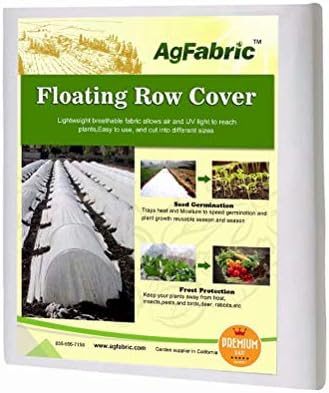
Lightweight floating row cover raises soil and air temperature a few degrees and softens drying winds. Laid over a bed after sowing, it can speed germination and protect young seedlings from light frosts and insect pests. Look for a breathable fabric that lets rain and sunlight through. Remove or lift the cover when crops like squash, cucumbers, and beans begin to flower so pollinators can reach the blooms.
A lightweight row cover fits the speed-focused angle because it can help protect young crops from cool-night setbacks while still letting air and moisture reach the bed.
View the Agfabric row cover on Amazon
- The plant row cover is made of 0.55 oz/sq non-woven polypropylene fabric which is lightweight breathable and durable. It allows air and moisture to reach your vegetables and flowers.
- The floating row cover can be used to resist harsh weather such as frost, wind, snow, hail in Winter, but also can be used for seedling germination and extending the growing season of your plants in Spring.
- Plant row covers protect your vegetable such as tomato, pepper, pumpkin, strawberry rows, fruit trees, citrus and shrub, flowers as well as newly-sown grass in winter and insects,birds during the growing season
- It is easy to use. You can put the plant cover over plants directly and then secure it with stones, soil or staples. You can also support the floating row covers with a hoop, make enough room for plants to breath and grow.
Work with your last frost date
Find your area’s average last spring frost date and plan backward. Sow cool-season crops 6–8 weeks before that date. Wait until after the frost danger passes to direct-sow warm-season vegetables or to set out tender transplants. This simple calendar check prevents the cold-soil stalls that can add weeks to your timeline.
Soil blocks, spacing, and gentle feeding
Soil blocks and roomy spacing give each plant enough light and airflow to grow without competition. Crowding slows everything down. After transplanting, water consistently and consider a mild organic feed like diluted compost or a balanced amendment—not an aggressive fertilizer push. The goal is steady, unstressed growth, not a quick flush that fades.
FAQ
What’s the absolute fastest vegetable I can grow?
Radishes and baby salad greens are typically the quickest, often ready in 21–30 days under good conditions. Among radishes, small varieties like French Breakfast are especially fast. Sow them in cool weather with even moisture for the best speed.
Do I really need a soil thermometer?
You don’t need one, but it removes a lot of guesswork. Soil can feel warm on the surface and still be 10°F cooler a few inches down. A thermometer gives you a consistent number so you can decide whether to sow or wait a few more days.
Can I use row cover all season?
Row cover is most useful in early spring and fall when nights are cool and pests are active. In summer, it can trap too much heat. Always remove it from flowering crops like squash, cucumbers, and beans so bees can pollinate.
Are soil blocks better than plastic trays?
Soil blocks can reduce transplant shock and eliminate the need for small plastic pots. They work well for greens and brassicas but aren’t suitable for root crops that should be direct-sown. They also require a seed-starting mix with the right texture and moisture level to hold together.
How often should I sow for continuous harvests?
For fast crops like lettuce, arugula, and radishes, sowing a small row every 7–14 days gives you steady pickings rather than one big glut. Track how much you actually use, and adjust the frequency and row size to match your meals.
What if my fast crops don’t come up quickly?
Check soil temperature first—cool soil is the most common delay. Also look at moisture: seedbeds that dry out even briefly can stall germination. If seeds are old or stored poorly, consider a fresh packet. And remember that packet days-to-harvest numbers assume near-ideal conditions; real gardens often run a week or two longer.
Conclusion
Fast vegetables reward planning as much as planting. Pick a few crops that fit your season, check the soil temperature before you sow, and use row cover and indoor starts where they actually help. Radishes, salad greens, arugula, spinach, and bok choy are the quickest wins. Beans, squash, cucumbers, and peas follow close behind and keep the harvest rolling. Stagger your sowings, keep notes, and adjust next season. With a thermometer, a piece of row cover, and a block maker if you start seeds indoors, you can take weeks off the wait without turning your garden into a project.