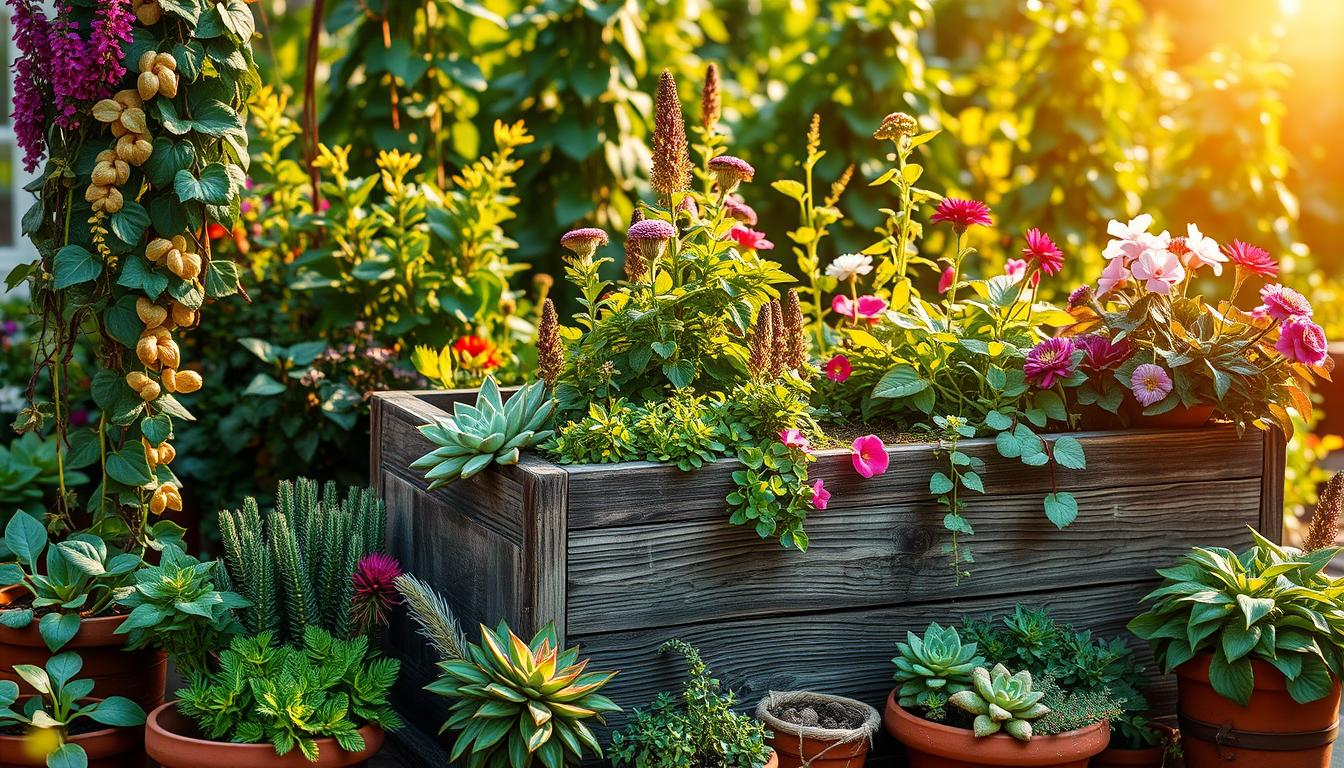
How We Designed a Container Garden to Engage All Five Senses

Bring scent, texture, taste, sight, and sound into a small outdoor space with simple planters and playful ideas.This intro lays out a practical path from picking spots to choosing plants and tools that make daily care easy and joyful.

Table of contents

Question: Can a tiny patio spark curiosity, feed the family, and soothe stress just by choosing the right plants and planters?

Container gardening shines because it adapts to any space and budget. Place pots where you pass often—on a porch step, balcony rail, or driveway corner—to keep care consistent and visible.

Use quality potting mix, good drainage, and consider self-watering systems like Crescent Garden TruDrop to cut chores while protecting plant health. Pick sensory-friendly staples such as basil, dill, lamb’s ear, cherry tomatoes, radishes, pansies, and zinnias for easy wins.

Add small accessories—rain gauges, wind chimes, and pinwheels—to spark curiosity and family participation. Start small, learn your patch, then scale up with layered heights and grouped planters to create depth and harmony.

Key Takeaways

  • Place planters where you’ll see them daily to improve care.
  • Choose high-quality potting mix and ensure drainage for healthy plants.
  • Pick sensory plants—herbs, soft foliage, and snackable veggies—for family fun.
  • Use self-watering systems to simplify chores and stay consistent.
  • Start small, then expand with layered heights and coordinating colors.

Set the Stage: Choose the Right Spot, Containers, and Materials

Start by picking a spot you pass every day so tending plants becomes second nature. Match light and shelter to each plant’s needs and choose planters sized for mature growth with good drainage.

Read the light: full sun, part sun, and shade for patios, balconies, and backyard areas

Track light across different areas for a week. Full sun means at least 6 hours of direct sun daily. Use full to part sun sites for most herbs and veggies.

For shade or part-sun spots, pick species that tolerate lower light and avoid deep shadow pockets. Move pots seasonally if tree leaf cover changes exposure.
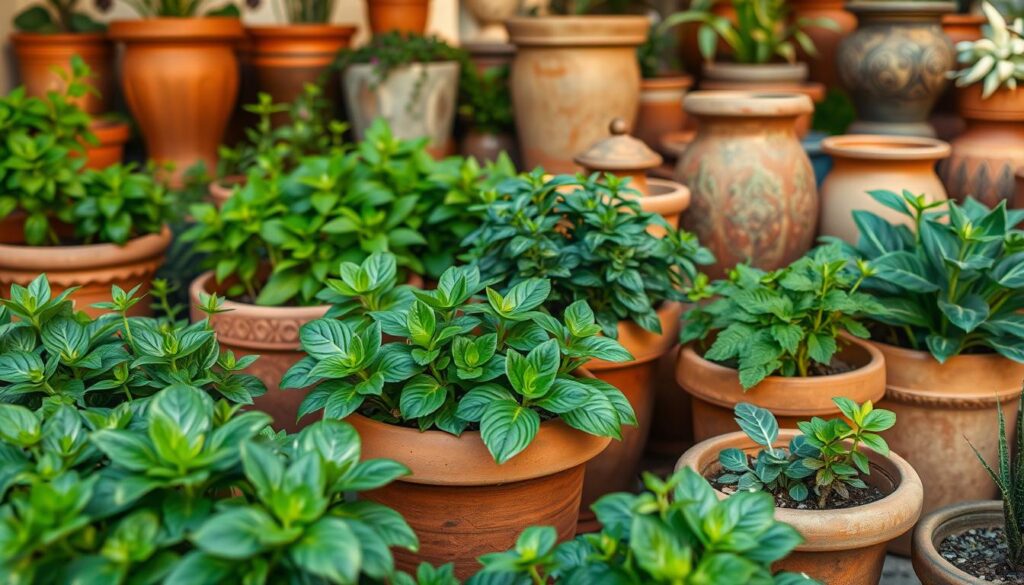
A collection of lush, terracotta planters and ceramic pots arranged in a harmonious display. The foreground features an array of vibrant, leafy plants in varying sizes and shapes, carefully positioned to create a visually appealing composition. The middle ground showcases a mix of textured pots, some with intricate patterns or muted colors, while the background suggests a warm, sun-dappled setting, with soft shadows and gentle highlights that accentuate the natural materials. The overall scene exudes a sense of tranquility and invites the viewer to imagine the sights, scents, and textures of a thriving container garden.

Pick planters and pots with proper drainage holes, size, and materials in mind

Choose planters with factory holes or drill them yourself. Match pot size to root mass to avoid rapid drying and stress.

Note materials: clay breathes and dries faster; resin is light for balconies; ceramic and wood suit a natural look. For edibles, use food-safe containers only.

“Place containers where care feels natural, and plan for wind and weather from day one.”

  • Visibility: Put planters where you’ll notice them daily.
  • Mobility: Put large pots on dollies to move against strong wind.
  • Moisture: Consider self-watering systems to keep steady water levels.

Soil, Water, and Nutrients: Build a Healthy Foundation for Container Plants

A reliable potting blend makes watering easier and keeps roots vigorous through heat and rain. Good drainage and a clear feeding plan prevent stress and salt buildup so plants reward your care.

Use a purpose-made mix for moisture balance and root health

Choose a high-quality potting soil designed for containers—never garden soil. Container-specific potting mixes usually blend peat moss and vermiculite or coconut coir for porosity and steady moisture retention.

That light structure helps oxygen reach roots and prevents compaction that can harm growth.
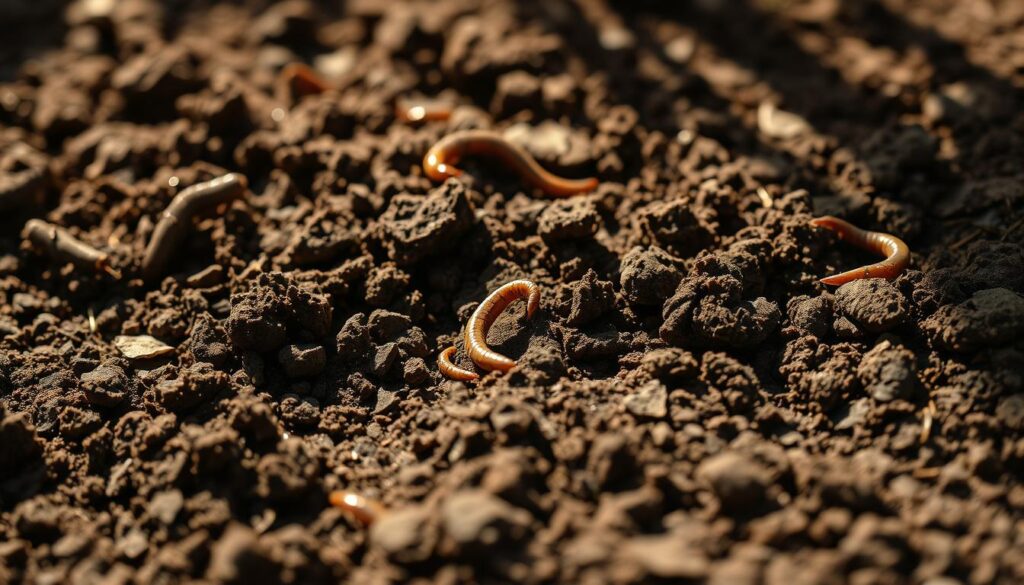
A close-up, high-resolution photograph of a rich, dark brown potting soil. The soil is freshly tilled, with a crumbly, loose texture and visible organic matter. Sunlight filters through the scene, casting warm, gentle shadows that accentuate the soil's depth and structure. The foreground is in sharp focus, drawing the viewer's attention to the soil's healthy, nutrient-dense appearance. The middle ground features small root structures and earthworms, hinting at the vibrant ecosystem within. The background is blurred, creating a sense of depth and emphasizing the soil as the primary subject. The overall mood is one of earthy vitality, inviting the viewer to imagine the nourishing potential of this foundation for container plants.

Ensure proper drainage and plan for rain

Plan for water movement: confirm well-placed holes and lift each planter on feet or risers so rain can exit instead of pooling.

Use saucers sparingly; they protect surfaces but should not trap standing water after storms.

Feed smart with slow-release nutrients and timely supplements

Start with a slow-release granular fertilizer mixed into the potting layer per label directions. Pre-mix nutrients deplete fast in small volumes, so supplement with liquid feed during peak growth when leaves pale or growth stalls.

Tip: Pre-moisten root balls before planting to cut transplant shock, water deeply until runoff, then let the top inch dry before the next watering.

  • Quick checklist: use potting mix, confirm drainage holes, raise pots, pre-wet roots, feed slow-release, and log water/feed dates.

Planting for the Senses: how designed container garden engage all five

A few well-chosen plants and simple accessories can turn a small pot into a full sensory spot. Mix edible starts and quick seeds so kids see results now and later. Place lower herbs where little hands can sniff and pick, and taller plants in back for color and privacy.
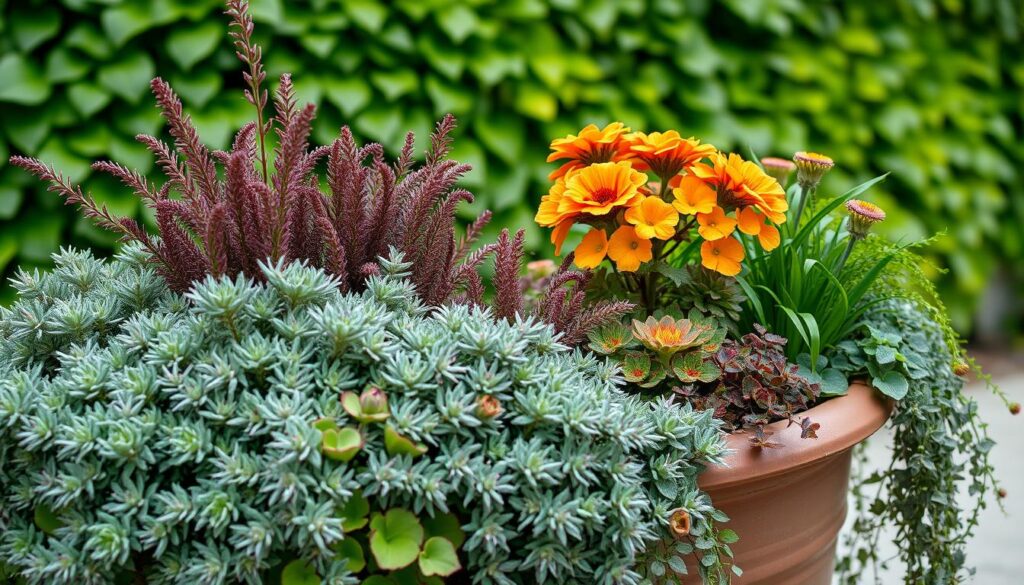
A lush, vibrant container garden filled with an array of sensory-engaging plants. In the foreground, a mix of textured foliage in shades of green, purple, and silver cascade gracefully over the planter's edges. Midground features a cluster of fragrant blooms in warm hues of orange, yellow, and red, gently swaying in a soft, diffused light. In the background, a backdrop of verdant, layered greenery creates a sense of depth and natural tranquility. The overall composition evokes a soothing, harmonious atmosphere that invites the viewer to pause and engage their senses through touch, smell, and sight.

Touch, scent, taste

Pair lamb’s ear for soft touch with basil and dill for bright aroma and kitchen use. Add cherry tomatoes in a small cage so fruit hangs at hand height for snacking.

Sow radish seeds for fast wins that teach kids about growth and harvest. These planting choices work well for simple, repeatable rewards.

Color and form

Mix pansies and zinnias for bold color. Contrast fine-textured foliage with broad leaves to add visual variety without clutter.

Keep a single warm bloom near a cool-leafed accent to create alive, artful contrast.

Sound and motion

Place ornamental grasses next to a wind chime or pinwheel so a light wind makes gentle sound. Motion signals microclimate changes and invites curiosity.

Thriller–filler–spiller

“Choose an upright thriller, surround with medium fillers, and soften edges with spillers.”

  • Thriller: tall, dramatic plant in back.
  • Filler: compact herbs and blooms for lushness.
  • Spiller: cascading thyme or trailing mint to soften edges.

Design Like a Pro: Layer Heights, Group Planters, and Coordinate Colors

Give the eye a skyline: tall, medium, and trailing plants layered like building levels create depth. Group planters in odd numbers and repeat a simple palette so your display reads as one confident scene.
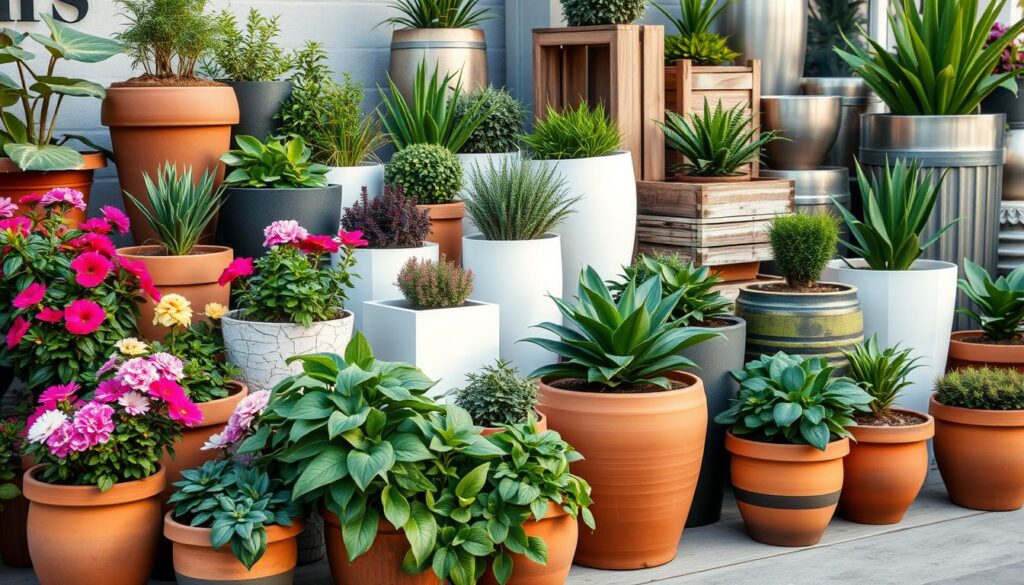
A lush container garden showcasing a diverse array of planters artfully layered and grouped. In the foreground, a collection of terracotta pots in warm earthy tones, each brimming with vibrant blooms and lush foliage. The middle ground features a mix of sleek modern planters in a harmonious palette of greens and whites, creating a visually striking arrangement. In the background, larger statement pieces in varied shapes and materials, such as weathered wooden boxes and gleaming metal containers, provide height and visual interest. Soft, diffused natural lighting illuminates the scene, casting gentle shadows and highlighting the textures and colors of the plants and planters. The overall composition is both visually appealing and thoughtfully designed to engage the senses through texture, color, and form.

Layer tall, medium, and trailing plants to create depth and soften edges

Start with tall planters at an entry or against a wall to set the backdrop. Then place medium pots in front and finish with trailing plants to soften edges.

Tip: This step-down rhythm reads clearly from any angle and makes small space feel larger.

Group planters in odd numbers, vary sizes, and define zones

Cluster in threes or fives and mix one large planter with two smaller companions for natural balance. Keep materials or colors consistent to keep the focus on foliage and blooms.

Use rows of planters to frame an entry, mark a dining area, or make a privacy screen. Leave clear walking lanes and air gaps so plants breathe and people move freely.

  • Scale to your space: one statement planter plus two modest companions often works well on small patios.
  • Plan for weather: use heavy pots in windy spots and open drainage paths for rain.
  • Refresh seasonally: rotate a single color family to keep the display fresh.

For layout ideas that pair visual tricks with easy planting tips, see this planter styling guide.

About the Author

Garden Expert (Ethan Green) is your green-thumbed guide at The Garden Haven. With years of hands-on experience in home gardening, greenhouse care, and sustainable planting, Garden Expert shares practical tips and expert advice to help you grow healthier, happier gardens—season after season.

Editorial Process Note

Just like a healthy garden, our content is carefully nurtured. Every tip and technique shared on The Garden Haven comes from years of hands-on experience. Before we publish an article, our team "weeds out" any inaccuracies by checking facts against trusted horticultural sources. We regularly revisit our articles to keep them fresh and up-to-date, ensuring you always have the best information for a thriving garden.

Conclusion

Start modestly, observe what thrives, then add pots to suit sun, shade, and wind. This simple approach keeps care natural and reduces waste while you learn each plant’s needs.

Use quality potting soil, check holes and risers for proper drainage, and add slow-release nutrients at planting. Water deeply when the top inch dries to encourage healthy roots.

Invite kids to pick a plant or accessory and place a few visible planters near entries or a backyard nook to make care a habit. Stabilize groups for wind and confirm drainage paths for heavy rain.

Treat your display like living art: layer heights, repeat a color accent, rotate seasonally, and edit plants that don’t suit your light. For step-by-step tips on planting in pots, see this planting in pots.

FAQ

What sunlight conditions suit patios, balconies, and small backyards?

Read the light and match plants to the exposure. Full sun spots need at least six hours of direct sun and suit tomatoes, lavender, and many annuals. Part sun areas (three to six hours) work well for basil, salvias, and many perennials. Shady corners thrive with ferns, hostas, impatiens, and foliage-focused plants. Note microclimates—walls, overhangs, and wind can change light and temperature, so observe your space through a day before planting.

How do I pick pots and planters that support healthy roots and drainage?

Choose planters with drainage holes and the right size for root systems; larger pots retain moisture better and reduce watering frequency. Materials—terracotta, plastic, metal, and glazed ceramic—affect moisture and temperature: terracotta breathes but dries fast, plastic holds moisture longer, and metal heats quickly in sun. Add raised feet or saucers for airflow and to protect decking from water. Always use a well-draining potting mix rather than garden soil.

What potting soil is best for container plants?

Use high-quality potting soil formulated for containers—light, porous, and rich in organic matter. Look for mixes with peat alternatives, perlite or vermiculite for aeration, and slow-release fertilizer for steady nutrients. Avoid heavy topsoil that compacts and suffocates roots. Refresh the top layer each season and repot every 1–3 years depending on plant growth.

How can I prevent waterlogging and manage rain in containers?

Ensure proper drainage by starting with holes and elevating pots on feet or bricks. Layer coarse gravel or broken clay pots at the bottom only if you add a barrier—better is to use well-draining potting mix and avoid packing soil. Use saucers to catch excess water and tip or empty them after storms to prevent root rot. In heavy rain zones, choose breathable containers and consider moving lightweight pots to sheltered spots.

What fertilizing schedule keeps container plants thriving?

Feed smart with a combination of slow-release granular fertilizer at planting and liquid feed every 2–4 weeks during the growing season for most annuals and edibles. Use organic options like compost tea or fish emulsion for flavor-sensitive crops. Reduce feeding in late summer and stop before dormancy in colder zones. Monitor foliage and blooms—pale leaves signal nutrient needs.

Which plants deliver touch, scent, and flavor for sensory play with kids?

Choose tactile and aromatic plants like lamb’s ear for soft foliage, scented geraniums and lavender for touch and smell, and edibles such as basil, dill, and cherry tomatoes for taste. Add kid-friendly herbs—mint and oregano—and compact vegetables that are easy to harvest. Place these at the front or edge of planters for easy access and encourage gentle handling to protect roots and stems.

How do I create striking color and form using flowers and foliage?

Combine bold foliage with flowering plants for contrast: use variegated leaves, silver-gray textures, and deep greens alongside bright annuals. Coordinate a limited color palette for cohesion or choose contrasting hues for drama. Vary form with upright, mounded, and trailing habits to catch the eye across seasons and maintain visual interest as blooms fade.

What elements add sound and motion to outdoor spaces?

Incorporate ornamental grasses, seed pods, and airy foliage that rustle in the breeze. Add kinetic garden art like wind chimes or pinwheels to amplify movement and create gentle soundscapes. Position these where breezes funnel—between buildings or near fence lines—and secure lightweight planters so wind doesn’t tip them.

How do I arrange plants using the thriller-filler-spiller method?

Start with a “thriller” tall focal plant in the center or back, add “fillers” of mid-height for volume and blooms, and finish with “spillers” that trail over edges to soften borders. This balance creates depth, frames focal points, and maximizes sensory reach—place fragrant and tactile plants toward pathways and seating for interaction.

How should I layer heights and group planters for a professional look?

Layer tall, medium, and trailing plants to create depth and hide pot rims. Group containers in odd numbers for visual harmony, mix sizes and materials for texture, and repeat colors to tie zones together. Define areas with consistent palettes or matching planters and adjust scale so each cluster reads as a single vignette from a distance.

Which materials and colors work well in windy or exposed locations?

Use heavier materials like stone, concrete, or thick-walled ceramic for stability. Darker colored containers absorb heat—helpful in cool sites but risky in intense sun—so choose finishes that match your microclimate. Secure lightweight pots with sand or gravel at the base and select low-growing, wind-tolerant plants such as ornamental grasses and succulents to reduce stress.

Can I grow a mix of ornamentals and edibles in the same pots?

Yes—pair edibles like herbs and cherry tomatoes with ornamental foliage to boost aesthetics and function. Match plants with similar water, light, and nutrient needs. Avoid overcrowding and keep edibles at the container edge for easy harvesting. Monitor for pests and use safe, edible-friendly fertilizers for best results.

What maintenance keeps containers healthy through seasons and weather?

Regularly deadhead blooms, trim back overgrowth, and replace spent annuals. Check moisture daily in hot months and less often in cool seasons. Top up potting mix each spring, refresh slow-release nutrients, and protect tender plants from frost with covers or by moving containers indoors. Adjust watering after rain and in windy stretches to prevent drying out.