
Quick summary: We compared banana peel fertilizer against compost and balanced products to see if it’s truly a garden miracle. Our tests and the science agree: peels add organic matter, but they’re not a stand-alone fertilizer.
Curious: can a kitchen scrap replace store-bought feed and still give your plants lively growth?
Online tips tout how peels supply potassium and phosphorus. Science shows they lack nitrogen and release nutrients slowly—often months after burial.
Peels can help soil structure if composted, but raw scraps may attract pests and change pH when used heavily. Balanced products beat peels for quick growth and blooms in trials.
Practical takeaway: use peels smartly as compost material to add value to soil. Use a well-formulated product when plants need reliable nutrition.
Key Takeaways
- Peels add organic matter, best when composted.
- They don’t replace balanced fertilizer for fast growth or heavy feeding.
- Raw scraps can attract pests and affect soil if overused.
- Compost is the most reliable way gardeners get value from peels.
- This article shows clear A vs. B comparisons for real-world gardening results.
Why Banana Peels Became a Garden Darling—and What We’re Comparing
Home gardeners often share quick fixes that promise big gains from simple kitchen leftovers. We’ll compare the promise of extra potassium from banana peels against what mature compost and a balanced fertilizer actually deliver.
Short intro: Many gardeners saw social posts that made fruit scraps look like free plant food. That popularity grew fast because the idea feels sustainable and low-cost. We set up side-by-side comparisons to separate hype from helpful practice.
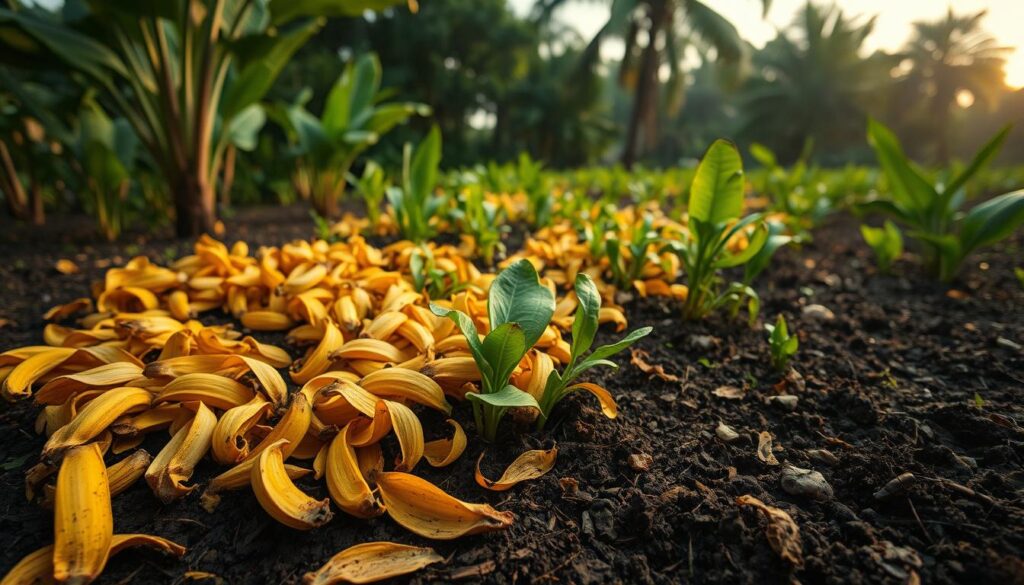
The promise: free, eco-friendly potassium for plants and roses
People like the idea of turning waste into benefits. Banana peels seem like an easy source of potassium for roses and other ornamentals.
Using peels feels zero-waste and simple. Gardeners get excited about reusing kitchen scraps instead of buying inputs.
The reality check: banana peels vs. balanced fertilizers and compost
In practice, peels add organic matter but release nutrients slowly. Compost builds soil structure and microbial life. Balanced products give predictable ratios that help when plants need quick support.
- Peels = slow-release potassium and extra organic matter.
- Compost = improved moisture retention, microbes, and steady nutrition.
- Balanced fertilizer = fast, measurable results when plants show stress.
Banana Peel Fertilizer Claims vs. Science-Backed Nutrients
Short summary: Laboratory data show peels supply notable potassium and some phosphorus but very little nitrogen. Dry-weight figures inflate perceived value; fresh scraps deliver far lower NPK and take time to break down, so they rarely satisfy urgent plant needs.
Lab numbers tell the story. On a dry basis, dried skins test near 0.6-0.4-11.5 NPK. That sounds strong, but fresh scraps translate to roughly 0.1-0.1-2.3 NPK once water is included.
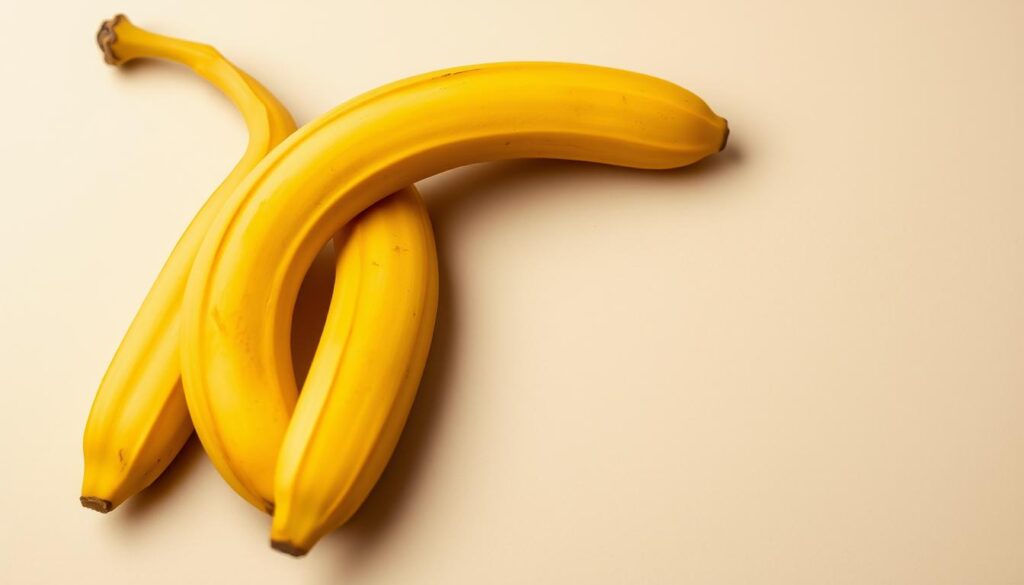
What do peels contain?
Peels contain clear amounts of potassium (24–35 mg/g) and phosphorus (1.5–3 mg/g). They show very little nitrogen, so leafy growth won’t get a big boost from scraps alone.
Why dry weight vs fresh weight matters
Many posts quote dry-weight content and imply fresh scraps match that value. They do not. Water dilutes the content, so fresh material has much lower measured NPK than dried samples.
How long before nutrients reach roots?
Because nutrients sit inside tissue, decomposition must occur first. Under common garden conditions, breakdown can take several months—sometimes up to ten—so nutrients often arrive too late for quick fixes.
- Real figures matter: dry vs fresh explains inflated claims.
- Comparative value: fresh scraps deliver less than typical 1-1-1 manures.
- Timing: slow decomposition limits immediate nutrient availability for plants.
banana peel fertilizer miracle or myth tested
In side-by-side comparisons, compost and a balanced fertilizer outperformed peels and peel tea for growth, blooms, and soil vitality. Timing and nutrient availability drove results—fast-available nutrition won. Peels still helped as organic matter but didn’t act like a complete feed.
To evaluate claims, we ran four parallel treatments in identical beds and monitored plants, roots, blooms, and soil indicators over a season. The setup kept variables tight so differences reflect inputs, not chance.
Our side-by-side setup: peels, peel tea, compost, and commercial fertilizer
Approach: fresh peels mixed into topsoil, peel tea applied as a drench, finished compost incorporated, and a balanced product used per label.
Present-day results: growth, blooms, and soil health indicators
Quick A vs. B snapshot:
| Treatment | Growth & blooms | Soil structure | Pest/odor issues |
|---|---|---|---|
| Fresh peels | Slow gains; few added blooms | Little short-term change | Higher pest visits |
| Peel tea | Minimal boost; limited potassium | No measurable change | Low risk |
| Compost | Steady growth; more blooms over time | Improved tilth and worms | Low |
| Balanced fertilizer | Fast, consistent growth and blooms | Neutral; depends on use | Low |
What moved the needle: nutrient availability and timing
Nutrients in peels stay locked inside tissue and need decomposition. That takes months, so plants that want a quick feed—especially roses—do better with ready-release products.
Key takeaway: peels help as organic matter, not as a primary fertilizer
Reserve fresh peels for compost. When plants need immediate support, use a balanced product or mature compost for better value and faster results. For more context on garden use, see this guide to common garden claims.
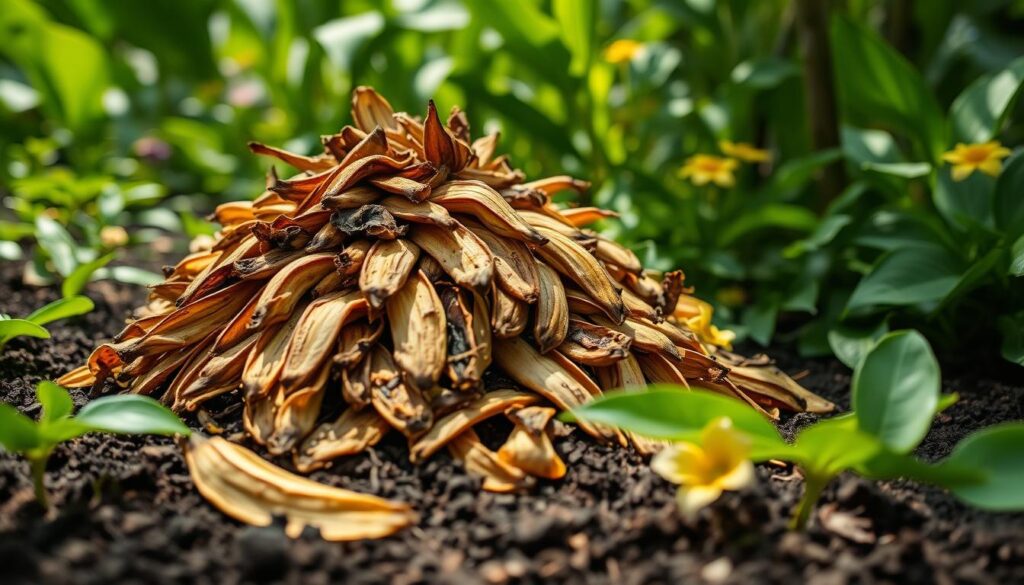
Popular Hacks Put to the Test: Peel Tea, Leaf Shine, and Pest Repellent
Home remedies often recommend soaking fruit skins in water to brew a nutrient “tea”. Here’s a clear look at three common hacks and safer options that actually help plants.
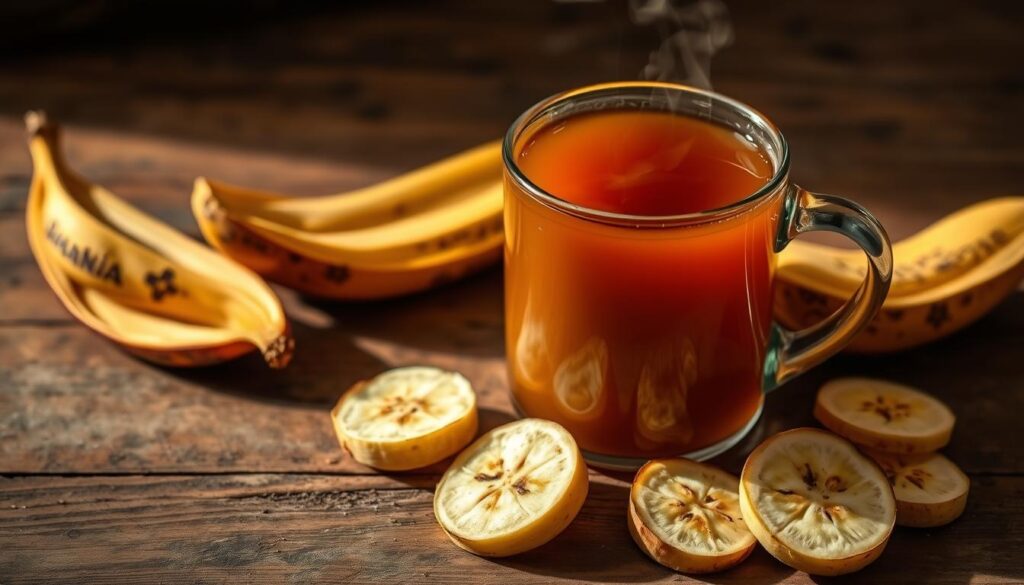
Does soak-and-strain tea give useful nutrition?
Soaking peels in water releases only a small amount of potassium. Short soaks don’t break tissue down, so nutrients stay locked inside.
Practical alternative: use a balanced liquid feed for quick uptake, or add scraps to compost for slow, steady benefits.
Will rubbing the inside of a skin add shine without harm?
Wiping leaves with peels can leave a film that clogs pores and reduces photosynthesis. Evidence for long-term benefits is weak.
Safer option: a gentle rinse with plain water and a soft cloth keeps leaves clean and supports plant health.
Can peels repel aphids, slugs, or snails?
Claims that peels work as pest repellent don’t hold up. Slugs and snails often eat peels, and scraps can attract fruit flies and odors, adding garden waste headaches.
Try barriers, hand-picking at dusk, or targeted baits instead. If you do experiment, run a small trial and watch for pests or smell before scaling up.
“Small trials and composting give the most reliable benefits while keeping beds tidy.”
Roses and “Power Banana”: What Really Happens Around Roses
Roses ask for steady, balanced nutrition timed to their growth. Fresh kitchen scraps break down slowly and rarely match what a rose needs when it needs it.
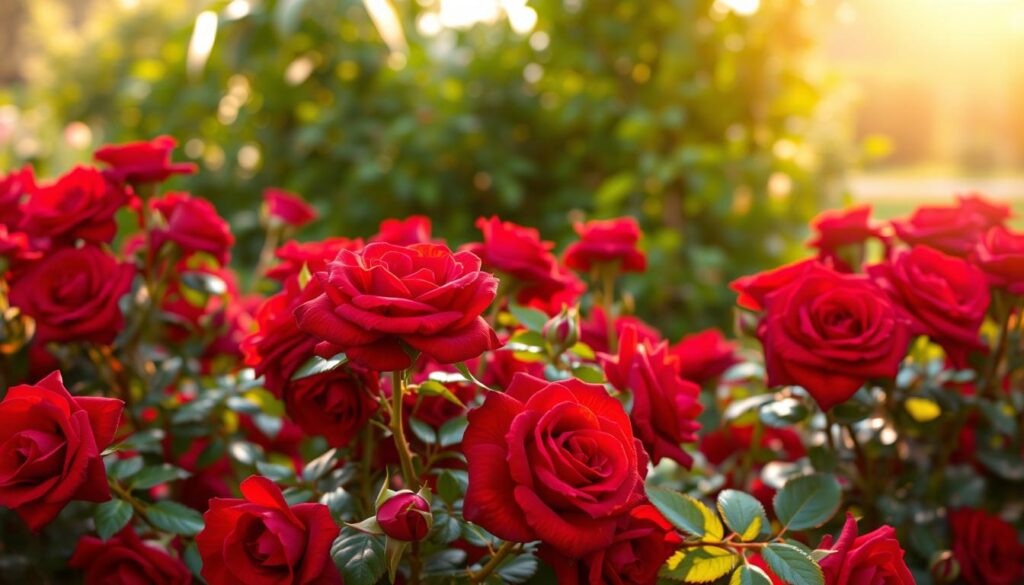
Roses push repeat blooms and demand predictable N-P-K and micronutrients. Products made for roses supply nitrogen, phosphorus, and potassium in plant-available forms and often include slow-release options.
Burying peels near roots: slow breakdown, poor balance
Putting fresh banana peels near roots slows decomposition. Nutrients stay locked in tissue for months. That delay means roses miss the feeding window for spring and summer flushes.
Fresh scraps can also create wet pockets that attract pests or cause minor root rot. Disturbing soil to bury scraps can harm the shallow feeder roots that rose bushes use most.
Why balanced rose fertilizers outperform kitchen scraps
Burying peels around roses rarely feeds them when they need it—breakdown is slow and the nutrient mix is off. Rose fertilizers deliver balanced, plant-available nutrition on schedule, which supports repeat blooms. Use peels in compost; don’t count on them as “power banana” for rose performance.
- Roses need steady nitrogen for foliage and balanced potassium and phosphorus for blooms.
- Banana peels deliver extra potassium but lack sufficient nitrogen and phosphorus for strong bloom cycles.
- Eggshells break down slowly and won’t correct the core nutrient imbalance.
- For a natural route, top-dress with mature compost and mulch; avoid digging near roots.
- Follow a rose-specific feeding schedule from spring through summer; pause before frost.
Practical tip: add scraps to compost, then use that finished compost as a gentle, consistent amendment around roses—no digging, no risk to roots.
Risks, Trade-Offs, and the Better Use for Banana Peels
Fresh peels can invite pests and odors and may create soggy spots that stress roots. Composting turns peels into stable organic matter that strengthens soil without the mess. Chop small, mix well, and let microbes do the heavy lifting.
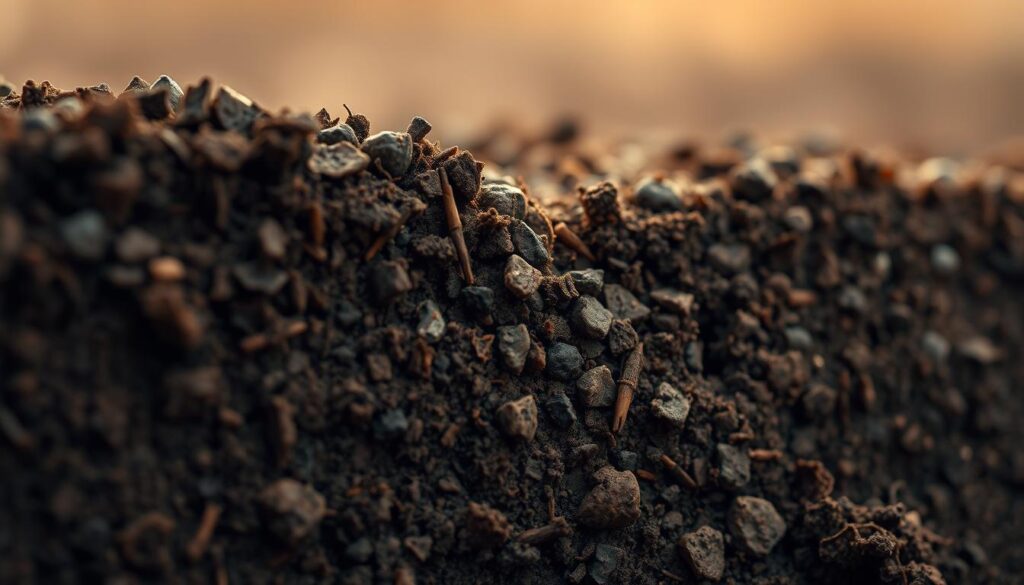
What goes wrong when scraps decompose in place?
Layering fresh scraps in beds or pots can make wet, low-oxygen pockets. These zones harm root health and change soil structure.
Sweet, soft waste draws fruit flies and other pests. That creates odor and extra garden work.
Concentrated layers can also shift pH locally and slow decomposition, so plants miss out on nutrients when they need them.
How to compost peels safely and effectively
Cut peels into 2–3 cm pieces and keep them under one-third of total organic inputs by volume.
Mix scraps with dry brown material, monitor moisture (like a wrung-out sponge), and turn piles every 1–2 weeks for airflow.
Avoid overwatering the heap so microbes stay active and don’t produce foul smells.
- Use finished compost as a top-dress to improve soil, water balance, and plant health.
- If you must bury scraps, trench-compost away from roots and wait until breakdown is advanced before replanting.
“Composting gives gardeners steady benefits while avoiding pests and soil stress.”
Conclusion
Banana peels contain useful potassium and some phosphorus, but they are low in nitrogen and slow to release nutrients. Use peels as organic matter in compost, and rely on balanced feeds when plants need timely support.
Practical wrap-up: finished compost and labeled products outperform peel fertilizer for quick growth and repeat blooms on roses and other flowers.
Simple action plan for today:
– Compost peels, chop small, and keep them under one-third of the pile.
– Top-dress beds with finished compost, mulch, and apply a balanced fertilizer on schedule for roses and hungry plants.
– Skip burying raw scraps near roots; tea gives little benefit, and peel shine claims may harm leaves.
For more on safe garden use, see this guide on how to compost peels effectively.