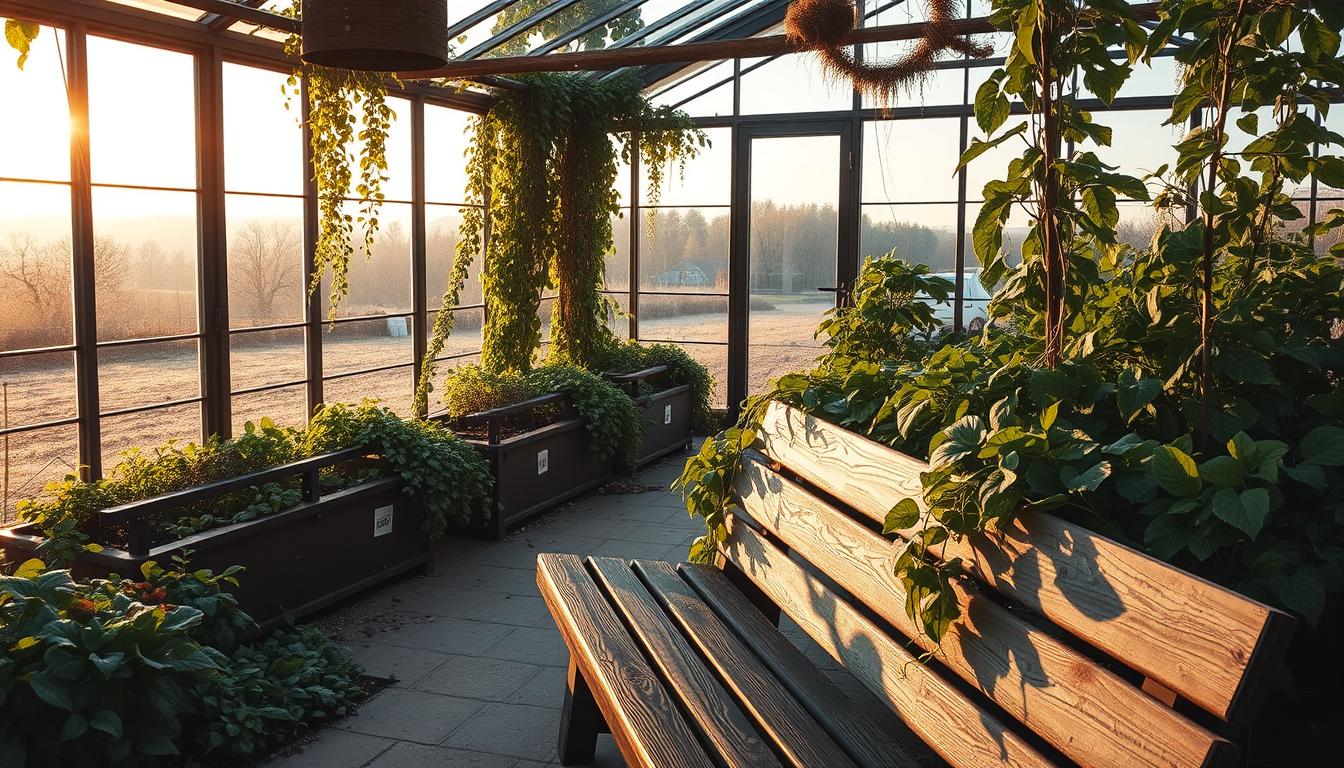
Can a simple shelter on your porch really keep fresh salads on the table when snow piles up? This guide answers that question with practical steps you can use at home.
Baby greens are fast and tender, and they regrow after cutting. Dense sowing inside a protected mini setup lets you harvest for weeks, even when nights dip near 15°F.
A greenhouse buffers day-night swings, traps sun, and shields plants from wind and harsh air. With a bit of insulation—straw, leaves, or fabric—you can protect containers during arctic blasts.
The approach is simple: choose cold-hardy vegetables like spinach, kale, and arugula, keep soil loose and well-drained, water sparingly, and vent on sunny days. Expect slower pace, but steady, fresh food through the season.
Key Takeaways
- Mini-greenhouses let you harvest baby-cut salads during cold months.
- Pick cold-hardy crops: spinach, kale, mustard, and loose-leaf lettuce.
- Insulate containers for extreme cold and vent on sunny days to manage moisture.
- Dense sowing and short harvest cycles yield steady picks with minimal gear.
- Soil needs to stay loose and drain well; water less often in cold weather.
Why a Greenhouse Is the Easiest Way to Keep Salad on the Table All Winter
A small covered area evens out sudden cold and shields tender leaves from wind and frost. It creates a mild microclimate so you harvest more often with less fuss.
A greenhouse moderates harsh weather, speeds early and late crops, and saves you time by cutting frost damage. By trapping daytime warmth and blocking drying gusts, the structure keeps fragile mixes crisper and healthier through the cold months.
Simple habits—venting on sunny days and using passive solar gain or a tiny heater—help plants recover after cold nights. Rolling vertical planters move to a bright window by day and back to the shelter at night, letting you keep fresh salad and spinach within reach for quick dinners.
| Benefit | Effect | Quick Tip |
|---|---|---|
| Stabilizes temperature | Fewer frost losses | Insulate pots with straw |
| Blocks wind | Less leaf damage | Use side panels |
| Passive solar gain | Faster recovery after nights | Place dark pots to absorb heat |
The Payoff: Fresh, Affordable, Nutrient-Rich Greens When It’s Freezing Outside
Fresh salad on the table saves money and lifts meals with bright flavor. Dense, baby-cut plantings and quick harvests give you more servings per seed packet and less grocery spending.
Baby greens and micro-harvests pack higher polyphenols and mild taste kids prefer. Sow small patches of seeds every week to stagger picks and cut waste.
Families report that mesclun mixes, Asian mixes, and tender spinach bring fast results. A sheltered setup or indoor tower keeps those plants available while outdoor beds sleep.
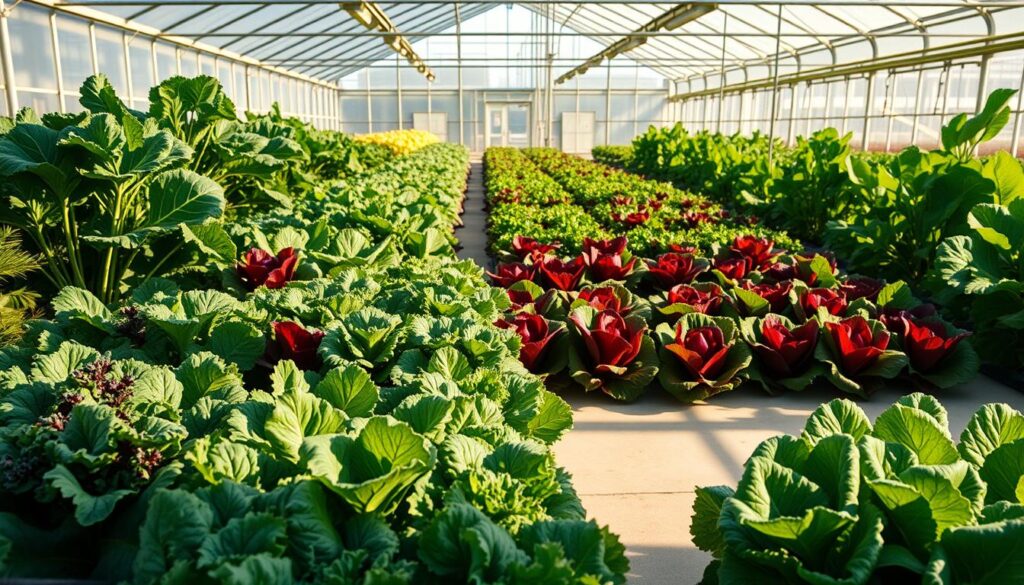
Cut food costs while eating better: baby greens, micro-greens, and herbs
- Cost per bowl: Pennies — dense sowing and cut-and-come-again extend value.
- Nutrition: Younger leaves offer higher antioxidants and sweeter taste.
- Quick turnaround: Many mixes reach harvest in weeks, depending on light and temperature.
- Flavor boost: Tuck in herbs like cilantro and chives for instant lift.
Year-round gardening as a sustainable, family-friendly hobby
Regular small plantings make harvesting a shared chore. Kids pick, taste, and learn without long waits.
| Benefit | What to expect | Quick action |
|---|---|---|
| Lower food bills | More bowls per seed packet | Sow weekly small patches |
| High nutrition | Young leaves richer in polyphenols | Harvest at baby stage |
| Reliable access | Protected beds supply during cold months | Use sheltered beds or an indoor tower |
For planning tips and layout ideas that help extend harvest windows, see planning a smart greenhouse. Track time to first harvest for each mix so you can plan successive plantings across the season.
Plan for Winter Success: Timing, Daylength, and Expectations
Light is the season’s metronome — set plantings to match the hours you actually get each day. Mark the date when your local daylength falls under ~10 hours and treat that as the shift to maintenance mode.
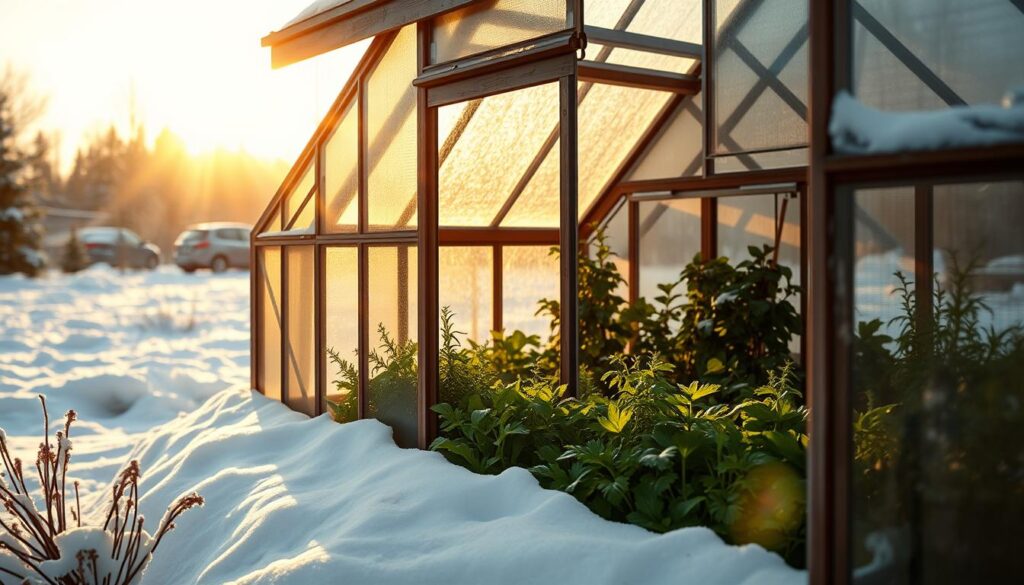
Growth slows noticeably when natural light drops below about ten hours per day. In many northern U.S. locations this happens from November through late February. Expect beds in a modest greenhouse to hold size rather than surge.
Schedule main sowings in late summer to early fall so plants reach usable size before the short-light window. Leaf-by-leaf harvests give food sooner; head lettuce can take up to four months in low light.
Set a realistic timeline: “grow” vs. “maintain”
- Daylength is the driver. Below ~10 hours, growth slows—plan to size plants before that drop, then harvest steadily.
- Use your local calendar. November–late February is often maintenance mode; stagger sowings so some beds are still active.
- Track climate effects. Overcast stretches or snow on glazing cut usable light; adjust expectations week to week.
Create a simple planting calendar from fall through early spring
Build three blocks: fall plantings for winter maintenance, a mid-winter tray under lights for transplants, and early-spring sowings as days lengthen. Space sowings every 2–3 weeks to keep a steady supply.
Practical tip: Add a small lighted tray indoors during the darkest months to have seedlings ready when spring daylight returns. This saves time and keeps beds productive as the season shifts.
Choose Cold-Hardy Winners for Winter Harvests
Focus on quick-turn, cold-ready plants that reward frequent, small harvests. Pick varieties that tolerate chill and bounce back after light freezes.
Spinach, kale, mustard, arugula, loose-leaf lettuce, and chard top the list. These plants handle short days and cold nights while giving repeated leaf-by-leaf picks.
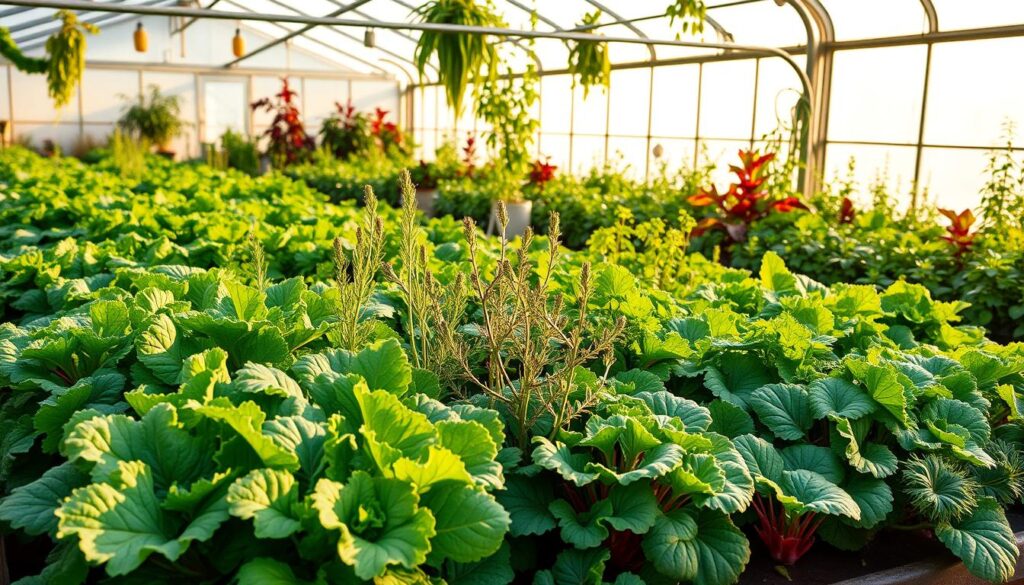
Why baby mixes and mesclun matter
Dense-sown baby mixes reach harvest fast. Sow thick for mesclun and expect usable leaves in weeks. That approach saves space and seed while filling bowls quickly.
What to avoid this season
Skip slow, warm-season vegetables such as tomatoes and large brassicas. Broccoli and cauliflower often take months in low light and tie up valuable soil and space.
Quick tips
- Pick cold-tolerant varieties labeled for quick maturity.
- Sow small, frequent batches to stagger harvests and cut waste.
- Keep soil loose and fertile for steady leaf production, not oversized heads.
| Plant | Strength | Best use |
|---|---|---|
| Spinach | Fast regrowth, frost-tolerant | Salads, sautés |
| Mesclun mixes | Very quick harvest | Baby-cut salads |
| Kale & chard | Cold-hardy, flavorful | Leaf-by-leaf, cooking |
| Mustard & arugula | Quick flavor boost | Salads, stir-fry |
Greenhouse Essentials: Heat, Light, Space, and Small-Space Alternatives
Treat your covered bed like a tiny climate: nudge temperature, add focused light, and use vertical space to multiply your yield. These simple moves make winter care practical in small yards and apartments.
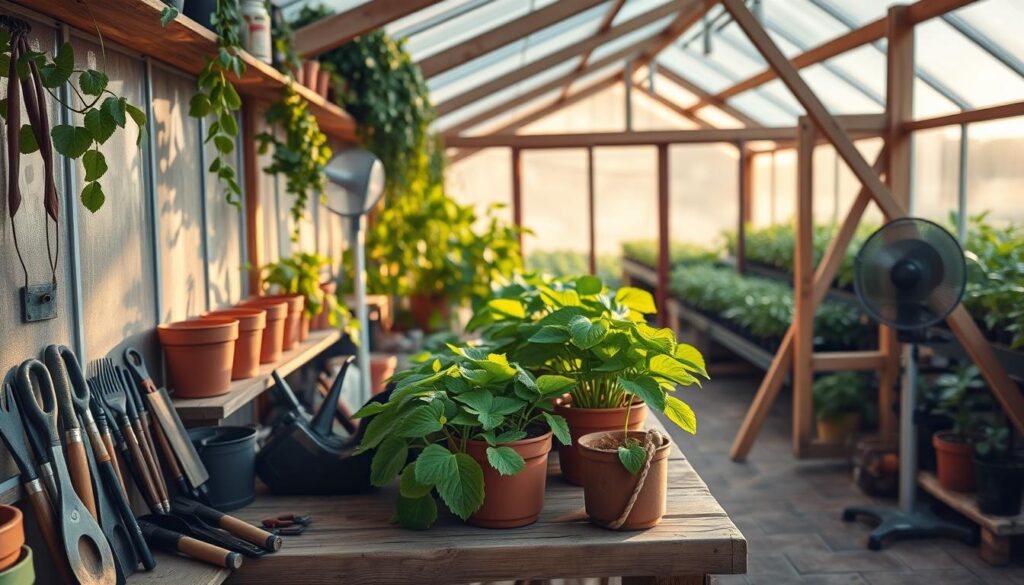
How cold can plants handle?
Leafy crops tolerate chill down to about 15°F with protection. For steady growth, keep interior temperatures above freezing. Aim for roughly 41°F (5°C) when you want active leaf production.
During deep freezes, add insulation: tuck straw or leaves around pots and clear snow from glazing to capture every ray of sun.
Lighting that actually helps
Use LEDs or T5 fixtures close to the canopy. Position lights within about 12 inches (30 cm) of leaves for meaningful photosynthesis on short days.
Avoid ceiling-only lights that are too far away; lower fixtures or raise plants so light hits the canopy directly.
Make the most of limited space
Benches, shelves, hanging baskets, and vertical planters let you stack production without expanding footprint.
Mobile vertical towers roll to sun by day and inside at night in tight homes. This is a practical way to follow light and dodge cold snaps.
- Keep night temperature from crashing: a small heat bump helps plants recover faster.
- Watch humidity: crack vents on sunny days to prevent disease.
- Clear glazing of snow: the fastest way to boost passive solar gain on dim days.
| Need | Target | Quick action |
|---|---|---|
| Active growth | ~41°F (5°C) | Use close-positioned LED/T5 lights |
| Frost protection | Down to ~15°F with padding | Insulate pots; add straw around containers |
| Space efficiency | Maximize vertical area | Benches, shelves, hanging baskets, vertical towers |
For step-by-step setups and layout ideas, see the winter greenhouse guide to adapt these methods to your climate and space.
want grow leafy greens all winter greenhouse: Step-by-Step Methods
Start with a small, clear dome and a flipped soil bag — it’s a quick path to tender salad leaves in cold months. This low-cost system traps warmth, raises humidity for faster germination, and fits tight patios or porches.
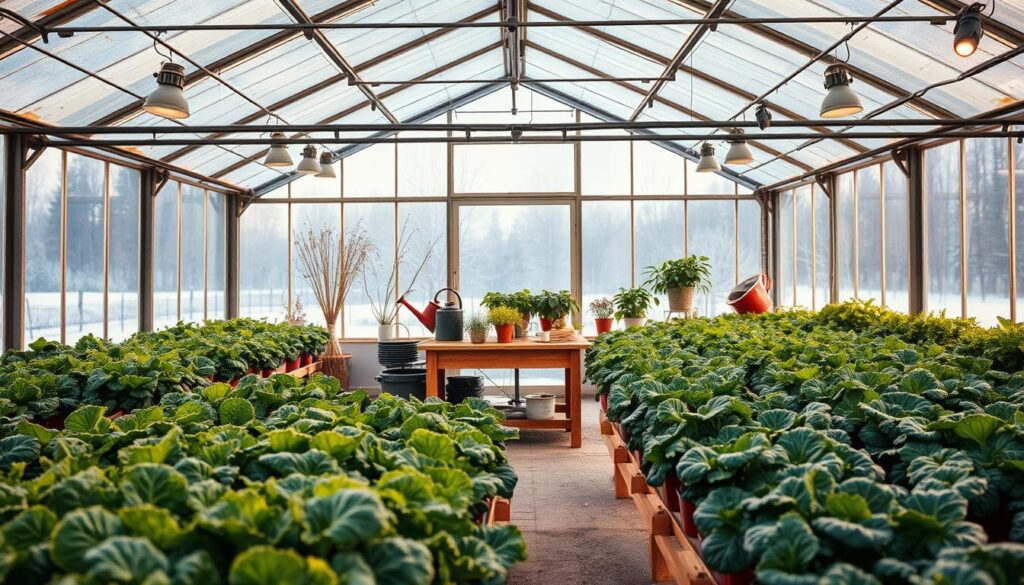
Build a quick mini-greenhouse: the clear-bin over soil-bag method
Make drainage holes in the bottom of a potting soil bag, flip it, and cut a top panel. Loosen the surface so it’s light and airy.
Broadcast your tiny seed evenly, rake lightly, then water with a soft rose to settle the mix. Place the clear tote upside down as a dome and vent on warm days.
Sow like a pro: dense “cut-and-come-again” planting
Sow thick for baby cuts. Aim for frequent, shallow harvests and cut above the growing point so leaves regrow.
Succession planting works best: set a new narrow strip every 7–14 days so a section is always near ready harvest.
Watering and condensation
Use light, gentle watering—evaporation is low in cold weather. Check moisture weekly and avoid puddles that cause rot.
Crack the bin on sunny afternoons to release excess moisture and reduce mold risk.
Protect against arctic blasts
During deep freezes, mound straw, hay, or leaves around container edges to insulate roots and keep crops steady.
One bag per planting makes efficient use of limited space while keeping your setup tidy and easy to move.
- Quick build: poke holes, flip bag, fluff soil, broadcast seeds, cover with clear tote.
- Repeat harvests: dense sowing + staggered plantings = steady supply.
- Cold snaps: add mulch at the base and vent on warm afternoons.
Care, Harvest, and Storage: Keep Greens Thriving Through the Cold Months
Water less often and cut with care to keep plants productive through the colder months. Simple checks of soil moisture and smart, leaf-by-leaf harvesting extend each planting’s useful time.
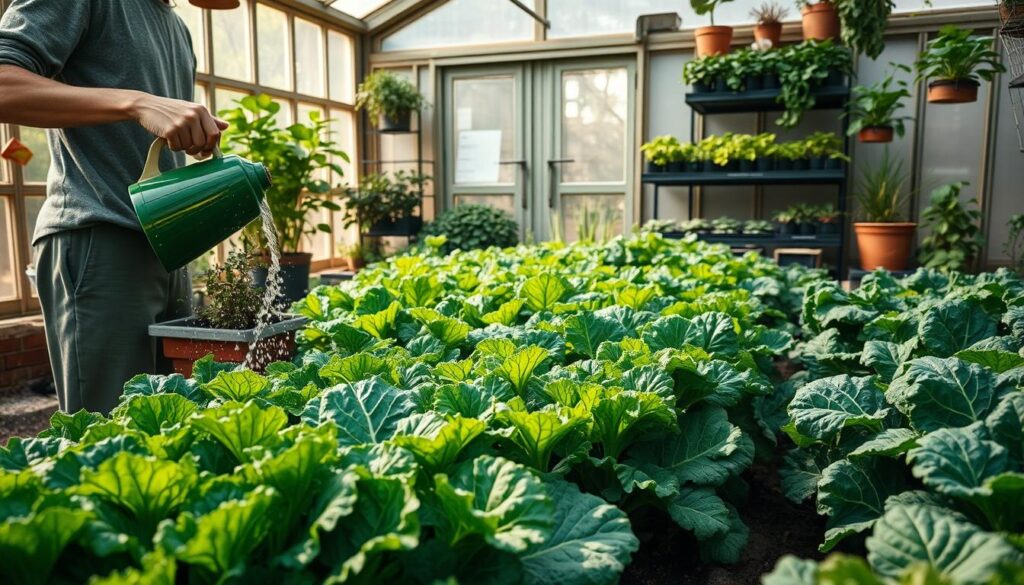
How often should you water in low evaporation conditions?
Winter watering is gentler and less frequent. Check the top inch of soil with your finger and water only when it feels dry.
Watering cadence: aim for a thorough soak about once a week or when the soil surface dries. Covered setups block rain and cut evaporation, so avoid routine light sprinkles that leave roots soggy.
What’s the best harvest strategy for steady supply?
Take individual leaves and leave roughly 25% of foliage so the plant keeps photosynthesizing. For baby greens and spinach, harvest outer leaves first and rotate through the bed.
Ready harvest tip: stagger cuts so each plant has time to recover; in cold stretches, give a bit more time between harvests.
How to manage fertility when root crops share space?
Avoid excess nitrogen near root crops; high nitrogen pushes lush tops but weak roots. Favor phosphorus-forward inputs to support root formation while keeping soil balanced for leaf crops.
- Check soil, then water: less is more in cold months.
- Leave a quarter of the plant: this preserves energy for the next ready harvest.
- Vent if condensation builds: dry leaves reduce disease risk.
- Store harvested leaves cool and dry: pick close to mealtime for best texture.
In short: light, regular checks of soil, careful leaf cuts, and balanced fertility keep your greenhouse productive through the colder months.
Common Winter Growing Challenges and How to Fix Them
Short days and crowded beds are the two biggest headaches in cold months. Both respond to direct fixes—light and space—so your plants keep producing.
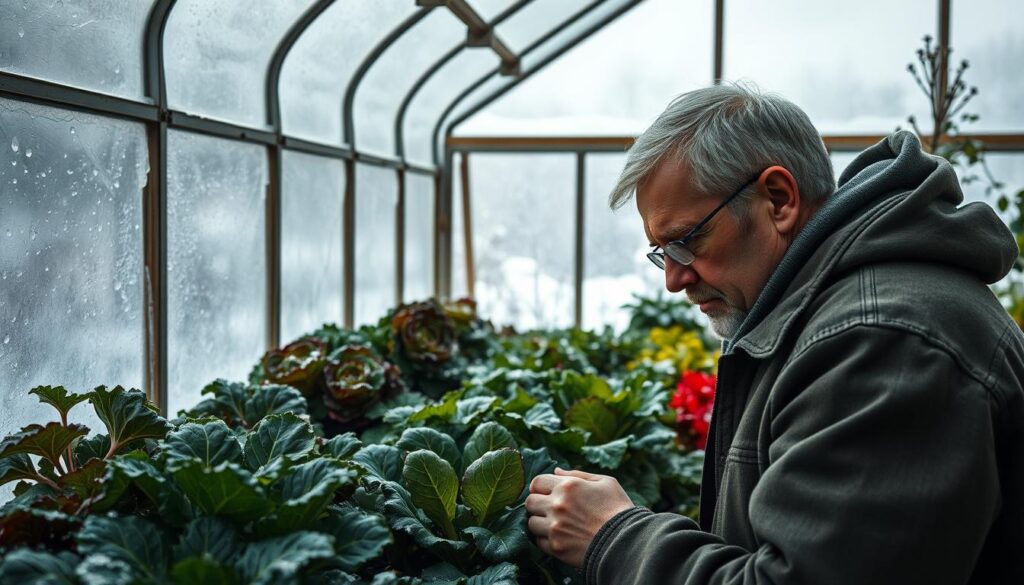
Why does growth slow and what can you do?
Daylength below about ten hours cuts photosynthesis and slows leaf formation.
Hang LED or T5 fixtures roughly 12 inches above the canopy to boost light. This placement helps young plants resume steady leafing without burning leaves.
Is overcrowding stunting my beds?
Thick sowing shades lower leaves and invites disease. Thin early: snip extras or transplant stronger seedlings to free space.
When a single head or large vegetable hogs a square foot for months, replace it with cut-and-come-again varieties to maximize yield per square space.
Practical checklist to fix common problems
- Short days: add close-positioned lights or accept a “maintain and harvest” rhythm until longer days return.
- Over-seeding: thin, clip, or move extras so remaining plants can thrive.
- Airflow: keep vents open and avoid crowding to reduce humidity and disease.
- Use vertical space: shelves, benches, and hanging baskets expand productive area without enlarging footprint.
| Problem | Fix | Quick action |
|---|---|---|
| Slow growth | Supplemental light | Hang LED/T5 ~12″ above canopy |
| Crowding | Thin or transplant | Clip extras; move stronger plant |
| Stalled beds | Refresh with seed | Reseed a fresh strip of baby greens |
In short: match light to need and give plants room to breathe. With a few small moves, a tight climate becomes dependable vegetables through the season.
Conclusion
A small, well-managed greenhouse delivers fresh food through the cold months with simple steps and steady care. Focus on quick, cold-hardy crops, leaf-by-leaf harvests, close lights, and light watering to keep beds productive.
Plan by season: time sowings around daylength and use shelves or hanging baskets to expand productive space without enlarging your garden.
Accept that some varieties wait for spring and shift to warm-season tomatoes and summer crops when temperatures rise. Track planting dates and harvests so each year your winter gardening gets easier and more abundant.