
A pressure regulator that seems stuck open can make a timer-controlled irrigation system act rough: strong first blasts, uneven zones, rattling pipes, leaks, or drip parts that look stressed. Before replacing anything, confirm whether the regulator is actually the problem.
The issue may come from the regulator, but it can also come from a stuck solenoid, a zone valve that is not closing, debris inside the line, the wrong pressure rating, or a timer that keeps a valve energized. Start with diagnosis, then move to cleaning or replacement only when the symptoms point in that direction.
Quick answer
If a pressure regulator appears stuck open on a timer, pause the timer, shut off the upstream supply, relieve trapped pressure, and measure the line with a water pressure gauge before opening the regulator. A steady high reading downstream can point toward a failed or mismatched regulator, but continued water flow after the controller shuts off may point to a valve or solenoid issue instead.
For drip systems, pressure needs are often much lower than for many spray setups, so the “right” number depends on the emitters, tubing, regulator type, and layout. Do not assume one PSI target fits every yard.
If cleaning debris from the screen, diaphragm area, or seat does not restore steady behavior, replacement may be more practical than repeated disassembly. Corrosion, cracks, persistent leaks, and wiring risks are good reasons to stop and call an irrigation technician.
Key takeaways
- Measure first. A pressure gauge helps you avoid replacing the wrong part.
- Check the valve and solenoid. A stuck valve can mimic a stuck-open regulator.
- Shut off and relieve pressure before loosening any fittings or covers.
- Clean only when the unit is safe to open and the manufacturer’s design allows inspection.
- Replace carefully. Match pressure rating, thread type, system type, and inlet/outlet size.
- Use a filter when debris keeps returning, but do not treat filtration as a repair for worn regulator parts.
Helpful products at a glance
These support tools fit different points in the troubleshooting process. They are not a shortcut around diagnosis, but they can make the next step clearer.
Best for diagnosis because it confirms pressure before parts are replaced
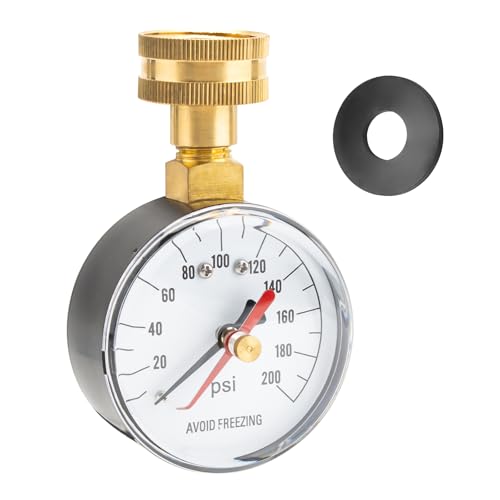
- ACCURATE PRESSURE DIAGNOSIS --- 0-200 PSI range with a clear 2-1/2" dial and red indicator hand for precise readings to identify low or high water pressure issues.
- UNIVERSAL COMPATIBILITY --- This water pressure gauge features a standard 3/4" female hose thread connection for easy attachment to outdoor spigots, RV water inlets, water heater drain valves and home faucets.
Best for compatible drip replacement because it is rated for 25 PSI hose-thread setups
- Maintains optimum 25 psi pressure and water flow to Drip lines and emitter devices
- Connects to any 3/4" male pipe threaded faucet, garden hose or component

Best for sediment prevention because it filters debris before drip components

First, confirm what is actually staying open
A timer does not usually control pressure directly. It tells a valve to open or close. The regulator then reduces pressure for the downstream irrigation parts, depending on how the system is built.
That matters because a zone that keeps running after the timer stops may not be a regulator problem. It may be a valve that is stuck open, a solenoid that is still energized, debris in the valve seat, or a manual bleed screw that was left open.
Check the timer, valve, and zone behavior
Run one zone and watch what happens when the controller shuts it off. If water keeps flowing normally, inspect the valve and solenoid before blaming the pressure regulator.
If the water stops but the pressure was too high while the zone was running, the regulator becomes more suspect. If the pressure jumps sharply at startup and then settles, the issue may involve cycling, valve closure, or regulator response.
Good troubleshooting starts with separating a flow-control problem from a pressure-control problem.
Signs a pressure regulator may be stuck open
A stuck-open or bypassing regulator lets too much pressure pass downstream. The signs are usually easiest to spot when a timer starts or stops a zone.
High or fluctuating flow at the hose or zone
Sprinklers may mist heavily, drip emitters may disconnect, or one zone may run much stronger than expected. You may also see a hard first blast when the timer opens the valve.
Uneven flow does not prove the regulator failed, but it does mean you should measure pressure instead of guessing. Clogs, undersized tubing, valve issues, and mismatched components can also cause uneven watering.
Water hammer, rattling, or chattering
Water hammer sounds like banging, thumping, or rattling when a valve opens or shuts. Timer-controlled systems can make this more obvious because the on/off cycle is abrupt.
Excess pressure can contribute to the noise, but rapid valve closure and pipe layout can also play a part. Treat the sound as a warning sign, not a final diagnosis.
Leaks around fittings or downstream parts
Leaks may appear around the regulator body, hose-thread connections, valve box fittings, drip tubing, or sprinkler fittings. Sometimes they show only during the first part of a cycle, when pressure is highest.
After a run, check for wet soil near fittings, mineral crust on threads, or unusually lush patches near buried lines. Those signs can point to repeated seepage.
Safety checks and tools before troubleshooting
Do not open a pressurized irrigation line. A small fitting can release water quickly, and a cracked plastic housing can make a simple repair more expensive.
Pause the timer program first, then close the upstream valve. Open a downstream hose end, manual drain, or zone outlet briefly to relieve trapped pressure before touching the regulator body.
Gloves and eye protection are sensible if you are working in a valve box or around gritty fittings. Wet valve boxes can also sit close to low-voltage irrigation wiring, so avoid pulling wires or loosening electrical parts unless you know what you are doing.
Use a gauge before opening parts
A basic hose-thread water pressure gauge fits this step because it helps confirm what the system is actually doing before you open the regulator or replace parts. It can show whether the pressure is high, low, steady, or jumping during a timer cycle.
Take the reading at a useful point, such as a hose bib or downstream test point, depending on your system layout. If possible, check the reading with other water fixtures off so the number is easier to interpret.
Write down both the startup reading and the steady reading after the zone has run for a short time. A brief surge and a steady high reading can mean different things.
Compare the number with the pressure range recommended for your actual irrigation parts. Drip emitters, spray heads, tubing, and pressure regulators are not all designed for the same pressure.
| Step | What to do | Useful tool | What it tells you |
|---|---|---|---|
| Shut off | Pause the timer and close the upstream valve. | None | Prevents sudden flow while you inspect the system. |
| Relieve pressure | Open a downstream hose end, drain, or zone outlet briefly. | Towel or bucket | Reduces trapped water before fittings are loosened. |
| Measure | Attach a hose-thread gauge and record startup and steady readings. | Water pressure gauge | Shows whether the system is running high, low, or unstable. |
| Inspect | Look for leaks, cracks, corrosion, grit, and damaged seals. | Soft brush, wrench, light | Helps separate debris problems from worn or broken parts. |
If you need a simple diagnostic tool for this step, you can view this hose-thread pressure gauge on Amazon. A gauge will not fix the system, but it can keep you from replacing a regulator based only on noise or uneven flow.
- ACCURATE PRESSURE DIAGNOSIS --- 0-200 PSI range with a clear 2-1/2" dial and red indicator hand for precise readings to identify low or high water pressure issues.
- UNIVERSAL COMPATIBILITY --- This water pressure gauge features a standard 3/4" female hose thread connection for easy attachment to outdoor spigots, RV water inlets, water heater drain valves and home faucets.
- ESSENTIAL TOOL FOR HOME & RV MAINTENANCE --- It is equipped with a copper alloy tube sensing element for reliable and precise pressure readings. From testing garden spigots and calibrating water heaters to ensuring perfect pressure in your RV, this water pressure tester is your key to peace of mind.
- UNLOCK YOUR HOME'S WATER PRESSURE SECRETS --- Is your home faucet leaking? Is your shower flow weak? Are your appliances underperforming? Connect this home water pressure test gauge to any faucet or spigot for instant, clear answers.
How to troubleshoot a pressure regulator stuck open on a timer
Once the system is safe and you have a pressure reading, move slowly through the likely causes. The goal is to rule out the easy mistakes before opening or replacing the regulator.
1. Isolate one zone at a time
Run one irrigation zone and watch the flow. Then shut it off from the controller. If water keeps moving after the controller says the zone is off, check the valve and solenoid first.
A regulator controls pressure; it does not normally decide whether a zone is open or closed. That distinction can save you from buying a regulator when the valve is the real problem.
2. Compare pressure before and after the suspected regulator
If your layout allows it, compare pressure upstream and downstream of the regulator. A regulator that is doing its job should reduce pressure to the range needed by the downstream components.
If the downstream reading stays too high for the system, the regulator may be bypassing, stuck, installed incorrectly, or rated for the wrong setup. If the reading is low, look for clogging, undersized parts, a closed valve, or a restricted filter.
3. Look for debris before assuming wear
Sand, grit, pipe shavings, and mineral flakes can hold small internal parts away from their seat. In drip systems, debris may also clog screens and emitters, making pressure behavior look confusing.
If the regulator has a removable screen or serviceable cover, follow the manufacturer’s instructions. Rinse parts with clean water and use a soft brush only where it will not scratch sealing surfaces.
4. Inspect the diaphragm, spring, seat, and O-rings
A torn or stiff diaphragm may not respond properly. A corroded spring, worn seat, cracked housing, or flattened O-ring can also let water pass in ways the regulator can no longer control.
Do not assume universal rebuild kits will fit. Many regulator internals are brand-specific, and a mismatched seal or spring can create leaks or poor pressure control.
5. Reassemble carefully and retest
Reassemble without cross-threading. Restore water slowly and watch for leaks before running a full timer cycle.
Retest the same zone with the gauge. Listen for hammering, check downstream fittings, and compare the new reading with your earlier number.
When cleaning is not enough
Cleaning can help when debris is the cause. It is less useful when the regulator body is cracked, the seat is worn, the diaphragm is damaged, or corrosion keeps returning.
Repeated disassembly can also make plastic fittings weaker, especially if threads are already worn. If the same symptom returns after a careful cleaning, replacement may be the cleaner decision.
Choosing the right pressure regulator rating
The replacement regulator must match the irrigation setup. Check the outlet pressure rating, inlet limit, connection type, thread style, flow needs, and whether the product is meant for drip irrigation, spray irrigation, or another use.
A fixed 25 PSI drip regulator, for example, may be useful for a compatible drip setup but wrong for many sprinkler zones. A hose-thread regulator also may not fit an underground valve assembly that uses pipe threads.
For a drip setup that actually calls for 25 PSI and uses hose-thread connections, the Rain Bird HT07525PSI type of replacement regulator can be a practical option after diagnosis confirms the old unit is worn or unsuitable. You can check this drip irrigation pressure regulator on Amazon if that connection style and pressure rating match your system.
Do not use product photos alone to judge fit. Read the pressure rating and connection details, then compare them with the existing regulator and the needs of your emitters or tubing.
| Decision | Signs you may see | Best next step | Important caution |
|---|---|---|---|
| Clean and retest | Debris, grit, or mineral flakes with no visible cracks. | Rinse serviceable parts, reassemble, and measure again. | Do not scrape sealing surfaces with sharp tools. |
| Replace parts only | Worn seal, diaphragm, spring, or seat in a rebuildable unit. | Use only compatible parts for that exact regulator. | Generic rebuild kits can be a poor fit. |
| Replace the regulator | Cracked housing, corrosion, wrong rating, or repeated failure. | Choose a regulator matched to system type and pressure needs. | A drip regulator is not automatically right for sprinkler zones. |
| Call a professional | Persistent leaks, hard-to-access piping, wiring nearby, or unstable pressure after service. | Have the valve box, regulator, and pressure behavior checked together. | Stop if water and electrical timer wiring are involved. |
After the decision table, the safest replacement path is still the one that matches your actual system. If the old regulator is part of a hose-thread drip setup, a 25 PSI hose-thread regulator may fit. If it is part of a buried valve manifold or sprinkler layout, the right replacement may be completely different.
- Maintains optimum 25 psi pressure and water flow to Drip lines and emitter devices
- Connects to any 3/4" male pipe threaded faucet, garden hose or component
- 20 gallon per minute flow through capacity
- Durable, robust design provides reliable operation
How to reduce future regulator problems
Prevention starts with clean water, correct pressure, and seasonal checks. If your system regularly carries sand, grit, or small debris, the regulator may not be the only part under stress.
Flush lines after repairs, check screens, and clean filters on a schedule that matches your water source. Well water, older pipes, and repaired lines can send more debris into small irrigation parts.
A compatible filter can be useful in drip systems where grit keeps reaching emitters, screens, or regulator internals. It does not repair a worn regulator, and it still needs cleaning.
If grit or sand keeps showing up during inspection, a compatible drip irrigation Y-filter can support prevention by catching debris before it reaches sensitive downstream parts. Check mesh size, thread type, and cleaning access before choosing one.
Also check how tightly fittings are installed. Over-tightened plastic threads can crack, while loose fittings can seep during pressure changes.
Before the next season, run each zone briefly and listen for rattling, hammering, and sudden pressure changes. A short check before plants depend on the system is easier than troubleshooting during a hot stretch.
For compatible drip layouts with recurring debris, you can see this drip irrigation filter on Amazon. Treat it as maintenance support, not as a cure for a failed regulator or a stuck valve.
FAQ
What are the common signs a pressure regulator is stuck open?
Common signs include high downstream pressure, uneven flow, misting sprinklers, drip parts popping loose, rattling pipes, and leaks around fittings. These signs suggest pressure trouble, but they do not prove the regulator is the only cause.
Can a timer or solenoid cause the same symptoms?
Yes. A stuck solenoid, a valve that will not close, or a timer that keeps a valve energized can make a zone keep running. Check valve behavior before replacing the regulator.
What pressure should my irrigation system have?
The correct pressure depends on the irrigation parts. Drip emitters, spray heads, tubing, and regulators have different needs, so compare your gauge reading with the recommended range for your specific setup.
Can I clean and reuse a pressure regulator?
You may be able to clean and reuse it if the problem is debris and the unit is designed to be serviced. Replace it if the body is cracked, the seat is worn, the diaphragm is damaged, or corrosion keeps returning.
Should I use a universal rebuild kit?
Only use parts that match the exact regulator. Regulator internals are often brand- or model-specific, and generic seals or springs can create leaks or poor pressure control.
When should I call an irrigation technician?
Call a professional if leaks continue, pressure stays unstable, fittings are corroded, the valve box is crowded, or timer wiring is close to wet parts. A technician can test the valve, regulator, and pressure behavior together.
Can a sediment filter prevent this problem from coming back?
A filter can help reduce debris in compatible drip systems, but it does not prevent every clog or fix worn regulator parts. It also needs periodic cleaning to keep water moving properly.
Final verdict
A pressure regulator that seems stuck open should be checked in a clear order: timer and valve first, pressure reading next, then inspection and cleaning if the unit is safe to service. That sequence helps prevent wasted parts and safer repairs.
If the reading stays too high for your system, the regulator is damaged, or the replacement fit is not obvious, do not force the repair. Match the new part carefully or bring in a professional before leaks, hammering, or overpressure damage more of the irrigation system.