
A Physical Therapist’s Guide to Using Garden Tools Safely and Avoiding Strain

Have you ever wondered why a quick hour of yard work leaves your hands sore the next day? This article will change how you plan and do tasks so aches don’t follow you inside.

Table of contents

Think of your yard as a place your body works—like a gentle workout. Small shifts in posture, grip, and timing make weeding, digging, or pruning much kinder to your joints.

We blend practical tool choices with posture cues and short, realistic steps that fit a ten-minute break or an afternoon session. Expect clear tips on reducing injuries and keeping your body supported while you enjoy gardening.

For deeper, step-by-step routines and mobile checklists, see our full plan at pain-free gardening.

Key Takeaways

  • View yard activity as active work and plan short breaks to reduce strain.
  • Choose ergonomic handles and the right tool for each task to protect wrists and hands.
  • Rotate tasks and vary posture to avoid repetitive injuries.
  • Divide heavy loads and use a cart for better support when lifting.
  • Finish with gentle stretches to help recovery and prevent lasting aches.

Why safe gardening matters right now: common risks and how injuries happen

A few hours of yard work can strain your wrists and hands more than you expect. Every year more than 400,000 emergency visits are linked to gardening and yard work accidents.

That number shows why simple changes matter in the yard today.

Fast facts: ER visits, who’s at risk, and typical yard work strain

Common causes include cuts, punctures, and scrapes from sharp edges or hidden debris in soil. Overuse from digging, weeding, snipping, and shearing leads to repetitive strain and tendonitis, often around the wrist and hand.

  • More than 400,000 ER visits happen annually from yard accidents—small steps cut that risk.
  • Sedentary people, those returning in spring, and seniors face higher chances of muscle protest and injury.
  • Gloves block bacteria, fungi, thorns, and sun exposure and lower the odds of cuts and insect bites.
  • Take breaks every 30 minutes, vary tasks, and keep good body position to reduce pain and strain.
  • If you feel tingling or sharp pain in the wrist or hand, stop and switch tasks before symptoms worsen.

A cluttered garage filled with scattered garden tools - rakes, shovels, hoes, and clippers. A person's leg is visible, lying on the ground with a deep gash, blood pooling around. Bright overhead lighting casts harsh shadows, creating a sense of urgency. The scene conveys the potential dangers of unorganized and haphazard yard work, with the injured person's pained expression highlighting the consequences of unsafe practices. Somber tones and muted colors evoke a serious, cautionary atmosphere.

Physical therapist’s guide using garden tools safely: posture, tools, and safer techniques

A few simple adjustments to stance and grip make yard work feel easier and kinder to your wrists. Shift power to larger joints, pick the right gloves, and stop before small aches turn into lasting strain.
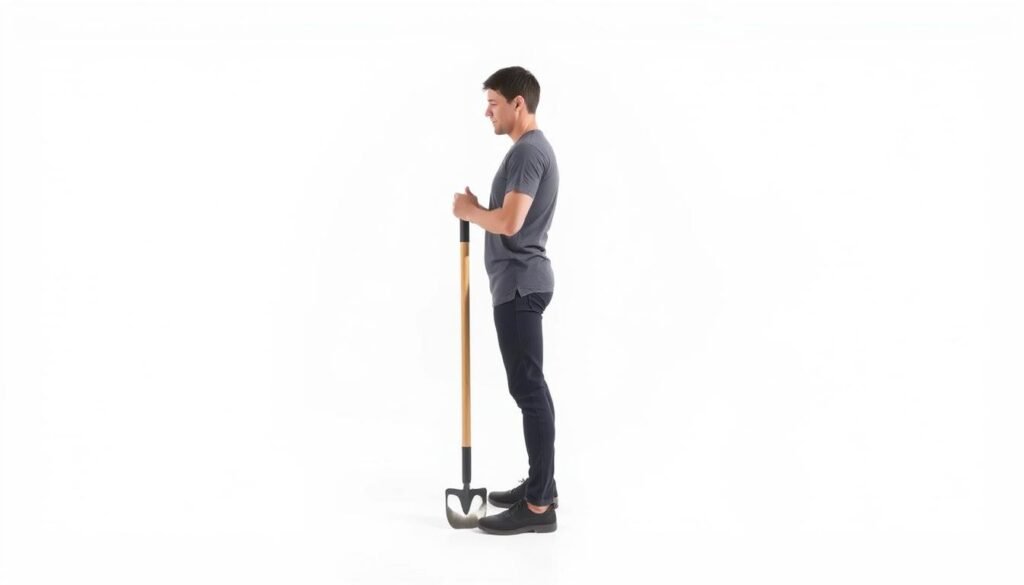
A person standing in a neutral, balanced posture while holding a garden tool. The figure is centered in the frame, with a clean, minimalist background to focus attention on the proper form. Soft, even lighting illuminates the scene, casting gentle shadows that accentuate the figure's positioning. The person's stance is upright, weight evenly distributed, shoulders relaxed, and grip on the tool relaxed yet secure. This calm, controlledpose demonstrates the principles of safe, ergonomic tool usage recommended by physical therapists.

Set your body up for success: neutral wrist, posture, and using larger joints

Keep the wrist relaxed in a neutral position and stack your body from head to feet. Let your shoulders and elbows do the heavy work so the hand and wrist stay fresher. A bent wrist can cut grip strength by up to 25%.

Protect your hands: choose gloves and better grip

Match gloves to the job: leather for thorny stems, latex or rubber when working in soil for a firmer grip. Good gloves reduce slippage and lower the squeeze your hand needs.

Pick smarter tools and work in intervals

Favor ergonomic handles, spring mechanisms, and sharp, oiled blades that glide. When a tool fights you, swap it out or change your position. Take brief breaks every 30 minutes, rotate tasks, and stretch to limit repetitive strain.

Lift and prevent accidents

Use a cart, divide loads, and lift with knees bent and chest tall. Follow manufacturer instructions, lock safety catches, unplug power equipment when idle, and store sharp items out of reach.

For posture drills and posture cues that protect your wrist and shoulders, see gardening posture.

Plan your gardening session like a pro: warm-up, pacing, and environment tweaks

A short walk and easy stretches prime your muscles and joints for an hour of yard work. Simple prep and small setup changes cut pain and reduce next‑day discomfort.

A person performing dynamic stretches and warm-up exercises in a lush backyard, surrounded by verdant foliage and a sunny atmosphere. The foreground features the person stretching their arms, legs, and core, their movements fluid and purposeful. The middle ground showcases a well-maintained lawn, with garden tools and equipment neatly arranged nearby. The background features a variety of mature trees and shrubs, creating a serene and inviting environment. The lighting is warm and natural, with soft shadows casting a gentle glow. The overall mood is one of tranquility and preparation, setting the stage for a productive and strain-free gardening session.

Warm up and cool down: short walks and gentle stretches for spine, shoulders, and wrists

Begin with a brisk 10-minute walk to wake the body and raise circulation. Add gentle spine rotations, shoulder rolls, and wrist circles so muscles are ready for activity.

Finish with a short walk and the same light stretches to calm muscles and lower next-day pain.

Adapt your setup: raised beds, benches, knee pads, and longer handles to reduce bending

Sit when possible on a bench or low seat. Use knee pads or try one knee down to spare your back. Raised beds and trellises cut deep bending and repetitive overhead reach.

Longer handles and a watering wand keep your reach neutral, easing work on hands and shoulders.

Time tasks wisely: schedule digging when soil is moist and vary tasks to reduce strain

Do digging when soil is moist but not waterlogged for cleaner holes with less force. Use a wagon to limit heavy lifting and split loads to protect your knees and back.

Alternate planting, pruning, and weeding so no single muscle group does all the work. If discomfort lingers more than a day or two, ease back and consider therapy or rehabilitation guidance.

“Plan, pace, and protect—your yard will thank you, and so will your body.”

About the Author

Garden Expert (Ethan Green) is your green-thumbed guide at The Garden Haven. With years of hands-on experience in home gardening, greenhouse care, and sustainable planting, Garden Expert shares practical tips and expert advice to help you grow healthier, happier gardens—season after season.

Editorial Process Note

Just like a healthy garden, our content is carefully nurtured. Every tip and technique shared on The Garden Haven comes from years of hands-on experience. Before we publish an article, our team "weeds out" any inaccuracies by checking facts against trusted horticultural sources. We regularly revisit our articles to keep them fresh and up-to-date, ensuring you always have the best information for a thriving garden.

Conclusion

End each session with a brief walk and gentle stretches to ease pain and loosen the hand and wrist. This small habit cuts next-day soreness and flags strain early.

When discomfort lasts more than a day or two, scale back and consider an appointment to avoid lasting injuries.

Pick ergonomic gardening tools, keep blades sharp, use gloves that fit, and pace tasks to lower the risk of repetitive strain injuries and tendonitis. Divide heavy loads or use a cart and store sharp items locked and unplugged for long-term safety.

For evidence that nature and light activity can reduce pain and improve recovery, see this study on healing and attention: nature and recovery research.

Use these tips as a quick checklist before you start yard work—one minute of planning prevents many injuries and keeps your plants and projects enjoyable.

FAQ

What common injuries happen during yard work and who is most at risk?

Sprains, strains, tendonitis, and cuts are common after digging, lifting, pruning, or repetitive tasks. Older adults, people with prior joint problems, and those who suddenly increase activity are at higher risk. Simple changes to posture, tool choice, and task pacing cut risk significantly.

How should I position my wrist and body to reduce strain while planting or weeding?

Keep your wrist in a neutral position—straight, not bent up or down—and use larger joints like shoulders and hips to move. Bend at the knees and hips when lowering yourself, and bring work to waist height with a table or raised bed when possible to avoid prolonged stooping.

What features should I look for in gloves to protect hands from thorns and improve grip?

Choose gloves with reinforced palms, tactile fingertips, and breathable, puncture-resistant fabric for thorny plants. A snug wrist closure prevents debris entry; nitrile or leather palms improve grip in wet soil and reduce the force needed to hold tools.

Which tool designs reduce repetitive strain and make pruning or digging easier?

Ergonomic handles, padded grips, spring-loaded pruners, and long-handled tools reduce wrist and back strain. Look for tools with non-slip grips and offset handles that keep your wrist neutral. Keep blades sharp so you use less force.

How long should I work before taking a break to prevent repetitive strain injuries?

Aim to change tasks or take a short break every 20–30 minutes. Even 3–5 minutes of light stretching or walking helps blood flow and relieves tension. Rotate activities (weeding, pruning, watering) to vary muscle use.

What’s the safest way to lift soil bags, pots, or heavy plants?

Use a wheelbarrow or garden cart whenever possible. When lifting, keep the load close to your body, bend your knees, engage your core, and lift with your legs—not your back. Split heavy loads into smaller, manageable pieces.

How can I adapt my garden to reduce bending and reaching?

Install raised beds, use long-handled tools, add a potting bench or garden stool, and place commonly used items within arm’s reach. Knee pads or a comfortable garden mat reduce pressure when you must kneel.

Are warm-ups and cool-downs necessary before gardening, and what should they include?

Yes. A 5–10 minute warm-up—light walking and gentle shoulder, wrist, and hip circles—prepares muscles. Cool down with gentle stretches for the back, hamstrings, wrists, and forearms to reduce soreness and stiffness.

How often should I maintain tools and blades to prevent accidents and reduce effort?

Inspect tools before use and sharpen blades regularly—dull tools require more force and raise injury risk. Clean tools after use to prevent rust, tighten loose handles, and store tools safely out of reach when not in use.
Seek care if pain lasts more than a week despite rest, limits daily activities, causes numbness or weakness, or follows a clear injury. Early evaluation and tailored exercises can prevent chronic problems and speed recovery.

What simple pacing strategies help prevent overuse during a long yard project?

Break large jobs into small sessions over several days, alternate heavy and light tasks, set a timer for work/rest cycles, and enlist help for repetitive or heavy tasks. Hydrate and listen to your body—stop if you feel sharp pain.
Trusted brands like Fiskars and Felco make ergonomic pruners; Corona and Ames offer long-handled tools with comfortable grips. For gloves, consider Wells Lamont or Atlas for durability and fit. Try items in person when possible to ensure comfort.