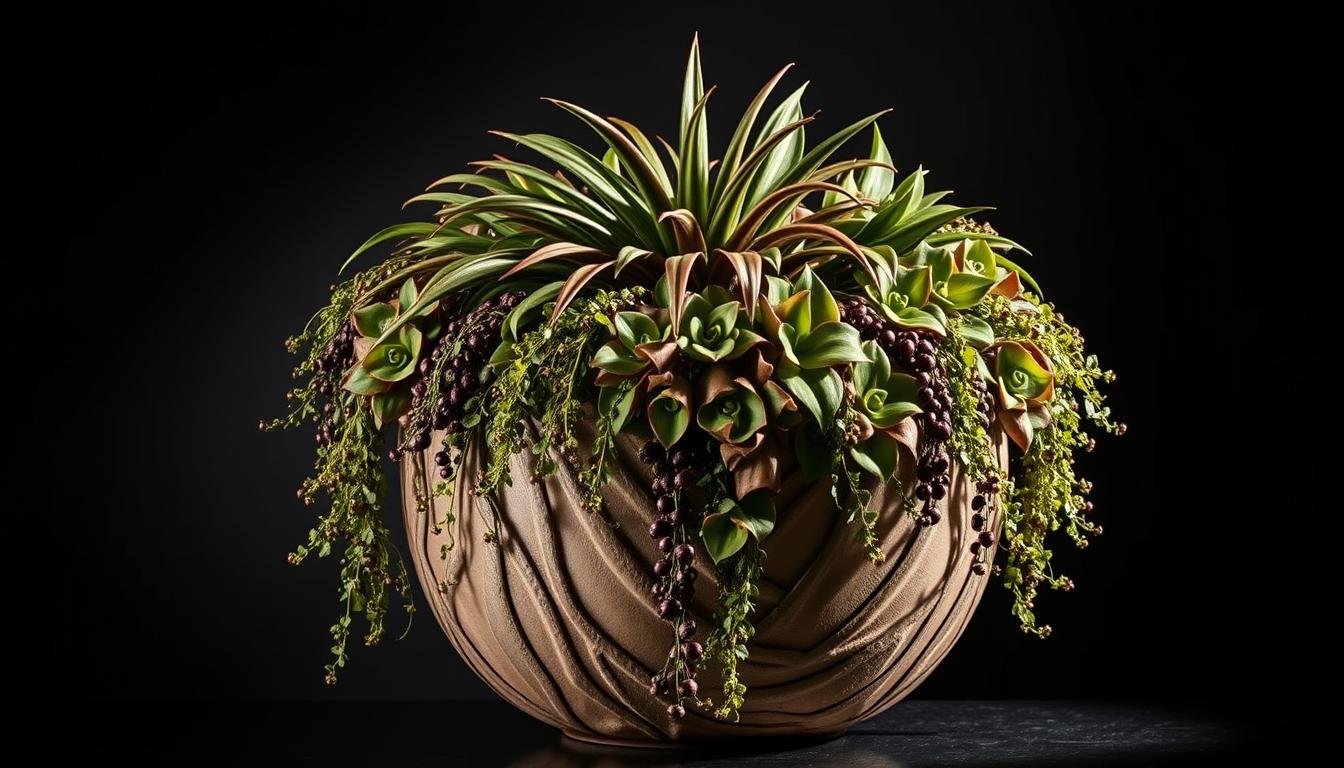
A good container garden is not just a pretty mix of plants. It works because the pot, soil, light, water, and plant shapes all make sense together.
The thriller, filler, spiller method gives you a simple starting point: one upright plant for height, mounding plants for fullness, and trailing plants to soften the rim. The method is easy to use, but it still needs one important rule: choose plants that share the same light and water needs.
Quick answer
The thriller, filler, spiller method uses three plant roles in one container. The thriller adds height, the fillers create body, and the spillers trail over the edge.
For the best result, start with a container that has usable drainage, fill it with potting mix made for containers, and choose plants that suit the same sun exposure and moisture level. Test the layout while the plants are still in their nursery pots before you plant.
The biggest mistake is choosing by color alone. A beautiful full-sun spiller and a shade-loving filler may look good together at the garden center, but they can be difficult to keep healthy in the same pot.
Key takeaways
- Use one upright thriller, several mounding fillers, and one or more trailing spillers.
- Match all plants by light, water needs, mature size, and maintenance level.
- Choose a container with enough root room and drainage that can be configured before planting.
- Use container potting mix instead of garden soil alone, which can compact in pots.
- In hot or windy spots, larger containers and steadier watering checks usually make care easier.
Helpful products at a glance
These support supplies fit the setup side of this method. They are not required for every container, but they may help when the pot size, soil choice, or watering routine is the weak point.
Best for larger statement containers because it gives the planting more root room
- DECORATIVE DESIGN: This indoor and outdoor flowerpot and planter features a traditional, classic rolled rim. Our self-watering pots are nice and big with a generous planting area.
- INNOVATIVE SELF-WATERING DISK: This unique planter includes a convenient self-watering disk that helps to store reserved water which can be used by the plants at a later time. Your plants and flowers will absorb water when needed.

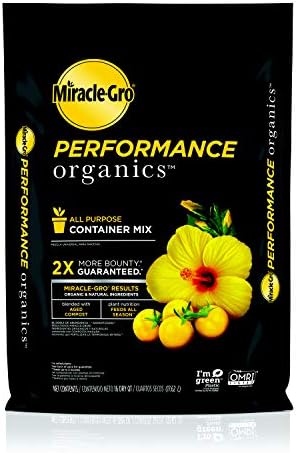
Best for container soil setup because it is made for potted plants
- Organic container mix feeds your indoor and outdoor container plants all season (up to 3 months)
- Miracle-Gro Performance Organics All Purpose Container Mix delivers twice the bounty - more vegetables, flowers and herbs - with organic and natural ingredients (vs unfed plants) Screen reader support enabled.
Best for multiple patio pots because it can support steadier watering
- 360° Precision Spraying: These 8ft drip rods feature an aluminum interior and can be bent and fixed 360° for easy adjustment of spray position and direction. It delivers precise water to where plants need it. Ideal for complex garden layouts, flower beds, or potted plants.saving up to 80% of water compared to traditional garden sprinkler system.
- Adjustable Water Flow: Rotate the nozzles to adjust the water flow mode. Switch between mist (for seedlings), shower (for lawns), stream (for medium to large potted plants), or drip irrigation (for deep-rooted plants). Choose the right watering mode for each plant to prevent overwatering.

How the thriller, filler, spiller method works
This planting method is useful because each plant has a clear job. Instead of buying several attractive plants and hoping they work together, you build the container around height, body, and movement.
A balanced container starts with plant compatibility first, then color and style.
| Plant role | What it does | Best placement |
|---|---|---|
| Thriller | Adds height and gives the eye a focal point | Center of an all-around pot or back of a front-facing pot |
| Filler | Adds fullness, color, and texture through the middle | Around the thriller, leaving room for mature growth |
| Spiller | Trails over the rim and softens the container edge | Near the outside edge where it can drape naturally |
For a medium-size container, a simple starting point is one thriller, two or three fillers, and one or two spillers. A larger pot can handle more plants, but crowding too much at planting time can create airflow and watering problems later.
Plan the site before buying plants
Before you shop, stand where the container will live and study the spot. A porch, balcony, front step, or patio corner can have very different conditions from the rest of the yard.
Check sun and shade honestly
Watch the area during the day and note how many hours of direct sun it gets. Full sun plants usually struggle in deep shade, while shade plants may scorch in a hot afternoon spot.
Filtered light matters too. A container under a tree, porch roof, or balcony overhang may get bright light without much direct sun. Plant tags are helpful, but your actual site should make the final decision.
Think about heat, wind, and access
Patios, decks, brick walls, and concrete can reflect heat and dry containers faster. Wind can dry leaves and potting mix even when temperatures are not extreme.
If the pot sits in a hot or exposed place, a larger container may be easier to manage than a small decorative pot. More soil volume gives roots a better buffer against fast drying, although you still need to check moisture regularly.
- Use sun-loving plants together in hot, bright spots.
- Use shade-tolerant plants together in covered or low-light areas.
- Avoid tall, top-heavy thrillers in windy locations unless the pot is stable.
- Leave enough walking space around entryways, stairs, and narrow balconies.
Choose the right container
The container controls root space, drainage, stability, and how often you water. A pot that is too small can dry quickly and may not visually support a tall thriller.
For readers building one larger statement pot, a 20-inch planter with configurable drainage can give the thriller, fillers, and spillers more room than a small decorative pot. The Bloem Ariana 20-inch planter is one example to compare if you want a larger patio or entryway container with a self-watering grid and optional knockout drainage holes.
Drainage deserves attention before planting day. A container should allow excess water to leave the root zone. Rock layers at the bottom of a closed pot do not solve the problem if water still has nowhere to go.
If you use a decorative cachepot without holes, keep the plant in a draining inner pot and empty collected water after watering. This setup can work, but it takes more attention than a pot with open drainage.
How big should the pot be?
Match the pot to the mature size of the plants, not just the size of the nursery containers. A small pot may look full on day one, then become crowded or thirsty as the season develops.
For a classic porch or patio display, choose a pot wide enough to balance the height of the thriller. If the plant has tall stems or grass-like foliage, the container should feel stable when the wind picks up.
What material fits your setup?
Plastic and resin pots are usually lighter and hold moisture longer than porous clay. Terracotta breathes well but dries faster and may crack in freezing weather. Glazed ceramic can look polished, but it is often heavy once filled.
Weight matters on balconies, wooden decks, and stairs. If you plan to move the pot for cleaning, weather protection, or seasonal changes, consider the filled weight before buying.
Readers comparing a larger container can view the Bloem Ariana 20-inch planter on Amazon, but check the drainage setup before planting. Its listed drainage holes are optional knockouts, so they need to be configured correctly.
- DECORATIVE DESIGN: This indoor and outdoor flowerpot and planter features a traditional, classic rolled rim. Our self-watering pots are nice and big with a generous planting area.
- INNOVATIVE SELF-WATERING DISK: This unique planter includes a convenient self-watering disk that helps to store reserved water which can be used by the plants at a later time. Your plants and flowers will absorb water when needed.
- OPTIONAL DRAINAGE HOLES: No need to worry about inadequate drainage or stagnant water. Our Ariana planters include optional knockout drainage holes to protect your plants. The process only takes a minute, then the pot is ready to fill with potting soil and the plants of your choice.
- DURABLE MATERIALS: Our sturdy yet lightweight planter is made of 100% UV-stabilized plastic. This durable, premium-quality material ensures long-lasting color and withstands extreme weather conditions. It also features a matte finish that resists scratches, dirt, and fingerprints.
Use potting mix made for containers
Container roots need air, moisture, and drainage in a small space. Garden soil alone can become dense in pots, especially after repeated watering.
A container-focused potting mix fits this method because the same pot must support different plant shapes while still giving roots air, drainage, and steadier moisture. Miracle-Gro Performance Organics All Purpose Container Mix is one option listed for container plants, flowers, herbs, and vegetables.
Potting mix does not guarantee better growth by itself. Plant choice, drainage, light, temperature, watering, and feeding all matter. The mix simply gives the roots a more suitable starting environment than compacted garden soil.
When amendments make sense
Compost or worm castings may be useful when you want more organic matter in the mix. Perlite or vermiculite may help adjust drainage and moisture behavior, depending on the base mix and the plants you choose.
Do not add amendments blindly. A mix that already holds moisture may not need more moisture-retaining material, especially for plants that dislike wet roots.
Pre-moisten before planting
Dry potting mix can resist water at first. Moisten it in a tub, bucket, or wheelbarrow before filling the container.
Use a simple squeeze test. The mix should hold lightly when squeezed but should not drip water. Fill the pot to about an inch below the rim so there is space to water without immediate overflow.
If you are choosing a ready-made mix, you can see this container potting mix on Amazon. Since this mix includes plant food, avoid adding extra fertilizer right away unless the plant needs and product label support it.
- Organic container mix feeds your indoor and outdoor container plants all season (up to 3 months)
- Miracle-Gro Performance Organics All Purpose Container Mix delivers twice the bounty - more vegetables, flowers and herbs - with organic and natural ingredients (vs unfed plants) Screen reader support enabled.
- An all purpose formula give indoor and outdoor container plants a great boost Screen reader support enabled.
- Blended with aged compost
Select plants that can live together
The method works best when the plants agree on their basic care needs. A thriller, filler, and spiller should share similar light, moisture, and temperature preferences.
Look for healthy starts
Choose stocky plants with good color and no obvious pest damage. Avoid plants that are badly wilted, stretched, yellowing, or covered in damaged leaves.
If you check the roots, handle the plant gently. Healthy roots are often light-colored and fibrous. Dark, mushy, or foul-smelling roots are a warning sign.
Group by care needs before color
Full-sun plants should usually go with full-sun plants. Shade plants should go with other shade-tolerant plants. Mixing plants with very different moisture needs can make watering frustrating.
For example, a water-loving filler and a drought-tolerant spiller may look attractive together, but one of them may always be unhappy. Separate pots grouped visually can solve that problem without forcing the plants into the same root zone.
Build the layout before planting
Set the plants on top of the soil while they are still in their nursery pots. Step back and look from the angle where the container will be seen most often.
For a front-facing pot
If the container sits against a wall, railing, fence, or entryway, place the thriller toward the back. Fillers can sit in the middle, with spillers at the front and side edges.
For an all-around pot
If people will see the container from all sides, place the thriller near the center. Arrange fillers around it and set spillers near the rim on several sides.
For grouped pots
Grouped containers do not all need the full formula. One pot can carry the tall focal plant while others repeat color, texture, or trailing movement. This is useful on small patios where one large container would feel too heavy.
Good design test: the container should still look balanced when you remove one bloom color from the picture. Leaf shape, height, and plant habit should carry part of the design.
Plant in the right order
Once the layout looks balanced, plant slowly. Rushing this step can damage roots or leave plants too deep in the mix.
Start with the thriller
Plant the upright focal plant first. Set it at the same depth it was growing in the nursery pot, then lightly firm the mix around it without packing the soil hard.
Add fillers and spillers
Place fillers next, leaving enough space for them to spread. Add spillers last near the rim so their stems can trail over the edge as they grow.
Loosen circling roots gently if needed. Water slowly after planting until excess water drains from the bottom. This settles the mix around the root balls and shows whether the drainage is working.
- Dry-fit the layout before digging.
- Keep each plant at its original soil level.
- Do not pack potting mix too tightly around roots.
- Water at the base after planting.
- Rotate the pot and check the design from the main viewing angle.
Care for the container through the season
Container gardens need regular checks because roots cannot reach deeper soil for moisture. Feel the top inch of mix and water when it begins to dry, adjusting for heat, pot size, and plant needs.
In hot weather, morning watering is often easier on plants and gives foliage time to dry if leaves get wet. Small, crowded, or exposed pots may need another check later in the day.
If the finished display includes several pots in a hot or exposed spot, a small drip kit can be a practical support tool, but it should still be paired with regular moisture checks. The RAINPOINT 50FT drip irrigation kit includes tubing and adjustable nozzles for compact potted plant or patio layouts.
Watering is not the same in every pot
A large resin container in part sun may stay moist longer than a terracotta pot in afternoon sun. A trailing plant at the edge may also dry faster than a protected filler in the middle.
Check the mix, not just the calendar. Drip irrigation, self-watering grids, and saucers can support a routine, but they do not replace watching the plants.
Feed and prune with restraint
Many container plants need nutrients during active growth because watering can wash minerals from the mix. Follow the fertilizer label and avoid feeding severely stressed plants until they recover.
Deadhead spent flowers, trim leggy stems, and remove fallen leaves. Weekly grooming keeps the container looking cleaner and can reduce hiding places for pests.
For a patio group with several containers, you can view the RAINPOINT 50FT drip irrigation kit on Amazon. It may be more useful for multiple pots than for one small container, and it still needs layout, pressure, and seasonal storage planning.
- 360° Precision Spraying: These 8ft drip rods feature an aluminum interior and can be bent and fixed 360° for easy adjustment of spray position and direction. It delivers precise water to where plants need it. Ideal for complex garden layouts, flower beds, or potted plants.saving up to 80% of water compared to traditional garden sprinkler system.
- Adjustable Water Flow: Rotate the nozzles to adjust the water flow mode. Switch between mist (for seedlings), shower (for lawns), stream (for medium to large potted plants), or drip irrigation (for deep-rooted plants). Choose the right watering mode for each plant to prevent overwatering.
- Easy Installation: This irrigation system uses a pneumatic tee connection, plug and play, requiring no tools or plumbing experience for easy connection and leak-free operation. Set up a more water-efficient garden irrigation system in just five minutes.
- Durable Material: The irrigation nozzle is made of solid brass, with a lifespan three times that of plastic nozzles. The irrigation hose features a multi-layered structure, with both the outer layer (exposed to sunlight) and the inner layer (exposed to water) made of new materials, giving it explosion-proof and heat-resistant properties.
Common mistakes to avoid
Most container problems come from a few basic setup errors. Fixing those early is usually easier than trying to rescue a crowded or poorly drained pot later.
| Mistake | Why it causes trouble | Better approach |
|---|---|---|
| Choosing plants by color only | The plants may need different light or moisture levels | Match care needs first, then refine the color palette |
| Using a pot that is too small | Roots crowd quickly and the mix dries faster | Choose a pot that fits the mature plant size and site exposure |
| Skipping real drainage | Excess water can sit around the roots | Use drainage holes or a draining inner pot inside a cachepot |
| Overstuffing the container | Airflow drops and watering becomes harder to manage | Leave room for fillers and spillers to grow into the design |
| Ignoring wind and heat | Plants dry faster and tall stems may lean or break | Use stable pots, suitable plants, and more frequent moisture checks |
Ideas for small patios, balconies, and shade
The formula can be adjusted for tight spaces. A small balcony may work better with one tall narrow pot, railing boxes, or a group of smaller containers instead of one heavy statement planter.
Small-space containers
Use vertical height carefully. Tall plants can add presence without using much floor space, but the pot must be stable and appropriate for the balcony or deck weight limit.
Low-light containers
In shade, foliage often carries the design more than flowers. Look for contrast in leaf color, shape, and texture. Pale blooms, silver foliage, chartreuse leaves, or variegated plants can brighten darker corners when they suit the site.
Pollinator or edible accents
Where the site fits, flowering plants such as salvias, zinnias, pentas, or verbena may help bring movement and color to a sunny container. Herbs can also work in mixed pots, but keep their water and sun needs in mind.
A rosemary centerpiece, for example, should not be paired with plants that want constantly moist soil. In that case, separate containers placed together may be the cleaner choice.
FAQ
What is the thriller, filler, spiller method?
It is a container design method that uses one upright plant, mounding middle plants, and trailing edge plants. It helps a pot look balanced instead of flat or crowded.
Do all container gardens need a thriller, filler, and spiller?
No. The formula is a helpful guide, not a rule. Some modern containers look better with one bold plant, repeated foliage, or grouped pots that share the roles across several containers.
Can I use garden soil in a container?
Garden soil alone is usually not the best choice for pots because it can compact and limit airflow. A potting mix made for containers is usually easier to manage.
How often should I water a thriller, filler, spiller pot?
Water when the top inch of mix begins to dry, then water deeply until excess drains. The exact timing depends on pot size, plant size, sun, heat, wind, and the type of container.
Can I mix sun and shade plants in one pot?
It is better to avoid mixing plants with very different light needs. If you love both, use separate containers and group them visually instead.
What should I do if my decorative pot has no holes?
Use it as a cachepot with a draining inner pot if possible. Remove standing water after watering so roots are not sitting in excess moisture.
How do I keep a container looking good all season?
Check moisture often, remove spent flowers, trim leggy growth, and replace tired seasonal plants when needed. A container usually looks better when it is maintained in small steps rather than rescued once it declines.
Can I overwinter container plants outdoors?
Some plants and containers can overwinter outdoors, but it depends on the plant, local winter conditions, pot material, and exposure. Sensitive plants or breakable pots may need protection or a sheltered location.
Final verdict
The thriller, filler, spiller method works because it gives a container structure: height, fullness, and movement. The best results come when that design structure is paired with practical choices about drainage, pot size, soil, sun, and watering.
Start with the site, then choose the container and mix, then pick compatible plants. If those basics are right, the finished pot has a much better chance of looking intentional instead of crowded, mismatched, or hard to maintain.