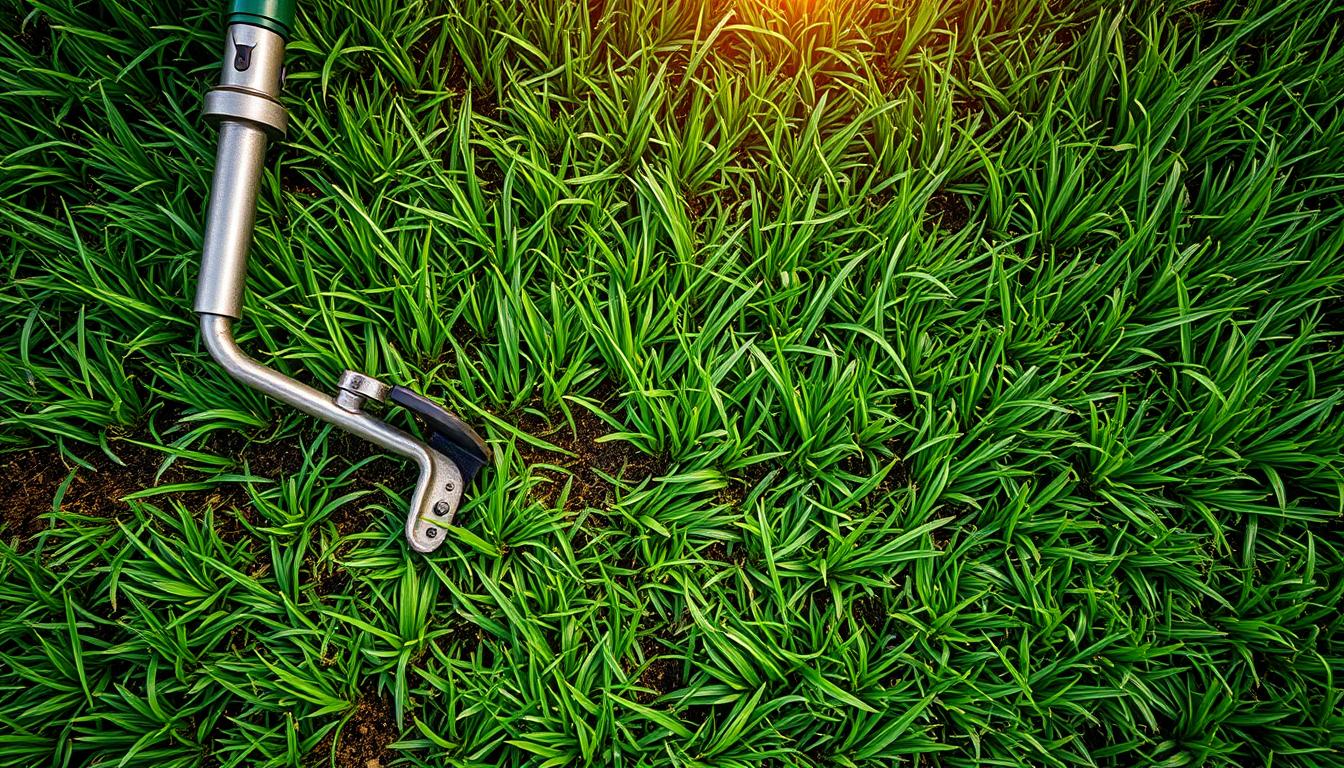
Curious whether a single service can change how your turf breathes and drinks? Many homeowners spot thin patches and puddles and wonder if there’s a simple fix. What if the ground is choking the roots instead of feeding them?
Core aeration opens compacted soil so air, water, and nutrients reach roots—fueling thicker, more resilient turf. In clay-heavy yards, compaction limits oxygen and blocks nutrients. Removing small cores creates channels that help resources move down to the root zone.
Even one season of this work can send grass on an upward trend. Soil cores left on top break down into organic matter, improving structure and drainage over time. For homeowners who invest in seed, fertilizer, or care, this step helps those inputs actually reach the soil instead of sitting on the surface.
Key Takeaways
- Aeration improves air and water movement, helping roots grow deeper.
- Clay soils compact fast after winter or heavy use; signs include thinning and dull color.
- Core removal boosts nutrient cycling as cores decompose into humus.
- Even one treatment can reduce puddling and improve day-to-day use of lawns.
- Professionals often give more consistent coverage than DIY rentals.
Is lawn aeration actually necessary science-backed answer
Even a shallow compacted layer can rob grass of the oxygen and water it needs to thrive. This short intro explains why fixing the top barrier matters for plant health and daily use.
The short answer: it reopens pathways to the root zone
The bold takeaway: Yes—because compacted soil blocks life essentials. The core process creates holes that let air, water, and nutrients reach the root zone.
What research and turf science show
Even a 1/4–1/2 inch compacted layer reduces turf vigor. Studies and extension guidance show thin compaction bands starve grass, causing stress and thinning on many residential lawns.
- One session can reopen pathways and start recovery when timed with active growth.
- Match timing to grass type for best rebound and overseed success.
- Benefits grow as roots deepen and overall soil structure improves.
| Grass Type | Best Time | Recovery Note |
|---|---|---|
| Cool-season | Early fall / Early spring | Fast root growth, fills disturbed areas |
| Warm-season | Late spring / Early summer | Active growth speeds canopy recovery |
| Aeration one | Any active growth window | Can reverse decline when paired with seed and feeding |
For practical guidance and deeper reading on core benefits, see core aeration benefits.
The soil science: compaction, thatch, and why lawns struggle without aeration
Compacted soil silently changes a healthy profile into a barrier that sends moisture running off instead of soaking in. This short set of notes explains how hard ground and turf buildup block life at the root.
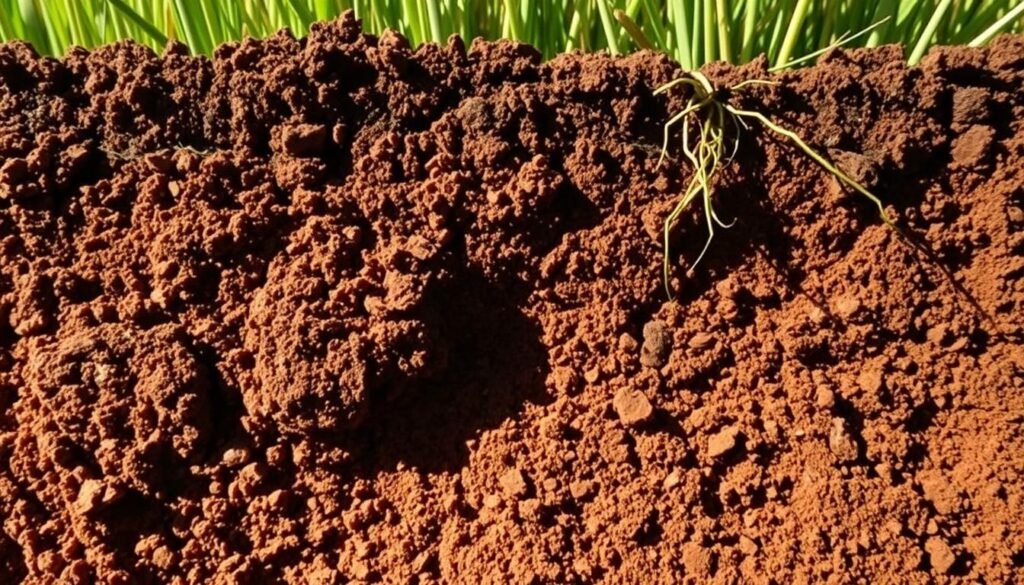
How compacted ground blocks oxygen, water, and nutrients at the root zone
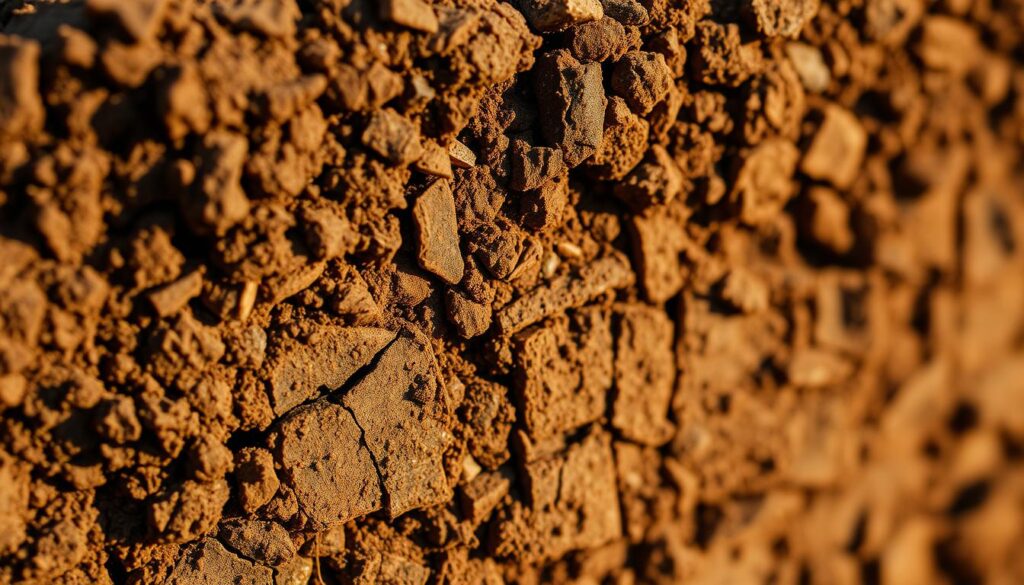
When pore space collapses, roots lose access to air, water, and nutrients. Less pore space means shallow roots and a weaker green canopy.
Clay-heavy soil and residential traffic: why many homeowners face compaction
Clay soils have tiny pores and become compacted quickly under foot traffic and mowers. In neighborhoods with play areas and paths, many homeowners spot thinning along sidewalks and playsets.
Thatch basics and its link to pests, disease, and weak turf
Thatch layer is a spongy mix of roots and stems that sits on the soil surface. Too much thatch traps moisture, shelters pests, and keeps water from sinking in.
Drainage and waterlogging: when water puddles instead of infiltrating
Core aeration and core removal open channels in the soil lawn profile. As infiltration improves, puddles shrink and roots can breathe again—one of the main reasons turf managers use this practice.
- Bold takeaway: Compacted soil suffocates roots—opening pore space is non-negotiable for turf health.
- Typical trouble spots: high-traffic lanes and mower turns on small residential lawns.
How to tell if your lawn needs aeration right now
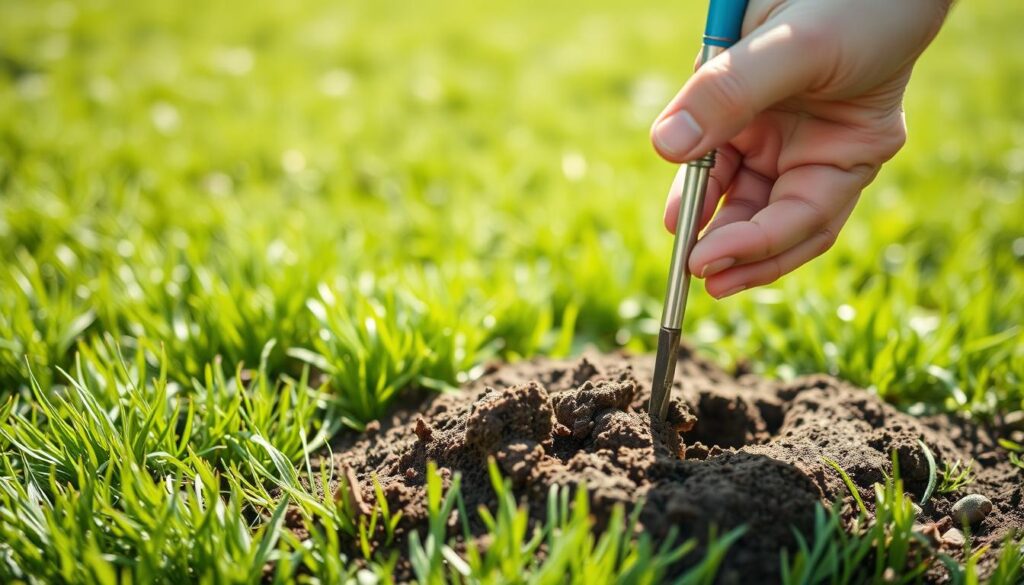
Look for firm, resistant ground and standing water after rain—that’s often the first sign your turf needs help. If a screwdriver won’t slide into moist soil, it’s time to act.
If areas feel hard underfoot or water beads on the surface, the soil may have lost pore space. These changes show up as thin grass, dull color, and stubborn puddles.
Visible signs: thinning turf, stressed color, puddling, and hard surface
Watch for bluish or dull patches and spots that stay wet after a shower. A rock-hard surface when moist means the profile often becomes compacted and roots suffer.
The screwdriver test and high-traffic patterns
Do the equipment-free test: push a screwdriver into several spots by hand. If it meets strong resistance, that signals compaction.
- Bold takeaway: If a screwdriver won’t slide into moist soil, it’s time to aerate.
- Map wear from kids, dogs, and mower turns across lawn; these strips need attention.
- Small holes reopen the profile so water and air move in, helping roots recover with less intensive care.
- For many homeowners, a seasonal check is all it takes to decide when to schedule aeration.
How to aerate: timing, methods, and whether to DIY or hire a lawn care company
Choosing the right moment and method makes the whole process work better. Time aeration to active growth and pick a method that fits your soil and grass type. A few simple choices shape recovery, seed contact, and how fast water and nutrients move down into the root zone.
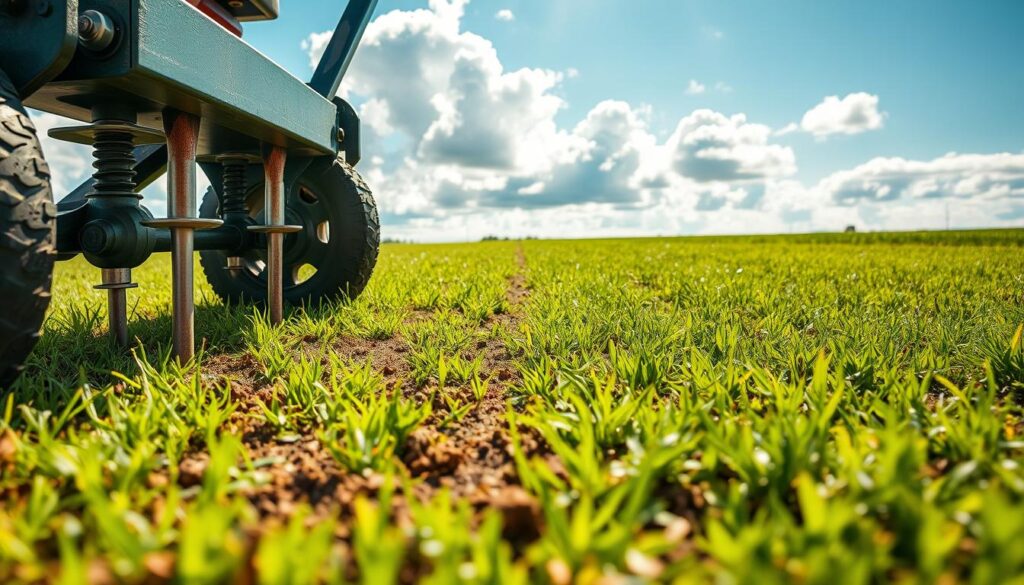
When is the best time to work
Cool-season grasses: early fall or early spring. Warm-season grasses: late spring to early summer. Never treat dormant turf.
Soil moisture and surface condition
Ideally aerate when soil is moist but not muddy. Irrigate lightly the day before to get clean holes and avoid tearing or compaction.
Method choices: core, spike, slicing, and granular
Core aeration pulls plugs to relieve compaction and improve overall soil quality. Pros prefer it for lasting benefit.
Spike tools can densify sidewalls and may worsen compaction. Slicing cuts channels without removing soil. Granular, microbial products add carbon and microbes to rebuild structure with minimal surface disruption.
DIY vs. professional service
Rentals work for small jobs, but machines are heavy and can be uneven. A lawn care company brings calibrated equipment, consistent passes across lawn, and can bundle overseeding and feeding to help ensure better results.
| Method | Best Use | Pros/Cons |
|---|---|---|
| Core | Heavy compaction, overseed jobs | Removes plugs; best infiltration; takes time to break down |
| Slicing | Gentle profile improvement | Creates channels; less surface disruption; no plugs |
| Spike | Quick passes, low cost | Faster but may compact sidewalls; limited benefit |
| Granular (microbial) | Cosmetic sites, minimal disturbance | Stimulates microbes; slow structural gains; great for appearance-sensitive yards |
Maximize results after aeration: seed, nutrients, water, and expectations
The steps you take right after core work shape how quickly turf recovers and benefits build over time. Leave the surface plugs alone and use the open channels to your advantage.
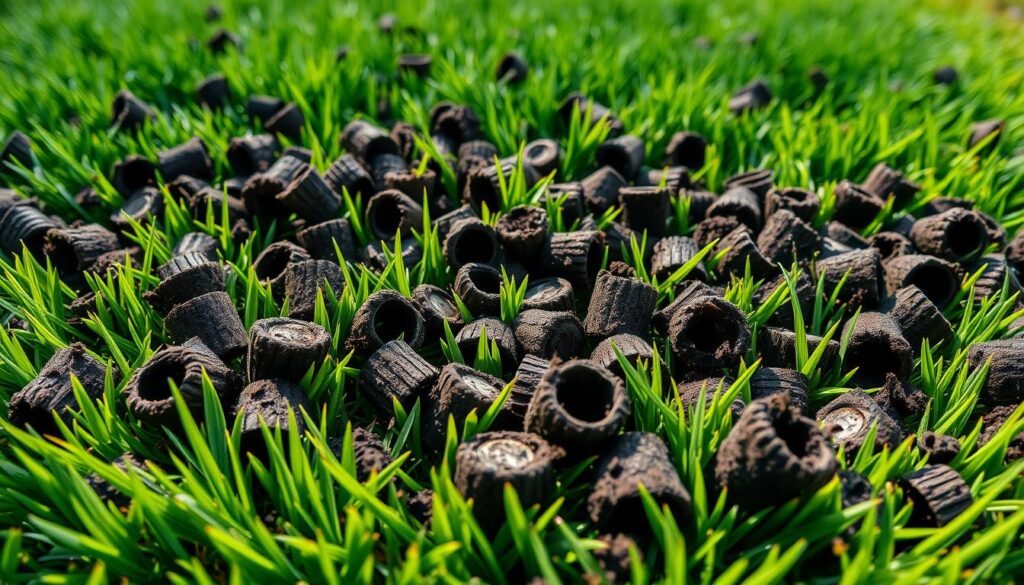
Leave the plugs: how cores break down and add organic matter back to the lawn surface
Leave the plugs. As they dry and crumble they return fines and organic matter to the soil, improving aggregation and structure.
Right-after steps: overseeding and fertilizing for improved water and nutrient uptake
Seed while holes are fresh. Drop seed into openings so it contacts soil, then apply a balanced product to feed young roots. This helps water and nutrients reach seedlings quickly.
Watering, recovery time, and how often to aerate each year
Keep the seedbed evenly moist (not soggy) for 2–3 weeks to aid germination. Mow normally once plugs crumble. Expect steady recovery—roots deepen and the canopy fills over several weeks.
- Bold takeaway: What you do after aeration determines how much gain you get from the practice.
- For clay or high-traffic sites, plan once per year; quiet yards may wait every other year.
- Don’t rake out plugs; they help thin the thatch layer as microbes work.
- For step-by-step post-care, see what to do after aeration.
Conclusion
Relieving compaction, timing work to active growth, and following through with seed and feed unlock visible gains fast. Plan the method, prep moist soil, and leave cores to break down while you water and mow.
Bold takeaway: Relieve compaction, time it right, and follow through—those steps unlock a visibly stronger yard.
Core aeration acts as the catalyst: healthier soil leads to sturdier grass, fewer puddles, and steadier color. Manage debris and thatch with simple aftercare and overseed immediately to capture benefits.
DIY can work, but a trusted lawn care company or care company can help ensure even coverage and clean execution. Even aeration one season can reset struggling lawns toward a truly healthy lawn. Your next step: schedule the service at the right time, prep moist ground, and be ready to seed and feed.