
Do tomatoes saved from grandma’s garden actually taste better than modern hybrids, or is that a story we tell ourselves? This question sits at the heart of many home gardeners’ choices.
We set up a fair backyard taste test that grew heirloom and hybrid plants side by side, kept conditions even, and sampled at peak ripeness. Farmers market prices and colorful tales often sway shoppers, but freshness, handling, and variety play big roles in what ends up on your plate.
Expect clear notes on sweet, tangy, and rich profiles, plus practical tips for choosing plants that fit your climate and family table. We’ll show when traditional lines shine and when hybrid strengths — like steady yields and disease resistance — make more sense.
To dig deeper into history and growing tips, see our guide on heirloom varieties for the home garden.
Key Takeaways
- Fresh-picked samples often taste brighter than market produce; handling matters.
- Heirloom types can offer unique profiles, but taste is subjective.
- Hybrids may sacrifice novelty for reliability and disease resistance.
- Side-by-side testing in your garden gives the clearest result.
- Choose plants that match your season, space, and family tastes.
What We Compared: Heirloom vs. Hybrid Vegetables in a Real Home Garden
We tested old lines and modern crosses together in one backyard so taste differences would come from the plants, not the plot. This gave clear, practical results you can use in your own home garden.
We compared classic and hybrid types in the same beds, using identical soil, watering, and harvest windows. Our scoring focused on flavor, taste, texture, aroma, and aftertaste so results would help everyday gardeners.
How we set up the plot
We planted matching varieties side by side in one bed to keep conditions identical. Spacing and irrigation stayed consistent. Harvests were timed so time off the vine did not skew results.
What the panel scored
The tasting team sampled tomatoes, beans, squash, cucumbers, and greens. Each plant entry earned scores for sweetness, acidity, mouthfeel, and lingering notes. We logged seed-to-plate notes on vigor, disease, and yield for each variety.
Why this matters today
Markets favor looks and shelf life, so store produce can suffer a freshness lag. We framed the trial around what a backyard garden does best: deliver peak-ripeness produce eaten within hours.
- Blind tasting removed reputation bias; winners rose on merit.
- We tracked standout behaviors—split skins in tomato types, quick bolting in greens.
- Replicate our simple methods: synchronized planting, uniform irrigation, and a basic taste grid.
For a deeper look at heirloom varieties and hybrids, see our linked guide.
Defining the Players: What Counts as an Heirloom and What Is a Hybrid?
Heirloom linesare open-pollinated, stable over decades so you can save reliable seed.Hybrid varietiesare first-generation crosses bred to combine traits like disease resistance, uniformity, or early yield.
Knowing the difference helps you plan seed saving, plant selection, and harvest expectations. It also clarifies why some seed packets promise uniform fruits while others celebrate unique stories.

Open-pollinated stability
Open-pollinated lines, often 50+ years old, breed true when isolated. Pollination moves by wind and insects, so keep distance when saving seeds. Label jars and record the year to avoid mix-ups.
F1 hybrid basics
F1 hybrid varieties result from deliberate crosses. Breeders mix genes to boost yield, stress tolerance, or disease resistance. Replanting F1 seed usually yields variable plants, so most gardeners buy fresh seed each season.
| Trait | Open-pollinated / Heirloom | F1 Hybrid |
|---|---|---|
| Seed saving | Yes, true-to-type with isolation | No, offspring may vary |
| Genetic age | Often 50+ years of selection | New crosses from diverse lines |
| Breeder goals | Flavor, regional fit, history | Disease resistance, uniformity, yield |
| Use in garden | Save seed, keep local adaptation | Reliable production, less seed saving |
“Modern breeding combines diverse genes to meet goals like disease resistance and earliness.” — summary of breeding principles
Practical tip: Match the right variety to your climate. Some heirlooms show strong regional fit, while hybrids can simplify pest and disease management. That balance helps you grow the best tomato and other produce for your home beds.
Flavor Face-Off: What the Taste Test Revealed This Season
Bold takeaway: In our garden tasting, heirloom tomato entries offered standout flavor depth, while select hybrids delivered clean sweetness and snap. Pick by use — slicing, roasting, or sauce — and by the season’s conditions.
Our panel echoed public tastings like Bogash: many classic lines topped lists. Still, hybrids such as Sun Gold matched or beat some entries for pure sweetness.
Tomatoes on top: where heirlooms excel and when hybrids win
High-leaf plants often gave concentrated taste. That leaf-to-fruit ratio can intensify sugars and acids.
We noted cracking in some heirloom types, a problem Kingsbury also calls out for varieties such as Gardener’s Delight. Hybrids held skins but sometimes had simpler profiles.
Beyond tomatoes: beans, squash, and lettuce comparisons
Green beans and summer squash were tight contests. Texture and aftertaste split the field more than genetics alone.
Lettuce winners were the crisp, heat-tolerant entries. Compact hybrid romaines offered steady heads across the season.
Subjective taste vs. consistent performance
Some tasters chased acidity. Others wanted sugar. That personal angle shifted winners.
When a hybrid tasted reliably very good through weather swings, it often beat an heirloom that peaked briefly. Our practical tip: plant one rich heirloom and one steady hybrid.
| Crop | Heirloom Strength | Hybrid Strength |
|---|---|---|
| Tomato | Complex flavor, peak-week excellence | Consistent sweetness, skin integrity |
| Bean | Distinct aftertaste, tender when fresh | Uniform harvests, steady texture |
| Squash | Nuanced notes when picked young | Fewer blemishes, reliable yield |
| Lettuce | Unique crisp types that can shine | Heat-tolerant heads, weekly harvests |
“Taste winners depend on context: how you use and when you harvest matters more than the label.”
Why Flavor Varies: Genetics, Freshness, and Garden Conditions
Bold takeaway: Much flavor difference comes from freshness and time—produce eaten minutes after harvest often tastes brighter than anything from the market. Genetics matter, but garden handling and local conditions shape the final result.

How fresh-picked timing changes taste
Commercial supply chains add hours or days between harvest and plate. That lag reduces volatile aromatics and dulls bright notes.
In a home bed, eating within an hour locks in sugars and scent molecules. That shift explains much of the heirloom reputation for depth.
Do plant genetics really concentrate flavor?
Yes. Some tomato varieties have a high leaves-to-fruit ratio that channels sugars into a few fruits.
Those plants yield fewer but richer fruits. Hybrids often trade that intensity for uniformity and shipability.
What garden factors steer taste during the season?
Soil fertility, steady moisture, and even sunlight help plants express full flavor. Drought or heat stress can blunt sweetness and toughen textures.
Manage beds with mulch, regular watering, and balanced feeds. Too much nitrogen favors leaf growth at the expense of taste.
- Tip: Pick at peak ripeness and eat fast to capture aroma.
- Tip: Track which varieties excel in your microclimate; results vary by climates and garden spot.
- Tip: Favor steady care over heroic fixes—consistent plant needs yield the best plate results.
Yield and Reliability: Prolific Harvests or Precious Few Fruits?
Bold takeaway: Yields varied by variety and class—some heirloom tomatoes delivered fewer but intensely flavored fruits, while several hybrid plants offered steady baskets week after week. Pick based on your pantry needs.
In our garden, a few heirloom entries produced modest counts yet earned their keep for slicing and sauce. Experts note heavy foliage in some lines cuts fruit numbers, concentrating sugars into a handful of showpieces.
By contrast, hybrids often set fruit reliably and kept size steady across heat and rain. That steady performance lifted total harvest and cut hands-on time for rescuing split or diseased fruit.
Storage squash and some bean varieties surprised us with big yields. That shows you can’t generalize across all crops—some heirloom types give buckets, not just bounty.
- Tip: Plant one high-reliability hybrid and one high-flavor heirloom per crop lane to balance risk.
- Tip: Track weekly yields per bed and per plant to tune choices for your microclimate.
| Crop | Heirloom Trait | Hybrid Trait |
|---|---|---|
| Tomato | Fewer fruits, intense taste | Steady set, uniform size |
| Squash | Some varieties prolific for storage | Fewer blemishes, predictable yield |
| Beans | High peak yield when tended | Consistent weekly harvests |
“Blend both types to spread risk: a poor year for one star can be a great year for the other.”
Disease and Stress Resistance: Breeder Gains vs. Heirloom Survivors
Bold takeaway: Hybrid varieties often include disease resistance that reduces losses and labor, while many heirlooms persist thanks to local adaptation and careful garden practices. Good hygiene benefits all plants.
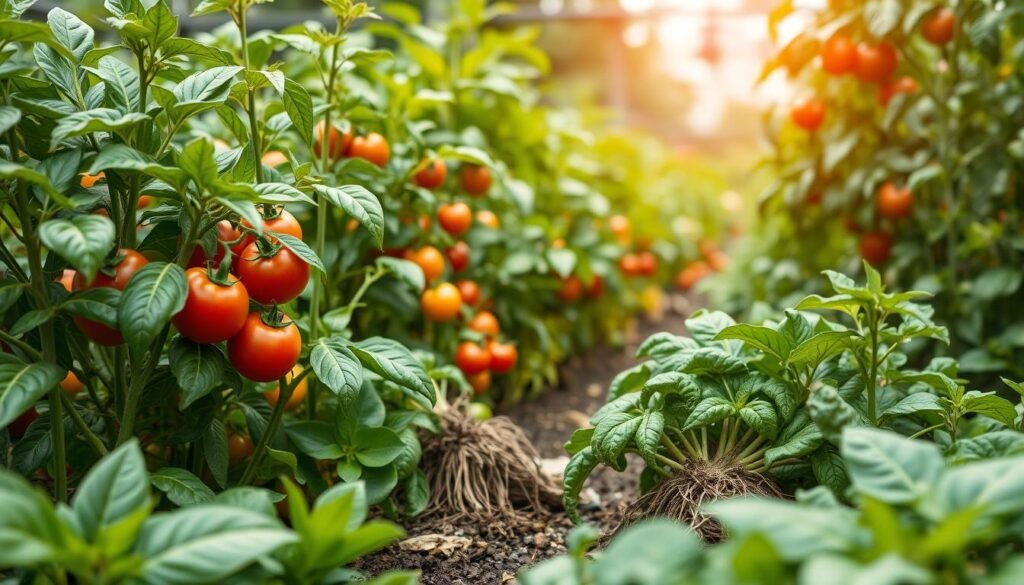
Hybrid breeding commonly bundles resistance to blights, wilts, and leaf spots. That helps a tomato patch stay productive through a wet season or when humidity and soil conditions favor disease.
How can spacing and sanitation help?
For any plant, leave room for airflow and stake to keep foliage off the soil. Prune lower branches below the first fruit cluster to cut splash-borne spores.
Weekly cleanup—removing diseased leaves and weeds—lowers inoculum and keeps pests from hiding. Scout at the same time each week so small problems don’t become whole-plot losses.
When should gardeners use sprays?
In high-pressure areas, a proactive program helps. Apply chlorothalonil or copper weekly, covering new growth. Reapply copper after rain; chlorothalonil needs coverage on fresh leaves.
- Tip: Combine resistant varieties with sanitation and targeted sprays.
- Tip: Watch for insects that vector disease and act fast.
“Integrated management—resistant lines, hygiene, and targeted treatments—keeps the garden resilient.”
Seed Saving and Self-Reliance: Year‑to‑Year Pros and Cons
Open-pollinated heirloomlines let you saveseedfrom yourhomegardenyear after year, but only with care. F1seedwill not come true to the parent, so plan accordingly.
Learning to save seed turns a seasonal hobby into a multi‑year garden tradition. Open‑pollinated lines stay stable if you prevent crosses and manage stocks. Without isolation, exchanges or mixed beds can muddle genetics over time.
Keeping lines true in a small plot
Practical steps: keep isolation distances, bag flowers when needed, and save seeds from the healthiest plants. Label each selection with date, source, and bed to avoid “year year” mix‑ups.
- Ferment tomatoes to clean seeds, then dry to safe moisture and store cool and dark.
- Record traits across years and remove rogue off‑types promptly.
- In small gardens, focus on a few crops for seed saving and buy the rest to protect core lines.
| Practice | Goal | Why it helps |
|---|---|---|
| Isolation or bagging | Prevent cross‑pollination | Keeps seed true to type |
| Labeling & records | Track source and year | Prevents accidental mixups |
| Refresh seed stock | Recover lost traits | Use reputable sources when lines drift |
“Balance self‑reliance with practicality: save what you can manage well, and purchase the rest when quality matters most.”
Regional Fit: Matching Varieties to U.S. Climates and Seasons
Bold takeaway:Match varieties to your climates and frost dates; a good regional fit beats chasing hype.Many plants shine where they originated or in similar conditions. Pick for your microclimate and your calendar.
Match plant choice to your local weather and frost map to get consistent harvests year after year.

Cool, short-season gardens vs. warm, long-season areas
In short season zones, choose early-maturing vegetables and compact forms that finish before the first freeze.
In long-season areas, warm-loving varieties and vining plants can produce steady crops over months. Bush-type hybrids reduce staking needs if space or time is tight.
Choosing for your frost dates, heat, and humidity
In humid regions, favor disease-tolerant lines and space plants for airflow. Good sanitation lowers sprays and losses.
Hot-summer gardens do best with heat-set seeds, mulches to cool soil, and focused watering to save moisture.
- Pick based on day length, nights, and rainfall, and your home watering capacity.
- Watch regional pests and insects; choose resistance or use barriers when needed.
- Save seed only from entries that thrive locally; buy fresh seeds when saved lots slip across years.
- Start modest: build a reliable garden list, then add a trial variety each season to expand your food options.
“A true regional match cuts work and raises the odds of tasty, steady harvests.”
Heirloom Tomatoes vs. Hybrid Tomatoes: A Garden Table Showdown
Bold takeaway: For slicers, Brandywine delivers lush flavor and big tomato slices, while modern hybrids counter with steadier fruit and disease packages. Choose one heirloom for peak taste and one hybrid for dependable plates.
Which tomato should you plant for sandwiches, snacks, or winter sauce jars?
Table slicers: Brandywine vs. disease‑resistant hybrids
Brandywine is a classic heirloom tomato known for deep, rich slices. It can crack in wet weather, so stakes and quick picking help.
Modern slicer hybrids trade some complexity for steady set and disease packages. They keep plates full across a changeable season.
Cherry types: cracking, sweetness, and productivity
Small fruits split the field. Sweet hybrids like Sun Gold often top tasting panels for candy-like sugar.
Heirloom cherries bring layered notes but may show cracking and uneven set. Plant both styles for snacks and salads.
Paste and canning types for sauce season
Paste winners include Amish Paste and San Marzano, prized for thick flesh and low seed counts.
Pair those heirloom varieties with a hybrid paste as backup during disease waves to protect yields for canning.
| Type | Notable heirloom | Typical hybrid advantage | Best use |
|---|---|---|---|
| Slicer | Brandywine | Disease package, uniform size | Sandwiches, slicing |
| Cherry | Various heirloom cherries | Sun Gold sweetness, high set | Snacking, salads |
| Paste | Amish Paste / San Marzano | Resistant hybrids for backups | Sauce, canning |
“Skip assumptions: some heirloom tomatoes held better than expected, and some hybrids tasted richer than their market reputations.”
- Tip: Add at least one disease‑resistant hybrid plant to stabilize your pantry through wet spells.
- Tip: Label every plant and track which variety suits fresh eating, roasting, or sauce jars.
- Tip: Keep a rotating slot for trial heirloom varieties so you can find new winners for your beds.
Nutrition, Diversity, and the Plate: What’s Really on Offer
Bold takeaway: Diversity on the plate brings broader food choices, colors, and micronutrients. Mixing heirloom vegetables and hybrids expands your range and resilience.
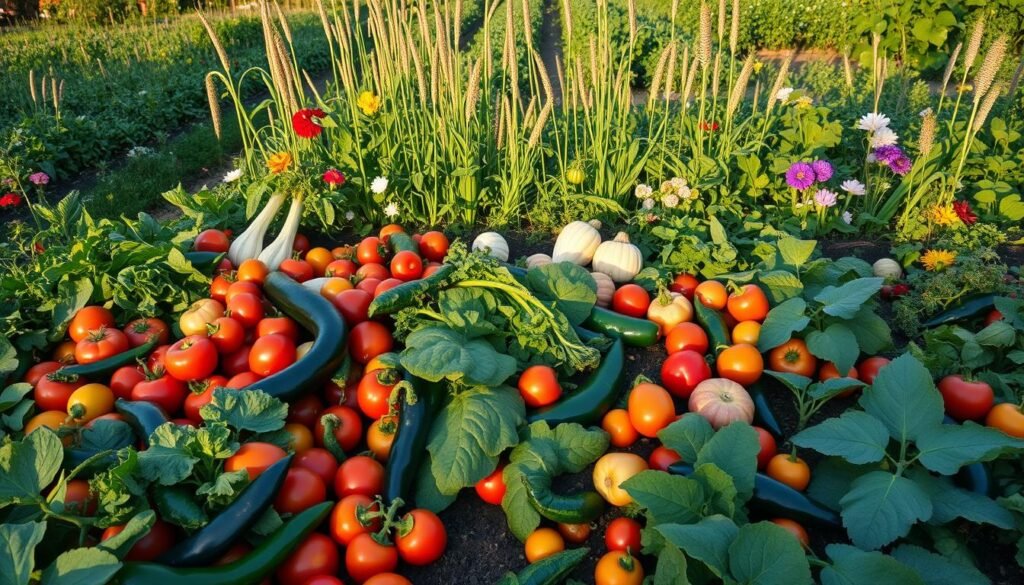
A mixed planting brings vivid colors and nutrients straight from the bed to the plate.
Color often signals different phytonutrients. Pick reds, yellows, greens, and purples within a crop to boost vitamins and antioxidants at each meal.
Blend varieties in beds so one plant covers a gap if another fails. That approach keeps the garden producing for your family across the season.
Heirloom plants add unique textures and stories. Hybrids supply steady volume for staples like sauces and weekly salads.
- Plan planting lists around meals you cook often: roast, soup, or fresh salads.
- Save seed from top performers; buy a few fresh seeds each year for trials.
- Use winter storage crops—squash, onions, roots—to keep fresh food on the table into winter.
| Benefit | Heirloom strength | Hybrid strength |
|---|---|---|
| Diet variety | Unique colors and textures | Consistent supply of staple crops |
| Resilience | Local adaptation over years | Targeted disease resistance |
| Seed strategy | Save seed from winners | Buy fresh seed for reliability |
| Kitchen use | Specialty dishes, fresh plates | Weekly meals, canning, sauces |
“Mixing types gives the best odds: enjoy stories and texture while keeping pantry staples steady.”
Workload in the Garden: Staking, Pruning, and Managing Pests
Bold takeaway: Smart early choices on support and spacing save hours during harvest peaks. Compact hybrid varieties often need less staking, while vigorous heirloom types may demand heavy trellises. A good setup cuts time all season.
Start by sizing beds to fit what you can maintain. Small, tended plots beat sprawling patches that get away from you. Match bed scope to your real needs and daily availability.
Prioritize airflow. Space plants and prune the lower 8–12 inches to keep leaves clean and upright. That simple move lowers disease and pruning time later.
- Weed weekly. Tidy gardens harbor fewer pests and cut scouting time.
- Mulch to steady soil moisture; fewer swings mean fewer split fruits.
- Set supports at planting—cages or trellises sized to vine vigor avoid midseason wrestling.
Make short daily walks to spot insects early. Hand removal and quick pruning stop small issues from becoming full jobs.
| Task | When to do it | Why it helps | Tools |
|---|---|---|---|
| Spacing & staking | At planting | Reduces tangles and late staking | Stakes, cages, twine |
| Lower pruning | Mid-season | Improves airflow and lowers disease | Pruners, gloves |
| Weekly weeding | Weekly | Removes pest harborage | Hoe, hand fork |
| Winter clean-up | Late fall into winter | Cuts next year’s workload and builds soil health | Rake, compost, cover crop seed |
“Match support to plant vigor and keep beds tidy; small daily steps save big time later.”
Try one change each season. Add a sturdy trellis, tighten spacing, or commit to weekly weeding. Those habits transform how your home patch feels and performs.
Cost, Seed Access, and the Ethics Question
Seed choices shape your plot’s budget, labor, and long-term resilience. Pick a mix that fits pantry needs, time, and values.
F1 seed often gives reliable, disease‑tolerant plants that perform without fuss. That reliability comes with a catch: F1 seeds must be repurchased each year to retain hybrid traits.

Saving open‑pollinated seed lowers costs and builds household independence. Commercially managed open lines keep consistency. Poorly run swaps can muddle an heirloom line quickly.
- Budget tip: buy a core of F1s for staples and steward a few heirloom lines at home.
- Track packet source and variety so you avoid wasted beds.
- Support small sellers if you want heirloom lines to survive in the wider market.
“Saving seed cuts cost and boosts resilience, while F1s buy you season-long certainty.”
For busy gardeners, a balanced approach fits best: steady F1s as backbone and heirloom trials as the creative part of your garden. Plan by season and by year to spread risk and keep joy in the beds.
are heirloom vegetables really more flavorful gardener’s
Often, yes—many tasters prefer the deep, layered flavor of heirloom lines at peak ripeness. Still, hybrids shine for steady sweetness, and freshness from your garden often beats the label.
Blind panels showed that some heirloom vegetables deliver complex aroma and aftertaste. A few modern crosses matched that intensity with clean sugar notes.
Eat within hours of harvest to notice the biggest shift. The home advantage is real: volatile scents and sugars fade fast once fruit leaves the vine.
Trial both types in your beds. Your soil, sun, and watering style push results toward one side or the other.
- Bold takeaway: Many tasters prefer heirloom flavor in peak weeks, but hybrids can win on consistency.
- In blind tests, select heirloom varieties showed layered taste; some hybrids offered bright, clean finishes.
- Keep testing the same plants through heat and rain to spot winners that hold up.
- Note which tomato or bean thrills your palate—personal preference matters.
- Record results in a simple garden journal; patterns emerge quickly.
“Let the plate decide: grow a small mix and keep the winners each year.”
Planting to Harvest: Timing Your Season for Peak Taste
Peak flavor comes when you pick at the right time and eat soon after harvest. Plan your season so crops mature in gentle weather, not under stress. A simple calendar shifts results from hit-or-miss to reliably delicious.
Make a sowing plan that staggers starts. This spreads ripe weeks and keeps the garden productive without a single overwhelming day.
Watch color and give fruits a gentle press. Most crops taste best when fully colored and just yielding to touch.
Harvest in cool mornings to lock in scent and sugars. Store tender picks briefly in shade, not the fridge, before serving.
Water evenly and mulch beds to avoid splitting and off flavors. Consistent moisture keeps plants steady through heat or rain.
Prune and trellis for airflow, then harvest promptly at peak. Group varieties by days to maturity so you know when each plant will peak.
Keep a short notebook through the year with dates and outcomes. That record makes next season easier and tastier.

| Action | Why it helps | When to do it |
|---|---|---|
| Staggered sowings | Spreads harvests and reduces waste | At planting dates through the season |
| Even watering + mulch | Prevents cracking and bitterness | All season, increase in heat |
| Morning harvest | Keeps sugars and aroma | Before midday warmth |
| Record keeping | Refines next year’s calendar | After each harvest |
“Pick at peak ripeness and eat soon after harvest—small timing shifts yield big taste gains.”
What to Grow This Year: A Practical Mix for Home Gardeners
Build a short list of winners for fresh eating and a separate lane for canning chores. This simple split keeps your beds productive and your pantry full. Pick one or two standout heirloom vegetables for peak plate appeal, and add hybrids that steady yields.
Fresh eating picks vs. canning workhorses
Fresh eating: Choose a flagship heirloom vegetable slicer, a sweet cherry tomato, and a crisp cucumber variety for salads and snacks. These plants reward quick harvest and big flavor at the table.
Canning lane: Plant paste varieties like Amish Paste and San Marzano. Add a disease‑resistant hybrid plant as backup so jars stay full in wet seasons.
- Quick wins: Black Beauty zucchini, bush beans, and romaine suit most climates and give fast returns.
- Align choices with what your family cooks most—salsa, sauces, or roasted sides—so bed space meets pantry needs.
- Use two sowing windows and mindful planting distances to balance space and airflow across the garden.
- Start with quality seeds; save seed from the top performers and replace weak lines next season at home.
- Keep brief notes per variety and per plant; repeat champions and swap out duds with new heirloom vegetables trials.
“Build a mix: one or two heirloom vegetables for peak fresh taste, and hybrid workhorses for volume and canning.”
Conclusion
Balance peak-taste entrants with steady performers to protect your pantry through wet and dry spells.
Grow both heirlooms and hybrids. Plant a taste-forward patch for fresh plates and a reliable lane for weekly meals. Smart gardening habits—clean beds, good airflow, and even watering—boost results for every plant.
Test a couple of new varieties each season. Track notes from year to year and watch how microclimates shift outcomes. That practice turns surprises into steady wins.
Celebrate the food you harvest: sliced tomatoes in summer and roasted squash in winter. Keep tasting, keep learning, and let your garden add flavor and life to the table.