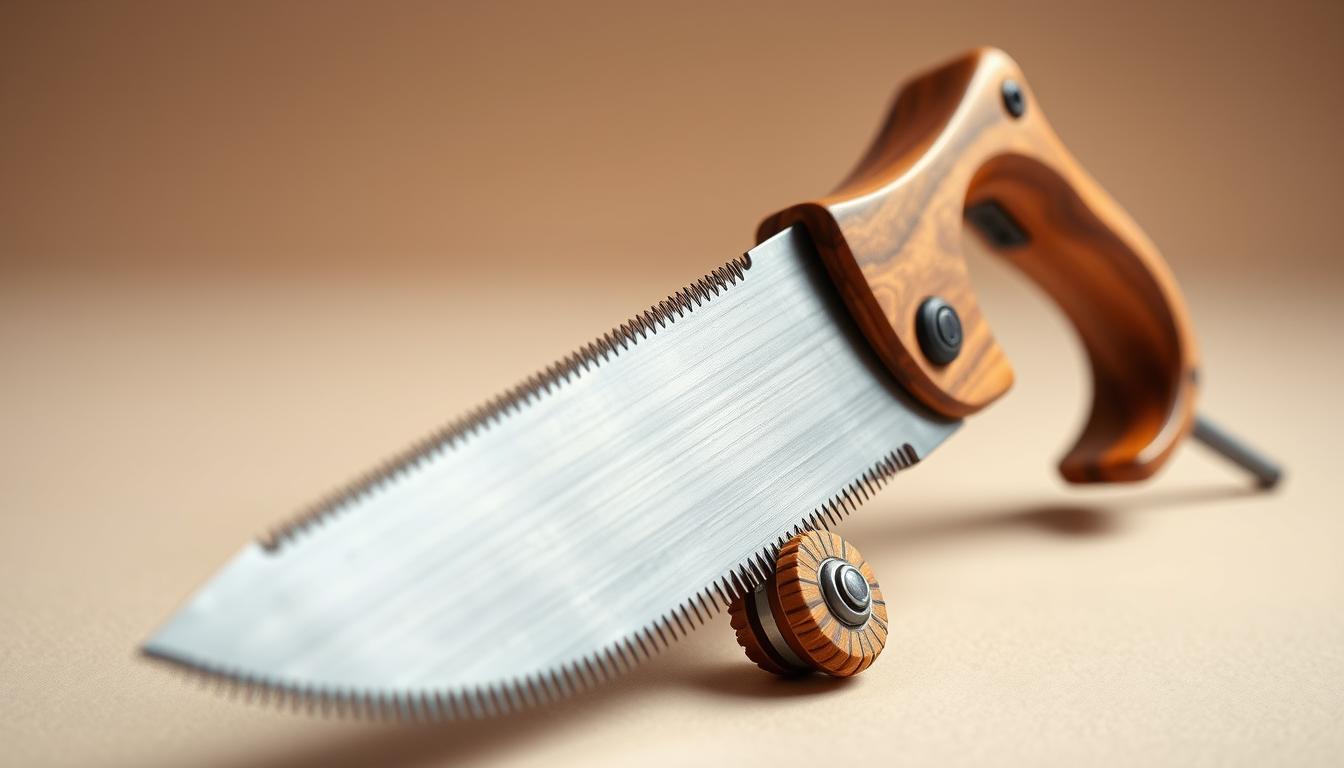
Which saw truly saves time and spares your forearms when you tackle a stubborn branch? That’s the question we set out to answer with hands-on tests and clear metrics.
We handpicked practical options, timed each tool on a 4.5-inch log, and inspected materials and ergonomics so you can pick a pruning saw that works for weekend chores and trail cleanups.
Expect concise, usable guidance: the Corona RazorTooth cleared that log in 24 seconds with an SK-5 spring steel blade and co-molded rubber handle. The Agawa Boreal21 and Sven-Saw showed strengths on larger cuts, while the lightweight Opinel and heavy-duty Wicked Tough cover pocket carry and brute force needs.
This intro explains how blade steel, teeth pattern, and a comfortable handle affect bite, smoothness, and fatigue. We balance speed with safety and note locks and carry options so your hand stays protected during long sessions.
Key Takeaways
- Timed performance shows real-world speed differences—24 seconds matters on repetitive cuts.
- Blade steel (SK-5, XC90, Swedish) changes sharpness and longevity.
- Ergonomic handles and rubber grips cut wrist and forearm strain.
- Choose curved blades for round branches and straight frames for tight spots.
- Check locks, replacement blade availability, and warranty for long-term value.
Why these folding saws made our cut for yard pruning
We selected tools that pair reliable cutting speed with safe, comfortable handling for everyday yard tasks.
These picks balance blade length, tooth pattern, and grip design so you can finish jobs faster and without hand fatigue.
Who should buy these tools?
Homeowners, trail volunteers, and campers who need a compact pruning saw for quick cleanups will find these options useful.
They suit trimming fruit trees, opening light paths, and bucking small firewood without power tools or complex upkeep.
- Light duty: short blades for 2–4 inch branches and tight spaces.
- Medium duty: longer blades for 5–7 inch rounds and storm debris.
Straight frames or bow frames — which fits your work?
Straight frames win in tight canopies and around fences because they offer better maneuverability. Bow frames reward you with rhythmic, less tiring vertical strokes on thicker wood.
A curved blade speeds through round branches by keeping more tooth contact on each stroke. Lower TPI (around 6) removes wood fast, while finer teeth (15–18 TPI) give cleaner cuts for healthier trees.
“A comfortable handle and a secure hook at the base reduce slip and let you pull with confidence during long sessions.”
| Type | Best for | Typical blade | Key trade-off |
|---|---|---|---|
| Straight frame | Tight limbs, fences | 6–10 inch straight | Control over long reach |
| Bow frame | Thicker rounds, vertical cuts | 7–21 inch open frame | Less wrist fatigue, bulkier |
| Curved blade | Round branches, fast work | 5–10 inch curved | Speed vs slightly rougher cuts |
| Handle focus | Extended sessions | N/A | Grip comfort vs weight |
How we chose: performance, durability, ergonomics, blades, and packability
We focused on measurable results and real-world comfort so you can expect consistent cuts, long service, and easy carry on the trail.
We measured timed saw cut performance on standardized branch sizes to prioritize repeatable speed and control. GearLab’s weighted metrics guided our scoring: performance (30%), durability (20%), ergonomics (20%), blade sharpness/strength (20%), and packability (10%).
How sawing performance was tested
Each tool made multiple passes on a 4.5-inch log and smaller diameters. Corona’s 24-second result shows how an aggressive tooth pattern and curved profile speed work. Agawa’s 30 seconds highlights rigid frame power that converts effort efficiently.
What we checked in blade material and geometry
We compared SK-5, XC90 carbon steel, and Swedish steel for wear and edge life. Curved blades keep teeth engaged on round wood, which often lowers time per cut without sacrificing control.
Handle comfort, locks, and carry trade-offs
Ergonomics matter over an afternoon. We favored hooked handles with rubber grips and balanced weight that reduce hand strain. Secure locks that click open and closed improved safety and made blade changes simpler.
| Metric | Why it matters | Typical indicator | Example from testing |
|---|---|---|---|
| Performance | Speed and repeatability | Timed saw cut on set diameters | Corona 24s, Agawa 30s |
| Durability | Long-term use without failure | Steel type & gauge, pivot integrity | SK-5/XC90 hold teeth, thicker gauges resist bending |
| Ergonomics | Fatigue reduction | Handle shape, rubber grip, weight | Hooked rubber handles reduced wrist strain |
| Packability | Portability versus readiness | Weight & sheath options | Opinel sub-4 oz vs Boreal21 18.7 oz |
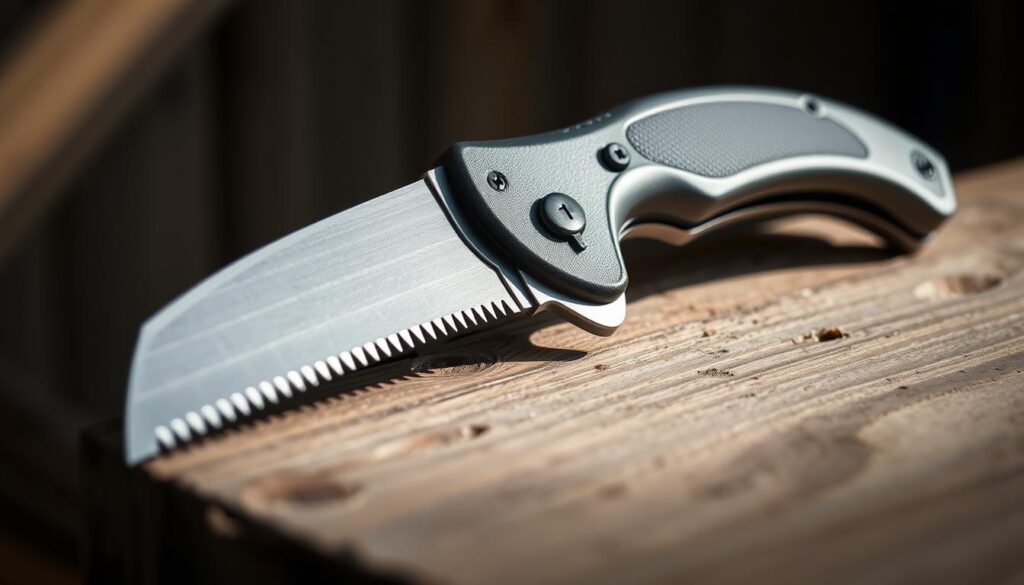
The review 5 best folding saws pruning yard
Each pick serves a clear purpose: sprint cuts, open-frame power, pocket carry, heavy work, or classic two-handed rhythm. Read the short notes to match blade length, handle shape, and weight to your job.
Corona RazorTooth — speed and bite
Curved SK-5 blade and triple-ground teeth make fast, clean cuts on 3–6″ branches. The co-molded rubber handle locks open and closed and helped our tester stay steady through consistent strokes.
Agawa Boreal21 — open-frame power
The trapezium bow and rakers clear chips and push stroke range. A 21″ hardened blade converts effort into quick progress on larger rounds and storm debris.
Opinel No. 12 — lightweight pocket tool
This XC90 carbon steel blade and beech handle weigh almost nothing. It disappears in a pocket and trims small limbs without fuss.
“Match blade length to branch size and prefer a hooked rubber grip for long sessions.”
| Model | Blade | Weight | Best use |
|---|---|---|---|
| Corona RazorTooth | SK-5, 7–10″ | 9 oz | Fast cuts on 3–6″ branches |
| Agawa Boreal21 | 21″ hardened stainless | 18.7 oz | Open-frame power, larger rounds |
| Opinel No.12 | XC90, 4.7–7″ | ~4 oz | Pocket carry, light trimming |
| Wicked Tough | High carbon heavy gauge | ~1 lb | Rugged, long-life work |
| Sven-Saw | Swedish steel, 15–21″ | ~14 oz (21″) | Two-handed rhythm, firewood |
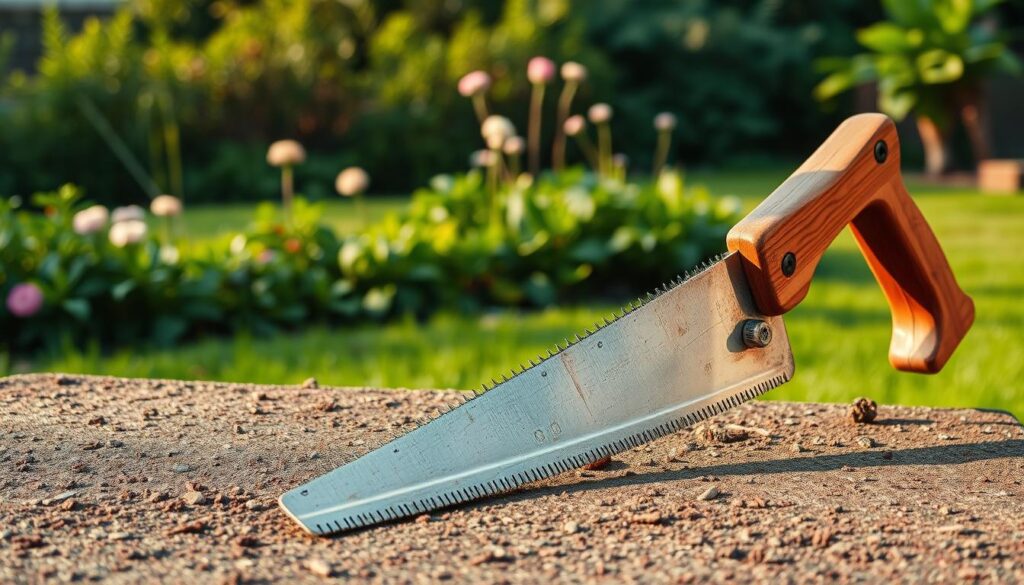
Who should choose which saw: match blade length, teeth, and frame to the job
Choose tools by the cut you make, not by brand hype. Pick a blade and handle that fit the branch angle, reach, and expected stroke length. This keeps work faster, safer, and easier on your hands.
Choose a saw by how and where you cut—branch angle, reach, and stroke length matter most.
Curved blade for branches at awkward angles
A curved blade keeps more teeth in contact with round branches. That makes overhead and below-waist cuts steadier and reduces bind. Use a curved profile when you work above shoulder height or under low limbs to stay in control.
Blade length and max branch diameter guidance
- Tooth pitch: Large (≈6 TPI) removes wood fast for storm cleanup. Medium (7–9 TPI) balances speed and a decent finish. Fine (15–18 TPI) gives cleaner cuts on live wood.
- Blade length: A 7–8″ blade suits 3–4″ branches. A 10–12″ or open-frame saw handles 5–7″ wood with fewer repositioning strokes. Corona-style 7–10″ blades map to ~3–6″ branches.
- Handle and grip: Look for a hooked handle and textured grip so your hand stays secure during long cutting sessions.
- Task mix: If most cuts are under 4″, choose a compact model. For frequent thicker wood, choose an open frame or longer blade to save effort.
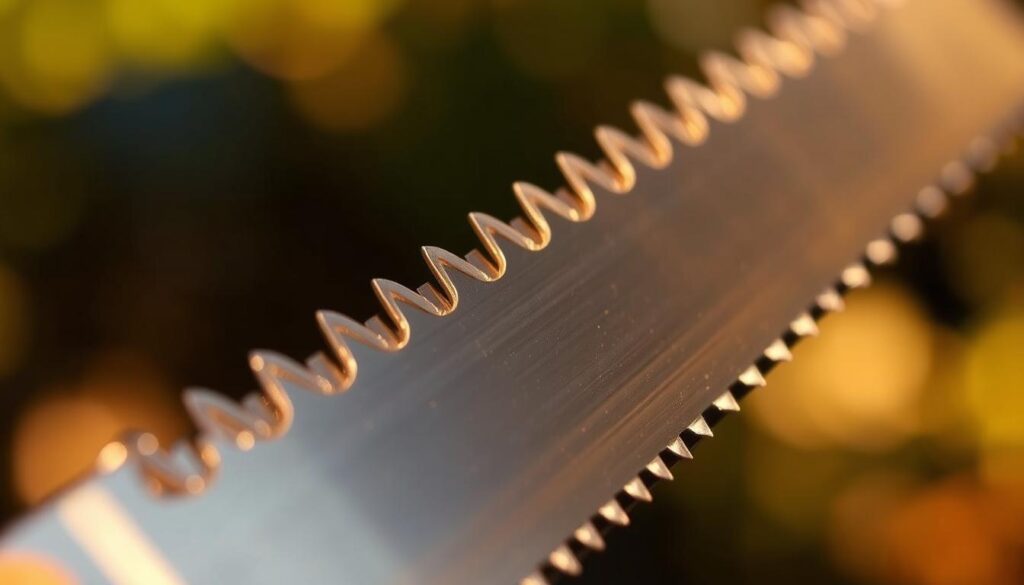
Key specs that matter in a pruning saw
Specs tell the story: length, teeth, and steel shape how a tool bites, glides, and lasts. Focus on these numbers to match your regular jobs and reduce effort.
Specs influence how a blade performs in the field. Pick a blade length that fits your typical branch diameter so you don’t overwork short blades or wrestle long ones in tight spots.
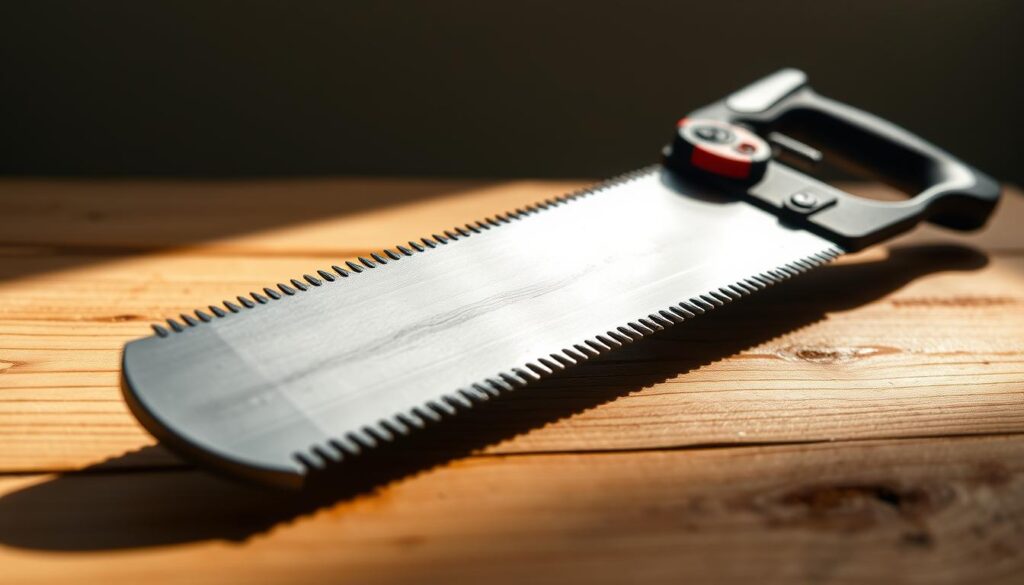
Blade length, tooth count, and cut speed
Length and TPI decide stroke efficiency and finish. Low TPI removes wood fast for cleanup. Higher TPI gives smoother cuts on living limbs.
Steel types and edge life
SK-5 and XC90 carbon steel take a keen edge and resharpen well. Swedish steel resists bending on long blades. Agawa’s hardened stainless and coatings fight rust in humid work settings. Impulse-hardened teeth hold a keen bite longer.
Handle design, rubberized grip, and finger protection
A hooked handle with a rubber grip trims fatigue and keeps control on pull strokes. Look for extended handle profiles that protect knuckles when you cut near trunks. Balance matters—too much forward weight makes the saw fight you.
- Practical note: check replacement blades and clear part numbers so the tool stays useful for years.
Hands-on highlights from present testing
Short testing sessions showed how tool design changes your pace and comfort when clearing live and dead limbs. The timed runs and repeated cuts exposed clear strengths and limits in blade construction, handle shape, and frame geometry.
Fastest cuts and where each saw excels
The Corona’s curved blade stalled least and finished the 4.5-inch saw cut in 24 seconds. That curved profile kept teeth engaged on round wood and sped common pruning tasks.
The Agawa held a steady rhythm at 30 seconds and excelled on larger rounds thanks to its trapezium frame. Sven matched control with a longer stroke at 35 seconds. The Rexbeti and Wicked models took longer (1:04 and 1:16) but brought heavier construction for occasional big work.
Fatigue, control, and clean cuts on green vs. seasoned wood
On green wood, aggressive teeth clear fibers fast. On dry, seasoned wood a rigid frame and long stroke prevented stalls and kept the kerf true. Thin blades felt precise but bent if pushed hard—use a light touch when the kerf pinches.
Ergonomic hooks and rubberized grips let you relax your hand while keeping control, cutting down forearm pump during long sessions. For quick fence-line trim, the Opinel’s light weight and secure lock made it easy to carry and use in short bursts.
“Match tooth size to the wood and start the kerf straight—then let the blade do the work.”
| Model | Timed cut (4.5″) | Where it shines | Key note |
|---|---|---|---|
| Corona | 24s | Fast yard cuts, curved blade | Quick, aggressive teeth |
| Agawa Boreal21 | 30s | Thicker rounds, open-frame power | Expanded stroke range |
| Sven-Saw | 35s | Rhythmic two-handed cutting | Good control on larger wood |
| Rexbeti | 1:04 | Occasional heavier work | Sturdy construction |
| Wicked Tough | 1:16 | Rugged jobs, long-life use | Heavy gauge blade |
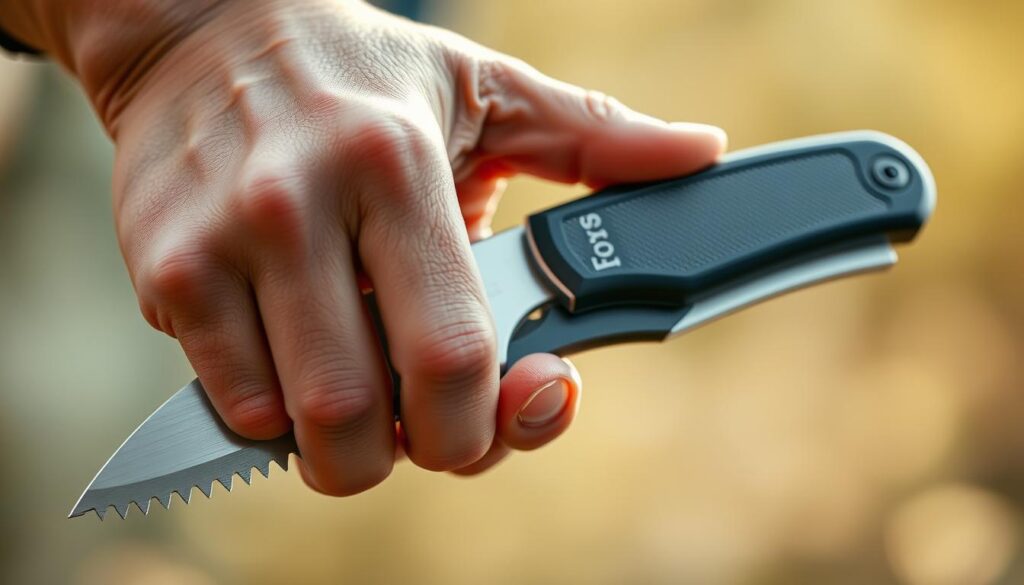
Safety first: locks, scabbards, and protecting fingers and knuckles
Always confirm locks and covers before you lift a tool—simple checks prevent most accidents. This short habit keeps the blade secure during carry and reduces surprises when you shift your grip mid-stroke.
Locking mechanisms and sheaths matter as much as sharp teeth. The Corona and Opinel Virobloc locks secure open and closed. That prevents an exposed blade when you reach into a bag.
Agawa’s design hides the teeth when folded, which protects fingers and clothing. Wicked includes a robust scabbard that shields the blade during transport and storage.
Sven’s long handle extends below the cutting edge to clear knuckles near trunks and posts. A hooked rubber grip helps you hold the saw steady if your hands get damp or tired.
- Prefer locks both open and closed so the blade stays put during use and carry.
- Use a scabbard or blade cover when moving between cuts or stowing gear.
- Choose folding designs that conceal teeth to avoid accidental snags.
- Pick a handle with knuckle clearance for safe cuts near structures.
- Favor rubberized grips to cut slippage when your hand wears down.
Start each cut with a few light strokes to seat the kerf. That steady beginning keeps the blade tracking straight and keeps your fingers well away from the action.
| Safety feature | Why it helps | Example |
|---|---|---|
| Lock open & closed | Prevents accidental blade exposure | Corona, Opinel Virobloc |
| Concealed folded blade | Protects fingers when retrieving tools | Agawa folding profile |
| Sturdy scabbard | Safe transport and storage | Wicked tough scabbard |
| Extended handle / knuckle clearance | Reduces bumps near trunks and posts | Sven handle design |
Care and maintenance to extend blade life
Small habits after each cut lengthen a blade’s life and keep teeth cutting cleanly. A clean, dry blade resists rust and makes every pass through wood smoother and safer.
Small chores after use pay off. Wipe sap and resin from the saw blade with a rag and a bit of mineral spirits or rubbing alcohol. This prevents gummy buildup that dulls teeth and drags on cuts.
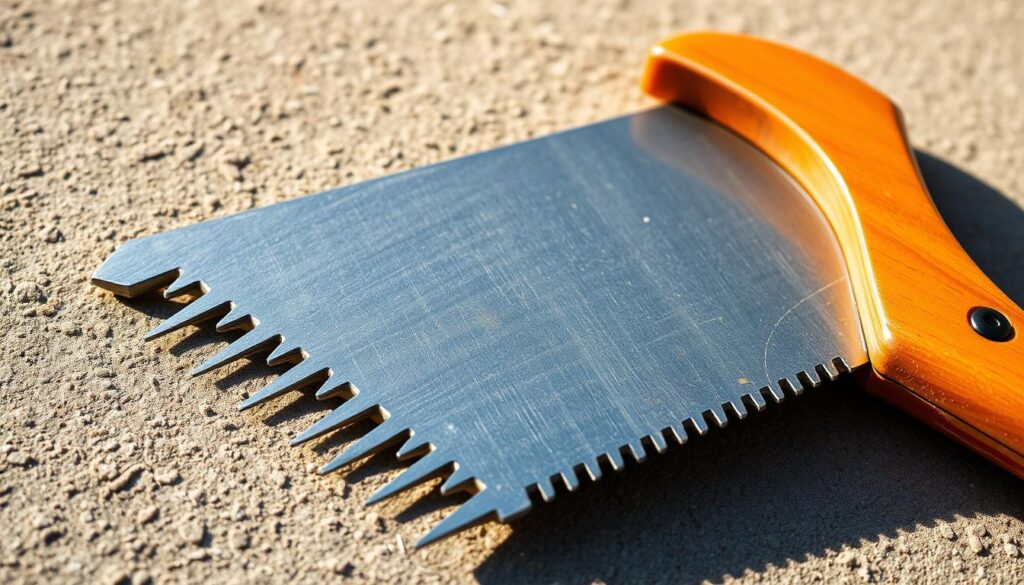
How do I prevent rust and store blades safely?
Dry the blade thoroughly, especially carbon steel models. Add a light film of oil before storing in a protective cover. Chrome plating and covers reduce corrosion risk for stored tools.
Keep rubber grips clean so your hand stays secure. Store folded tools in a dry place or inside a sheath to protect teeth and fingers.
When should I replace the saw blade or the whole tool?
Impulse-hardened teeth hold an edge longer, but many folding designs are not practical to sharpen at home. If a blade wanders, has missing teeth, or bends, replace the saw blade rather than fighting a poor cut.
- Wipe sap and resin after each session.
- Dry and oil carbon steel blades; use protective covers.
- Keep replacement blade part numbers handy for quick ordering in the U.S.
- Avoid twisting in the kerf; widen a pinched cut to protect the blade and your fingers.
- Check pivot screws and lock pins periodically and clean rubber surfaces.
For more on tool choices and replacement options, see our pruning saw guidance:
pruning saw guidance.
Compact, pocketable options when weight matters
Lightweight pocket tools turn small setbacks on the trail into quick wins without extra bulk. They trade blade length for carry-anywhere convenience and smart locks.
A favorite for minimal carry is the Opinel No.12. It weighs about 4 oz, uses a Virobloc lock, and has a beech handle that feels warm in the hand. The low weight makes it ideal to stow in a coat or apron.
The Silky PocketBoy runs ~6.25 oz and offers a two-position lock for open use. Outdoor Life notes it can handle up to ~4″ branches, so the longer blade helps when cuts edge past pencil-sized limbs.
For hikers and hunters, a pocket-friendly tool with a reliable lock keeps you ready without bulk. Prioritize a secure handle and textured grip so one-handed work stays steady at odd angles.
| Model | Weight | Lock | Best use |
|---|---|---|---|
| Opinel No.12 | ~4 oz | Virobloc | Ultra-light pocket carry, small cuts |
| Silky PocketBoy | ~6.25 oz | Two-position | Up to ~4″ branches, trail work |
| Practical tip | N/A | N/A | Keep a compact model in glovebox or apron for quick tidy work |
For more compact options and detailed specs, see our folding saw options to match weight, blade length, and carry needs.
Alternatives and competitors worth a look
If you need reach or pocket convenience, several strong alternatives fill gaps between lightweight carry and open-frame power. These options span long SK-5 blades for heavy cuts to pocket tools for quick trims. Pick based on how often you cut, the typical branch size, and whether you prefer a rubber grip or a stiff frame.
Best value big blade: Rexbeti Heavy Duty (11″ SK-5)
Rexbeti pairs an 11-inch SK-5 steel blade with a long handle and a lifetime warranty. At ~15 oz it reaches larger limbs well, though the longer length can flex on very hard wood.
Popular compact and mid-size models
Silky lineup covers many needs: PocketBoy 130 (5″ edge, ~6.25 oz), Gomboy 240 (9.25″ edge, ~9.3 oz), and BigBoy 360 (14″ edge, ~16 oz). The Gomboy cuts fast but its blade can bend if pinched. Bahco Laplander (~7.25″, ~6.75 oz) is durable and keeps an edge well. Gerber Freescape offers a compact bow that accepts longer blades for flexible camp use.
Fixed and pro-grade options for high-volume pruning
For full days of tree work, consider fixed curved saws from Felco or ARS. These tools use impulse-hardened teeth, come with holsters, and reduce fatigue during heavy, repeat cutting.
“Match blade size to job frequency—choose a longer blade for occasional big cuts, or a pocket tool for fast, frequent trims.”
| Model | Blade / Edge | Weight | Strength |
|---|---|---|---|
| Rexbeti Heavy Duty | 11″ SK-5 | ~15 oz | Reach, lifetime warranty |
| Silky BigBoy 360 | 14″ cutting edge | ~16 oz | Two-handed power, long cuts |
| Silky Gomboy 240 | 9.25″ edge | ~9.3 oz | Fast cutting, flexible blade |
| Bahco Laplander | ~7.25″ edge | ~6.75 oz | Durability, long edge life |
Buying guide: price, warranties, and replacement blades in the United States
Price, replacement parts, and warranty shape long-term value more than brand names. Set a budget based on how often you cut and the wood you tackle.
Under $30 covers a capable pocket trimmer for light yard chores. $40–$80+ often brings better carbon steel, smoother locks, and stronger frames for heavier work.
Confirm replacement blades and part numbers in the U.S. market before you buy. Brands like Corona and Silky commonly offer spare blades and clear identifiers. That makes keeping a saw blade sharp simple and affordable.
Compare warranty language. Lifetime claims usually cover defects, not normal wear. A solid warranty still signals confidence in construction and parts.
Think about length, weight, and size. If you hike or climb ladders, prioritize light weight and a handy length. If you cut larger rounds, choose longer types and stiffer steel blade options.
- Check locks: does it lock closed and open reliably?
- Feel the handle: a textured grip reduces fatigue and improves control.
- Replacement blades: ensure saws parts are sold in the U.S.
Conclusion
Pick a saw that matches your routine—speed for frequent branch work, reach for big rounds, or a tiny pocket blade for quick fixes. Match blade, tooth pattern, and handle to the cuts you do most and you’ll save time and protect your hand.
Choose a speedy curved option if you cut many small limbs (Corona cleared 4.5″ in 24s). Pick a rigid open frame for thicker wood (Agawa ~30s, Sven ~35s). For occasional heavy rounds expect slower times (Rexbeti 1:04, Wicked 1:16).
Make sure locks work and replacement blades are easy to source in the U.S. A secure handle and ergonomic grip keep your hand steady and reduce fatigue during long jobs. strong.
Need more testing notes and comparisons? See more testing notes for deeper detail. Thanks for trusting this guide—may your trees stay healthy and your tools well used.