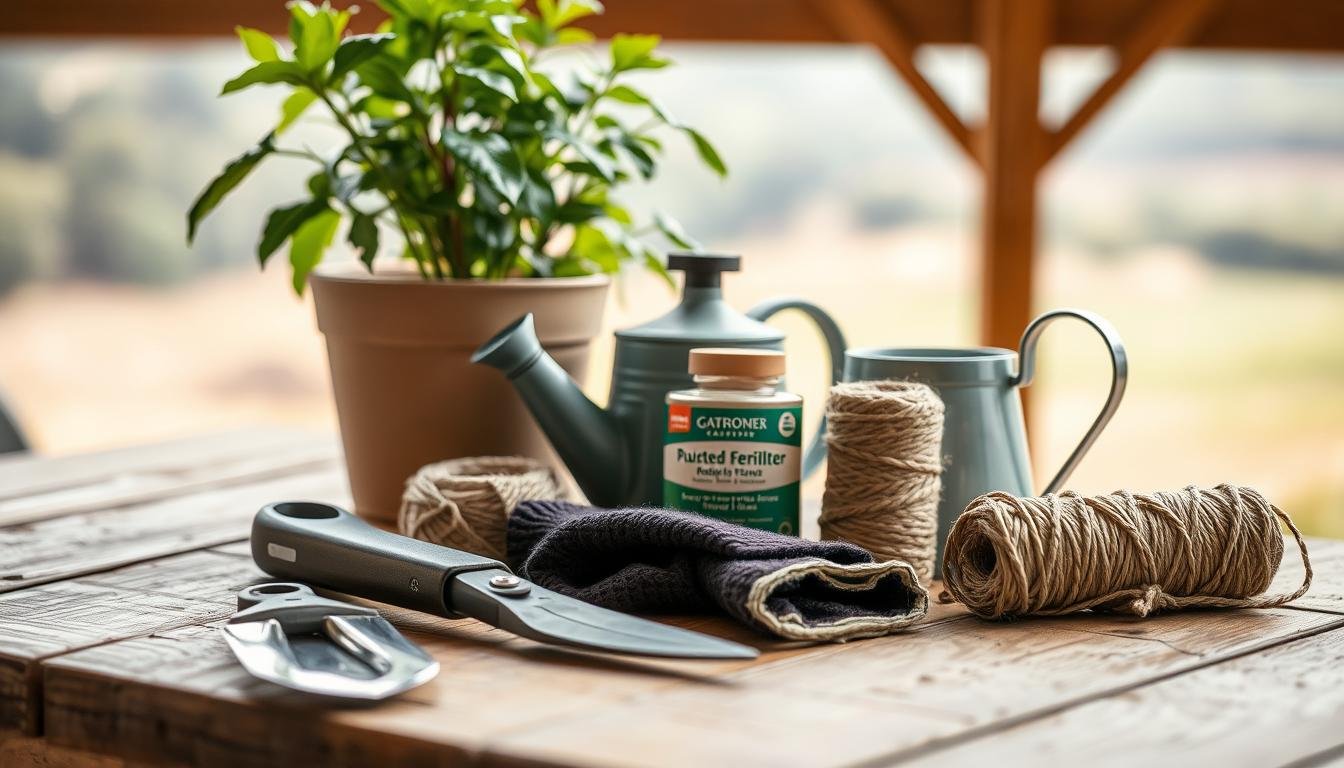
Can a small budget really upgrade your gardening routine and keep hydrangeas happy? This question matters now, as blooms swell and yards demand quick, smart fixes.
Think of a single product that saves water, or a pair of pruning shears that fit your hand like a glove.
This roundup focuses on items you can add to your garden kit today for $25 or less. We highlight durable picks like Fiskars pruning shears, a waterproof potting mat, Velcro plant ties, netting to protect seedlings, and a dual soil moisture and pH meter. Each choice balances comfort, strong owner feedback, and sensible design details that matter in daily gardening.
Expect quick specs tied to real benefits: fewer trips with the watering can, cleaner picnic tables when dirt flies, and better plant health from reliable liquid feed. We also note Prime shipping and U.S. buying tips so you time purchases for peak yard weeks.
Key Takeaways
- Budget-friendly gear can boost garden comfort without sacrificing durability.
- Each featured product solves a common outdoor chore, from pruning to seedling protection.
- Look for clear design cues: material, handle comfort, and spray or coverage patterns.
- Prices shift, but these items typically sit at or below the stated price point with solid reviews.
- We include quick care tips so purchases last across seasons.
Why Budget Tools Don’t Have to Mean “Cheap”: Materials, Comfort, and Value
Good garden gear proves that a small price tag can still mean careful design and lasting use. Choose the right mix of material and comfort, and a humble purchase will perform season after season.
Think about how a cast aluminum handle feels in your hands versus a flimsy plastic grip. Aluminum and steel resist rust and send a clear signal of durability. Stainless steel blades keep a sharp edge and stand up to wet soil and frequent use.
Aluminum vs. stainless steel vs. high-quality plastic
Aluminum brings light strength; forged aluminum handles cut wrist strain during long weeding sessions. Steel parts add toughness for blades and spikes. High-grade plastic reduces weight for watering cans and mats—store these out of direct sun to extend life.
Ergonomic grips, padded handles, and shock absorption
Comfort features matter. Padded handles, rubberized grips, and shock pads lower pressure on your hands so you can use a pruner or wand longer without fatigue. Seek thumb-locks that flip easily and grip profiles that keep wrists neutral when working in tight inches of planting space.
“Value equals durability plus comfort; a tool that stays comfortable and lasts becomes real savings.”
- Prioritize weight, handle padding, and contact points when comparing gear.
- For small hands, choose compact sizes to improve safety and precision around delicate plants.
How We Selected These Tools: Tested Effectiveness, Ease of Use, and Durability
We measured real performance, comfort, and longevity so you get reliable gear that saves time and effort.Each pick had to pass lab checks and backyard trials to make sure it fits everyday garden life.
Our selection began by putting each piece through timed performance and comfort trials. We ran nozzle tests, measured watering wand reach, and tracked handle comfort during half-hour sessions.
We tested spray reach up to 27 ft and checked flow consistency across settings. Controlled drops and scuff tests helped reveal weak spots. We also read owner reviews to confirm lab findings.
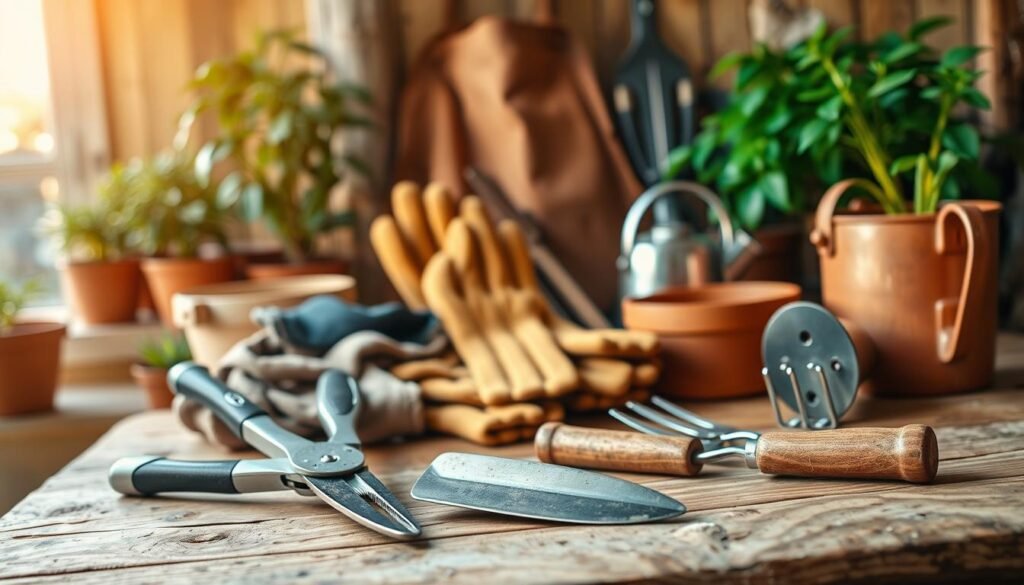
Design details mattered. Clear trowel markings, thumb throttles, and compact storage scored higher. We avoided any product that felt disposable after one season.
“A good tool performs its task quickly, feels right in your hand, and lasts through regular yard use.”
| Test | Method | Metric | Why it matters |
|---|---|---|---|
| Performance | Nozzle modes, watering distance | Flow consistency, reach (ft) | Saves time and delivers even coverage |
| Comfort | Half-hour handling sessions | Grip fatigue, padding score | Reduces hand strain for long use |
| Durability | Drop, rust, and scuff tests | Material integrity, corrosion resistance | Ensures season-to-season value |
| Design | Feature checks (marks, locks) | Ease-of-use rating | Prevents user errors and speeds tasks |
- We ranked each product on practical use and long-term value.
- Choices favor compact storage and easy cleaning so gardeners keep gear ready.
Top 10 gardener-approved, high-quality tools under $25
Simple additions to your kit can cut work time and keep plants healthier through summer. Each pick targets a common chore—pruning, potting, watering, or pest protection—so you spend less time fixing problems and more time enjoying blooms.
Below are reliable, under-$25 items that fit small budgets yet deliver big returns in the yard. Prices vary, but these choices balance material and function for everyday gardening.
Sharp pruning shears for clean cuts and easy pocket lock
Fiskars pruning shears give a sharp, clean cut and snap closed with a quick pocket lock. They sit well in a hand and reduce tear on stems, which helps roses and other flowers recover faster.
Waterproof potting mat to keep dirt and soil contained on tables
The fold-and-snap mat creates a shallow tray that traps dirt and keeps your table tidy during repotting.
Weather-resistant Velcro plant tie for tomatoes, peppers, and flowers
Use the Velcro ties for flexible support as stems thicken. They hold through rain and sun without cutting into soft vines.
Lightweight bird and critter netting to protect fruit, seedlings, and flowers
Mesh netting shields berries and young plants while staying easy to remove when you harvest.
Dual-read soil moisture and pH meter for smarter watering and healthier plants
This battery-free probe reads moisture and pH so you can water and amend soil with confidence.
Long-handle crack weeder with steel blade for pavers and patio edges
A 13-inch handle and sharp steel blade pop weeds from joints with minimal bending and effort.
Stainless steel spike sprinkler with brass fittings and multiple spray patterns
The stainless steel stake holds steady; brass fittings resist leaks and offer three spray choices for focused coverage instead of a full lawn hose blast.
Liquid plant food with microbes for a better fruiting season
Apply a microbe-rich liquid food to boost blooms and fruit set; follow label rates so small beds don’t get overfed.
Long-handle pet waste rake and pan set to keep the yard clean
Long handles let you stay upright while clearing paths and lawns so the garden welcomes guests faster.
Lightweight plastic watering can with removable spout for gentle seed watering
A PP watering can with a removable spout gives a soft sprinkle ideal for seedlings and small containers. It stores flat in small sheds.
“Smart, simple gear often beats expensive upgrades—especially when it helps you tend plants with less effort.”
Smart Watering on a Budget: Hoses, Nozzles, Wands, and Splitters Under $25
Small upgrades make a big difference in how you supply water to beds and containers. Use a simple splitter or a quality nozzle to cut waste and save time while keeping plants healthy.

Start with the faucet. A heavy brass faucet splitter (~$9) gives two shut-off valves with easy-turn switches. That means you can run a dedicated hose to the veggie patch and another for cleanup without swapping fittings.
Heavy brass faucet splitter with easy-turn shutoff valves
Durable brass resists leaks and keeps flow steady. Easy-turn valves stop drips and make zone-by-zone watering simple, even at dusk.
Nine-pattern hose nozzle and thumb-throttle wand options
The Dramm nine-pattern nozzle (~$19–$23) has a metal body and a one-touch thumb throttle. It shifts from mist to jet fast and labels each pattern clearly.
The Relaxed Gardener wand (~$18–$22) adds a padded handle, thumb throttle, and eight spray modes. In tests it reached roughly 27 feet for overhead watering.
“Thumb throttles reduce grip strain and let you fine-tune flow without fuss.”
- Double your outlets with a splitter to keep lines separate and tidy.
- Choose a metal-bodied nozzle or wand with quality seals for daily use.
- Pair a wand with a lightweight hose for nimble reach into hanging baskets.
- Keep threads clean and add plumber’s tape if a seal starts to leak.
| Item | Price Range | Key Feature | Best Use |
|---|---|---|---|
| Brass faucet splitter | $8–$12 | Two easy-turn valves | Zone watering from one spigot |
| Dramm 9-pattern nozzle | $19–$23 | One-touch thumb throttle, metal body | Seedlings to cleaning |
| Relaxed Gardener wand | $18–$22 | Padded handle, long reach (~27 ft) | Hanging baskets, deep containers |
For buying hoses and accessories, check a reliable selection of garden hoses and fittings at garden hoses & irrigation.
Cut, Dig, and Weed: Steel Blades, Trowels, and Garden Knives Worth Owning
When soil is compacted or roots are stubborn, the right knife saves time and strain. Pick a trowel for precise digging and a soil knife for cutting and prying; both can change how you work in the bed.
When to choose a steel blade trowel vs. a soil knife
Testing shows the Nisaku Hori Hori excels at uprooting tough weeds and dividing perennials with its dual-edge and depth markings.
The Wilcox long stainless trowel slices through soil cleanly and helps set bulbs with minimal disturbance.
- Use a steel blade trowel for small holes, transplants, and precise depth work.
- Reach for a soil knife to cut roots, split crowns, or pry stubborn weeds in compacted ground.
- Choose grips that fit your hands; square handles can tire you on long jobs.
- Keep blades clean and sheathed—rust dulls edges and moves pests between plants.
“A tool that sits right in your hand makes the job feel easier and finishes cleaner.”
Protect Plants, Save Harvests: Netting, Stakes, and Raised Bed Edges
Simple covers and lightweight stakes keep birds and small pests away while letting light and air through. Attach netting to raised bed edges and use bamboo stakes to support growth without crowding the plot.
A flexible sheet of polypropylene bird block netting works well for ripening fruit and tender seedlings. Clip the mesh to a raised galvanized bed’s thin ridge so the plastic grid stays secure and does not tear.
Use bamboo stakes in matching sizes to support tomatoes, beans, and tall flowers. Tie stems gently with soft ties and build a basic trellis to prevent wind snap.

- Keep netting taut but not overstretched—slack invites tangles and makes harvests harder.
- Route any nearby hose around netting corners to avoid snags and accidental pulls.
- Label stake rows so netting goes back on in the same layout after pruning or feeding.
- Store netting folded (not wadded) to reduce tangles and extend service life.
- Consider a low perimeter edge or fencing to block ground-level nibblers slipping under loose mesh.
| Item | Material | Feature | Best for |
|---|---|---|---|
| Bird block netting | Polypropylene | Lightweight, clips to thin ridge | Protecting small fruits and plants |
| Bamboo stakes | Natural bamboo | Varied sizes, eco-friendly | Tomatoes, tall flowers, trellises |
| Raised bed edge | Galvanized steel | Thin ridge for clips | Securing mesh without tearing |
| Perimeter fencing | Plastic or metal | Low barrier, easy install | Deterring ground nibblers |
For guidance on raised beds and securing covers, see our short guide to a raised herb garden to match bed sizes and layout to your needs.
Hands Matter: Choosing Gloves with the Right Grip, Size, and Material
Your hands do the heavy lifting in the garden, so choosing the right gloves pays off every season. Pick a pair that fits well and matches the job, and you’ll reduce cuts, blisters, and fatigue.
Think about where you work most: beds, brambles, or pots. A single pair rarely fits every task well, so plan for two options.
Synthetic leather vs. leather: protection, breathability, and use cases
Firm Grip General Purpose Gloves feature padded palms, adjustable wrists, touchscreen-compatible fingertips, and breathable synthetic leather. Some users note a longer thumb, but mobility stays strong for pruning and digging.
Long, 100% buffalo leather gloves offer durable protection with adjustable wrist loops and breathable backs. They shine when thorns and rough branches threaten scrapes and when you need forearm coverage.
- Fit: Choose gloves that hug your hands with room to flex; a secure wrist keeps debris out between beds.
- Material: Synthetic leather stretches and breathes for everyday control; full leather resists punctures for brambles.
- Sizes & size notes: Check sizes carefully—long thumbs may reduce finesse but still work well for heavy tasks.
- Features to prefer: Touchscreen tips, padded palms, breathable backs, and machine-washable options for easy care.
- Care: Store gloves dry and flat; damp, crushed leather will stiffen and shorten life.
Practical tip: Keep a light pair for summer planting and a tougher leather pair for pruning thorny shrubs. Proper gloves protect your hands and help you enjoy gardening longer.
Comfort for Longer Sessions: Kneeling Pads, Seats, and Ergonomic Design
Good comfort choices keep you working longer and feeling better after each session. Simple items like a thick foam pad and a small seat help protect joints and make chores easier to finish.
Comfort changes how much time you spend in the bed and how well you care for plants.
Thick foam pads and pad sizes in inches for knee relief
The Red Home Club kneeling pad uses thick foam, a textured surface, and an ergonomic handle. It comes in two sizes: 18 x 11 x 1.5 inches and 24 x 14 x 1.5 inches, and it weighs under a pound.
The pad stays supportive even if the sides thin over time. Store it flat and out of direct sun to extend life.

A dense pad protects knees and back during long weeding or planting sessions. Pair it with a low seat so you can alternate positions and reduce pressure.
- Grip: A textured surface resists sliding on damp grass or stone.
- Portability: An ergonomic handle frees one hand for small garden tasks.
- Care: Wipe clean after muddy days and keep a spare for helpers.
Use a well-fitted pair of gloves to protect your hands and pair supportive items with the right tools for an easier, longer gardening routine.
Soil, Seeds, and Seedlings: Tools and Materials to Start Strong
Start indoors to control warmth and light and give young plants a head start. Use plantable pots and a steady routine so seedlings move outside with less shock.
Starting seeds indoors with a quality seed-starting mix helps roots develop in loose, nutrient-ready soil. Use Jiffy peat pots or other plantable pots so you can set the whole cup into the bed and avoid root disturbance.
Warm germination on a heat mat speeds sprouting for heat-loving varieties, and a grow light prevents legginess so stems stay stocky. Label pots and note dates so you can pot up and harden off on schedule.
Outdoors, use a compact cast aluminum trowel with depth marks to plant bulbs and transplants at the right inches. Water at the root zone with a gentle sprinkle from a watering can or a low-flow hose head to keep surface soil intact.
- Handle seedlings by leaves, not stems, and wear thin gloves when you need a steadier touch.
- Harden off over 7–10 days—move from shade to part sun—then transplant and keep soil evenly moist for a week so roots anchor.
Materials That Last: Stainless Steel, Forged Aluminum, and Weather-Resistant Plastics
Choose materials that resist wear and stand up to sun, soil, and seasons. Stainless steel and forged aluminum deliver strength without extra weight, while UV-rated plastics keep smaller garden gear serviceable longer.
Stainless steel resists corrosion and keeps an edge, so pick it for blades, spikes, and any part that touches soil or water. A clean, dry storage routine prevents spots and keeps a blade working longer.
Forged aluminum gives a light but sturdy backbone for handles. It lowers fatigue during long tasks and pairs well with a balanced metal blade for steady cuts along an edge.

Weather-resistant plastics like UV-stabilized polypropylene or polycarbonate work well for watering cans, potting mats, and other garden accessories. Store these out of direct sun to avoid brittleness and extend service life.
- Brass or steel couplings on a hose or fittings thread reliably and survive drops better than thin plastic connectors.
- Design details—rounded edges, solid ferrules, and tight fasteners—keep parts aligned and safe during use.
- Compare material specs and sizes when choosing between similar items; higher-grade metal or thicker plastic will usually last longer.
“A quick rinse and dry keeps metal spot-free and prevents grit from dulling the blade.”
Size, Weight, and Handle Design: Getting the Right Fit for Your Hands
Small changes in grip and balance can cut wrist soreness and improve every prune or scoop. Choosing the right handle size and weight helps gardeners work longer with less strain.
Match tool scale to your grip. Some pruners are made for larger hands, while other models fit smaller or left-handed users. Try holding a model before you buy.
Comfort beats flash. Handle diameter and padding should let fingers wrap without pinching. Test the wrist angle during a firm squeeze to avoid hotspots.
Think about balance. A forward-heavy head strains the wrist. A well-balanced piece feels like an extension of your hand and gives cleaner cuts.
“If a tool causes hot spots, swap sizes or add a grip sleeve rather than pushing through discomfort.”
- Use lighter gear for overhead work and sturdier heads for straight cuts.
- Prefer thumb throttles and padded grips on watering items for long sessions.
- Keep handles clean so wet dirt doesn’t make grips slick.
| Feature | Best for | Notable benefit |
|---|---|---|
| Thin diameter handle | Smaller hands | Better control, less pinch |
| Padded, thick handle | Long sessions | Less fatigue, softer grip |
| Reinforced shaft | Edging & transplanting | Less flex, steadier motion |
Yard Organization: Simple Storage Ideas to Extend Tool Life
A tidy yard layout means less time hunting for gloves or a nozzle and more time gardening. Smart storage protects metal and plastic parts, keeps hose lines ready, and makes your daily routine smoother.
Place frequently used items near beds. A weather-proof bin or cooler by planting zones saves trips and keeps products at hand for quick tasks.
Use a mobile hose reel with a rust-resistant frame and molded wheels to move water where you need it. Reel spigots and guides make winding faster and reduce kinks that wear gaskets.
Dry gloves flat and store them out of direct sun. Hang hand items so edges stay clear of grit and standing water; this preserves sharpness and prevents rust on metal parts.
- Separate heavy metal pieces from lightweight plastic watering cans and trays to avoid crushing and warping.
- Label drawers for ties, stakes, and spare nozzles so you find the right product fast.
- Keep netting in mesh bags to allow airflow and prevent mildew in humid weather.
Clean blades and handles before storage; soil and sap invite corrosion and dull edges. Keep a small caddy stocked with essentials—gloves, a hand pruner, and a trowel—so quick fixes take minutes, not hours.
| Item | Storage Tip | Benefit | When to replace |
|---|---|---|---|
| Mobile hose reel | Store on a covered porch | Reduces kinks; eases transport | Wheels crack or frame rusts |
| Weather-proof bin | Keep near beds | Saves time; protects frequent-use items | Cracks or lid no longer seals |
| Mesh bag for netting | Hang in ventilated area | Prevents mildew | Material frays or tears |
| Hanging rack for hand items | Mount off-ground | Keeps edges sharp; avoids standing water | Hooks loosen or corrode |
“A seasonal sweep to discard cracked parts and worn gaskets prevents mid-season failures and saves you time later.”

Seasonal Timing and the Present Growing Window: What to Prioritize Now
A few well-timed actions this week can protect young plants and speed harvests down the line. Use your USDA zone as the baseline for scheduling so tender starts avoid late cold snaps and sudden heat waves.
Check the USDA Plant Hardiness Zone Map to set the correct planting dates for your area. Water in the early morning to cut evaporation and reduce disease risk. Shade young beds during heat spikes with lightweight fabric or a simple canopy.
- Start with your USDA zone to map planting windows and protect tender starts.
- Prioritize seed starting for warm-season crops if your season is short; a short head start yields stronger harvests.
- Watering in the early morning lets plants drink before heat builds; avoid overhead wetting on sunny days.
- Prep soil now with compost and slow-feed amendments so roots access nutrients as growth accelerates.
- Stagger sowing of quick crops to spread harvests over time and reduce workload peaks.
Gardener checkpoints: inspect ties, trellises, and netting weekly and watch forecasts for sudden shifts that mean row covers or extra mulch. Record what works this season so next year’s plan gets easier and more productive.
“Small, timely moves beat last-minute scrambling—plan by zone and act early.”
| Priority | Action | Why it matters |
|---|---|---|
| Timing | Check USDA zone | Prevents frost or heat damage |
| Water | Morning only | Reduces evaporation and disease |
| Soil | Add compost | Feeds roots during growth |
Shopping Tips for U.S. Gardeners: Prime Shipping, Returns, and Price Watching
Plan purchases around delivery windows and stock so gear arrives when you need it most. Use quick checks of price history and recent reviews to avoid surprises and save time.

Check shipping rules first. Prime members get free, fast shipping on small items. Non-Prime orders usually ship free at $35 or more, so bundle light items to hit that threshold.
Watch price history and current stock. Many popular garden products restock fast in season and can jump in price for short periods.
Verify return windows before planting time. If a product arrives late or damaged, prompt exchanges keep your schedule intact.
Scan size charts for gloves and handheld items. Choosing the right sizes improves comfort and control right away.
- Read recent reviews for durability notes—look for comments about hose fittings or grip wear.
- Favor listings with clear specs and materials over vague descriptions.
- Build a wishlist and set alerts to catch brief discounts on splitters, nozzles, and pruners.
- Order consumables together to avoid mid-season waits and keep packaging until you test fit and function.
| Tip | Why it matters | Quick action |
|---|---|---|
| Check stock & price history | Avoid sudden price spikes | Use price trackers or alerts |
| Confirm shipping & returns | Protect planting schedule | Note return cutoff dates |
| Verify sizes | Immediate comfort and safety | Compare size charts and measure |
Safety and Care: Cleaning Steel, Sharpening Shears, and Storing Plastics
A small, regular maintenance habit prevents big failures when you need gear most. Keep care simple and consistent: wipe, dry, sharpen, and store well so everything stays ready for use.
Wipe blades after pruning to remove sap; a clean steel blade cuts smoother and stays sharper between sharpenings.
Sharpen shears lightly every few weeks during active seasons. Disinfect blades when moving between beds to avoid spreading soil-borne issues in the soil.
Rinse off tools, then dry thoroughly—standing water promotes rust and degrades screws and springs. Use a light oil on pivots and fasteners so parts move smoothly and reduce hand strain.
- Store plastic items out of direct sun and away from heaters; UV and heat shorten life of cans, wands, and trays made of plastic.
- Coil a hose loosely, relieve pressure at the splitter, and cap ends to keep grit out of threads.
- Inspect handles for cracks on high-torque items and keep guards on edged implements when not in use.
“At season’s end, deep clean, sharpen, and organize so spring starts with everything ready.”
Conclusion
A small, focused kit can change how quickly and confidently you care for beds and containers. With the right picks, everyday gardening becomes simpler, less tiring, and more rewarding.
Start with a reliable pair of shears, a gentle watering setup, a sturdy trowel, and protection like netting and gloves.
Add comfort with kneeling pads and a well-fitted leather or synthetic pair so longer sessions feel easier on skin and joints. Small investments—a splitter, a moisture meter, and soft ties—save time in the yard and reduce guesswork through the season.
Care for materials, store gear properly, and rotate tasks as plants grow. When you’re ready to expand, upgrade hoses and organizers piece by piece. Pick one gap to fill this week and watch your gardening feel smoother tomorrow. For a closer look at the best pruning options, see our guide to the best pruning shears.