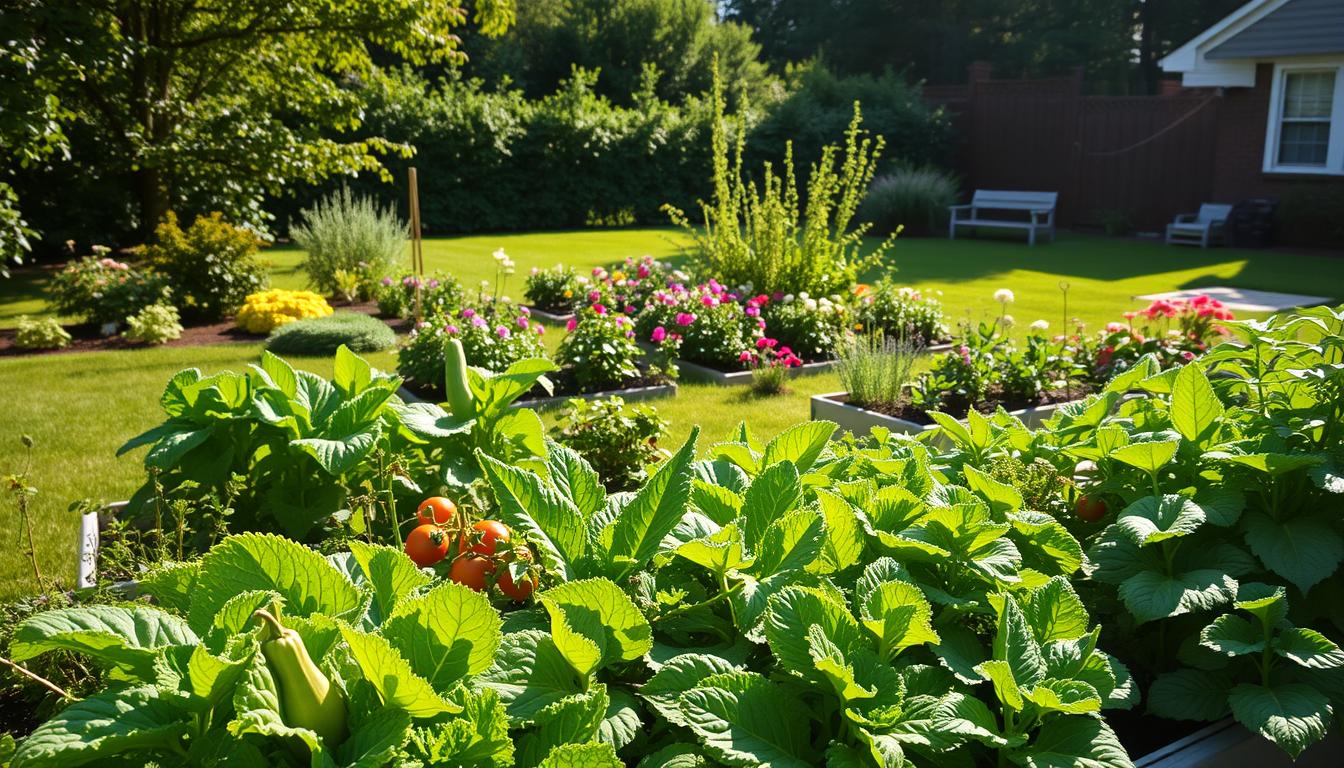
Could a slice of turf in your front yard become a steady source of fresh food and wildlife habitat? That question pushed us to trade a water-hungry monoculture for a diverse, productive patch of plants.
We wanted a garden that looks neat, feeds our family, and invites pollinators. We used raised beds for tidy vegetables, edible ground covers like strawberries and thyme for weed control, and a backbone of fruiting shrubs and small trees for structure and year-round interest.
Practical methods like sheet mulching and careful removal of persistent grasses made the swap doable. We also planned seasonal flow—peas and kale in cool spring, tomatoes and peppers after frost—and added companion flowers to attract helpful insects.
If you want a clear plan to copy, check our step-by-step layout and plant list for U.S. climates at Ceres Garden: Transform Your Outdoor Space. Imagine harvesting dinner steps from your door while supporting local biodiversity.
Key Takeaways
- Small swaps yield big benefits: Replace a modest turf area to boost biodiversity and food production.
- Structure matters: Raised beds, ground covers, and fruiting shrubs create order and ongoing harvests.
- Seasonal planning: Plant cool-season crops early and warm-season crops after frost.
- Low-dig options: Use sheet mulching for an easier conversion.
- Start small: Expand over time to match budget and comfort level.
Why we turned lawn into food: intent, benefits, and a front-yard mindset
We wanted a neat, purposeful front yard that yields dinner and supports wildlife. This change blends simple gardening habits with permaculture ideals to care for soil, people, and the neighborhood.
In the U.S., turf covers more managed land than any irrigated crop and offers little habitat. Replacing a small area creates a productive habitat that saves water and nourishes soil life.
From monoculture to productive habitat in the United States
Our aim was clear: swap a water-hungry monocrop for a living mosaic of ground covers, shrubs, and small trees.
Different types of plants—from strawberries and herbs to fruiting shrubs—fit local climates and maintenance levels.
Adding a raised bed or two makes starting simple and lets you grow vegetable varieties without reshaping the whole yard.
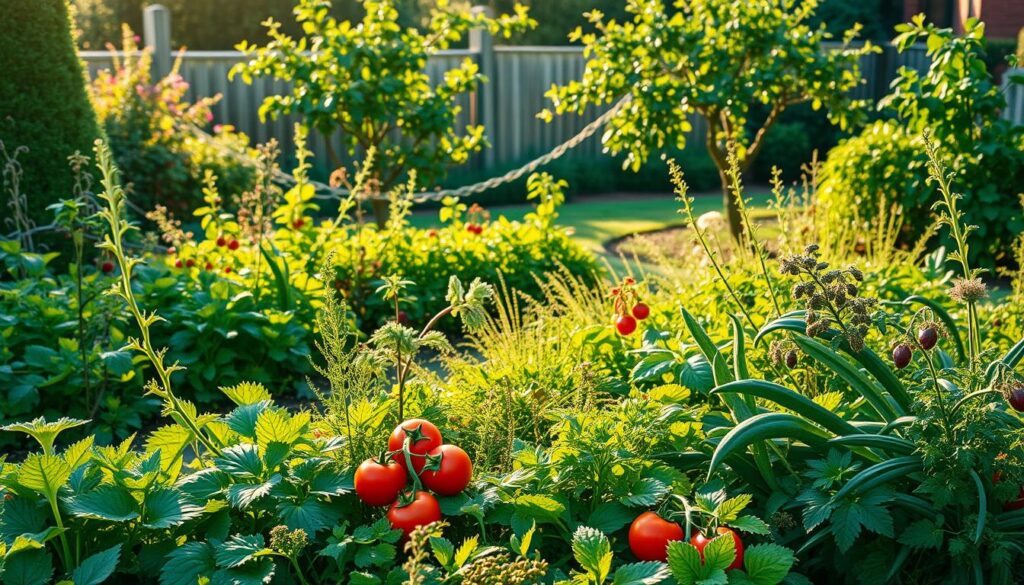
Edible landscaping meets curb appeal and community
Neat edges, a defined path, and repeated colors keep the garden tidy while it produces food.
Visible harvests spark neighbor conversations and invite curiosity about gardening. Small changes can inspire others to try growing food at home.
turned section lawn into edible landscapehere’s what
Our planting plan blends low carpets, structured shrubs, and seasonal beds so every inch earns its keep. This layout focuses on layered function: weed suppression, steady harvests, and habitat for beneficial insects.
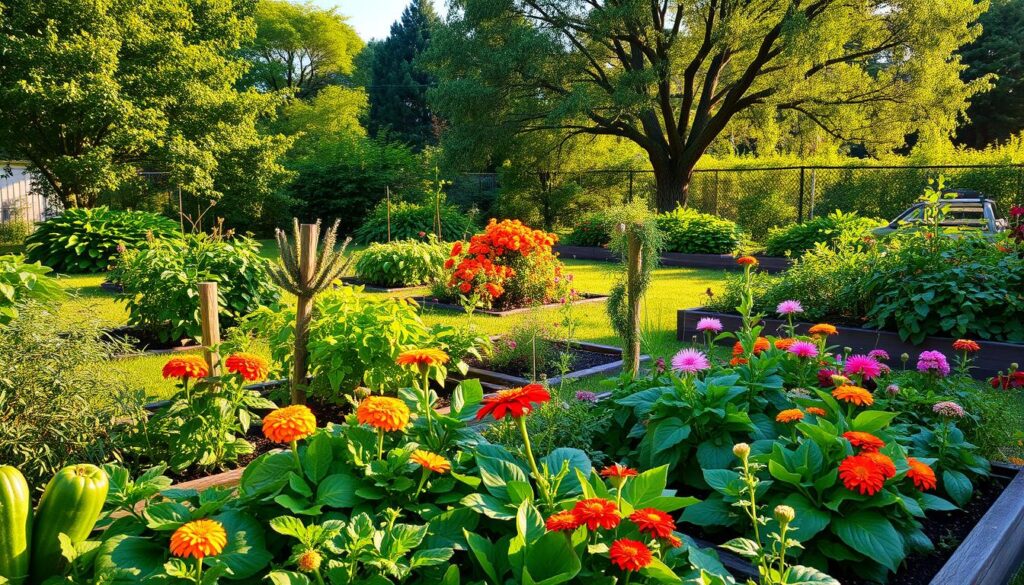
The exact mix we planted and why it works together
Core layers: edible ground covers at the edges, raised beds for annual vegetables and herbs, and a backbone of fruiting shrubs for structure and steady yields.
- Groundcover blend: everbearing strawberries for constant fruit and thyme as a fragrant carpet to fill gaps and suppress weeds.
- Raised beds by season: cool-season greens and peas in spring; tomatoes, peppers, and basil after frost for continuous harvests.
- Three Sisters example: corn for vertical support, beans to fix nitrogen, and squash to shade soil and deter weeds.
- Companion flowers: sweet alyssum, calendula, and nasturtium draw pollinators and add edible blooms.
Functional pairings matter: chives near strawberries deter pests, and basil sits beside tomatoes to boost flavor and appearance. Serviceberry and currants anchor the beds with spring bloom, summer fruit, and fall color.
Irrigation efficiency: buried drip or soaker lines under mulch cut evaporation and keep foliage dry to lower disease risk. Each plant supports soil, pollinators, or neighbors—making the whole garden more resilient than any single crop.
Plan your space: sun, traffic patterns, time, and budget
Map light and movement first—this simple step frames every planting and path decision. Walk the property during different hours and note spots with 6+ hours of sun for fruiting crops and 4–6 hours for leafy greens like kale. Mark areas of heavy foot or pet traffic so beds sit out of the main routes.
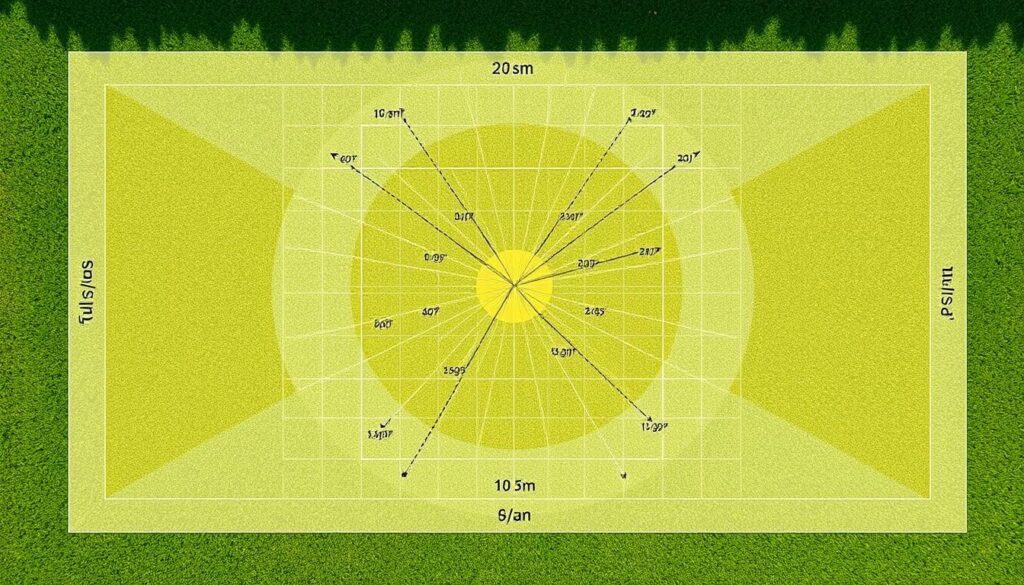
Sun mapping, microclimates, and raised beds
Place taller plants north or west so they won’t shade smaller crops. Use warmer microclimates for heat-loving vegetables. Choose raised beds near full sun, level ground, and a water source; reserve partial sun for greens and herbs.
Deer, kids, and dogs: designing pathways and deterrents
Plan paths first so kids and pets move predictably and avoid seedlings. Use low fences, hedges, or aromatic borders to deter deer and discourage dogs from marking near plantings.
Time vs. plant choice: annuals, perennials, and maintenance
Be honest about available time. Annuals demand more work; perennials and groundcovers cut upkeep. Many gardeners shift to mostly perennials to save effort over seasons.
Spreading costs: seeds, cuttings, and phased planting
Stretch your budget by starting with seeds, divisions, and volunteer cuttings. Phase the build—one or two beds first—then add areas over time. Group plants by water needs and invest in mulch, compost, and a basic soaker system first.
| Consideration | Quick guideline | Best-fit examples | Priority cost |
|---|---|---|---|
| Sun | 6+ hrs = fruiting; 4–6 hrs = greens | Tomatoes, peppers; kale, parsley | Low (mapping only) |
| Traffic | Define paths to protect beds | Mulched walkways, stepping stones | Medium (materials) |
| Maintenance | Match plants to available time | Perennials and groundcovers | Low–Medium |
| Budget | Phase projects; use seeds & cuttings | Start one bed, add later | High (soil & irrigation) |
For more ideas on plant placement and options, see this guide on how to incorporate edible plants into compact front yard spaces.
Prepping the site: removing turf and building healthy soil
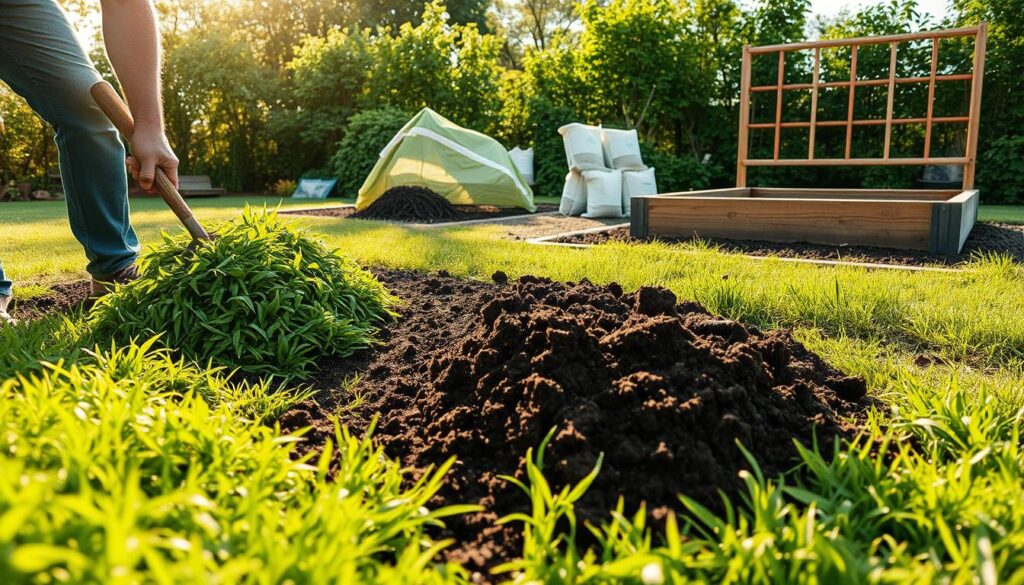
Begin by choosing whether to smother turf or lift it — the right choice saves effort later. This step sets how quickly soil life recovers and how fast your new beds take root.
Sheet mulching vs. digging: when to pick each
Sheet mulching smothers turf with overlapping cardboard and layered organic matter. It builds soil with minimal digging and keeps weeds down.
Digging fits when aggressive rhizomes dominate. Lift turf in squares, shake soil from the roots, and remove any jointed runners to stop regrowth.
Dealing with invasive Bermuda grass safely
Do not add Bermuda grass to home compost. Backyard piles rarely heat enough to kill rhizomes. Hand-remove and discard or follow municipal green-waste rules.
Compost, mulch, and water-wise irrigation setup
Add compost generously and reuse sifted soil to fill new beds. Bury soaker hoses or drip lines before mulching and run them on timers for consistent cycles over the years.
“Good soil is the fastest way to healthier plants and less work later.”
| Method | Best for | Effort | Notes |
|---|---|---|---|
| Sheet mulching | Normal turf areas | Low–Medium | Cardboard + compost + mulch; builds ground over months |
| Digging & lifting | Rhizome-heavy patches | High | Remove roots and runners; reuse sifted soil for beds |
| Irrigation setup | New beds | Medium | Bury soaker hoses; set timers; mulch 2–3 inches |
- Mulch 2–3 inches to cut evaporation and protect roots.
- Test water by hand, then program timers and adjust by rainfall.
- Keep paths mulched to protect soil structure and access areas.
Edible ground cover that feeds and suppresses weeds
A dense carpet of low-growing plants can fill gaps, feed your family, and cut weeding time. These living carpets act as a living mulch, keeping soil cool and moist while offering small harvests and spring blooms.
Strawberries, thyme, and chives as living carpets
Wild and cultivated strawberries (Fragaria vesca, F. virginiana) make a productive mat. They fruit, block weeds, and attract pollinators with their spring flowers.
Thyme fits between stepping stones and along edges. It tolerates light foot traffic, smells great, and visually softens hard lines.
Chives work well at borders. Their edible flowers draw beneficial insects and add color while leaves give quick culinary use.
When mint and lemon balm belong in containers
Mint and lemon balm spread aggressively in open soil. Give them pots or sunk containers to enjoy their fragrance and tea leaves without losing control.
- Match covers to microclimates: wild ginger for shade, cranberries for acidic wet spots.
- Maintain runners: trim where paths need clearing and divide clumps every few seasons.
- Layer and space: plant ground cover under shrubs and leave gaps so they don’t spill into walkways.
| Ground cover option | Best spot | Care notes | Key benefit |
|---|---|---|---|
| Strawberries (wild & cultivated) | Full to part sun | Trim runners, divide every 2–3 years | Fruit + weed suppression |
| Thyme | Sunny edges, between stones | Drought-tolerant, low mowing | Fragrance + durable mat |
| Chives | Borders and bed edges | Cut flowers to seed; divide as needed | Edible leaves + pollinator flowers |
Treat these plants as living mulch: they feed soil life, reduce chores, and lift curb appeal across small front-yard spaces.
Grow food and flowers in raised beds without the mess
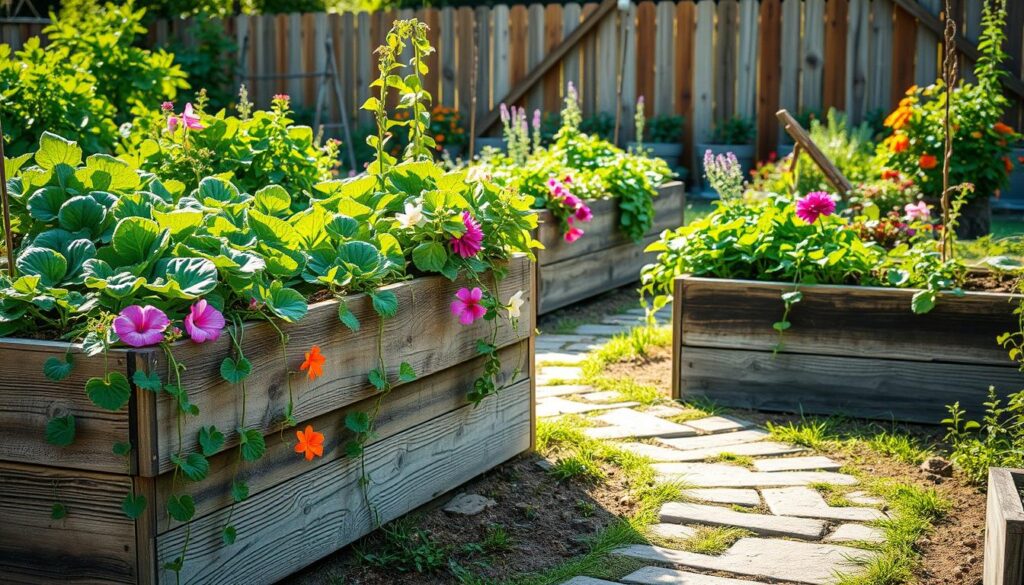
Raised beds let you grow neat rows of food and flowers without dragging soil through the house. They simplify watering, reduce weeds, and make harvesting more pleasant.
Bed sizing, fills, and buried soaker hoses
Four-foot-wide beds allow access from both sides so you never step on the ground. Keep lengths manageable for your space.
Fill each bed with a mix of compost, topsoil, and well-rotted manure. Bury a soaker hose grid, cover with mulch, and connect to a simple timer for clean, efficient watering.
Cool-season vs. warm-season vegetables by timing
Seed cool-weather crops—peas, radishes, turnips, and kale—early in spring. After frost, transplant tomatoes, peppers, cucumbers, and squash or set out starts.
Direct-sow quick seeds like radishes and bush beans while starting heat-lovers indoors to get a jump on the season.
Three Sisters example and companion flowers
Use one bed as an example: plant corn hills, tuck pole beans at the bases, and set squash around the edge as living mulch.
Mix in sweet alyssum and calendula to attract beneficial insects and support pollination for your edible plants.
- Tip: Rotate bed families each season to reduce pests and keep soil healthy.
- Tip: Harvest often to encourage steady production and tidy beds.
Edible trees and shrubs that structure the landscape
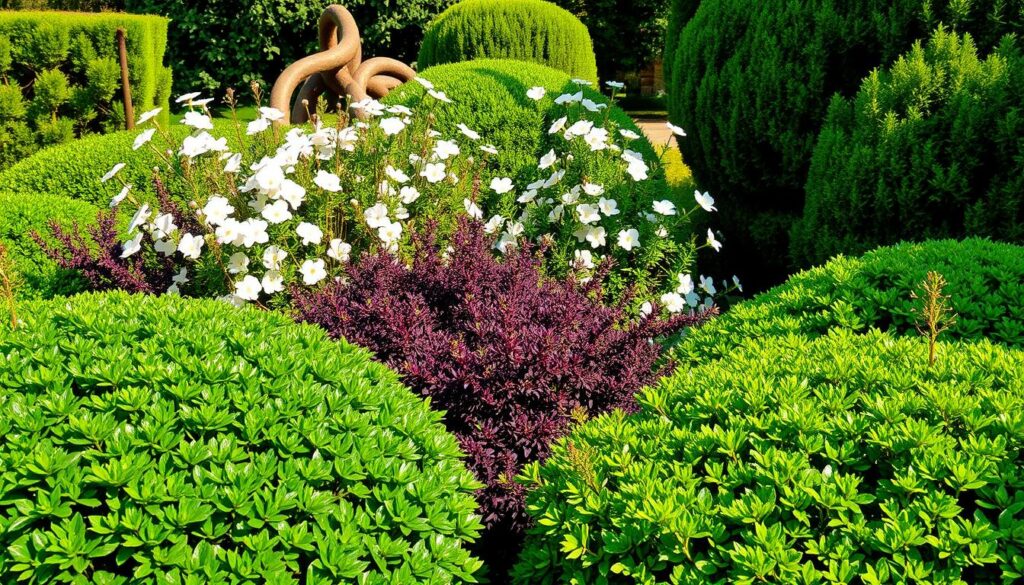
Choosing the right shrubs and small trees sets a garden’s backbone and seasonal rhythm. These perennials bring form, flowers, and food while anchoring beds along the house or fence.
Start with foundation hedges of shade-tolerant currants (Ribes rubrum or R. nigrum) or gooseberries to create tidy borders that fruit each year.
Rugosa rose works well pruned for form; its flowers draw pollinators and hips offer late-season interest.
Small fruit trees and native options
Plant small cherries for spring blossoms, summer fruit, and attractive bark that reads well from the street.
Serviceberry and elderberry feed both people and wildlife; serviceberry gives early berries for jam, while elderberry makes syrup and supports pollinators.
Pawpaw fits as an understory tree in suitable climates, offering custard-like fruit and a tropical leaf texture.
- Use edible shrubs to define structure and prune lightly to keep sightlines open in a front yard.
- Underplant with strawberries or thyme to suppress weeds and layer the beds in limited space.
- Group types in threes or fives and expect improving yields over the next few years as roots settle.
For design ideas and maintenance advice, see a practical guide to sustainable edible landscapes.
Vegetables that look good and keep producing
Choose reliable, compact performers so beds stay full and harvests arrive often. Keep the front yard attractive by favoring continuous producers over one-off crops.
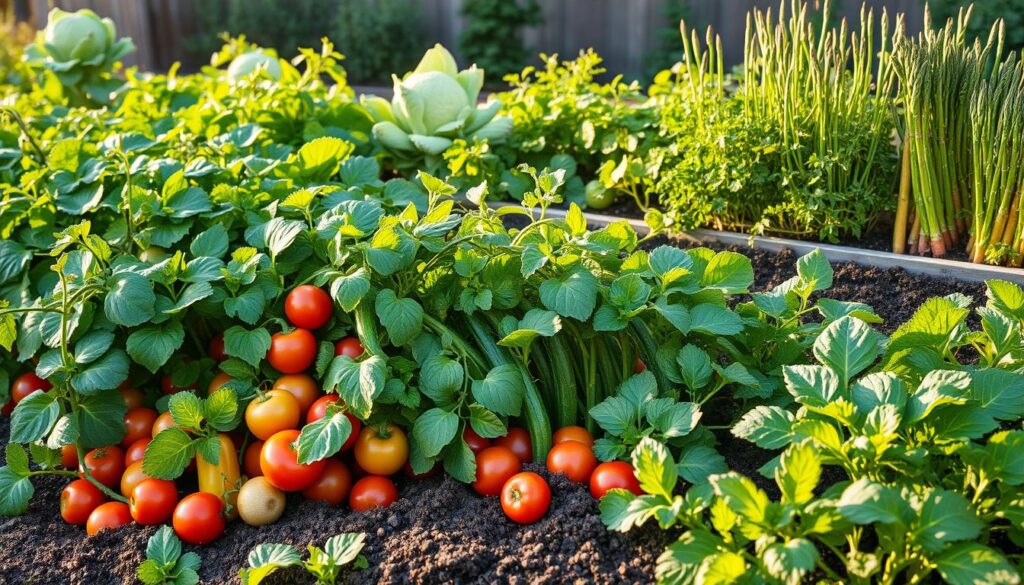
Pick cut-and-come-again greens like kale, Swiss chard, and collards for steady leaf harvests. Harvest outer leaves to encourage regrowth and maintain a neat appearance.
Cut-and-come-again greens, compact tomatoes, and peppers
Choose compact or dwarf tomatoes for borders and containers. Stake or cage early to keep form tidy.
Grow bush peppers that stay upright and add summer color. Pair greens with low annual flowers like sweet alyssum or violas to soften edges and attract helpful insects.
Where root crops fit—and where they don’t
Root crops often leave bare spots after harvest and may falter in mid-summer heat. Reserve carrots and beets for side beds or a backyard production plot.
Use succession planting with herbs and fast greens to avoid empty gaps. Group heights so the bed reads cleanly from path to backdrop and maximizes sun and space.
| Crop type | Best placement | Care tip | Visual impact |
|---|---|---|---|
| Cut-and-come-again greens | Front beds, edges | Harvest outer leaves weekly | Full, leafy border |
| Compact tomatoes | Containers or center back | Stake early; feed lightly | Structured fruiting plants |
| Bush peppers | Mid-border or pots | Support stems; regular harvest | Ornamental color |
| Root crops | Side beds or production plots | Avoid summer sowing; succession plant | Best out of main view |
Herbs, flowers, and native plants for beneficial insects
Build a layered border that feeds pollinators and offers scent, color, and habitat. Choose a mix that blooms from early spring through late summer and into fall.
Start small and plant in layers so nectar and shelter are always nearby. Natives like Monarda fistulosa, Liatris spicata, prairie smoke, and asters supply nectar across seasons. Mix in herbs and edible plants for extra value and scent.
Pollinator-friendly natives and three seasons of bloom
Aim for spring bloomers, summer standouts, and late asters to bridge gaps. This keeps beneficial insects fed when resources dip.
Edible flowers and fragrant walkway plantings
Use chive blooms, calendula, nasturtiums, and anise hyssop for garnishable color. Line paths with lavender, sage, and lemon balm so brushing plants releases scent.
Host plants and building a resilient guild
Include milkweed for monarchs and dill or fennel to host swallowtail larvae. Offer water in shallow dishes and avoid broad-spectrum pesticides.
| Plant | Bloom season | Pollinators | Notes |
|---|---|---|---|
| Monarda fistulosa | Summer | Bees, hummingbirds | Perennial, fragrant, great for blocks |
| Liatris spicata | Summer | Bees, butterflies | Tall spikes; strong visual guide for insects |
| Milkweed / Dill / Fennel | Spring–Summer | Monarchs / Swallowtails | Host plants; keep grouped and allowed to seed |
Group bold blocks of flowers to help pollinators find resources. For ideas from a front-yard project that blends beauty and habitat, see pollinator-friendly yard.
Design for beauty: permaculture and landscape principles
Design should feel simple: a few repeated plant choices can make a small garden read as calm and intentional. Keep the palette tight and repeat colors and textures to cut chores and build unity.
Simplicity and unity
Simplicity and unity: groupings and repeated colors
Group similar plants together so beds read as bold blocks. Use two or three colors and repeat them across beds.
This reduces maintenance and helps the eye move smoothly through the space.
Lines, borders, and emphasis for focal points
Draw curved paths or stone edges to guide movement the right way. A single specimen fruit tree or trellis gives emphasis without clutter.
Rock borders can act as heat sinks to extend the season for heat-loving plants.
Privacy screens and hedges that yield
Choose an edible hedge such as currants to replace an ornamental screen. A currant hedge gives form, spring flowers, and summer fruit while keeping privacy.
Seasonal color schemes that support biodiversity
Rely on perennials for structure, then weave annuals for seasonal pops. Plant purple chives and kale in spring, yellow calendula and chard in summer.
Group nectar-rich blooms so insects find resources easily and the garden stays vibrant across seasons and into winter.
Quick design reference
| Principle | Action | Benefit |
|---|---|---|
| Simplicity | Repeat 3 plants/colors | Low maintenance, calm look |
| Lines & borders | Curved paths, rock edge | Guides movement the right way |
| Emphasis | Specimen tree or trellis (example) | Single focal point, strong form |
| Privacy | Edible hedge (currant) | Yielding screen with structure |
| Backbone | Perennials & shrubs | Year-round form, less replanting |
Small weekly care—ten to fifteen minutes—keeps edges neat and the view welcoming. Over time, this way of designing makes the garden feel effortless and deeply rewarding.
Conclusion
Start with a clear, small plan and build out over time. One or two tidy beds, a simple irrigation line, and steady mulch make it easy to grow food near your door.
Begin small, learn the microclimates of your yard, and expand where plants thrive. Use seeds and divisions to stretch a budget and try compact vegetables like tomatoes and peppers alongside long‑lived shrubs for fruit and structure.
Focus on practical tools: a single bed, buried soaker or drip, consistent mulch, and simple rotation. Plant for spring greens, summer crops, and winter interest. Track results each season; small adjustments over years make the garden resilient and productive.
Choose one next step today—prep a bed, lay a border, or start seeds—and enjoy the way harvesting food enriches your space and supports pollinators.