What NOT to Compost: A Guide to Safe, Productive Soil

Start right by learning which scraps belong in a backyard heap and which ones cause trouble.

One wrong toss can slow decomposition, invite rodents, or spread disease. A contained bin around 3–5 feet in each direction builds heat and airflow that speeds results. Keep the pile moist but not soggy and turn it once or twice a month to hit active temperatures near 130–160°F.

Avoid adding pet feces, meat, bones, grease, whole eggs, dairy, diseased plants, or weeds with seed. These items draw pests and can contaminate your final product. Chop pieces smaller to speed the process and help microbes work faster.

We’ll explain common problem materials, easy alternatives, and the ideal bin conditions so your garden benefits from dark, crumbly compost and your yard stays tidy.

Key Takeaways

  • Keep a 3–5 ft contained bin for heat and airflow.
  • Turn the pile monthly and keep it evenly moist.
  • Avoid animal products and diseased plants to prevent pests.
  • Chop materials smaller to speed decomposition.
  • Use simple alternatives for problem waste to protect your garden.

Why avoiding the wrong materials keeps your compost pile healthy and your soil safe

AI-Overview Snippet:Keeping problem materials out prevents pests, odors, and plant diseases while protecting your soil and nearby gardens. The right inputs help heat build, microbes thrive, and decomposition stay steady.

Keeping the wrong inputs out keeps your pile hot, tidy, and free of pests. Meat, dairy, and greasy scraps attract rodents and maggots and cause foul odors. That signals an imbalanced system and slows decomposition.

Diseased trimmings or insect‑ridden clippings can carry diseases into finished compost and then into nearby gardens. Weed seeds tossed into a cool pile may survive and sprout later, undoing hours of weeding.

Microbes need oxygen, water, and nitrogen to break down yard waste. The wrong materials choke airflow and upset water balance, so the core never reaches the 130–160°F range that kills pathogens and speeds breakdown.

Keep inputs varied and turn the pile monthly. That maintains good conditions, protects plant growth, and turns waste into reliable compost. If you’re unsure about an item, choose an alternative or leave it out to protect your soil.
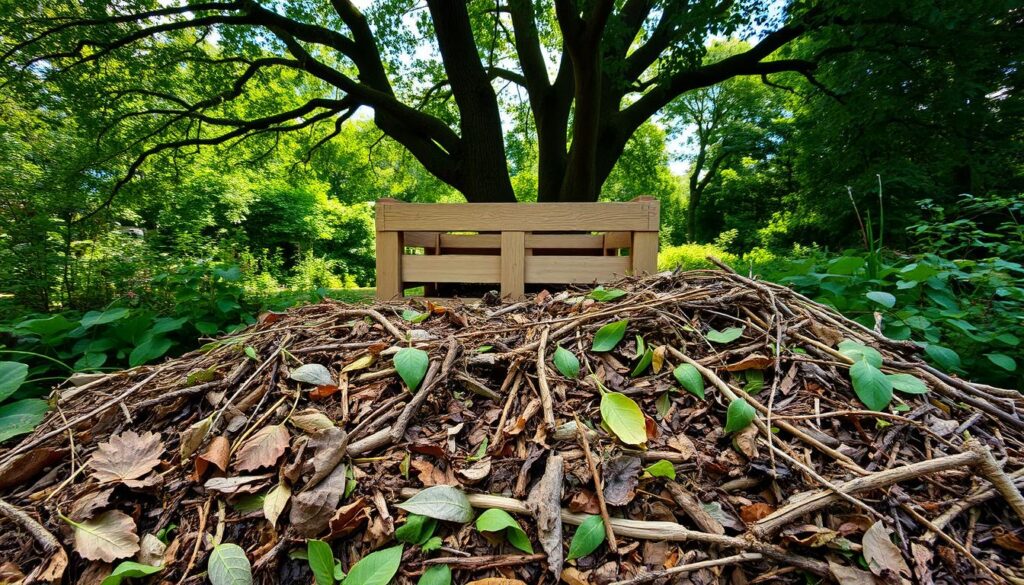
A well-organized compost pile, nestled in a lush, verdant garden setting. In the foreground, layers of organic matter - fallen leaves, vegetable scraps, and shredded branches - are carefully arranged, creating an intricate mosaic of textures and hues. The middle ground features a wooden or metal compost bin, its slats allowing air circulation to facilitate the decomposition process. Dappled sunlight filters through the canopy of mature trees in the background, casting a warm, earthy glow over the scene. The overall atmosphere conveys a sense of harmony, balance, and the natural cycle of life, emphasizing the importance of thoughtfully curating the contents of a thriving compost pile.

For a deeper how‑to on building and managing a hot bin, see this ultimate composting resource.

what not compost guide safe, productive soil

AI-Overview Snippet:

Skip problem inputs that attract pests, foul odors, or lingering chemicals. Focus feedstock on yard trimmings, plant-based kitchen scraps (no oils), and clean browns to keep heat steady and quality high. When unsure, route risky items to municipal organics or a Bokashi system as an alternative.

Keeping a clear exclusion list protects your pile and nearby plants. Some items bring parasites or pests. Others carry residues that can harm garden beds for months.
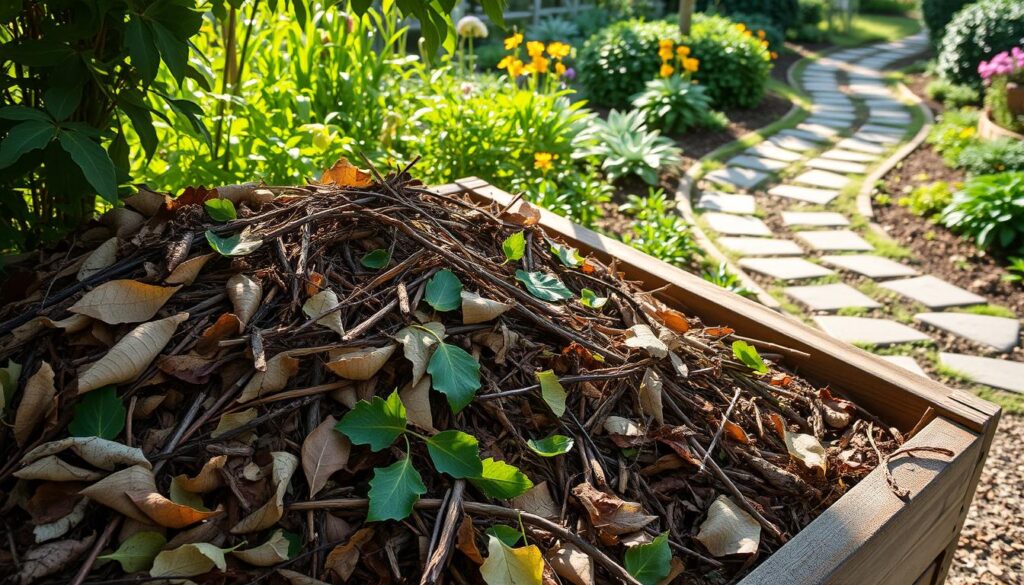
A well-organized compost pile, nestled in a lush garden setting. The foreground features a mix of organic materials - fallen leaves, vegetable scraps, and twigs - layered neatly in a wooden bin. Sunlight filters through the surrounding foliage, casting a warm, earthy glow on the decomposing matter. In the middle ground, verdant plants and flowers thrive, hinting at the nutrient-rich soil created by the compost. The background showcases a tranquil scene, with a stone path winding through a meticulously tended landscape. The overall atmosphere conveys a sense of balance, productivity, and the harmony between nature and human stewardship.

  • Pet feces and litter: Avoid adding these. They can harbor parasites and pathogens; use municipal pet‑waste programs or trash disposal as the better alternative.
  • Meat, bones, whole eggs, dairy products: These attract rodents, flies, and produce foul odors. Send food waste to sealed curbside pickup or a Bokashi bucket.
  • Oily or greasy foods and cooked food scraps: Fats coat organic pieces and slow composting. Divert to food‑waste services when possible.
  • Weeds with seeds or invasive plants: Seeds and roots can survive composting in a cool pile. Use hot thermophilic methods or green‑waste collection to ensure they don’t regrow.
  • Diseased or insect‑infested plant material: Pathogens and pests can persist; dispose via green‑waste collection or by trashing to protect other plants.
  • Coal or charcoal ash: May contain heavy metals—avoid adding ash. Very small amounts of untreated wood ash can be used directly in beds, not routinely in the pile.
  • Treated or painted wood scraps: Preservatives and coatings leach harmful chemicals; take treated wood to proper disposal sites.
  • Glossy or colored paper and magazines: Inks and coatings add microplastics and toxins; recycle these instead.
  • Synthetic and “compostable” plastics: Most won’t break down in home piles; check for commercial facilities or keep plastics out.
  • Citrus peels and onions in large amounts: High citrus acidity can slow microbial activity—add these scraps sparingly and mix well.
  • Materials exposed to persistent herbicides (clopyralid, picloram): Even traces can injure sensitive crops; exclude suspect waste to protect your yard and plants.

Keep a simple feedstock list on your bin. Mark what’s in and out to avoid mistakes and keep heat and airflow steady. For extra reference on alternatives and disposal options, see this composting resource.

Smart composting practices to prevent problems and protect your garden

AI-Overview Snippet: The right size, location, and mix turn a slow heap into a steady, hot composting process. Aim for a 3–5 ft bin, balanced browns and greens, steady moisture, and regular turning to keep temperatures in the 130–160°F range and avoid pests and odors.
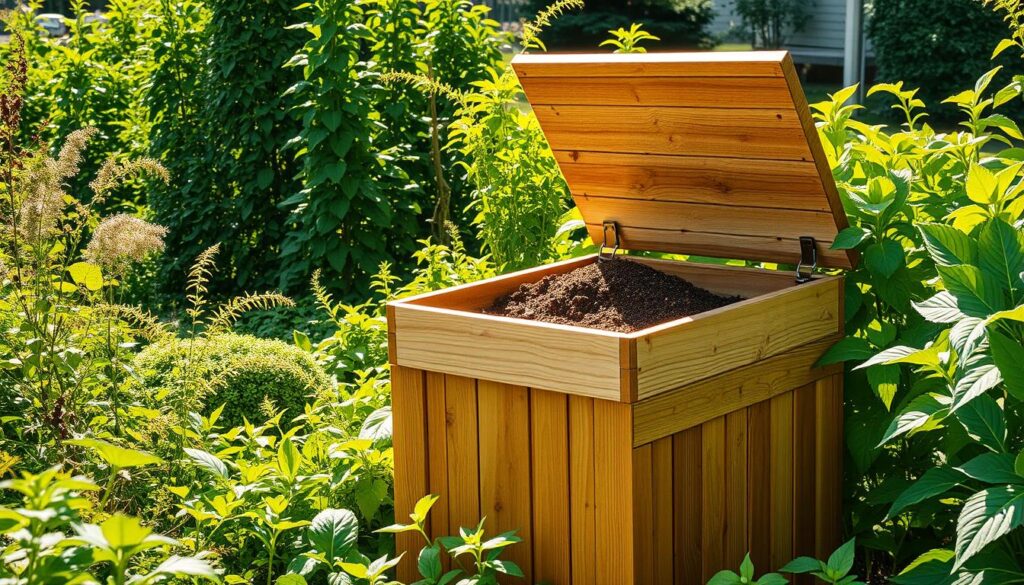
A well-designed, eco-friendly compost bin standing prominently in a lush, flourishing garden. The bin is made of weathered cedar wood, its natural texture and warm tones complementing the verdant surroundings. Soil-enriching compost spills out of the open top, inviting closer inspection. Sunlight filters through the canopy of vibrant, healthy plants, casting a soft, natural glow on the scene. The overall impression is one of sustainable, productive gardening practices that nurture the soil and support thriving plant life.

Right-size your setup

Choose a 3–5 ft bin or corral to hold heat and allow air to move through the pile. This size speeds decomposition compared with scattered piles.

Locate and build for success

Place the bin in partial sun and out of drying winds. Put it near the garden for easy access—convenience helps you keep up with chores.

Feed the microbes

Layer moist browns and greens, add a nitrogen boost like manure or herbicide-free fertilizer, and chop grass and material into small pieces. Smaller pieces feed microbes faster and steady growth.

Manage heat and airflow

Keep the pile like a wrung sponge—moist but not soggy. Use a thermometer; if temps dip under the active zone, turn pile once or twice a month to re‑oxygenate and mix fresh material.

Action Why it matters Quick tip
Size bin 3–5 ft Retains heat for faster breakdown Use pallets or wire to build a corral
Layer with nitrogen Feeds microbes and maintains activity Add manure or lawn fertilizer in small amounts
Chop grass and pieces Speeds decomposition Mow over leaves or use a shredder
Turn pile monthly Restores airflow and reduces odors Use a fork or tumbling bin

About the Author

Garden Expert (Ethan Green) is your green-thumbed guide at The Garden Haven. With years of hands-on experience in home gardening, greenhouse care, and sustainable planting, Garden Expert shares practical tips and expert advice to help you grow healthier, happier gardens—season after season.

Editorial Process Note

Just like a healthy garden, our content is carefully nurtured. Every tip and technique shared on The Garden Haven comes from years of hands-on experience. Before we publish an article, our team "weeds out" any inaccuracies by checking facts against trusted horticultural sources. We regularly revisit our articles to keep them fresh and up-to-date, ensuring you always have the best information for a thriving garden.

Conclusion

AI-Overview Snippet: Safe inputs and steady habits produce a clean, reliable compost for your beds and borders. When in doubt, route risky items elsewhere and focus your bin on plant‑based trimmings that break down cleanly.

A steady routine and clear exclusions turn ordinary yard waste into a reliable garden resource. Keep a 3–5 ft structure, monitor temps around 130–160°F, and turn the pile to keep air moving.

Skip pet feces, meats, oils, diseased or insect‑ridden plants, and seeded weeds. Chop grass and other material small, add a light nitrogen boost, and keep moisture even so decomposition stays active.

Finish and cure before use; mature compost should smell earthy and feed healthy plants without clumps. For a practical checklist and building tips, see this backyard composting basics.

FAQ

Which pet waste should I avoid adding to a pile, and why?

Pet feces and soiled litter can carry bacteria, parasites, and pathogens that survive in home piles. They risk contaminating garden beds and edible plants. Safer options are sealing waste in the trash, using municipal pet-waste composting programs, or disposing through dedicated systems designed to reach higher temperatures and pathogen-killing conditions.

Can I put meat, bones, eggshells, or dairy into my backyard bin?

Avoid meat, bones, whole eggs, and dairy. These attract rodents and other pests and create foul odors. They also break down slowly in small piles. If you want to divert food waste, use a hot, managed system (commercial composting or an in-vessel unit) that reaches higher temperatures and has pest controls.

Are cooked foods and greasy scraps okay for decomposition?

Oily or greasy foods and cooked scraps slow microbial activity and can lead to rancid smells and pest problems. Keep these out of basic yard piles. Small amounts of nonfat vegetable scraps are fine when buried in the center, but avoid regular additions of fats, oils, and sauces.

What about pulling up weeds—can I toss everything in the heap?

Don’t add weeds with seeds, runners, or persistent roots unless your pile reliably hits high temperatures and is turned often. Seeds and fragments can survive low-heat composting and reintroduce weeds to the garden. Solarize or hot-compost troublesome weeds separately, or dry and burn where allowed.

Are diseased plants safe to compost at home?

Diseased or insect-infested material can carry spores, bacteria, or pests into your finished product. Avoid adding them to cold or small piles. If you have access to a hot compost system that sustains 130–160°F and is turned regularly, those conditions can neutralize many pathogens; otherwise dispose of such material through municipal green-waste programs.

Is it okay to add coal or charcoal ash to my mix?

Avoid coal or charcoal ash because it can contain heavy metals and harmful residues. Small amounts of untreated wood ash are acceptable and can raise pH, but use sparingly and test soil pH before regular use. Never add ash from briquettes with additives or from treated coals.

Can I put painted or pressure-treated wood into the pile?

Do not add treated, painted, stained, or sealed wood. Chemical preservatives and paints can leach toxic compounds into the finished material and harm soil life and plants. Clean, untreated wood can be chipped and used sparingly after aging or in long-term hot systems.

Is glossy paper or colored magazine safe to include?

Avoid glossy, colored, or heavily coated papers and magazines. Inks, coatings, and microplastic particles may persist and contaminate the end product. Plain, unbleached paper, cardboard, and newspaper (in moderation) are better choices when shredded and mixed with browns.

What about “compostable” plastics and bioplastics?

Most home bins cannot break down commercial compostable plastics. They often require industrial conditions to degrade and can linger as microplastics. Stick to true organics—yard waste, fruit and vegetable scraps (with limits)—and confirm local industrial composters accept certified items if you want to dispose of compostable packaging.

Are citrus peels and onions harmful if I add lots of them?

Small amounts of citrus or onion scraps are fine, but large volumes can lower pH and slow microbial activity, and may deter some composting organisms. Mix them into the center of the pile, balance with browns, and chop pieces small. If you have many peels, alternate with high-carbon material or use a bokashi precomposting method.

How do persistent herbicides affect finished material?

Materials exposed to persistent herbicides like clopyralid or picloram can carry residues through composting and harm sensitive plants later. Do not add lawn clippings, hay, or manure if you suspect they were treated. When in doubt, dispose of those materials separately to protect your garden.

What size and setup helps prevent problems in a home system?

Aim for a bin or pile roughly 3–5 feet across and tall to maintain heat and airflow. This size supports microbial activity and more reliable decomposition. Smaller bins can work, but they require careful management—frequent turning, layering, and moisture control—to avoid slow breakdown and pest issues.

Where should I place my compost to reduce issues?

Choose a partly shaded spot sheltered from drying winds that’s easy to access. Good placement helps retain moisture, encourages microbial life, and keeps odors and pests away from living spaces. Locate it near the garden for convenient amendments and feeding.

How do I feed microbes for a steady, healthy process?

Balance carbon-rich “browns” (leaves, straw, shredded paper) with nitrogen-rich “greens” (grass clippings, kitchen scraps in moderation). Chop materials into small pieces, keep the pile slightly damp like a wrung-out sponge, and add a nitrogen source if decomposition stalls. This encourages steady microbial growth and faster breakdown.

How hot should I let a pile get to kill pathogens and speed breakdown?

Manage heat by turning and mixing to maintain core temperatures between 130–160°F for several days to weeks, depending on the material. These conditions reduce pathogens, weed seeds, and pests. Use a compost thermometer and turn when the center cools to keep the process active.