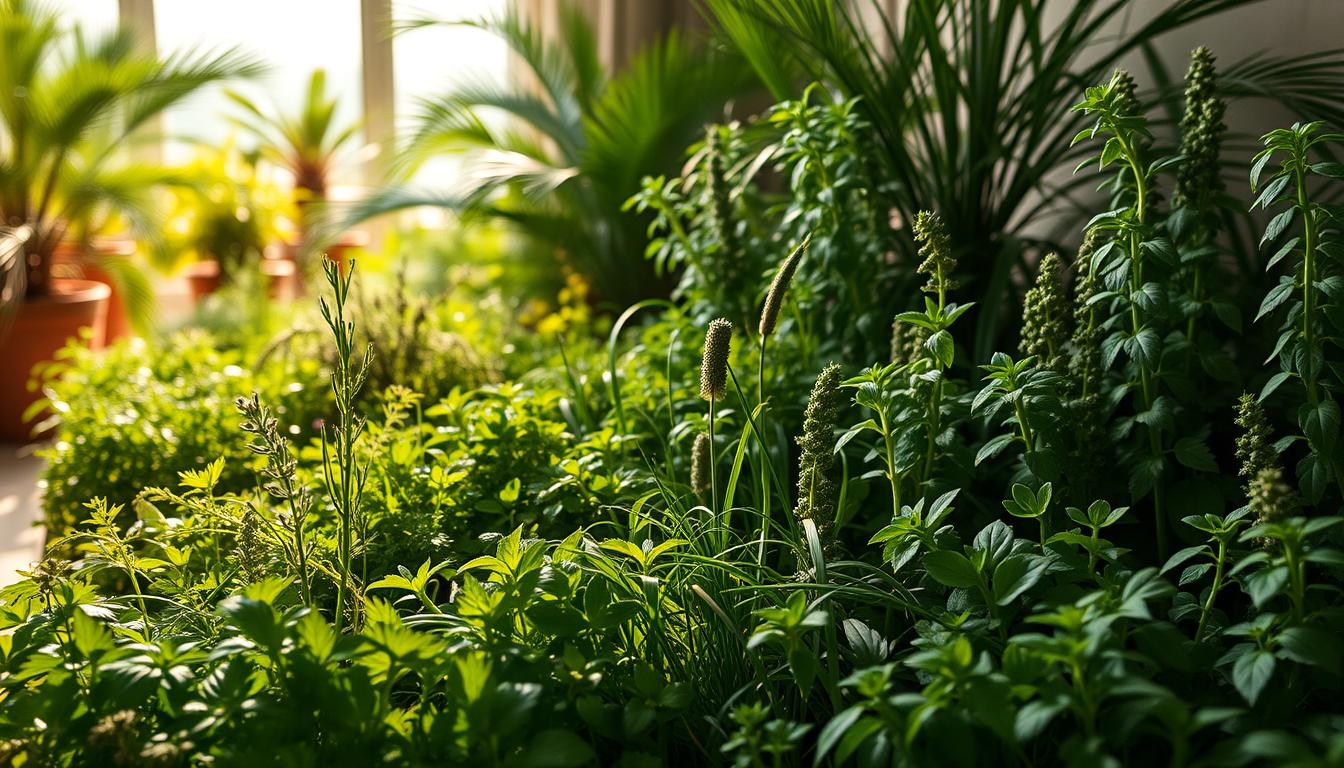
Can a dim kitchen still give you fresh flavor for weeknight dinners? Many people assume a sunny sill is a must. Yet a handful of culinary favorites thrive in cooler, shaded spots when set up right.
Bright indirect windows or a couple of gentle sun hours can keep these plants productive. Think cool-season family favorites like parsley and cilantro, plus mint, chives, thyme, chervil, lemon balm, and culantro. They favor shallow, fast-draining pots and a lighter watering hand.
Place containers where air moves and use a finger test before you water. Expect slower growth, but frequent light trims boost flavor and prevent legginess. For more picks and setup ideas, see our curated list at best herbs for your garden.
Key Takeaways
- Some culinary plants do well in dimmer spots when given bright indirect exposure.
- Choose cool-season family favorites like parsley and cilantro for shaded rooms.
- Use shallow, fast-draining mixes and allow soil to dry slightly between waterings.
- Good airflow and light pruning prevent moisture issues and legginess.
- Expect slower growth; supplement with short grow-light sessions if needed.
Why some herbs thrive in low light and how that affects growth today
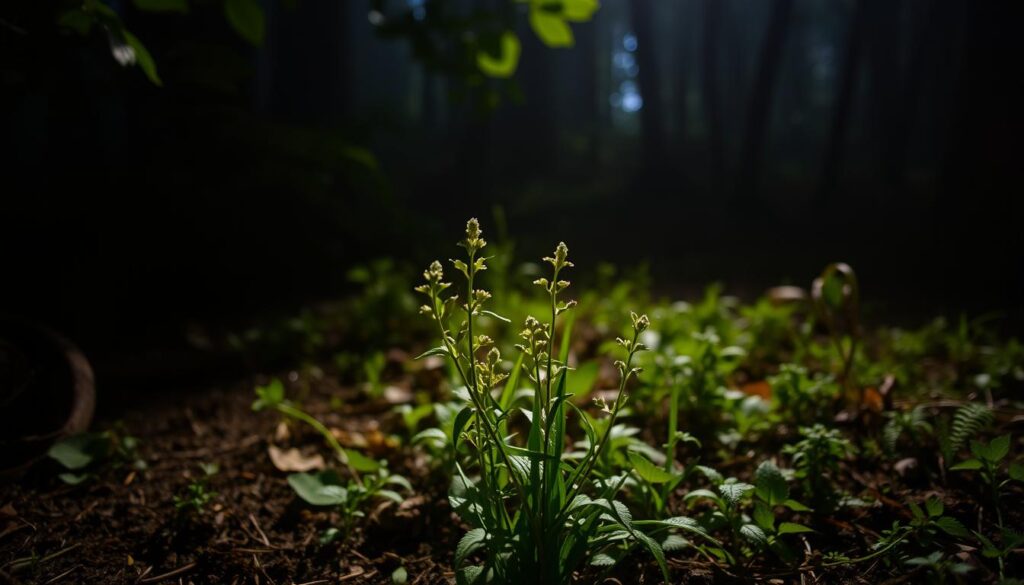
Plants in dim spots shift leaf structure to capture every available photon. These changes help some kitchen favorites survive with less direct sunlight, but they slow overall growth and change care needs.
Plants use light energy to run photosynthesis and make food from water and carbon dioxide. In reduced exposure, shade-adapted leaves pack more chlorophyll and turn a deeper green. They also get thinner and spread wider to catch more photons.
Indoors, “low light conditions” still means brightness: bright indirect light or about two hours of direct sunlight at most. Expect slower photosynthesis and slower overall growth. That means smaller, more frequent harvests rather than rapid regrowth.
Shorter winter days reduce usable light per day. Water less often, rotate pots for even exposure, and space plants for airflow to avoid rot. For a quick guide to suitable picks and placement, see our best herbs for low light.
- Adaptation: darker, thinner, larger leaves improve capture in dim rooms.
- Tradeoff: slower growth and leggier stems need occasional pruning.
- Care: reduce watering, rotate pots, and consider brief supplemental light in winter.
Which herbs actually grow low light surprising: the shortlist you didn’t expect
Small pots on a shaded sill can still supply bold, fresh taste. These picks handle shade and low light better than most and give steady kitchen use with gentle care.
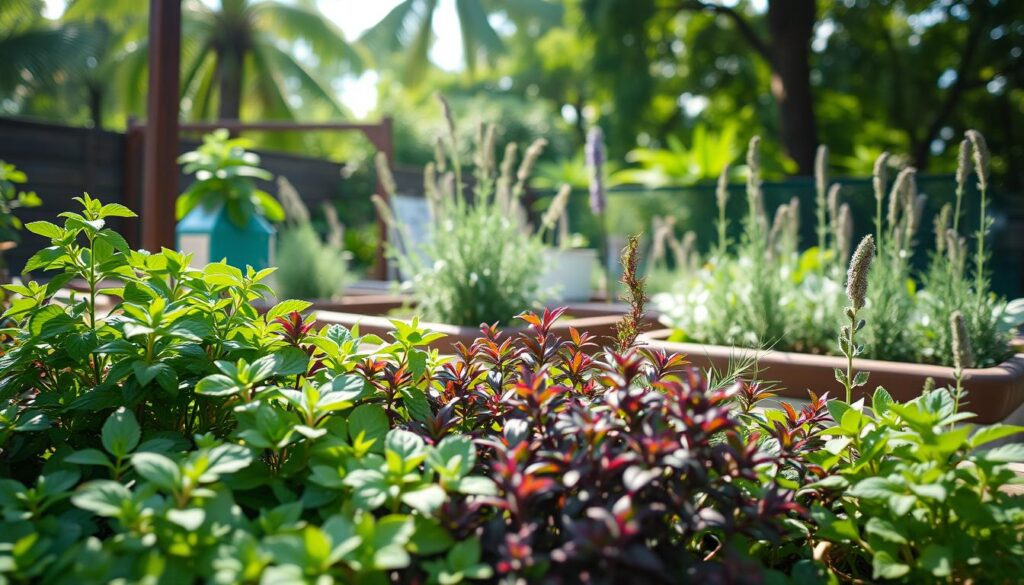
Chervil: a tender, anise-parsley note
Chervil thrives indoors with a mild anise-parsley flavor. Sow seeds on the surface—light helps them germinate—and then shift seedlings to bright indirect light.
Harvest young leaves for salads or egg dishes. It tolerates shade as it matures, so keep soil evenly moist and trim often.
Thyme: small, savory leaves for steady use
Place thyme where air moves and brightness is steady but not harsh. Varieties like French or lemon thyme add savory depth to sauces and stews.
Let soil dry a bit between waterings to encourage strong oils and vigor. Prune sprigs to keep a compact form.
Culantro: a bold cilantro stand-in for cooking
Culantro offers a stronger cilantro-like taste and tougher texture that holds up in cooked dishes. Use roughly half the fresh amount you’d use of cilantro.
Chop or blend it finely for soups, stews, and marinades; it tolerates partial shade and stays useful when space is limited.
Chocolate mint: dessert-ready and forgiving
Chocolate mint tolerates partial shade and about two to six hours of sun. Indoors it fares well with bright indirect exposure; add a small grow bar if your window is dim.
Keep mint in a shallow, quick-draining pot and pinch back runners to keep leaves fragrant and compact.
- Containers: Shallow, fast-draining mixes help these picks grow well without constant sun.
- Rotate: Turn pots weekly to prevent leaning and uneven growth.
- Harvest: Take small amounts often to encourage steady production.
For full setup tips and shade-focused care, check our shade guide.
Cool-season Apiaceae that prefer shade and mild temps
Cool-season members of the Apiaceae family prefer cooler rooms and gentler sun to keep leaves productive and delay flowers and seed. They do best around 35–65°F and benefit from bright, indirect exposure rather than hot midday sun.
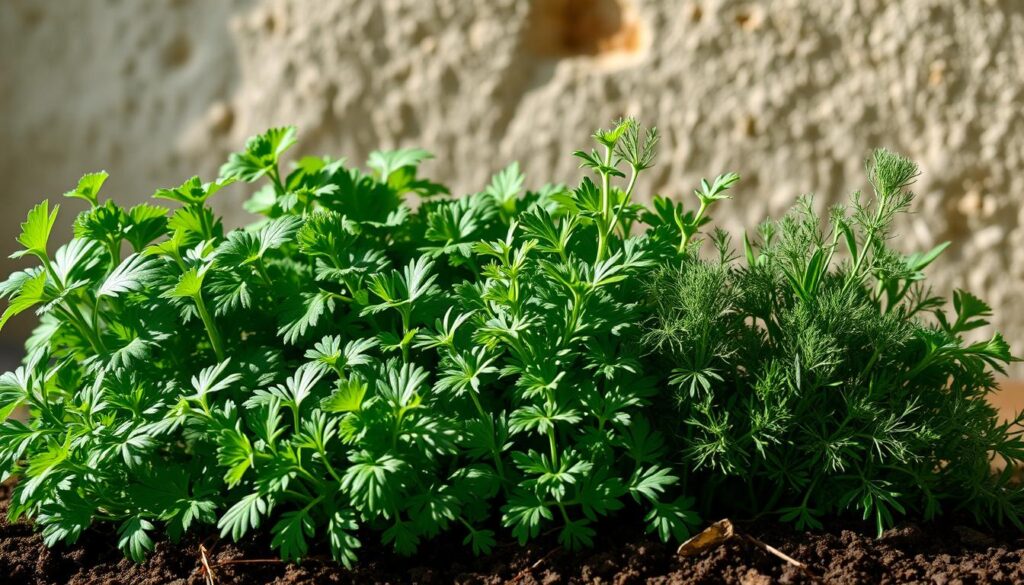
Cilantro tips for long leaf life
Cilantro favors cooler temperatures and will bolt quickly in heat. Choose slow-bolting varieties when possible and place pots near a cool window to slow seed set.
Keep soil evenly moist but not waterlogged and harvest leaf tips often to extend the harvest window.
How to keep dill steady
Dill tends to shoot up and go to flower in strong sun and warm rooms. In dimmer, cooler spots it holds its feathery leaves longer.
Use it fresh in soups and pickles and sow a new pot every 3–4 weeks for a steady supply.
Parsley: reliable in partial shade
Parsley, both flat-leaf and curly, thrives in partial shade. It rebounds well after harvesting as long as roots breathe in a quick-draining mix.
Rotate pots weekly, avoid overwatering, and harvest outer stems first to keep plants producing.
- Quick care checks: cool temps, bright indirect light, good drainage, and regular rotation.
Mint family and allium allies that grow well indoors in low light
Yes — mints, lemon balm, and chives do well inside with modest sun and steady care.
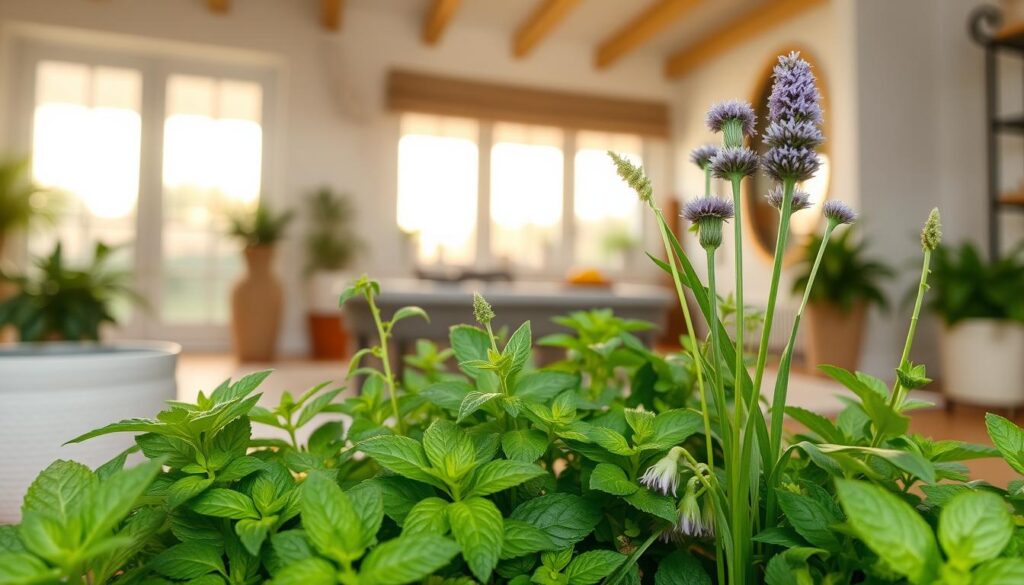
Mint varieties like peppermint and spearmint are workhorses for containers and windowsills. They root from cuttings in water fast, so propagation is simple. Pinch new tips weekly to stop legginess and to boost aromatic oil production.
Lemon balm (Melissa officinalis) grows quickly and gives a bright, citrusy flavor for teas and syrups. It spreads easily outdoors, so keep it confined to pots. Trim stems to encourage bushy regrowth and more concentrated lemon scent.
Chives offer a mild onion taste and pretty purple blooms you can eat. They stay perennial in a sunny nook. Divide crowded clumps every year or start fresh from seed to renew vigor. Top-dress with compost for a gentle nutrient lift.
- Quick tips: group these plants in small containers or shallow pots on your brightest sill and rotate weekly.
- Soil: use airy, fast-draining mixes and let the top inch dry before watering.
- Supplemental care: a 10–12 hour LED bar helps if sun is scarce.
| Plant | Best container tip | Flavor use |
|---|---|---|
| Peppermint | Start from cuttings; pinch tips | Desserts, cocoa, teas |
| Spearmint | Root in water, pot up fast | Tabbouleh, mint tea |
| Lemon balm | Grow in pots to limit spread | Tea, syrups, salads |
| Chives | Divide clumps; bright indirect sun | Garnish, eggs, baked potatoes |
Build a cozy mini herb garden by grouping these plants together. For more shade-loving selections and care steps, see a useful guide at shade-loving picks.
Set up for success: low light conditions, containers, and simple gear
In short: Aim for bright indirect light or up to two hours of gentle direct sunlight daily. Use shallow containers, cut watering back, and add a small LED if your windows fall short.
Set up a spot near a window where gentle sun filters through a curtain. That soft glow gives steady usable brightness for most kitchen plants.
How much light is enough?
Bright indirect light or ≤2 hours of gentle direct sunlight qualifies as true low light conditions indoors. If natural brightness dips, run a slim LED bar for 10–14 hours to mimic longer days.
When should I use grow lights and timers?
Set timers to about 12/12 in winter, then extend “on” time in spring and summer. Keep lamps 6–12 inches above the canopy and raise them as plants respond.
Which containers and media work best?
Choose shallow pots with drainage. Use a gritty mix and add perlite or sand so media dries faster and avoids root rot.
How do I manage airflow and spacing?
Place pots with space between them. A small fan on low keeps humidity down and helps soil dry after a water.
How often should I water in dim spots?
Trust the finger test: if the top inch is dry, then water until it drains. Skip calendar watering—plants use less water under weak light.
“Too much moisture is the fastest way to stress an indoor plant. Dry topsoil first, then feed with care.”
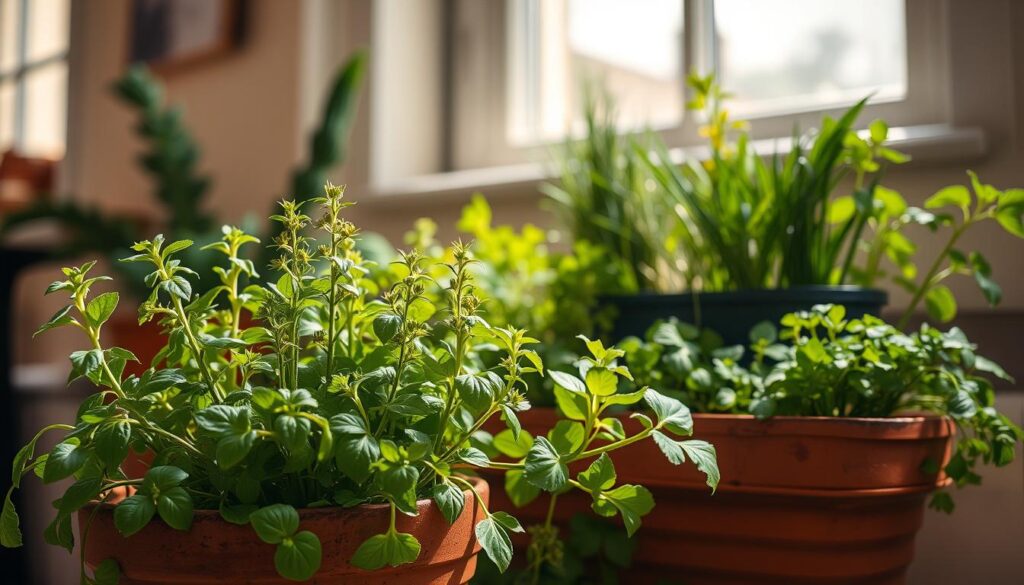
| Need | Setup tip | Why it helps |
|---|---|---|
| Light | Bright indirect or LED 10–14 hours | Supports steady photosynthesis without full sun intensity |
| Containers | Shallow pot with drainage | Limits soggy roots and speeds drying |
| Media | Mix with perlite or sand | Improves aeration and reduces rot risk |
| Watering | Finger test; water when top inch is dry | Prevents overwatering in slow-growing seasons |
For a fast start and practical layouts for small windows, check a helpful guide for a simple indoor herb setup or browse creative ideas at ideas for small indoor gardens.
Surprising extras and seasonal tips for growing herbs indoors
Extend harvests through the year with a few small changes. With steady routines, your indoor pots can supply fresh leaves all year. These practices slow unwanted flowering and keep plants compact.
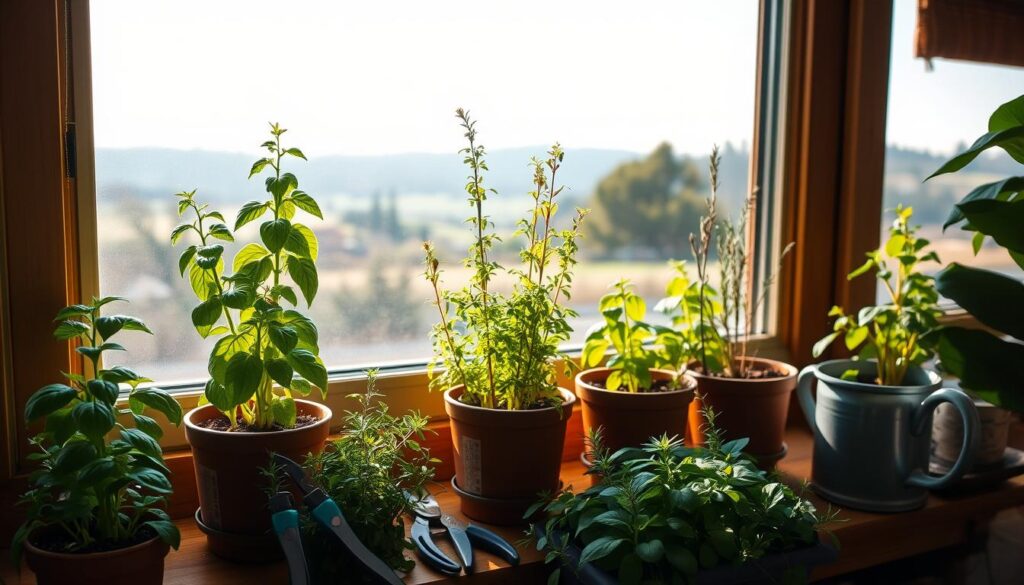
Slow-bolting choices and cool windows for year-round flavor
Choose a slow-bolting variety of cilantro and set pots near a cooler sill to delay flowers and keep tasty leaves longer.
Move heat-loving plants to the sunniest nook or under a short LED session if needed for a few hours.
Successive sowing and occasional pruning to prevent legginess
Start a new seed tray every 3–4 weeks so fresh plants replace tired ones. Light pinches at growing tips keep stems short and full.
“Prune often, harvest lightly, and rotate pots to even out exposure across the year.”
- Parsley: pick outer stems to protect the crown.
- Group cool-season types into a small kitchen garden.
- If you have a sheltered yard, rotate pots outdoors briefly to renew vigor.
These small tips help you keep steady growth and make the most of indoor growing herbs without a big setup. For more on the best herb garden plants, see our guide.
Conclusion
A small routine will keep flavorful pots productive even without hours of direct sun. Bright indirect light or up to two hours of gentle sunlight per day, shallow containers, and the finger test for water are the basics.
Choose the best herbs for dim rooms and give them tidy care. Parsley, cilantro, chives, mint, lemon balm, thyme, culantro, and chervil make a reliable core. Prune often, rotate each plant weekly, and sow in succession for steady leaves.
Use a 12/12 winter LED cycle if needed. Keep airflow steady and adjust placement when a plant struggles. With these steps, your indoor herb corner will grow well and supply fresh flavor even without full sun — a small change each day keeps your kitchen garden productive.
FAQ
Which herbs tolerate lower light indoors and still give good flavor?
Many common kitchen plants handle reduced sun if you match them to cooler spots and steady care. Look for members of the mint family (peppermint, spearmint, lemon balm), alliums like chives, and easy Apiaceae such as parsley, cilantro, dill, and chervil. These maintain leaf flavor with bright indirect exposure or just a few hours of morning sun.
Why do some varieties perform better with less direct sun?
Plants adapted to woodland or understory habitats evolved to photosynthesize well in filtered light. They invest more in leafy growth than in intense flowering and can avoid heat stress and bolting when shaded. In home settings, cooler temps and stable moisture help them thrive without full sun.
How much daily light is enough for these shade-tolerant plants?
Aim for bright, indirect light for 4–6 hours a day or 2–4 hours of gentle morning sun. If windows are weak, a basic LED grow light on a timer for 10–12 hours mimics natural daylength and prevents legginess.
Can cilantro and dill handle indoor conditions without bolting?
Yes, when kept cool and out of hot afternoon sun. Provide consistent moisture, light shade, and occasional harvesting to slow flowering. Start new seeds every few weeks for a steady supply, since both prefer cooler temperatures.
Do mint varieties become invasive in pots or on windowsills?
Mint spreads vigorously in garden beds but stays manageable in containers. Use a 6–8 inch pot, prune regularly, and divide every year. Good airflow and occasional trimming keep plants compact and flavorful.
What potting mix and container size suit these plants best?
Choose a fast-draining mix with compost and perlite or coarse sand. Shallow to medium pots (6–10 inches) work well for most herbs; larger containers suit fast-growing mint. Ensure drainage holes to prevent root rot in lower light setups.
How should I water herbs kept away from strong light?
Water less often than sun-loving plants. Use the finger test: soil should be slightly dry an inch down before the next watering. Overwatering is the main issue in shaded spots, so err on the drier side and improve drainage if needed.
Are grow lights necessary in winter or for north-facing windows?
Often yes. A simple full-spectrum LED strip or panel on a timer for 10–12 hours will keep plants healthy through short winter days or in north-facing rooms. Place lights 6–12 inches above foliage and adjust as plants respond.
Which plants give the best yield with minimal sun: chives, lemon balm, or parsley?
All three are reliable with modest light, but chives and lemon balm rebound fastest after harvest. Parsley is steady but slower to regrow. Rotate light and trim often to promote fresh, flavorful leaves.
How can I prevent legginess and encourage bushier growth in shaded spots?
Prune tips regularly, pinch back flowering stems, and rotate pots so all sides receive even light. Supplementing with a few hours of grow light each day reduces stretching and strengthens stems.
Is culantro a good substitute for cilantro indoors?
Yes. Culantro tolerates heat and filtered light better than cilantro and offers a stronger, similar flavor. It has broader, tougher leaves and performs well in containers with steady moisture and shade from hot afternoon sun.
Can I mix these plants in one container or should I pot them separately?
Pair compatible plants with similar water and light needs—mint with lemon balm or chives with parsley. Avoid planting aggressive spreaders like mint with slower growers. Separate pots let you tailor soil, watering, and harvest timing.
How often should I fertilize herbs growing with limited sunlight?
Feed lightly every 6–8 weeks with a balanced, water-soluble fertilizer at half strength. Too much fertilizer can force leggy growth when light is limited. Compost top-dressing once a season also supports steady development.
What seasonal tips help maintain flavor and vigor year-round?
Sow successive batches in spring and fall, keep cooler plants away from heating vents in winter, and harvest often to encourage new leaves. Rotate pots to brighter windows in spring and use grow lights during short days.