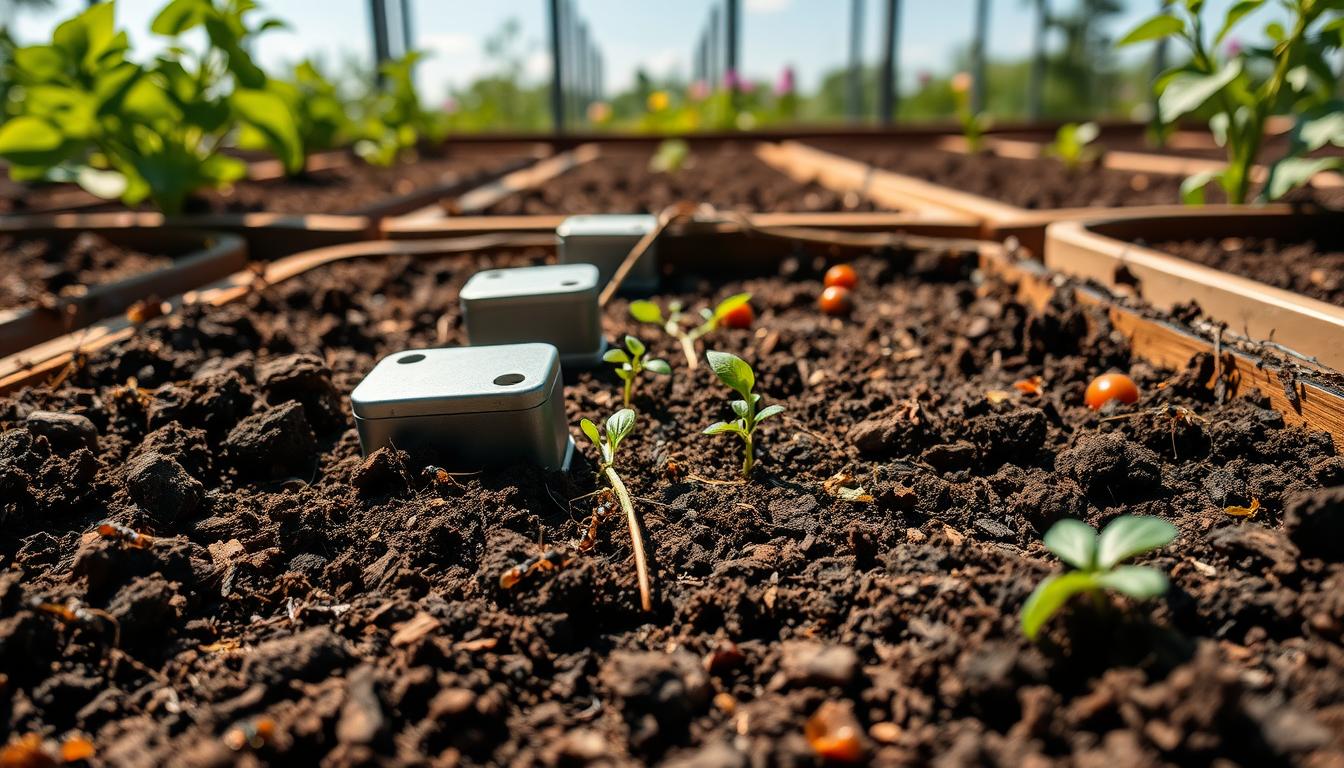
There’s a sinking feeling when plants droop despite the drip system humming—your raised garden just isn’t drinking. You set lines, placed emitters, and then noticed soil mounds and a trail of tiny workers around the outlets. That frustration is real and fixable.
This short guide shows exactly what to check and what to do next. We’ll cover fast fixes to restore steady water flow, then simple steps for longer-term care. Expect clear actions: inspect, flush lines, break trails, treat nests carefully, and add gentle barriers or baits only when needed.
Ants are drawn by food, moisture, and shelter in a raised garden. Often they protect honeydew pests like aphids and scale, which makes the problem repeat unless those pests are found. Blocked outlets can leave one side wet and the other dry, and that patchy root-zone is why plants wilt.
Follow safe choices for nearby edibles, kids, and pets. For extra troubleshooting tips on drip systems, see a practical drip irrigation troubleshooting guide, and for nonchemical pest ideas check natural pest control hacks.
Key Takeaways
- Confirm emitters are clogged by checking flow and soil moisture around each outlet.
- Flush lines and clear visible soil mounds to restore even watering quickly.
- Look for honeydew-producing pests; managing them reduces repeated ant visits.
- Use targeted, safe treatments near edibles and follow label directions closely.
- Small barriers and routine inspections keep a raised garden healthy and steady.
Why Ants Show Up in Raised Garden Beds and Start Causing Emitter Problems
Warm, moist pockets and sweet residues make garden beds a favorite hangout for many small colonies. Spotting trails, mounds, and wilting plants quickly helps you act before roots suffer.

What to look for
Check for visible trails up bed sides, clusters near tubing joins, and new soil mounds that appear overnight.
Wilting on one side of a garden bed while neighbors stay green is a red flag. Nesting near drip lines can block even water spread and create dry pockets around roots.
What draws them here
Food sources (honeydew, fallen fruit), steady water from drip zones, and shelter under mulch or dense foliage make a raised garden inviting.
The hidden driver
Aphids and scale produce honeydew that workers harvest. This protection loop raises pest pressure and keeps colonies returning.
| Sign | Likely Cause | Impact |
|---|---|---|
| Soil mounds | Nest building | Local soil compaction, uneven water |
| Trails near tubing | Foraging path | Clogged outlets, wet/dry patches |
| Ants on foliage | Aphids/scale present | More pests, plant stress |
Scouting tip: If you find workers on stems, inspect leaf undersides for sap-suckers before treating the ground. For guidance on irrigation setup, see the drip irrigation install guide.
How to stop ants blocking emitters in raised beds [troubleshooting]
When one emitter fails while neighbors run, that odd pattern often signals insect activity. Start by confirming the cause before you replace parts or add treatments.
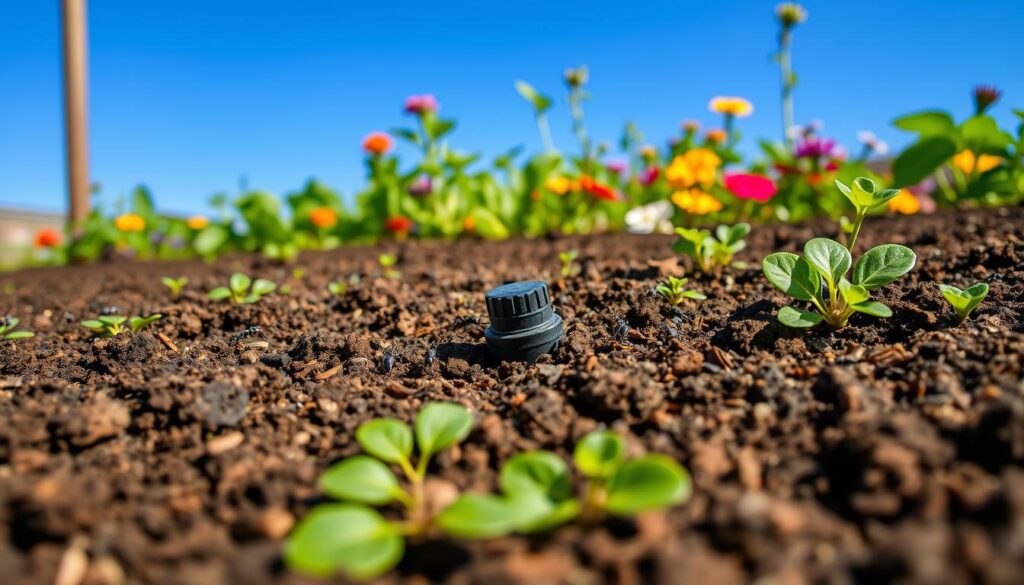
Confirm it’s insect activity: Inspect each emitter, barbed fittings, and the soil next to tubing. Look for worker trails, fresh soil mounds, or live traffic at an outlet. If many ports fail at once and grit appears in filters, sediment is the likelier culprit.
Clear immediate blockages: Shut off water, remove suspect outlets, and flush the line from the end. Re-seat or swap emitters, then run the system and watch each outlet for a full minute.
- Break scent trails: A mild detergent spray on paths and connectors disrupts pheromones; spray in cool hours to avoid leaf burn.
- Target nests carefully: Pour boiling water only when you can clearly see the entrance and you can avoid roots; this can knock down a colony but risks root damage if misapplied.
- Repellents: Mix about 15 drops of peppermint, citrus, or tea tree oil with water in a spray bottle and mist trail edges every other day. Use vinegar sparingly and keep it off foliage and roots.
- Dry barriers: Apply food-grade diatomaceous earth where ants travel; keep it dry for weeks for best effect.
- Spice line: Lay cayenne or cinnamon along bed edges as a simple deterrent.
- Controlled baits: If workers return, place sugar+borax bait stations out of reach of kids and pets for colony control.
- Biological option: Consider beneficial nematodes for persistent ant infestation that resists surface treatments.
Close the loop: Remove fallen fruit, dense debris, and overgrowth so the garden no longer offers shelter that keeps workers near water lines. For extra reading on keeping drip outlets clear, see this practical guide to drip emitter clogging.
Prevent Ants From Returning to Raised Garden Beds and Drip Emitters
Less emergency, more rhythm: set a routine that keeps the garden unattractive to workers and makes irrigation reliable again.
Remove the “buffet.” Check tender leaves and stems for aphids and scale. Rinse foliage with a strong spray, prune heavily infested tips, and inspect weekly. Reducing honeydew removes the main food source that draws garden ants back.
Encourage predators. Birds, frogs, lizards, spiders, and ladybugs eat many garden pests. Add shallow water stations, diverse plantings, and avoid broad-spectrum sprays so these allies thrive.
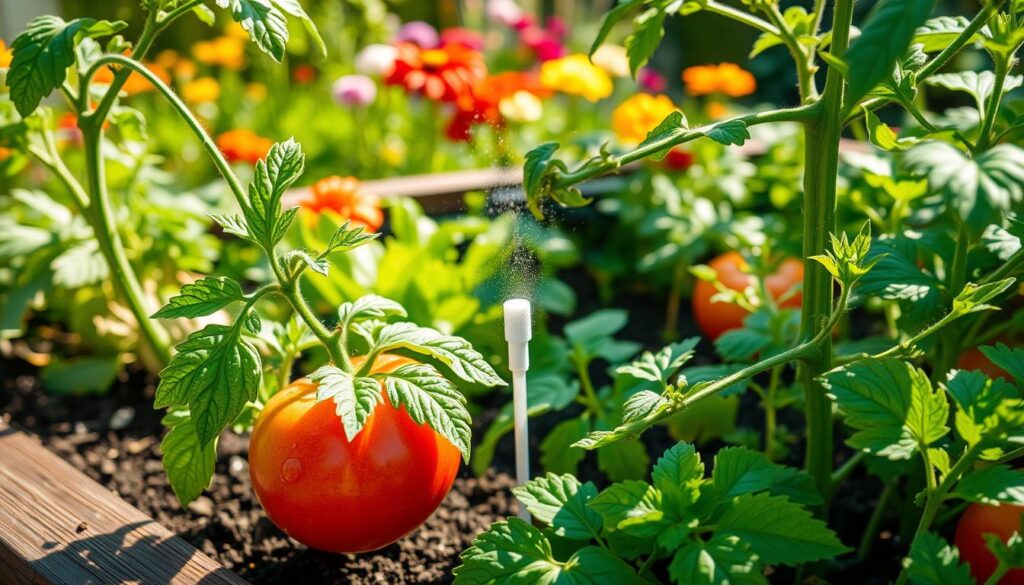
Companion planting and covers. Plant lavender, marigolds, or mint near edges to smell-boldly repel or redirect unwanted traffic. Use mesh covers or raised bed netting to limit pest access and cut pest pressure on plants.
“Fewer garden pests means fewer workers around the irrigation line—clean emitters and steady water follow.”
- Chemical control when needed: choose products labeled for the target pest and follow directions and PHIs — e.g., wait at least 1 day for tomatoes, 3 days for zucchini, 7 days for bell peppers.
- Close the loop: tidy fallen fruit and dense debris so roots and plants get even moisture and emitters stay clear.
For a compact raised herb layout that supports natural pest control and healthy irrigation, consider this raised herb garden idea.
Conclusion
Large ant numbers often point to a deeper pest loop that can upset root-zone balance and irrigation performance.
Confirm whether insects or sediment cause poor flow, then restore drip function, break scent trails, treat visible nests, and remove attractants so problems do not repeat.
Steady emitter performance keeps plants healthy by preventing wet‑dry swings in garden beds. If you still spot workers on leaves, inspect for aphids or scale so you don’t relive the cycle.
Start with low‑risk steps — flush lines, tidy soil, use gentle spray barriers — and advance to baits or biological control only when needed. Small, regular actions beat one big fix.
For promising tech options and field results on embedding repellents in tubing, see this repellent tubing research as a next reference.