
Looping drip lines can fix uneven watering, but only when the problem is pressure loss along a long run. If the real issue is a clogged emitter, dirty filter, leak, bad regulator, or weak water source, a loop will not solve it.
The better approach is to diagnose the system in order: check the water source, test pressure, clean filters, look for leaks, and then decide whether looping, zoning, or replacing a component makes sense.
Quick verdict
Yes, looping can help when the far end of a drip line is drying out because water loses pressure before it reaches the last emitters. A closed-loop layout feeds the line from more than one direction, which can make pressure more even across a long bed.
Looping is not a shortcut for basic maintenance. If only a few emitters are weak, start with clogs. If the whole system is weak, test the source and regulator. If you see soggy spots, fix leaks first.
Fixing uneven drip watering starts with finding where the water is being lost, not with rebuilding the layout first.
Key takeaways
- Looping helps most with long-run pressure drop, especially when the far end of a bed stays dry.
- Pressure testing comes before layout changes because low source pressure or a bad regulator can mimic a poor layout.
- Clogs and dirty filters are common causes when only a few emitters run weak.
- Leaks steal downstream pressure and can make a good layout look poorly designed.
- Shorter zones, clean filters, and correct pressure control often matter more than adding more tubing.
Helpful products at a glance
These support tools fit the diagnostic path in this article. They are not magic fixes, but they can make pressure testing, pressure control, and clog prevention easier to handle.
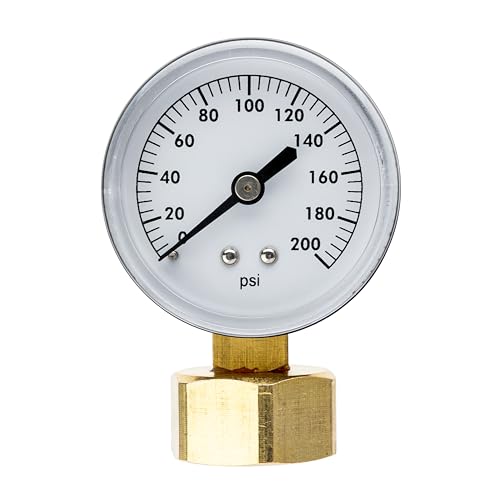
Best for pressure diagnosis because it helps test before rebuilding
- For measuring water pressure in irrigation systems up to 200 PSI
- Metal case, plastic face with easy-to-read display, and precision mechanicals
Best for high-pressure drip setups because it reduces pressure to 25 PSI
- Maintains optimum 25 psi pressure and water flow to Drip lines and emitter devices
- Connects to any 3/4" male pipe threaded faucet, garden hose or component

Best for debris-related clogs because it adds upstream filtration
- #1 commercial-grade irrigation spray head brand in the world
- Pre-installed orange flush cap blocks after flushing system; replace with any Rain Bird MPR spray nozzle

What uneven watering usually means
Uneven drip irrigation usually shows up as dry ends of beds, weak drips, puddles near the start of a line, or plants wilting in one section while nearby plants look fine. Those symptoms point to different causes, so the pattern matters.
A dry far end often points to pressure loss or too many emitters on one run. A few weak emitters in the middle of a line often point to debris. A soggy patch near a fitting usually points to a leak.
| What you see | Most likely cause | First thing to check |
|---|---|---|
| Dry plants at the far end of one long run | Pressure loss from distance, friction, or too many emitters | Test pressure at the source and near the far end |
| Only a few emitters are slow or stopped | Clogged emitter, dirty filter, or sediment in the line | Clean the filter and flush the line |
| Soggy soil near a fitting or tubing section | Leak, puncture, loose fitting, or cracked tubing | Repair the damaged section before changing layout |
| Spraying emitters or fittings popping loose | Too much pressure for the drip components | Check the regulator and pressure rating |
| Entire zone runs weak | Low supply flow, restricted valve, wrong regulator, or clogged upstream filter | Check the faucet, timer, valve, and filter at the source |
Check the simple things before changing drip lines
Before you loop tubing or split zones, confirm that the water source is giving the system enough flow. Run the faucet into a bucket for 15 to 30 seconds and compare the output to what you normally see.
If the source is weak, the rest of the drip layout has little chance of working evenly. A loop can spread water differently, but it cannot create water pressure that is not available at the faucet.
Look for hidden restrictions
Timers, hose splitters, backflow devices, quick-connects, partially closed valves, and clogged filters can all reduce flow before water reaches the drip tubing. Check these parts before blaming the line layout.
- Make sure manual valves are fully open.
- Check battery or electric valves for weak operation or debris.
- Remove and rinse filters if flow has dropped.
- Inspect hose connections for kinks, restrictions, or leaks.
- Run the zone while looking for soggy soil, spraying fittings, or crushed tubing.
Water pressure basics for drip irrigation
Drip systems are built for controlled, low-pressure watering. Many home drip setups use lower pressure than standard hose or sprinkler use, but the correct range depends on the emitters, tubing, regulator, and manufacturer guidance.
Too little pressure can leave the far end of a run dry. Too much pressure can make emitters spray, loosen fittings, or stress small tubing.
Why long runs lose pressure
Water loses pressure as it moves through tubing, fittings, turns, and emitters. The longer the run and the more outlets it feeds, the more likely the end of the line will run weaker than the beginning.
Why high pressure causes its own problems
High incoming pressure can make a drip system look uneven even when the layout is acceptable. Emitters may spray instead of drip, fittings may pop loose, and small leaks may become worse.
A drip-rated pressure regulator belongs near this part of the system because it helps reduce high incoming pressure for compatible drip setups. For example, the Rain Bird 25 PSI regulator is a hose-thread pressure-control option readers can view on Amazon, but it still needs to match the system’s connection and pressure needs.
A regulator will not fix low supply pressure, clogged emitters, leaks, or a zone that has too many emitters. It only addresses pressure that is too high for the drip components.
Test PSI the right way to locate pressure loss
Pressure testing keeps the repair decision honest. Instead of guessing whether looping will help, compare pressure near the start of the system and near the far end of the longest run.
A hose-thread pressure gauge is useful here because the first smart step is measuring pressure before deciding whether looping, zoning, cleaning, or repair is the right fix. The Orbit 91130 water pressure gauge is one pressure-testing option you can check price for on Amazon.
How to test
Place one gauge after the timer, backflow device, or filter near the source. Then test again near the far end of the mainline or at the end of the longest run, using the system under normal operating conditions.
Write down the readings before and after cleaning filters, repairing leaks, or changing the layout. That gives you a real before-and-after comparison.
How to read the results
- Source steady, far end low: pressure loss, long runs, undersized tubing, too many emitters, or too many fittings may be the problem.
- Both readings low: look at supply flow, valves, upstream restrictions, or a regulator issue.
- Readings jump around: check for leaks, loose fittings, air in the line, or partial clogs.
A pressure gauge diagnoses the problem; it does not repair the system. After testing, you may still need to clean the filter, split a zone, replace a regulator, repair tubing, or shorten the run.
- For measuring water pressure in irrigation systems up to 200 PSI
- Metal case, plastic face with easy-to-read display, and precision mechanicals
- Durable brass fitting connects to a standard 3/4” hose faucet/tap
- Can be installed as a permanent gauge or used as part of a sprinkler toolkit
Can looping drip lines fix uneven watering?
Looping can help when water pressure drops along one long dead-end run. Instead of water entering from one side and losing pressure as it travels, a loop gives water more than one path around the bed.
What a closed-loop layout changes
In a dead-end layout, water enters one end and must travel the full length of the line. In a looped layout, the far end connects back into the supply path, so water can approach parts of the run from more than one direction.
This can make a long bed or perimeter planting more even when the original issue is friction loss along the tubing.
When looping is worth trying
- The far end of a long bed stays dry while the start of the bed waters normally.
- Pressure near the source is acceptable, but pressure near the end is noticeably lower.
- The system is already clean, filtered, and free of visible leaks.
- The bed shape naturally supports a return line or closed rectangle.
When looping will not help
Looping will not restore flow through clogged emitters, repair leaks, fix a bad valve, clean a dirty filter, or solve weak supply pressure. It may make the layout look more complete while the real problem remains untouched.
That is why testing comes first. If the system is dirty or damaged, clean and repair it before adding more tubing.
Layout fixes that often work better than looping alone
Sometimes the better fix is not a loop. It is a smaller zone, a shorter run, or a larger mainline feeding short laterals into each bed.
Split zones and shorten runs
If one zone serves too many emitters, the supply may not keep up. Splitting a large bed into two zones can reduce demand and make each section easier to manage.
Shorter runs also reduce friction loss. That matters most in long vegetable rows, large beds, or landscape borders with many emitters.
Use a mainline with short branches
A larger mainline down a path with short branch lines into beds often works better than one long skinny line trying to feed everything. Fewer sharp turns and fewer unnecessary fittings also help preserve flow.
Be careful with drip tape decisions
Drip tape can fit long, straight vegetable rows when matched to the correct pressure, row length, emitter spacing, and water quality. It is also thinner than standard tubing, so it may need more protection and seasonal replacement.
Clogged emitters and debris can mimic pressure problems
When only a few emitters are weak, suspect debris before blaming the layout. Small bits of sediment, mineral buildup, or organic material can reduce flow one emitter at a time.
How to tell clogs from pressure loss
If a few isolated emitters are weak while nearby emitters work normally, the issue is probably clogging. If the entire far end of the line is weak, pressure loss or zone design is more likely.
Filter and screen maintenance
Shut off the water, remove the screen or disc filter if your system has one, and rinse it according to the manufacturer’s instructions. Check it more often after repairs, heavy sediment, or seasonal startup.
A filter/backflow component fits this step because dirty screens and debris can mimic low pressure. The Rain Bird backflow preventer and 150 mesh filter is one hose-thread option readers can see details on Amazon, but connection type, placement order, and local backflow rules still matter.
Flush lines before replacing the layout
Open end caps or flush valves and run water until the line clears. Flush after installation, after repairs, and whenever sediment is likely to have entered the system.
Be cautious with vinegar or chemical flushing advice. Use only methods allowed by the product manufacturer and appropriate for your water source, plants, and local rules. If emitters stay clogged after cleaning and flushing, replacing the affected emitters or short tubing sections may be the cleaner fix.
Leaks and damaged tubing steal pressure
A small puncture can pull enough water from the line to leave downstream plants dry. Leaks are easy to miss when tubing is under mulch, so look for soggy patches, hissing, spraying, or one wet area near a fitting.
How to repair a damaged section
Turn off the water, cut out the damaged tubing cleanly, and reconnect the line with the correct size repair fitting or coupler. Push tubing fully onto barbed fittings and use clamps only when the fitting type calls for them.
How to prevent repeat damage
- Keep tubing away from mower and string trimmer paths.
- Leave a little slack where soil shifts or mulch moves.
- Protect exposed tubing from direct wear where possible.
- Inspect connections after seasonal cleanup or bed work.
Pressure regulators, filters, and components to audit
After the simple checks, look at the parts near the water source. The regulator and filter shape the whole zone, so a mismatch there can make the rest of the system look worse than it is.
| Component | What it helps with | What it will not fix |
|---|---|---|
| Pressure gauge | Measures source and downstream pressure so you can diagnose pressure loss | Does not repair low pressure, leaks, clogs, or poor layout |
| Pressure regulator | Reduces high incoming pressure for compatible drip systems | Does not fix low source pressure or clogged emitters |
| Filter or filter/backflow component | Helps catch debris before it reaches drip emitters | Does not eliminate all clogs or replace regular flushing |
| Pressure-compensating emitters | May help on long runs or mild elevation changes when properly matched | Does not solve dirty water, leaks, or poor supply flow |
How to verify the pressure regulator
Check that the regulator is meant for drip irrigation and that its pressure rating matches your emitters and tubing. A regulator designed for the wrong use can leave pressure too high or too low for the zone.
The Rain Bird 25 PSI regulator is designed to reduce hose-bib pressure for compatible drip systems. It may help when high pressure is causing spraying, popped fittings, or stressed components, but it should not be treated as a universal uneven-watering fix.
- Maintains optimum 25 psi pressure and water flow to Drip lines and emitter devices
- Connects to any 3/4" male pipe threaded faucet, garden hose or component
- 20 gallon per minute flow through capacity
- Durable, robust design provides reliable operation
How to think about filters
A clean filter helps keep debris out of emitters. A filter/backflow component can support a hose-thread drip setup, but it still needs regular cleaning and correct installation.
Confirm thread type, installation order, and local backflow requirements before adding or replacing parts. Filtration can reduce debris problems, but it cannot make dirty lines maintenance-free.
- #1 commercial-grade irrigation spray head brand in the world
- Pre-installed orange flush cap blocks after flushing system; replace with any Rain Bird MPR spray nozzle
- 2" pop-up height
- Heavy-duty stainless steel spring assures flush retraction every time
Use caution with slopes and booster pumps
Slopes change pressure. Lower areas may receive more pressure, while uphill areas may run weaker. Splitting slope sections into separate zones or using pressure-compensating emitters may be better than forcing one zone to cover everything.
A booster pump should not be the first fix for uneven drip irrigation. Before considering one, confirm source flow, pressure needs, plumbing limits, pump sizing, and manufacturer guidance. In many home gardens, zoning and component correction are safer first steps.
Best diagnostic order for uneven drip watering
Use this order when the system still waters unevenly after a quick walk-through:
- Confirm faucet flow and make sure valves are fully open.
- Clean the filter and check for obvious restrictions near the source.
- Test pressure near the source and near the far end of the line.
- Repair leaks, loose fittings, crushed tubing, or punctures.
- Flush lines and check weak emitters for clogs.
- Split overloaded zones or shorten long runs.
- Loop the line only if pressure loss along the run is the likely cause.
The key is sequence. Looping belongs after diagnosis, not before it.
FAQ
Can looping drip lines fix uneven watering?
Yes, looping can help when uneven watering comes from pressure loss along a long run. It will not fix clogs, leaks, dirty filters, failed regulators, or low source pressure.
How do I know if looping is the right fix?
Test pressure near the source and near the far end of the line. If the source pressure is acceptable but the far end is much weaker, and the system is clean and leak-free, looping may help.
What should I check before looping drip lines?
Check faucet flow, valves, filters, leaks, crushed tubing, and clogged emitters first. These problems are often easier to fix than the layout.
Why are only a few emitters weak?
A few weak emitters usually point to clogs or debris. Clean the filter, flush the line, and inspect those emitters before changing the tubing layout.
What if the far end of the drip line is dry?
A dry far end often points to friction loss, a long run, undersized tubing, too many emitters, or a zone that needs splitting. Looping may help, but pressure testing should come first.
Can too much pressure cause uneven watering?
Yes. High pressure can make emitters spray, loosen fittings, or create leaks. A drip-rated regulator may help when it matches the system and component requirements.
Is drip tape better for long garden rows?
Drip tape can be useful for long, straight vegetable rows when matched to the correct pressure, spacing, and water quality. It is thinner than standard tubing, so it may need more protection and replacement over time.
When should I call an irrigation professional?
Call a pro if pressure readings do not make sense, the system uses pumps or complex valves, or repeated repairs do not solve the problem. A professional can check sizing, zones, pressure, and component compatibility.
Final verdict
Looping drip lines is useful when uneven watering comes from pressure loss along a long run. It is not the first fix for every dry patch.
Start with pressure testing, filter cleaning, leak repair, and basic zone checks. Once those are handled, a looped layout can be a smart upgrade for long beds where the far end still runs weak.